2026 American Fitness Index: Resistance Training Soars
The 2026 American Fitness Index reports a significant 14% rise in resistance training participation across working adults, signaling a pivotal shift towards strength-focused fitness and its broader health implications.
The landscape of American fitness is constantly evolving, reflecting new understandings of health and well-being. A recent and particularly compelling development is highlighted in The 2026 American Fitness Index: Resistance Training Participation Rises by 14% Across Working Adults, indicating a profound shift in how adults approach physical activity. This surge suggests a growing recognition of strength training's vital role, moving beyond mere aesthetics to embrace comprehensive health benefits.
Understanding the 2026 American Fitness Index
The American Fitness Index (AFI) serves as a crucial barometer for the nation's health and wellness trends. Published annually, it provides an in-depth analysis of physical activity levels, access to fitness resources, and health outcomes across major U.S. cities. The 2026 report, in particular, delivers compelling insights into changing exercise habits, with a spotlight on the remarkable increase in resistance training participation.
This year's index meticulously collected data from a broad demographic of working adults, encompassing various age groups, professions, and socio-economic backgrounds. The methodology involved comprehensive surveys, fitness facility attendance records, and wearable technology data, ensuring a robust and reliable dataset. The AFI's findings are not merely statistical; they reflect a cultural shift, underscoring a heightened awareness of functional strength and long-term health.
Methodology and Data Collection
The 2026 AFI employed a multi-faceted approach to gather its data, ensuring accuracy and breadth. Researchers utilized a combination of self-reported questionnaires, anonymized gym membership data, and insights from health insurance claims related to physical activity. This triangulation of data sources allowed for a more holistic view of national fitness trends.
- Surveys: Extensive questionnaires distributed to working adults across all 50 states, focusing on exercise routines, motivations, and perceived barriers.
- Facility Data: Aggregated attendance and program enrollment data from a wide network of fitness centers, gyms, and community recreation facilities.
- Wearable Tech: Analysis of anonymized data from popular fitness trackers, providing objective insights into activity levels and workout types.
- Public Health Metrics: Integration of public health statistics related to chronic disease rates, obesity, and mental well-being, correlating these with physical activity levels.
The rigorous data collection process ensures that the 2026 American Fitness Index offers a credible and actionable snapshot of the nation's fitness landscape. It allows policymakers, health professionals, and individuals to make informed decisions regarding public health initiatives and personal wellness goals. The index's detailed reporting helps identify areas of improvement and celebrates successes in promoting a healthier populace.
In conclusion, the 2026 AFI stands as a testament to diligent research and a commitment to understanding the health of the American workforce. Its findings provide a foundation for discussing the implications of rising resistance training and what it means for the future of public health and individual well-being.
The Surge in Resistance Training: A Closer Look
The most striking revelation from the 2026 American Fitness Index is the 14% increase in resistance training participation among working adults. This isn't just a fleeting trend; it represents a significant and sustained shift in exercise preferences. For years, cardiovascular exercise dominated the fitness narrative, but now, strength training is rightfully claiming its place as an essential component of a balanced fitness regimen.

Several factors contribute to this notable rise. Increased awareness of the diverse benefits of resistance training, improved accessibility to gyms and home equipment, and a growing body of scientific evidence supporting its efficacy have all played a role. Furthermore, social media platforms have amplified the visibility of strength-based workouts, inspiring many to incorporate them into their routines. This collective movement suggests a more informed and empowered approach to personal fitness.
Why the Shift Towards Strength?
The reasons behind the growing embrace of resistance training are multi-faceted and deeply rooted in both scientific understanding and practical experience. Individuals are increasingly recognizing that building and maintaining muscle mass offers far more than just aesthetic appeal. The functional benefits extend across various aspects of daily life and long-term health.
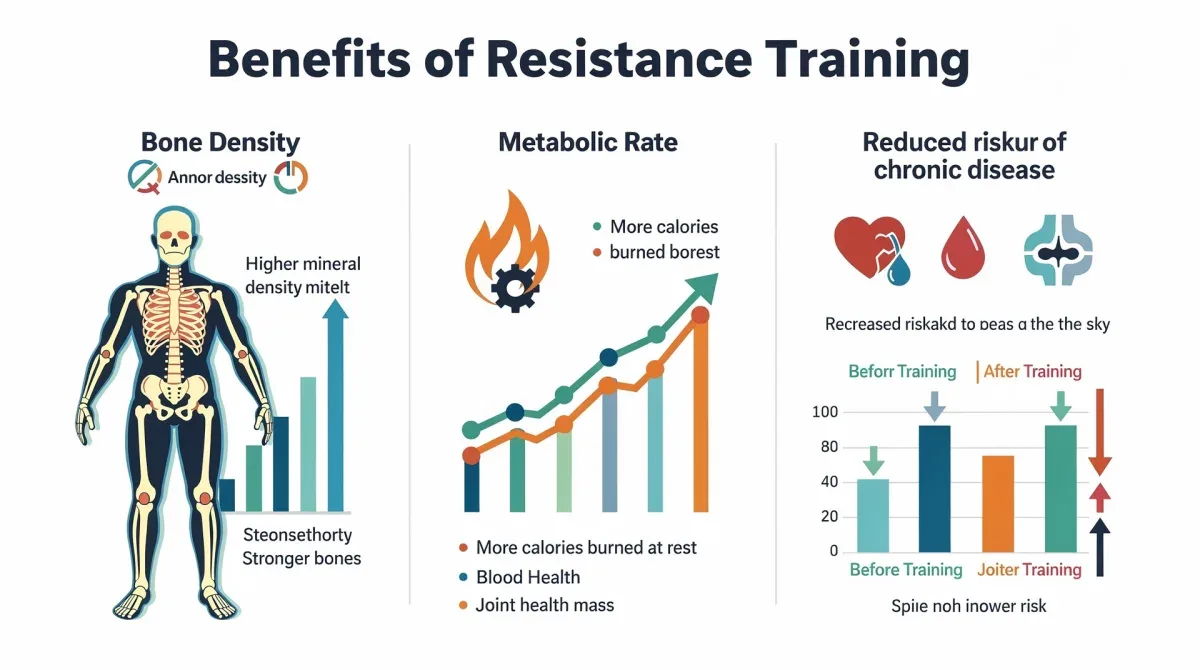
- Improved Bone Density: Resistance training is a powerful tool for combating osteoporosis, strengthening bones and reducing fracture risk.
- Enhanced Metabolism: Muscle tissue burns more calories at rest than fat tissue, leading to a more efficient metabolism and better weight management.
- Better Functional Strength: Everyday tasks, from lifting groceries to climbing stairs, become easier and safer with increased muscular strength.
- Reduced Risk of Chronic Diseases: Regular strength training helps manage blood sugar levels, improves cardiovascular health, and can lower the risk of type 2 diabetes and heart disease.
- Mental Health Benefits: Exercise, especially resistance training, is known to reduce symptoms of anxiety and depression, boosting mood and cognitive function.
The perception of resistance training has also evolved, moving away from a niche activity for bodybuilders to a fundamental practice for anyone seeking improved health. This broader appeal has been crucial in driving the participation rates observed in the 2026 American Fitness Index. Education on proper form and injury prevention has also made strength training more approachable for newcomers, fostering confidence and consistency.
The increase in resistance training participation highlights a more holistic understanding of fitness, where strength is seen not as an isolated goal, but as a foundational element for overall health and vitality. This trend is likely to continue as more people experience the tangible benefits firsthand.
Demographic Insights: Who is Driving the Change?
Delving deeper into the 2026 American Fitness Index data reveals specific demographic groups that are at the forefront of this resistance training surge. While the increase is broad, certain segments of working adults are showing particularly strong engagement. This granular understanding is vital for tailoring public health initiatives and fitness programs to maximize their impact and reach.
The report indicates a notable uptick among adults aged 35-54, often referred to as the 'sandwich generation,' who are increasingly prioritizing their health amidst demanding careers and family responsibilities. Additionally, women have shown a significant increase in adopting resistance training, dispelling old myths about bulkiness and embracing strength as empowering. These insights paint a clearer picture of the evolving fitness landscape.

Age and Gender Dynamics
The 2026 AFI data provides a nuanced view of how different age groups and genders are engaging with resistance training. The 35-54 age bracket, often juggling professional and personal demands, has shown remarkable dedication to incorporating strength workouts. This group appears to be driven by a desire for sustained energy, stress reduction, and proactive health management to support their active lifestyles.
Furthermore, the participation of women in resistance training has seen an impressive leap. Breaking free from traditional stereotypes, women are increasingly recognizing the invaluable benefits of strength training for bone health, metabolic function, and overall empowerment. This shift is supported by a growing community of female fitness advocates and trainers who promote strength as a cornerstone of well-being.
The younger working adult demographic (18-34) also continues to show strong engagement, often influenced by social media trends and the pursuit of athletic performance. However, the growth rate in this segment, while still positive, was less dramatic than in the slightly older cohorts, suggesting a more established baseline of participation. The report also noted a steady, albeit slower, increase among working adults over 55, indicating a broader acceptance of strength training as a lifelong health practice.
Understanding these demographic nuances is crucial. It allows fitness professionals and public health campaigns to create more targeted and effective programs. For instance, programs aimed at working parents could emphasize time-efficient routines, while those for older adults might focus on functional strength and balance. The goal is to make resistance training accessible and appealing to everyone, regardless of age or gender.
In summary, the demographic breakdown reveals that the rise in resistance training participation is a widespread phenomenon, yet with distinct patterns across different groups. This diversity underscores the universal appeal and broad applicability of strength training for improving health outcomes for all working adults.
Health Implications of Increased Strength Training
The rising tide of resistance training participation carries significant health implications for working adults and, by extension, for public health systems. Beyond the visible changes in physique, consistent strength training contributes profoundly to disease prevention, improved mental health, and enhanced quality of life. The 2026 American Fitness Index underscores that this trend is not just about individual fitness; it's a movement with far-reaching societal benefits.
By building and maintaining muscle mass, individuals are better equipped to combat the challenges of aging, reduce the risk of chronic illnesses, and manage stress more effectively. This proactive approach to health can lead to a reduction in healthcare costs, increased productivity in the workplace, and a more vibrant, resilient population. The long-term effects of this shift are poised to reshape the health landscape for generations to come.
Preventative Health and Well-being
Resistance training is a powerful tool in preventative healthcare. Its benefits extend across multiple bodily systems, offering protection against a range of common ailments that impact working adults. The consistent challenge to muscles and bones stimulates adaptive responses that enhance overall physiological resilience.
- Cardiovascular Health: Regular strength training can lower blood pressure, improve cholesterol profiles, and enhance blood vessel function, reducing the risk of heart disease and stroke.
- Metabolic Syndrome Management: By improving insulin sensitivity and glucose uptake, resistance training is highly effective in preventing and managing type 2 diabetes.
- Musculoskeletal Health: It strengthens not only muscles but also tendons, ligaments, and bones, reducing the risk of injuries, osteoporosis, and age-related muscle loss (sarcopenia).
- Weight Management: Increased muscle mass boosts basal metabolic rate, making it easier to maintain a healthy weight and prevent obesity.
- Mental Health Boost: Exercise, especially resistance training, is known to reduce symptoms of anxiety and depression, boosting mood and cognitive function.
These preventative aspects are particularly crucial for working adults, who often face sedentary work environments and high-stress levels. Incorporating resistance training into their routines offers a robust defense against many modern health challenges, promoting both physical and mental resilience. The 2026 American Fitness Index provides compelling evidence that these benefits are being realized on a broader scale, contributing to a healthier workforce.
The health implications of increased resistance training participation are overwhelmingly positive. It represents a significant step towards a more proactive and preventative approach to health, with benefits that resonate throughout individuals' lives and across the wider community.
Challenges and Opportunities in Sustaining the Trend
While the 14% rise in resistance training participation is commendable, sustaining this momentum presents both challenges and opportunities. The enthusiasm for strength training must be nurtured through continued education, accessible resources, and supportive environments. Addressing potential barriers to participation is crucial to ensure that this positive trend continues to grow and benefit an even wider segment of the working adult population.
Common challenges include time constraints, lack of knowledge about proper technique, and the initial discomfort associated with starting a new exercise regimen. However, these challenges also create opportunities for innovation in fitness programming, the development of user-friendly resources, and community-based initiatives that make resistance training more approachable and enjoyable for everyone.
Overcoming Barriers to Continued Participation
To ensure the sustained growth of resistance training, it is essential to identify and address the common hurdles that individuals face. Many working adults struggle with finding enough time in their busy schedules for consistent workouts. Others may feel intimidated by gym environments or lack the knowledge to begin safely and effectively.
- Time Efficiency: Promoting shorter, high-intensity resistance training sessions or incorporating strength movements into daily activities can help overcome time constraints.
- Education and Guidance: Offering accessible workshops, online tutorials, and affordable personal training options can empower individuals with the knowledge to train safely and effectively.
- Inclusive Environments: Creating welcoming gym environments and community programs that cater to all fitness levels and demographics can reduce intimidation.
- Affordability: Exploring cost-effective home workout options, public fitness equipment, and employer-sponsored wellness programs can make resistance training more accessible.
- Motivation and Accountability: Group classes, fitness challenges, and peer support networks can foster motivation and help individuals stay accountable to their fitness goals.
The 2026 American Fitness Index highlights the success of current efforts, but future growth depends on a proactive approach to these challenges. By continuously innovating and adapting fitness solutions, we can ensure that resistance training participation remains on an upward trajectory. This involves a collaborative effort from fitness professionals, public health organizations, employers, and individuals themselves.
The opportunities lie in transforming these challenges into avenues for growth and greater inclusivity. By making resistance training more accessible, understandable, and enjoyable, we can solidify its place as a cornerstone of public health for working adults.
Integrating Resistance Training into Workplace Wellness
The significant rise in resistance training participation among working adults presents a unique opportunity for employers to enhance their workplace wellness programs. By actively supporting and facilitating strength training, companies can foster a healthier, more productive workforce, ultimately benefiting both employees and the organization's bottom line. The 2026 American Fitness Index provides a clear mandate for integrating these practices into corporate health strategies.
Workplace wellness initiatives that go beyond traditional health screenings and embrace physical activity, particularly resistance training, can lead to reduced absenteeism, lower healthcare costs, and improved employee morale. Companies that invest in their employees' physical well-being demonstrate a commitment to their staff, which can also boost recruitment and retention efforts.
Employer-Supported Fitness Initiatives
Employers have a powerful role to play in promoting the health and fitness of their workforce. By strategically integrating resistance training into wellness programs, companies can capitalize on the positive trends identified by the 2026 American Fitness Index. This can take various forms, from providing on-site facilities to subsidizing gym memberships or offering virtual coaching.
Many forward-thinking companies are already implementing innovative programs that encourage employees to engage in strength training. These initiatives often see high participation rates when they are convenient, well-communicated, and offer tangible benefits to employees. The key is to make fitness an accessible and enjoyable part of the work-life balance.
- On-site Gyms or Fitness Centers: Providing convenient access to resistance training equipment directly at the workplace.
- Subsidized Gym Memberships: Partnering with local fitness centers to offer discounted rates for employees.
- Virtual Strength Training Classes: Offering online guided workouts that employees can do from home or during breaks.
- Wellness Challenges: Organizing team-based resistance training challenges with incentives to foster engagement and friendly competition.
- Ergonomic Workstations and Active Breaks: Encouraging movement throughout the workday, including simple resistance-based stretches or exercises.
- Educational Workshops: Providing expert-led sessions on the benefits and proper techniques of resistance training.
By investing in these types of initiatives, employers not only support the physical health of their staff but also contribute to a culture of well-being. A healthier workforce is often a happier and more productive one, leading to positive outcomes across the organization. The data from the 2026 American Fitness Index serves as a compelling case for these investments, demonstrating a clear appetite for resistance training among working adults.
Ultimately, integrating resistance training into workplace wellness programs is a win-win. It empowers employees to take charge of their health while simultaneously boosting organizational performance and fostering a positive work environment. This proactive approach is essential for a thriving modern workforce.
The Future of Fitness: Beyond 2026
The insights from the 2026 American Fitness Index offer a compelling glimpse into the future of fitness, with resistance training firmly established as a cornerstone of public health. As we look beyond 2026, it's clear that the focus will continue to shift towards holistic, functional fitness that prioritizes long-term health and well-being over fleeting trends. The sustained growth in resistance training participation is a strong indicator of this evolving mindset.
Expect to see further integration of technology, personalized fitness plans, and a greater emphasis on preventative health. The fitness industry will likely adapt to meet the demands of an increasingly informed and health-conscious population, offering more tailored and accessible solutions for individuals of all ages and fitness levels. This trajectory promises a more robust and resilient future for American health.
Emerging Trends and Innovations
The fitness landscape is dynamic, and the trends observed in the 2026 AFI are likely to evolve further, driven by technological advancements, scientific research, and changing societal needs. Several key areas are expected to shape the future of fitness, building upon the current momentum in resistance training.
- Personalized Training via AI: Artificial intelligence will play an even greater role in creating highly customized resistance training programs, adapting to individual progress and preferences.
- Hybrid Fitness Models: A blend of in-person gym experiences and virtual home workouts will become the norm, offering flexibility and convenience.
- Data-Driven Progress Tracking: Wearable technology and smart gym equipment will provide more sophisticated metrics to track strength gains, recovery, and overall performance.
- Recovery and Longevity Focus: Greater emphasis on recovery protocols, mobility work, and training for functional longevity, integrating seamlessly with resistance programs.
- Community and Social Fitness: The rise of online and offline communities centered around shared fitness goals, fostering motivation and accountability for resistance training.
- Integrated Health and Wellness: Fitness will be increasingly viewed as part of a broader wellness ecosystem, including nutrition, mental health, and sleep, with resistance training as a central pillar.
These emerging trends suggest a future where fitness is more accessible, personalized, and integrated into daily life. The foundation laid by the significant increase in resistance training participation will undoubtedly support these innovations, leading to a healthier and more active population. The focus will remain on empowering individuals with the tools and knowledge to take control of their physical well-being for the long haul.
The future of fitness promises to be exciting, with resistance training at its core. The continued evolution of technology and a deeper understanding of human physiology will undoubtedly lead to even more effective and engaging ways for working adults to stay strong and healthy.
| Key Point | Brief Description |
|---|---|
| 14% Rise in Resistance Training | The 2026 American Fitness Index reports a significant increase in strength training among working adults. |
| Health Benefits | Increased bone density, improved metabolism, and reduced risk of chronic diseases are key outcomes. |
| Demographic Shifts | Notable increases among adults aged 35-54 and women, indicating a broader appeal. |
| Workplace Integration | Opportunities for employers to incorporate resistance training into wellness programs. |
Frequently Asked Questions About Resistance Training
What is the significance of the 14% rise in resistance training?▼The 14% rise signifies a major shift in public health priorities, indicating working adults are increasingly recognizing the comprehensive benefits of strength training beyond just aesthetics. It suggests a move towards a more holistic approach to fitness, emphasizing long-term health, functional strength, and disease prevention.
What age groups are primarily driving this increase?▼The 2026 American Fitness Index highlights significant increases across various age groups, with particularly strong engagement among adults aged 35-54. Women have also shown a notable surge in participation, demonstrating a broader appeal for resistance training across diverse demographics and challenging previous fitness norms.
How does resistance training benefit working adults specifically?▼For working adults, resistance training offers benefits like improved energy levels, better stress management, enhanced posture for sedentary jobs, and reduced risk of age-related decline. It also contributes to better sleep and mental clarity, which are crucial for productivity and overall well-being in demanding professional environments.
Can employers effectively integrate resistance training into workplace wellness programs?▼Absolutely. Employers can integrate resistance training through various initiatives such as on-site gyms, subsidized memberships, virtual classes, or wellness challenges. These programs can lead to reduced absenteeism, lower healthcare costs, and improved employee morale, benefiting both the individual and the organization significantly.
What future trends are expected in fitness based on this index?▼Looking beyond 2026, the fitness industry is expected to see more personalized training powered by AI, a continued rise in hybrid fitness models (gym and home), and greater emphasis on recovery and longevity. Resistance training will remain a core component, integrated into a broader, holistic approach to health and wellness.
Conclusion
The 2026 American Fitness Index unequivocally demonstrates a pivotal moment in the nation's health journey, with a robust 14% increase in resistance training participation among working adults. This significant shift underscores a growing awareness of strength training's profound benefits, extending far beyond physical aesthetics to encompass comprehensive health, disease prevention, and enhanced quality of life. As individuals and organizations continue to embrace this empowering form of exercise, the future promises a healthier, more resilient American workforce, poised to reap the long-term rewards of a strength-focused lifestyle.
