2026 Tariff Changes: Will Barbell Prices Rise 12% in the US?
New 2026 tariff changes are poised to significantly impact the fitness industry, with projections indicating a potential 12% increase in imported barbell and plate prices across the US, affecting both consumers and businesses.
The question of whether new 2026 tariff changes will raise imported barbell and plate prices by 12% across the US is becoming a pressing concern for fitness enthusiasts, gym owners, and retailers alike. As the fitness industry continues its robust growth, particularly in home gyms and specialized training facilities, any significant shift in equipment costs could have widespread implications. This article delves into the potential impacts of these impending tariff adjustments, exploring the underlying economic factors and what they might mean for your next fitness equipment purchase.
Understanding the Proposed 2026 Tariff Changes
The impending 2026 tariff changes represent a significant policy shift that could reshape the landscape of imported goods, including fitness equipment. These changes are not arbitrary; they often stem from complex geopolitical and economic strategies aimed at protecting domestic industries, addressing trade imbalances, or responding to international disputes. For the fitness sector, where a substantial portion of barbells and plates are imported, understanding the specifics of these proposed tariffs is crucial.
These adjustments typically involve modifications to existing import duties or the introduction of new ones on specific categories of goods. The rationale behind such moves can vary, from encouraging local manufacturing to ensuring fair trade practices. However, the direct consequence for consumers and businesses in the US is often an increase in the landed cost of imported products. This is because tariffs are essentially taxes levied on imported goods, which importers usually pass on to consumers.
Key Drivers Behind Tariff Adjustments
Several factors typically influence the decision-making process for tariff changes. Economic protectionism is a primary driver, aiming to make domestically produced goods more competitive by increasing the cost of imports. Another significant factor is trade policy, where tariffs are used as leverage in international negotiations or as a response to perceived unfair trade practices by other nations.
- Domestic Industry Protection: Tariffs can safeguard local manufacturers from cheaper foreign competition, fostering job growth and economic stability within the country.
- Trade Balance Correction: Governments may impose tariffs to reduce trade deficits, encouraging more exports and fewer imports.
- National Security Concerns: In some cases, tariffs are used to reduce reliance on foreign suppliers for critical goods, enhancing national security.
- Environmental or Labor Standards: Tariffs can also be a tool to pressure countries into adopting higher environmental or labor standards.
The broader implications of these drivers mean that the 2026 tariff changes are not just about economics; they are also about strategic national interests. For the fitness equipment market, this means that the price of barbells and plates is directly tied to these larger global considerations. As a result, the market will need to adapt to these new realities, potentially through diversified sourcing or increased domestic production.
In essence, the proposed 2026 tariff changes are a multifaceted policy instrument designed to achieve various economic and strategic objectives. Their direct impact on imported fitness equipment, particularly barbells and plates, is a projected rise in costs, making it imperative for stakeholders to prepare for these adjustments.
The Economic Impact: Why a 12% Price Hike is Projected
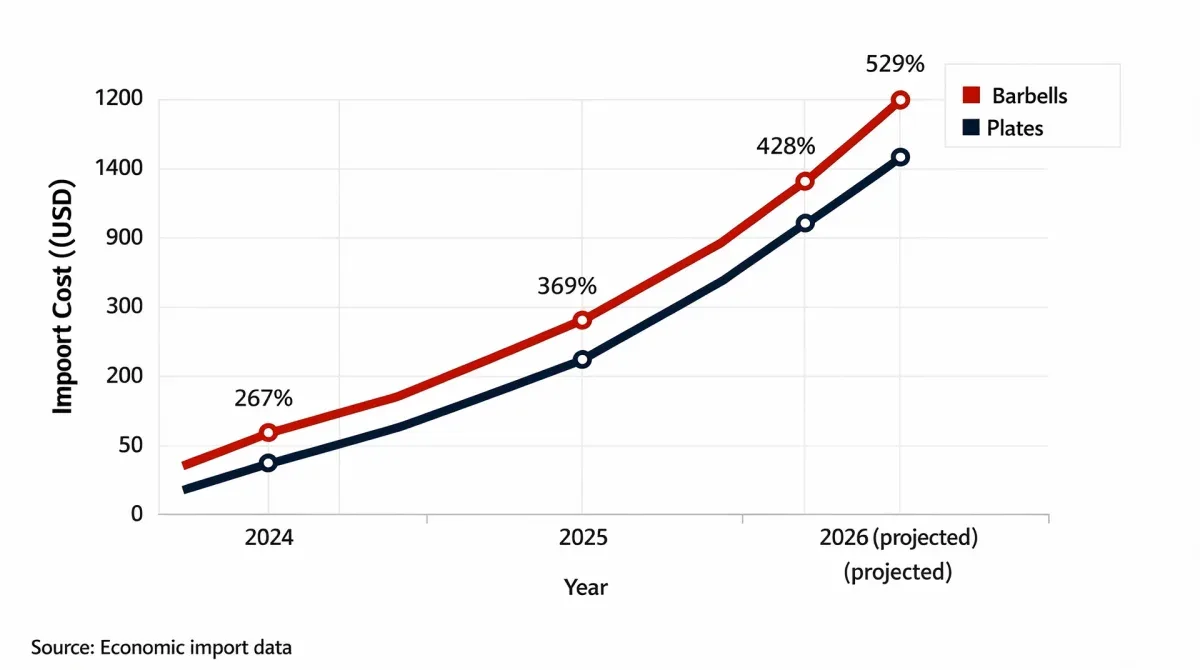
The projection of a 12% price hike on imported barbells and plates is not an arbitrary figure but rather an informed estimate based on an analysis of historical tariff impacts, supply chain dynamics, and the specific nature of the fitness equipment market. When tariffs are imposed, they directly increase the cost for importers. This additional cost is then typically absorbed or passed on to the consumer, leading to higher retail prices.
Several economic mechanisms contribute to this projected increase. Firstly, the direct cost of the tariff itself adds to the product's price. If a 10% tariff is imposed on a $100 imported barbell, its cost immediately rises to $110 before any other expenses. Secondly, there are indirect costs. Importers may face increased administrative burdens, customs delays, and the need to adjust their supply chains, all of which can add to operational expenses. These additional costs are then factored into the final retail price.

Supply Chain Disruptions and Cost Escalation
The global supply chain for fitness equipment is intricate, with many components and finished products originating from various international manufacturers. New tariffs can disrupt these established networks, forcing companies to seek alternative suppliers or renegotiate terms with existing ones. This often leads to increased costs due to:
- Supplier Switching Costs: Finding and vetting new suppliers can be time-consuming and expensive.
- Logistics and Shipping Expenses: Diversifying sourcing might mean longer shipping routes or higher freight costs.
- Reduced Competition: If tariffs disproportionately affect a few key suppliers, it can reduce market competition, allowing remaining suppliers to raise prices.
The cumulative effect of these direct and indirect costs, combined with potential market adjustments by manufacturers and retailers, can easily lead to a significant price increase. The 12% projection takes into account not just the raw tariff percentage but also these cascading effects throughout the supply chain and retail ecosystem. Furthermore, consumer demand for fitness equipment remains strong, which can enable retailers to pass on these increased costs more readily.
Therefore, the projected 12% price hike is a realistic consequence of the proposed 2026 tariff changes, reflecting a combination of direct import taxes, increased operational costs for businesses, and the inherent dynamics of the global fitness equipment supply chain. Both consumers and businesses should brace for these potential adjustments and plan accordingly.
Who Will Be Most Affected by Rising Prices?
The ripple effect of increased prices on imported barbells and plates due to the 2026 tariff changes will be felt across various segments of the fitness community in the US. While the initial burden falls on importers, the costs are invariably passed down the line, affecting businesses and individual consumers. Understanding who will be most impacted helps in preparing for these market shifts.
Small and independent gym owners are likely to face significant challenges. Unlike larger corporate chains that might have greater purchasing power or diversified supply networks, smaller gyms often operate on tighter margins. A 12% increase in the cost of essential equipment like barbells and plates could severely strain their budgets, making it harder to upgrade or replace gear. This could lead to difficult decisions regarding membership fees or the quality of equipment offered.
Impact on Different Stakeholders
The impact will not be uniform, with different stakeholders experiencing varying degrees of pressure:
- Individual Home Gym Enthusiasts: Those building or expanding home gyms will directly see higher prices on retail shelves. This could deter some from investing in quality equipment or force them to delay purchases.
- Small to Medium-Sized Gyms and Fitness Studios: These businesses will face increased capital expenditure for new equipment, potentially impacting their ability to compete with larger facilities or requiring them to raise membership prices.
- Specialty Retailers: Stores focusing on imported fitness equipment will need to adjust their pricing strategies, which could affect sales volume and profitability. They may also need to explore domestic alternatives, if available.
- Fitness Equipment Manufacturers (Domestic): Paradoxically, domestic manufacturers might see a slight advantage as their products become more competitive against higher-priced imports. However, if they rely on imported raw materials or components, their costs could also rise.
Larger fitness chains and big-box retailers might be better positioned to absorb some of the cost increases or negotiate better deals with suppliers due to their volume. However, even they will eventually pass on some of the costs to consumers through slightly higher prices or by cutting back on other amenities. Ultimately, the end-user, whether an individual or a gym member, will bear the brunt of these tariff-driven price hikes, potentially leading to a reevaluation of fitness budgets and choices.
Strategies for Consumers and Businesses to Mitigate Costs
Facing the prospect of a 12% price increase on imported barbells and plates, both consumers and businesses need to adopt proactive strategies to mitigate the financial impact. While some cost increases may be inevitable, smart planning and informed decision-making can help lessen the burden and maintain access to quality fitness equipment.
For individual consumers, timing purchases strategically can be a crucial first step. If you anticipate needing new barbells or plates, consider purchasing them before the 2026 tariffs take full effect. Keeping an eye on pre-tariff sales or clearance events could yield significant savings. Exploring reputable used equipment markets or local sales platforms can also be a cost-effective alternative, though quality and safety should always be prioritized.
Smart Approaches for Businesses
Businesses, particularly gym owners and retailers, have a broader range of strategies to consider:
- Diversify Sourcing: Investigate alternative suppliers, including domestic manufacturers or those from countries not subject to the new tariffs. This can reduce reliance on heavily taxed imports.
- Bulk Purchasing: If feasible, purchasing larger quantities of equipment before the tariffs are implemented can lock in lower prices for a period. This requires careful inventory management and storage capacity.
- Leasing Options: Instead of outright purchasing, businesses could explore leasing agreements for new equipment. This can spread the cost over time and reduce immediate capital outlay, though total costs might be higher in the long run.
- Review Membership Models: Gyms might need to subtly adjust membership fees or introduce premium tiers to offset increased operational costs. Transparency with members about these changes can help maintain trust.
- Focus on Maintenance and Longevity: Investing in high-quality, durable equipment and implementing robust maintenance schedules can extend the lifespan of existing gear, delaying the need for costly replacements.
For both consumers and businesses, staying informed about policy developments and market trends will be key. Subscribing to industry newsletters, following economic news, and engaging with fitness equipment suppliers can provide valuable insights. Ultimately, a combination of foresight, strategic purchasing, and adaptable business models will be essential in navigating the challenges posed by the 2026 tariff changes and their projected price increases.
The Role of Domestic Manufacturing and Innovation
The potential 12% increase in imported barbell and plate prices due to 2026 tariff changes could inadvertently catalyze a significant shift towards domestic manufacturing and innovation within the US fitness industry. When imported goods become more expensive, the competitive landscape changes, making domestically produced alternatives more attractive. This could lead to a resurgence in local production, fostering economic growth and job creation within the United States.
Increased demand for American-made fitness equipment could encourage existing manufacturers to expand their operations and new companies to enter the market. This shift is not merely about avoiding tariffs; it’s also about capitalizing on a renewed interest in locally sourced products, which often come with perceived benefits such as higher quality control, faster delivery times, and reduced environmental footprints due to shorter supply chains.
Opportunities for Growth and Development
- Technological Advancement: Domestic manufacturers may invest in advanced manufacturing technologies, such as automation and precision engineering, to produce high-quality barbells and plates more efficiently and cost-effectively.
- Material Science Research: There could be increased research into alternative, domestically sourced materials that offer similar or superior performance to traditional imported options, reducing reliance on foreign supply chains.
- Customization and Niche Markets: Local producers are often better positioned to cater to specific niche markets or offer customized equipment, providing unique selling propositions that imports might struggle to match.
- Brand Building: American-made products can leverage a 'Made in USA' label, appealing to consumers who prioritize supporting local economies and businesses.
While the initial adjustment period might present challenges, the long-term potential for strengthening the domestic fitness equipment manufacturing sector is substantial. This could lead to a more resilient and self-sufficient industry, less vulnerable to international trade disputes and supply chain disruptions. Furthermore, it could spur innovation in design and functionality, offering consumers a wider array of choices and potentially leading to higher overall product quality in the market.
Ultimately, the 2026 tariff changes, while posing immediate cost concerns, could serve as a powerful impetus for growth and innovation in US domestic manufacturing, fostering a more robust and independent fitness equipment industry.
Long-Term Outlook for Fitness Equipment Pricing and Availability
Looking beyond the immediate impact of the 2026 tariff changes, the long-term outlook for fitness equipment pricing and availability, particularly for barbells and plates, suggests a period of adaptation and potential market restructuring. While an initial 12% price increase is projected, the market’s response to these tariffs will determine the sustained trajectory of costs and the overall accessibility of equipment for consumers and businesses.
In the long run, several factors will influence how prices stabilize or continue to evolve. If domestic manufacturing significantly ramps up and becomes more competitive, it could help offset some of the tariff-driven increases on imports. However, this transition takes time and considerable investment. Alternatively, if tariffs remain high and domestic production cannot fully meet demand, prices could remain elevated or even continue to climb, especially for specialized or high-demand items.
Evolving Market Dynamics
The fitness equipment market is dynamic, and various forces will shape its future:
- Consumer Adaptation: Consumers may adjust their purchasing habits, opting for more budget-friendly alternatives, used equipment, or focusing on multi-functional pieces to maximize value.
- Technological Advancements: Innovations in materials and manufacturing processes could lead to more cost-effective production methods, potentially mitigating some price pressures over time.
- Global Trade Negotiations: Future trade agreements or adjustments to tariff policies could alter the import landscape once again, potentially leading to price reductions or further increases depending on the political climate.
- E-commerce Dominance: The continued growth of online retail might allow for more direct-to-consumer sales, potentially reducing some intermediary costs, but shipping expenses for heavy items like barbells will remain a significant factor.
The availability of fitness equipment might also shift. Initially, there could be temporary shortages if supply chains struggle to adapt to new tariff structures or if manufacturers pivot to domestic production. However, over time, the market is likely to rebalance, with new suppliers emerging and existing ones optimizing their operations. The emphasis will increasingly be on resilience and diversification in sourcing, ensuring that the supply of essential fitness gear remains robust.
Ultimately, the long-term outlook suggests a market that will eventually find a new equilibrium, albeit at potentially higher price points than before the 2026 tariff changes. Both consumers and businesses will need to remain agile, informed, and prepared to adapt to these evolving market conditions to continue pursuing their fitness goals effectively.
| Key Aspect | Brief Description |
|---|---|
| Projected Price Hike | Imported barbell and plate prices expected to rise by 12% due to new 2026 tariffs. |
| Affected Parties | Home gym users, small gyms, and fitness retailers will bear the brunt of increased costs. |
| Mitigation Strategies | Early purchasing, diversifying suppliers, and exploring leasing options can help. |
| Domestic Opportunity | Tariffs may boost US domestic manufacturing and innovation in fitness equipment. |
Frequently Asked Questions About 2026 Tariff Impacts
Why are new tariffs being introduced in 2026?▼New tariffs in 2026 are primarily driven by government efforts to protect domestic industries, correct trade imbalances, or respond to international trade disputes. These policy adjustments aim to level the playing field for local manufacturers and ensure fair trade practices, ultimately affecting the cost of imported goods like barbells and plates.
How will a 12% price increase affect my home gym budget?▼A 12% price increase could significantly impact your home gym budget, making new barbells and plates more expensive. You might need to adjust your purchasing timeline, consider buying used equipment, or explore more budget-friendly alternatives to stay within your financial plan for fitness gear.
Can gym owners avoid these increased costs?▼Gym owners can mitigate increased costs by diversifying equipment suppliers, exploring domestic manufacturing options, or making bulk purchases before tariffs take full effect. Investing in durable equipment and robust maintenance can also extend the lifespan of existing gear, delaying costly replacements due to tariff impacts.
Will the quality of barbells and plates change due to tariffs?▼The quality of barbells and plates shouldn't directly change due to tariffs. However, manufacturers might seek cheaper materials or production methods to offset costs, which could indirectly affect quality. Consumers should prioritize reputable brands and inspect products carefully, regardless of tariff changes, to ensure durability and safety.
Are there any benefits to these tariff changes for the fitness industry?▼While challenging, these tariff changes could benefit the US fitness industry by stimulating domestic manufacturing and innovation. Increased demand for American-made equipment might lead to new jobs, technological advancements, and a more resilient local supply chain, reducing reliance on foreign imports and fostering economic growth within the sector.
Conclusion
The impending 2026 tariff changes pose a significant challenge to the US fitness industry, with a projected 12% increase in imported barbell and plate prices across the nation. This will undoubtedly impact individual consumers looking to equip their home gyms and, more profoundly, small to medium-sized fitness businesses operating on tight margins. While the economic landscape shifts, understanding these changes and implementing proactive strategies, such as diversified sourcing, strategic purchasing, and supporting domestic manufacturing, will be crucial. Ultimately, the fitness community in the US will need to adapt to these new realities, potentially fostering a more resilient and locally focused industry in the long term.
