3-Layer Rule for Cold-Weather Training: Fabrics Rated to 20°F
The 3-layer rule for cold-weather outdoor training is a foundational strategy for maintaining thermal comfort and performance, leveraging specific fabrics to create insulation, wick moisture, and provide weather protection down to 20 degrees Fahrenheit.
When the mercury drops, maintaining your outdoor training routine demands smart preparation. Understanding The 3-Layer Rule for Cold-Weather Outdoor Training: Fabrics Rated Down to 20 Degrees is not just about staying warm; it's about optimizing performance and ensuring safety in challenging conditions. This guide will equip you with the knowledge to conquer the cold, making every workout effective and enjoyable.
Understanding the Core Principles of Layering
The concept of layering is fundamental to cold-weather outdoor training. It's an adaptive system that allows you to regulate your body temperature by adding or removing clothing layers as your activity level and environmental conditions change. This strategy prevents both overheating, which leads to excessive sweating and subsequent chilling, and undereating, which can impair performance and pose health risks.
Effective layering is particularly crucial when temperatures dip to 20 degrees Fahrenheit or below, as the body's ability to maintain its core temperature becomes more challenging. The goal is to create a microclimate around your body that traps warm air while allowing moisture to escape. This delicate balance is achieved through the strategic selection and combination of three distinct layers, each serving a specific purpose.
The Science Behind Thermal Regulation
Our bodies constantly work to maintain a core temperature of approximately 98.6°F (37°C). In cold environments, the body loses heat through conduction, convection, radiation, and evaporation. Layering helps to mitigate these heat losses. Conduction is reduced by insulating layers, convection by wind-resistant outer shells, radiation by reflective materials, and evaporation by moisture-wicking base layers.
- Conduction: Heat transfer through direct contact. Insulating layers trap air, a poor conductor, reducing heat loss.
- Convection: Heat transfer via fluid (air or water) movement. Wind-resistant outer layers prevent cold air from stripping away body heat.
- Radiation: Heat emitted from the body. All layers help to reflect or absorb this heat, keeping it close to the body.
- Evaporation: Heat loss as sweat turns into vapor. Moisture-wicking fabrics are crucial here to move sweat away from the skin.
By thoughtfully combining layers, you create an efficient system that responds to your body's needs, whether you're starting a high-intensity run or cooling down after a strenuous hike. This adaptability is key to comfort and safety in fluctuating cold conditions. The correct choice of fabrics for each layer is paramount in achieving this optimal thermal regulation.
The Base Layer: Your Second Skin for Moisture Management
The base layer is arguably the most critical component of your cold-weather training ensemble, acting as your second skin. Its primary function is to wick moisture—sweat—away from your body. When sweat remains on your skin, it cools rapidly, leading to a significant drop in body temperature through evaporative cooling. This can quickly turn an invigorating workout into a chilling and potentially dangerous experience.
For temperatures down to 20 degrees Fahrenheit, the effectiveness of your base layer is non-negotiable. It needs to be made from materials that are excellent at moving moisture and drying quickly, ensuring your skin stays dry and warm. Natural fibers like merino wool and synthetic options such as polyester blends are top contenders for this role, each offering unique benefits.
Merino Wool: Nature's Performance Fabric
Merino wool is renowned for its exceptional properties, making it an ideal choice for base layers. Its fine fibers are incredibly soft, preventing the itchiness often associated with traditional wool. More importantly, merino wool can absorb a significant amount of moisture without feeling wet, and it continues to insulate even when damp. It also possesses natural antimicrobial properties, which help to resist odor buildup, a significant advantage for multi-day trips or extended training sessions.
- Moisture Wicking: Efficiently draws sweat away from the skin.
- Insulation: Provides warmth even when wet.
- Odor Resistance: Naturally inhibits bacterial growth.
- Breathability: Allows excess heat and moisture vapor to escape.
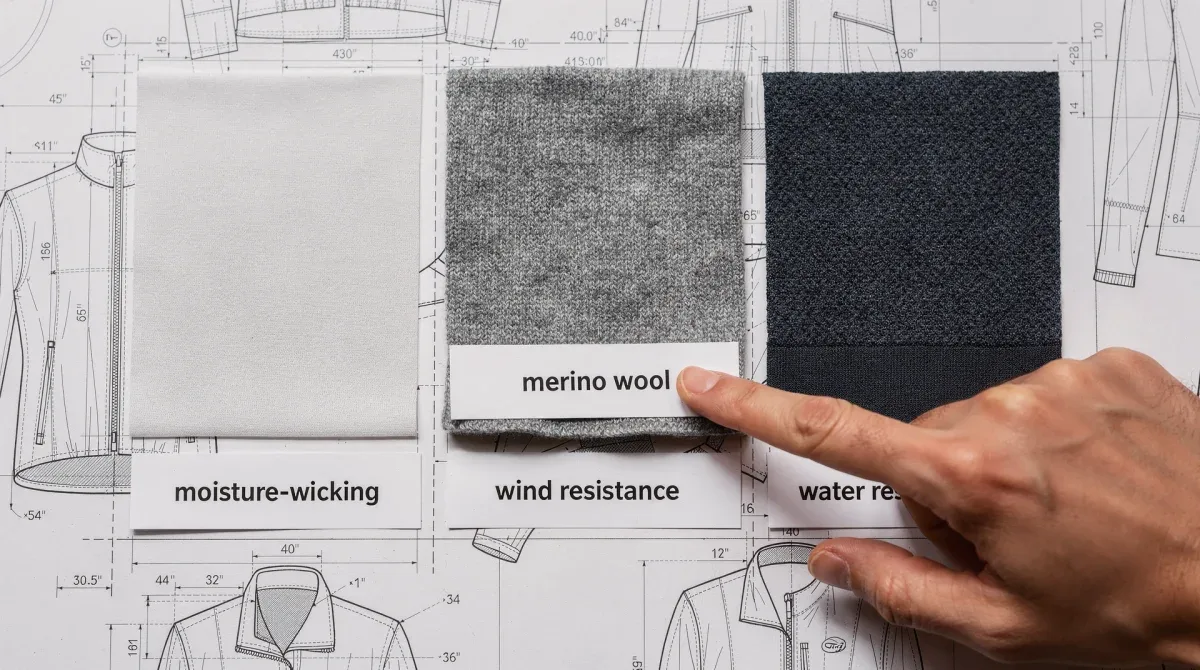
Merino wool base layers come in various weights, from lightweight for moderate cold to heavyweight for extreme conditions. For training at 20 degrees Fahrenheit, a mid-weight merino wool base layer often strikes the perfect balance between warmth and breathability, allowing for strenuous activity without overheating.

Synthetic Fabrics: Engineered for Performance
Synthetic base layers, typically made from polyester, polypropylene, or blends thereof, offer another excellent solution for moisture management. These fabrics are engineered to excel at wicking sweat and drying rapidly, often surpassing merino wool in drying speed. They are also generally more durable and less expensive than merino wool, making them a popular choice for athletes.
The downside to some synthetics can be their tendency to retain odors more readily than merino wool, though many modern synthetic base layers incorporate antimicrobial treatments to combat this. When selecting a synthetic base layer, look for terms like "technical fabric," "performance knit," or "quick-dry" to ensure you're getting a material designed for active use in cold temperatures. For 20-degree training, a mid-weight synthetic base layer provides reliable moisture management and warmth.
The Mid Layer: Crucial for Insulation and Warmth
Once your base layer is effectively managing moisture, the mid layer steps in to provide the critical insulation needed to trap body heat and keep you warm. This layer is the primary insulator, and its effectiveness directly correlates with its ability to hold warm air close to your body. For temperatures around 20 degrees Fahrenheit, a well-chosen mid layer is essential for preventing hypothermia and maintaining comfort during prolonged outdoor activity.
The best mid layers are made from materials that offer high warmth-to-weight ratios, meaning they provide significant insulation without being bulky or heavy. This allows for freedom of movement, which is vital for any type of outdoor training. Fleece, down, and synthetic insulations are the most common and effective choices for this layer.
Fleece: Versatile and Reliable
Fleece, typically made from polyester, is a perennial favorite for mid layers due to its excellent insulating properties, breathability, and quick-drying nature. The brushed fibers of fleece create air pockets that trap warm air, providing effective insulation. It's also relatively inexpensive and durable, making it a practical choice for many athletes.
- Insulation: Traps air efficiently to provide warmth.
- Breathability: Allows moisture vapor to escape, preventing clamminess.
- Quick-Drying: Maintains warmth even if it gets slightly damp.
- Lightweight: Offers warmth without significant bulk.
Fleece comes in various weights: lightweight, mid-weight, and heavy-weight. For training in 20-degree weather, a mid-weight or even heavy-weight fleece might be appropriate, depending on your activity level and personal cold tolerance. Some fleece garments also feature grid patterns or different fabric densities to optimize breathability and warmth in specific areas.
Down and Synthetic Insulations: High-Performance Warmth
For even greater warmth-to-weight ratios, especially during less aerobic activities or in extremely cold conditions, down or synthetic insulated jackets can serve as excellent mid layers. Down, made from the soft under-feathers of ducks or geese, is incredibly warm, lightweight, and compressible. Its main drawback is that it loses much of its insulating power when wet.
Synthetic insulations, like PrimaLoft or Thinsulate, are designed to mimic down's properties but perform better when damp. They are often a more practical choice for high-output activities where there's a risk of getting wet from sweat or precipitation. These insulations are typically found in puffy jackets or vests, offering concentrated warmth. For 20-degree training, a thin, packable synthetic insulated jacket can be an ideal mid layer, especially if you anticipate periods of lower activity or need extra warmth.
The Outer Layer: Your Shield Against the Elements
The outer layer, often called the shell, is your first line of defense against the harsh realities of cold weather: wind, snow, and rain. Its primary function is to protect your inner layers from the elements, ensuring they can perform their moisture-wicking and insulating duties effectively. Without a proper outer layer, even the best base and mid layers will struggle to keep you warm and dry when exposed to the full force of winter.
When training in temperatures down to 20 degrees Fahrenheit, your outer layer needs to be both windproof and water-resistant (or waterproof, depending on conditions) while still allowing some breathability. This balance is crucial to prevent the "greenhouse effect" where moisture builds up inside the jacket, leading to dampness and chilling.
Windproof and Water-Resistant Shells
For most 20-degree Fahrenheit training scenarios, a windproof and water-resistant shell is often sufficient. These jackets are typically made from tightly woven synthetic fabrics that block wind effectively and shed light snow or rain. They are also generally more breathable than fully waterproof jackets, which is a significant advantage during high-intensity activities where you'll be generating a lot of heat and sweat.
Look for jackets with features like adjustable cuffs, drawcords at the hem, and a good hood. These details allow you to seal out drafts and customize the fit, enhancing your protection. Softshell jackets are a popular choice in this category, offering a good balance of weather protection, breathability, and flexibility.
Waterproof and Breathable Shells
If you anticipate heavy snowfall, sleet, or freezing rain, a fully waterproof and breathable shell is necessary. Materials like Gore-Tex, eVent, or proprietary waterproof-breathable membranes are designed to completely block liquid water from entering while still allowing water vapor (sweat) to escape. This technology is crucial for staying dry in truly adverse conditions.
- Waterproof: Prevents rain, snow, and sleet from penetrating.
- Windproof: Blocks cold winds from stripping body heat.
- Breathable: Allows sweat vapor to escape, reducing internal clamminess.
- Durable: Designed to withstand harsh outdoor environments.
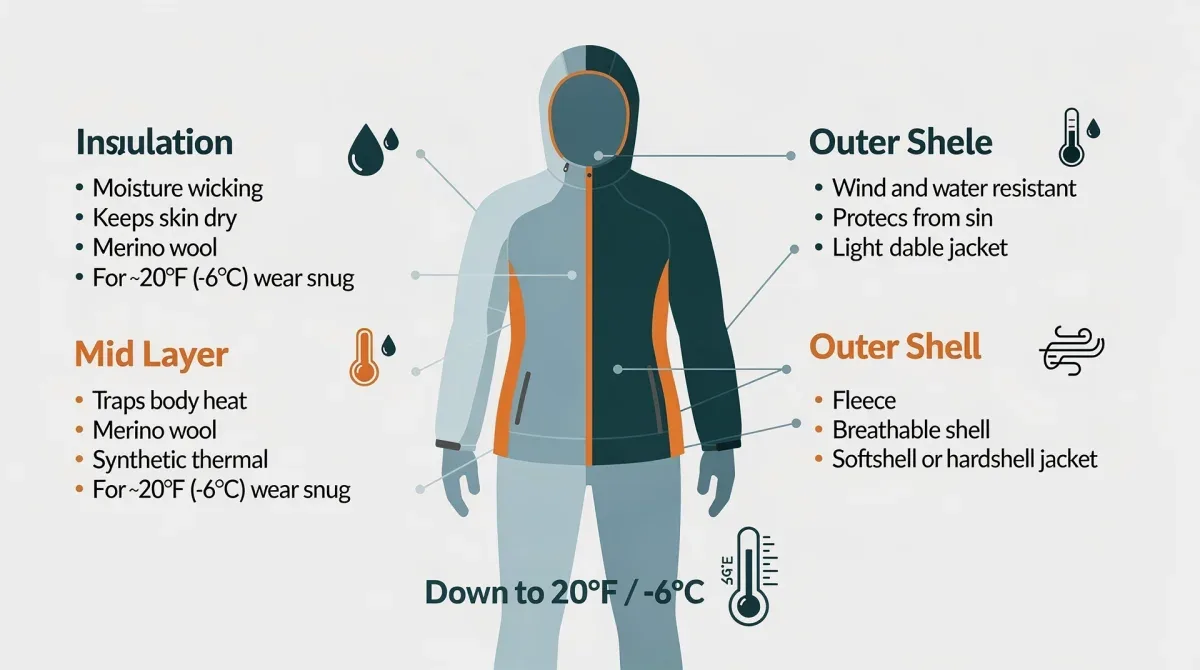
While waterproof shells offer superior protection, they can sometimes be less breathable than water-resistant options. Consider features like pit zips (zippers under the arms) to enhance ventilation during high-output activities. The choice between a water-resistant and a waterproof shell ultimately depends on the specific weather forecast and the intensity of your training. However, having both options available provides maximum versatility for cold-weather training.
Choosing the Right Fabrics for 20-Degree Training
Selecting the appropriate fabrics for each layer is paramount to the success of the 3-layer rule, especially when training in temperatures around 20 degrees Fahrenheit. The wrong fabric can undermine the entire system, leading to discomfort or even dangerous situations. Each layer has specific material requirements to perform its function optimally, working in concert to keep you warm, dry, and comfortable.
Understanding the properties of different materials will empower you to make informed decisions, whether you're investing in new gear or optimizing your existing wardrobe. The key is to avoid cotton at all costs, as it absorbs moisture and dries slowly, becoming cold and heavy when wet. Focus instead on performance-oriented natural and synthetic fibers.
Base Layer Fabric Considerations
For the base layer, the choice typically boils down to merino wool or synthetic polyester/polypropylene blends. Both are excellent at wicking moisture. Merino wool offers superior odor resistance and insulation even when damp, making it a great choice for longer outings or when you might be less active. Synthetics, on the other hand, often dry faster and are more durable and cost-effective. For 20-degree weather, a mid-weight base layer in either material is generally recommended.
Mid Layer Fabric Considerations
The mid layer's primary role is insulation. Fleece (polyester) is a versatile and affordable option, providing good warmth-to-weight and breathability. For colder conditions or less active periods, a thin down or synthetic insulated jacket can offer superior warmth without excessive bulk. When choosing, consider the balance between warmth, packability, and how much activity you'll be doing. A mid-weight fleece or a light synthetic puffy jacket is ideal for 20°F.
Outer Layer Fabric Considerations
The outer layer needs to be a barrier against wind and precipitation. Softshell fabrics (often polyester/spandex blends) provide excellent wind resistance and water repellency for light snow or drizzle, coupled with good breathability. For wet conditions, a hard shell with a waterproof-breathable membrane (e.g., Gore-Tex, nylon/polyester with DWR) is essential. Prioritize windproofness for 20-degree weather, as wind chill can significantly lower the perceived temperature. Ensure your chosen outer layer allows your base and mid layers to breathe, preventing internal moisture buildup. The right combination of these fabrics ensures a robust system for cold-weather training.
Practical Tips for Layering Success and Safety
Beyond simply understanding the three layers, successful cold-weather outdoor training down to 20 degrees Fahrenheit involves several practical considerations and safety precautions. Proper planning, attention to detail, and a willingness to adapt are crucial for a comfortable and safe experience. Always remember that your body's response to cold can vary based on individual metabolism, activity level, and overall health.
These tips extend beyond just clothing, encompassing hydration, nutrition, and recognizing the signs of cold-related stress. Integrating these practices with your layering strategy will significantly enhance your ability to train effectively in winter conditions.
Adjusting Layers on the Go
One of the key advantages of the 3-layer system is its adaptability. Start your workout feeling slightly cool, as your body will generate significant heat once you begin exercising. As you warm up, be prepared to shed layers, typically starting with the mid-layer, to prevent overheating and excessive sweating. Conversely, if you stop for a break or your activity level drops, quickly put layers back on to retain warmth. Having a small backpack to carry extra layers is essential.
- Start Cool: Dress as if it's 10-20 degrees warmer than it actually is.
- Monitor Body Temperature: Pay attention to how you feel – if you're sweating, it's time to vent or remove a layer.
- Quick Adjustments: Don't wait until you're uncomfortably hot or cold to make changes.
- Carry a Pack: Always have space to store removed layers.
Head, Hands, and Feet: Critical Areas for Heat Retention
While the 3-layer rule focuses on your torso, extremities are often the first to feel the cold. Up to 50% of body heat can be lost through an uncovered head. Always wear a warm hat or headband that covers your ears. For hands, a pair of insulated gloves or mittens is crucial. Mittens generally offer more warmth than gloves because they allow your fingers to share warmth. For feet, wear moisture-wicking socks (merino wool or synthetic) and insulated, waterproof footwear that provides good traction on icy or snowy surfaces. Ensure your shoes are not too tight, as this can restrict circulation and make your feet colder.
Remember to stay hydrated, as dehydration can impair your body's ability to regulate temperature. Bring warm fluids in an insulated bottle. Also, ensure you've eaten enough calories to fuel your body's heat production. By combining smart layering with these practical tips, you can confidently tackle cold-weather outdoor training down to 20 degrees Fahrenheit.
Common Mistakes and How to Avoid Them
Even with a solid understanding of the 3-layer rule, it's easy to fall into common traps that can compromise your comfort and safety during cold-weather outdoor training. Recognizing and avoiding these mistakes is just as important as knowing which fabrics to choose. When temperatures drop to 20 degrees Fahrenheit, small errors in judgment can have a magnified impact on your experience and performance.
From improper fabric choices to neglecting critical accessories, these pitfalls can turn an otherwise enjoyable workout into a miserable ordeal. Being proactive and mindful of these common missteps will help you optimize your layering strategy and ensure a successful winter training season.
The Cotton Catastrophe
One of the most significant and frequently made mistakes is wearing cotton as a base layer. Cotton absorbs moisture like a sponge and, once wet, loses all its insulating properties. It then takes a very long time to dry, drawing heat away from your body through evaporative cooling. This phenomenon is often summarized by the outdoor adage, "Cotton kills." Always opt for merino wool or synthetic materials for the base layer to ensure effective moisture wicking and insulation.
Over-Dressing at the Start
It's tempting to bundle up excessively when stepping out into 20-degree weather, but over-dressing at the beginning of your workout is a common error. Your body will generate a significant amount of heat once you start exercising, and if you're already too warm, you'll quickly begin to sweat profusely. This excess moisture will then chill you when you slow down or stop, defeating the purpose of your layers. The goal is to feel slightly cool when you first step outside, anticipating that your body heat will quickly bring you to a comfortable temperature.
Neglecting Head, Hands, and Feet
While the 3-layer rule focuses on the torso, neglecting your extremities is a critical mistake. A significant amount of body heat can be lost through an uncovered head, and cold hands and feet can quickly lead to discomfort or even frostbite. Always wear a warm hat, insulated gloves or mittens, and appropriate moisture-wicking socks with insulated, waterproof footwear. These accessories are not optional; they are integral to maintaining overall body warmth in cold conditions. By avoiding these common layering mistakes, you can significantly enhance your comfort, performance, and safety during cold-weather outdoor training.
| Layer Function | Recommended Fabrics |
|---|---|
| Base Layer (Moisture Wicking) | Merino wool, Polyester, Polypropylene blends. |
| Mid Layer (Insulation) | Fleece (Polyester), Down, Synthetic insulations. |
| Outer Layer (Weather Protection) | Windproof softshell, Waterproof-breathable hard shell (Gore-Tex). |
| Key Principle | Avoid cotton, adjust layers dynamically, protect extremities. |
Frequently Asked Questions About Cold-Weather Layering
Why is cotton not recommended for cold-weather layering?▼Cotton is unsuitable for cold-weather layering because it absorbs moisture and dries very slowly. Once wet from sweat, it loses its insulating properties, drawing heat away from your body and making you feel cold, which can be dangerous in low temperatures like 20 degrees Fahrenheit.
What's the best base layer fabric for 20-degree Fahrenheit training?▼For training in 20-degree Fahrenheit weather, both merino wool and synthetic polyester/polypropylene blends are excellent. Merino wool offers superior odor resistance and insulates well even when damp, while synthetics excel in quick-drying properties and durability. A mid-weight option in either material is ideal.
Should my outer layer be waterproof or just water-resistant?▼The choice depends on the precipitation. For light snow or drizzle, a windproof, water-resistant softshell is often sufficient and more breathable. If heavy snow, sleet, or freezing rain is expected, a fully waterproof and breathable hard shell (e.g., Gore-Tex) is essential to stay dry and protected.
How do I prevent overheating while layering for cold weather?▼To prevent overheating, start your workout feeling slightly cool, as your body will generate heat. Be prepared to shed layers, typically starting with the mid-layer, as your activity level increases. Using breathable fabrics for all layers also helps regulate temperature and prevent excessive sweating.
Are head, hands, and feet important for cold-weather layering?▼Absolutely. Head, hands, and feet are crucial for heat retention. A significant amount of body heat can be lost through an uncovered head. Always wear a warm hat, insulated gloves or mittens, and moisture-wicking socks with insulated, waterproof footwear to maintain overall body warmth and prevent frostbite.
Conclusion
Mastering the 3-Layer Rule for Cold-Weather Outdoor Training: Fabrics Rated Down to 20 Degrees is an indispensable skill for anyone committed to maintaining their fitness regimen through the winter months. By strategically selecting base layers for moisture management, mid layers for insulation, and outer layers for weather protection, you create an adaptable system that ensures comfort, safety, and optimal performance in challenging conditions. The right fabrics – merino wool, synthetics, fleece, down, and waterproof-breathable membranes – are your allies in this endeavor, providing the technical performance needed to thrive. Remember to avoid cotton, adjust your layers dynamically, and always protect your extremities. With these principles in mind, you can confidently embrace the crisp air and serene landscapes of winter, transforming cold-weather training from a challenge into a rewarding experience.
