7,500 Daily Steps: The Optimal Path to Longevity After 35
Emerging research suggests that aiming for 7,500 daily steps could offer superior benefits for longevity biomarkers in adults over 35 compared to the widely popularized 10,000-step goal, optimizing health outcomes with a more attainable target.
Have you ever wondered if the popular 10,000-step goal is truly the magic number for health and longevity? Recent scientific insights are shifting this paradigm, suggesting that for adults over 35, targeting 7,500 daily steps might actually outperform the higher benchmark when it comes to improving longevity biomarkers. This article delves into the compelling reasons behind this revised recommendation, offering a fresh perspective on effective physical activity for lasting well-being.
The 10,000-step myth: understanding its origins and limitations
The ubiquitous 10,000-step goal has been ingrained in our collective consciousness as the gold standard for daily physical activity. For decades, fitness trackers and health campaigns have promoted this number, leading many to believe it's the undisputed target for optimal health. However, the origin of this figure is less scientific and more a product of clever marketing, emerging from a Japanese pedometer company in the 1960s.
While the goal certainly encouraged more movement, recent research indicates that for certain demographics, particularly adults over 35, a different target might yield more significant health benefits. It's crucial to understand that while any movement is better than none, optimizing our efforts based on current scientific understanding can lead to more efficient and sustainable health improvements. The limitations of a one-size-fits-all approach become apparent when we examine the nuanced effects of physical activity on our bodies as we age.
The genesis of the 10,000-step recommendation
- Marketing rather than science: The 10,000-step target was popularized by a Japanese company marketing a pedometer called "Manpo-kei," which translates to "10,000-step meter." This was a catchy number that resonated with the public.
- General health benefits: While not scientifically derived for specific outcomes, walking 10,000 steps generally promotes increased physical activity, contributing to better cardiovascular health and weight management.
- Lack of personalized data: The initial promotion did not consider individual variations in age, fitness levels, or specific health goals, which are critical factors in determining optimal activity levels.
The assumption that more steps automatically equate to proportionally greater health benefits isn't always accurate, especially when we consider the body's adaptive responses and the potential for diminishing returns. For individuals over 35, the focus shifts from simply accumulating steps to achieving a dose of activity that maximally impacts biomarkers associated with longevity without leading to overexertion or burnout.
In conclusion, while the 10,000-step goal served a valuable purpose in promoting activity, a deeper dive into scientific literature reveals that a more tailored approach, specifically around 7,500 steps, may be more beneficial for adults over 35 aiming for enhanced longevity biomarkers. This understanding allows for a more targeted and effective approach to daily movement.
Longevity biomarkers: what they are and why they matter
When we discuss longevity, we're not just talking about living longer, but living healthier for longer. This concept is deeply intertwined with what scientists call longevity biomarkers. These are measurable indicators in our bodies that reflect our biological age and risk of age-related diseases, providing a window into our overall health trajectory. Understanding these markers is key to appreciating why specific levels of physical activity are more beneficial than others.
These biomarkers include everything from cardiovascular health indicators like blood pressure and cholesterol levels, to metabolic markers such as insulin sensitivity and glucose regulation. They also encompass inflammatory markers, telomere length (which relates to cellular aging), and even cognitive function. By influencing these biomarkers positively, we can actively work towards extending our healthspan, not just our lifespan.
Key longevity biomarkers influenced by physical activity
- Cardiovascular health: Regular walking improves blood pressure, reduces LDL cholesterol, and increases HDL cholesterol, all vital for a healthy heart and reduced risk of heart disease.
- Metabolic function: Physical activity enhances insulin sensitivity, helping the body manage blood sugar more effectively and reducing the risk of type 2 diabetes.
- Inflammation: Chronic low-grade inflammation is a driver of many age-related diseases. Moderate physical activity, such as walking, helps reduce systemic inflammation.
- Cellular aging: Exercise can positively impact telomere length, which is a key indicator of cellular aging. Longer telomeres are associated with greater longevity.
- Bone density: Weight-bearing activities like walking help maintain and improve bone density, crucial for preventing osteoporosis and fractures in later life.
The cumulative effect of consistently improving these biomarkers is a significantly reduced risk of chronic diseases, enhanced physical function, and a better quality of life as we age. It's not just about adding years to your life, but life to your years. This holistic view of health underscores the importance of precise activity recommendations.
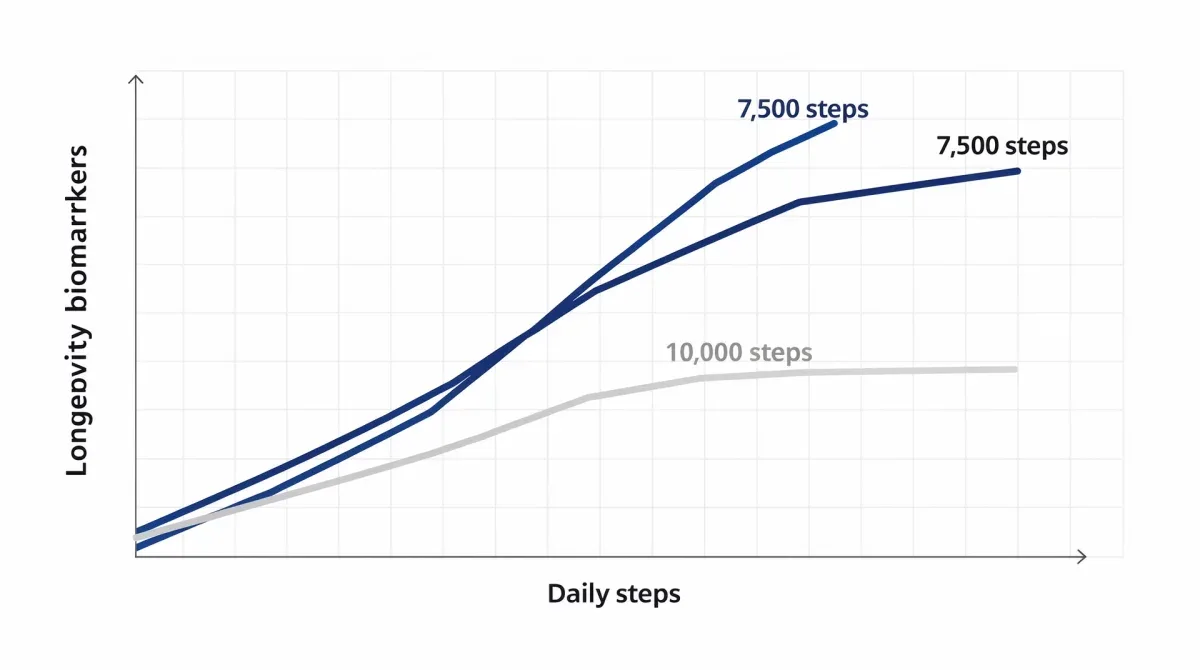
Moreover, the impact of physical activity on mood and cognitive health also plays a role in overall longevity. Exercise is known to reduce stress, improve sleep quality, and boost brain function, all contributing to a more robust and resilient system. Therefore, when we speak of 7,500 daily steps, we are referring to a level of activity that optimally targets these critical indicators for adults over 35.
In summary, understanding longevity biomarkers is fundamental to grasping why specific step counts are more beneficial. These markers offer a scientific basis for tailoring our physical activity to achieve truly meaningful, long-term health benefits.
The scientific shift: why 7,500 steps is gaining traction
Recent studies have begun to challenge the long-held belief that more steps always equate to better health outcomes, especially when it comes to specific longevity markers in adults over 35. This scientific shift is not about minimizing the importance of physical activity, but rather optimizing its dosage for maximum benefit without unnecessary exertion or potential diminishing returns.
A growing body of research suggests that the sweet spot for significant improvements in cardiovascular health, reduced mortality risk, and enhanced metabolic function might actually lie around the 7,500-step mark. Beyond this point, while there are still benefits, the incremental gains tend to level off, particularly for the biomarkers most closely linked to long-term health and disease prevention.
Recent research findings supporting 7,500 steps
Several pivotal studies have contributed to this emerging consensus. One notable study published in JAMA Internal Medicine found that older women who walked approximately 4,400 steps per day had significantly lower mortality rates than those who walked 2,700 steps. The benefits continued to increase until about 7,500 steps, after which they leveled off, with no additional reduction in mortality risk beyond that point.
Another study, focusing on middle-aged adults, observed similar patterns. Participants who consistently achieved around 7,500 steps per day showed better arterial health and a lower incidence of hypertension compared to those who walked fewer steps. Crucially, the benefits did not significantly increase for those who pushed towards 10,000 steps or more, suggesting an optimal plateau.
These findings are critical because they provide evidence-based guidance that is both effective and achievable for a broad segment of the population, especially adults navigating busy lives who might find 10,000 steps daunting.

Optimal impact on specific biomarkers
- Cardiovascular benefits: Studies show significant improvements in blood pressure and arterial stiffness up to 7,500 steps, with marginal additional gains beyond this.
- Metabolic health: Insulin sensitivity and glucose control show substantial positive responses within this step range, helping to prevent metabolic syndrome.
- Inflammation reduction: The anti-inflammatory effects of regular moderate activity appear to be optimized around 7,500 steps, contributing to overall health.
The consistency across various studies and diverse populations underscores the robustness of this new recommendation. It suggests that rather than striving for an arbitrary high number, a more precise, scientifically supported target can lead to more sustainable and impactful health outcomes. This evidence empowers adults over 35 to set realistic and highly effective fitness goals.
Achieving 7,500 daily steps: practical tips for adults over 35
Transitioning from a sedentary lifestyle or adjusting your current fitness routine to consistently hit 7,500 daily steps doesn't have to be overwhelming. For adults over 35, integrating more movement into daily life requires a blend of intentional planning and creative solutions. The key is to make walking a natural, enjoyable part of your routine, rather than a chore.
Start by assessing your current activity level. Many fitness trackers can provide a baseline. From there, aim for gradual increases, perhaps an extra 500-1000 steps per day each week, until you comfortably reach your target. Consistency is more important than intensity, especially when building a new habit.
Incorporating movement into your daily routine
- Morning walks: Begin your day with a brisk 20-30 minute walk. This can easily add 2,000-3,000 steps and boost your energy levels for the day.
- Active commuting: If possible, walk or bike part of your commute. Even parking further away or getting off a stop early can significantly increase your step count.
- Workday movement: Take short walking breaks every hour. Walk to a colleague's desk instead of emailing, use stairs instead of elevators, or take a walking meeting.
- Evening strolls: A post-dinner walk can aid digestion and contribute to your daily goal. Make it a family activity for added motivation.
- Weekend adventures: Explore local parks, hiking trails, or simply walk around your neighborhood. Weekends offer ample opportunities for longer, more enjoyable walks.
Beyond structured walks, look for small opportunities to move more. Pace while on the phone, do household chores with more vigor, or walk around the block while waiting for appointments. These seemingly small additions accumulate quickly over the day.

Leveraging technology and community
Fitness trackers and smartphone apps can be incredibly motivating, providing real-time feedback on your step count and progress. Many apps also offer challenges or connect you with friends, fostering a sense of community and friendly competition. Joining a walking group or finding a walking buddy can also provide accountability and make the activity more enjoyable.
Remember, the goal is sustainable behavior change. Find what works best for your lifestyle and preferences. The journey to 7,500 daily steps is a personal one, but with a few practical strategies, it's an entirely achievable and highly rewarding endeavor for your long-term health.
Beyond steps: integrating intensity and variety for holistic health
While achieving 7,500 daily steps is a phenomenal foundation for longevity, a truly holistic approach to health for adults over 35 extends beyond just step count. Integrating varying levels of intensity and a diverse range of physical activities can further enhance health benefits, targeting different physiological systems and preventing plateaus. It's about smart movement, not just more movement.
Consider incorporating bursts of higher intensity into your walks, such as power walking for a few minutes, or adding inclines. This elevates your heart rate, improving cardiovascular fitness more effectively. Variety also helps engage different muscle groups, reduces the risk of overuse injuries, and keeps your routine engaging, preventing boredom.
Adding intensity to your walks
- Interval walking: Alternate between brisk walking (where you can talk but not sing) and a more moderate pace. For example, 3 minutes brisk, 2 minutes moderate.
- Hill training: Seek out routes with inclines or use the incline function on a treadmill. Walking uphill engages glutes and hamstrings more intensely.
- Weighted vests: For those without joint issues, a light weighted vest can increase the caloric burn and muscle engagement of your walks.
Beyond walking, integrating other forms of exercise is crucial. Strength training, for instance, becomes increasingly important for adults over 35 to combat age-related muscle loss (sarcopenia) and maintain bone density. Aim for 2-3 sessions of full-body strength training per week, using bodyweight, resistance bands, or free weights.
Variety in your fitness routine
To truly optimize your health, consider activities that challenge your balance, flexibility, and core strength. Yoga, Pilates, and tai chi are excellent options that contribute to overall mobility and reduce the risk of falls as you age. Swimming or cycling offer low-impact cardiovascular benefits that are gentle on joints.
The goal is to create a well-rounded fitness regimen that supports all aspects of your physical well-being. This multifaceted approach ensures that you're not just moving more, but moving smarter, fostering a resilient body capable of enjoying life to the fullest for many years to come.
In conclusion, while 7,500 steps provides an excellent baseline, combining it with varied intensity and other forms of exercise creates a powerful strategy for comprehensive health and longevity in adults over 35.
The psychological benefits of an achievable fitness goal
The pursuit of health and longevity isn't solely physical; it's deeply intertwined with our mental and emotional well-being. For adults over 35, setting and achieving realistic fitness goals like 7,500 daily steps offers significant psychological benefits that contribute to overall health and sustained motivation. The difference between feeling perpetually behind and consistently successful can be profound.
When a goal feels unattainable, it often leads to frustration, burnout, and eventually, abandonment. The 10,000-step target, while well-intentioned, can sometimes feel overwhelming, especially for those with demanding schedules or existing health conditions. A more accessible target, such as 7,500 steps, transforms the journey from a daunting climb into a series of manageable, rewarding achievements.
Building self-efficacy and confidence
Successfully reaching a daily step goal, even if it's slightly lower than the traditionally promoted one, builds self-efficacy—your belief in your ability to succeed in specific situations. Each day you hit 7,500 steps, you reinforce a positive self-image and gain confidence in your capacity to maintain healthy habits. This positive feedback loop is crucial for long-term adherence to any fitness regimen.
Moreover, the sense of accomplishment reduces stress and can improve mood. Physical activity, particularly walking outdoors, is a known antidepressant and anxiolytic. The psychological boost from consistent achievement contributes directly to better mental health, which is a key component of longevity.
Reduced pressure and increased enjoyment
- Lower stress levels: Knowing that your target is achievable reduces the pressure to constantly strive for an extreme number, leading to a more enjoyable and sustainable routine.
- Greater consistency: When a goal feels manageable, you are more likely to stick with it daily, turning it into a consistent habit rather than an occasional burst of effort.
- Enhanced motivation: Regular success fuels motivation. Seeing consistent progress towards 7,500 steps keeps you engaged and less likely to give up.
- Positive outlook: A sense of control over your health goals fosters a more positive outlook on aging and the ability to maintain vitality.
The psychological benefits extend beyond individual feelings. When fitness is enjoyable and sustainable, it's easier to integrate it into a family or social routine, fostering healthier habits for loved ones as well. This ripple effect further enhances overall well-being and life satisfaction.
In essence, choosing a scientifically optimized and psychologically achievable goal like 7,500 daily steps is not just about physical health; it's about nurturing a positive relationship with movement, building confidence, and sustaining a joyful, active lifestyle for years to come.
Personalizing your step goal: listening to your body
While 7,500 daily steps emerges as a highly effective target for longevity biomarkers in adults over 35, it's crucial to remember that this is a general guideline, not an absolute mandate. The most effective fitness plan is always one that is personalized and responsive to your unique body, health status, and lifestyle. Listening to your body is paramount in tailoring any physical activity goal.
Factors such as existing health conditions, recovery needs, daily energy levels, and even environmental factors can influence what an optimal step count looks like for you. The aim is to find a sustainable level of activity that challenges you without causing undue stress or injury. This flexibility ensures long-term adherence and maximizes benefits.
Factors influencing your ideal step count
- Current fitness level: If you are largely sedentary, starting with 7,500 steps might be too ambitious. Begin with a lower, achievable number and gradually increase.
- Health conditions: Individuals with chronic conditions (e.g., arthritis, heart disease) may need to consult a healthcare professional to determine safe and effective step goals.
- Recovery needs: Intense workouts or physically demanding jobs might mean a slightly lower step count on certain days is more appropriate for adequate recovery.
- Daily energy levels: Some days you'll feel more energetic than others. Adjust your activity level accordingly, aiming for consistency over perfection.
The beauty of a step-based goal is its adaptability. On days when you feel great, you might naturally exceed 7,500 steps. On days when you're feeling low on energy or recovering, hitting a slightly lower number is still a win, as long as you maintain overall consistency. The goal is progress, not perfection.
Pay attention to how your body feels: are you experiencing undue fatigue, joint pain, or increased stress? These could be signs that you're pushing too hard or need to adjust your approach. Conversely, if you feel energized and capable of more, consider adding short bursts of higher intensity or extending your walks.
Ultimately, the science points to 7,500 steps as a highly beneficial target for adults over 35, but your personal journey should be guided by self-awareness and self-compassion. Use the scientific evidence as a powerful tool to inform your choices, but always prioritize what feels right and sustainable for your individual path to longevity.
| Key Point | Brief Description |
|---|---|
| 7,500 Steps Optimal | Emerging research suggests 7,500 daily steps is highly effective for longevity biomarkers in adults over 35. |
| 10,000 Steps Myth | The 10,000-step goal originated from marketing, not specific scientific evidence for all demographics. |
| Longevity Biomarkers | Measurable indicators like cardiovascular health, metabolic function, and inflammation are positively impacted. |
| Achievable Goal | 7,500 steps is more attainable, leading to greater consistency and psychological benefits for sustained health. |
Frequently asked questions about daily steps and longevity
Why is 7,500 steps considered better than 10,000 for longevity in adults over 35?▼Recent scientific studies indicate that for adults over 35, the most significant improvements in longevity biomarkers, such as cardiovascular health and reduced mortality risk, tend to plateau around 7,500 daily steps. Beyond this point, the incremental health benefits are often negligible, making 7,500 a more efficient and sustainable target.
What are longevity biomarkers, and how do steps influence them?▼Longevity biomarkers are measurable indicators in the body reflecting biological age and disease risk, including blood pressure, cholesterol, insulin sensitivity, and inflammation. Regular steps, particularly around 7,500, positively impact these markers by improving cardiovascular function, metabolic health, and reducing chronic inflammation, thereby promoting a longer, healthier life.
How can I effectively incorporate 7,500 steps into my busy schedule?▼Integrating 7,500 steps can be achieved through morning walks, active commuting, taking walking breaks at work, using stairs, and evening strolls. Breaking up your activity throughout the day, even with short bursts of movement, can help accumulate steps without requiring large blocks of dedicated exercise time. Consistency is key.
Is intensity important, or is just accumulating steps enough?▼While accumulating steps is a great start, integrating intensity is highly beneficial. Incorporating brisk walking intervals, tackling inclines, or adding light weights can further enhance cardiovascular fitness and engage more muscle groups. This varied approach offers a more holistic health benefit beyond just the step count itself.
Should I still aim for 10,000 steps if I feel good doing it?▼If you enjoy and comfortably achieve 10,000 steps without undue fatigue or stress, there's no harm in continuing. The research simply suggests that for longevity biomarkers in adults over 35, the primary benefits are often realized at 7,500 steps, making it an optimal, more attainable goal for many to focus on for sustained health.
Conclusion
The journey to lasting health and longevity is continuously refined by scientific discovery. For adults over 35, the evidence strongly suggests that focusing on a target of 7,500 daily steps is a more effective and sustainable strategy for positively impacting crucial longevity biomarkers than the traditional 10,000-step goal. This isn't about doing less, but about optimizing your efforts for maximum biological benefit and greater psychological sustainability. By embracing this evidence-based approach and integrating practical strategies for movement, you can build a robust foundation for a healthier, more vibrant future. Remember to listen to your body, personalize your approach, and enjoy the profound benefits of consistent, smart physical activity.
