AI-Driven Biofeedback Tech: Gyms Cut Injury Rates by 27%
Commercial gyms are rapidly adopting AI-driven biofeedback technology, leading to a remarkable 27% reduction in member injury rates by providing real-time form correction and personalized exercise adjustments, fundamentally transforming workout safety and effectiveness.
An exciting shift is underway in the fitness world: commercial gyms are embracing advanced technology. This AI Biofeedback Injury Prevention is not just a trend; it's a revolution in how we approach exercise safety and efficiency, promising to dramatically reshape the gym experience for everyone.
The rise of AI in fitness: a new era of safety
The fitness industry is constantly evolving, with new methodologies and technologies emerging to enhance performance and safety. Among these, the integration of artificial intelligence (AI) has proven to be a game-changer, particularly in mitigating workout-related injuries. Commercial gyms, in particular, are at the forefront of this adoption, recognizing the immense potential of AI-driven biofeedback systems to create safer and more effective training environments for their members.
This technological leap isn't merely about fancy gadgets; it's about leveraging data and intelligent algorithms to provide real-time, actionable insights into human movement. By doing so, gyms can proactively address potential injury risks, refine exercise techniques, and ultimately foster a more secure workout experience. The impact on member retention and satisfaction is profound, as individuals feel more confident and supported in their fitness journeys.
Understanding AI-driven biofeedback
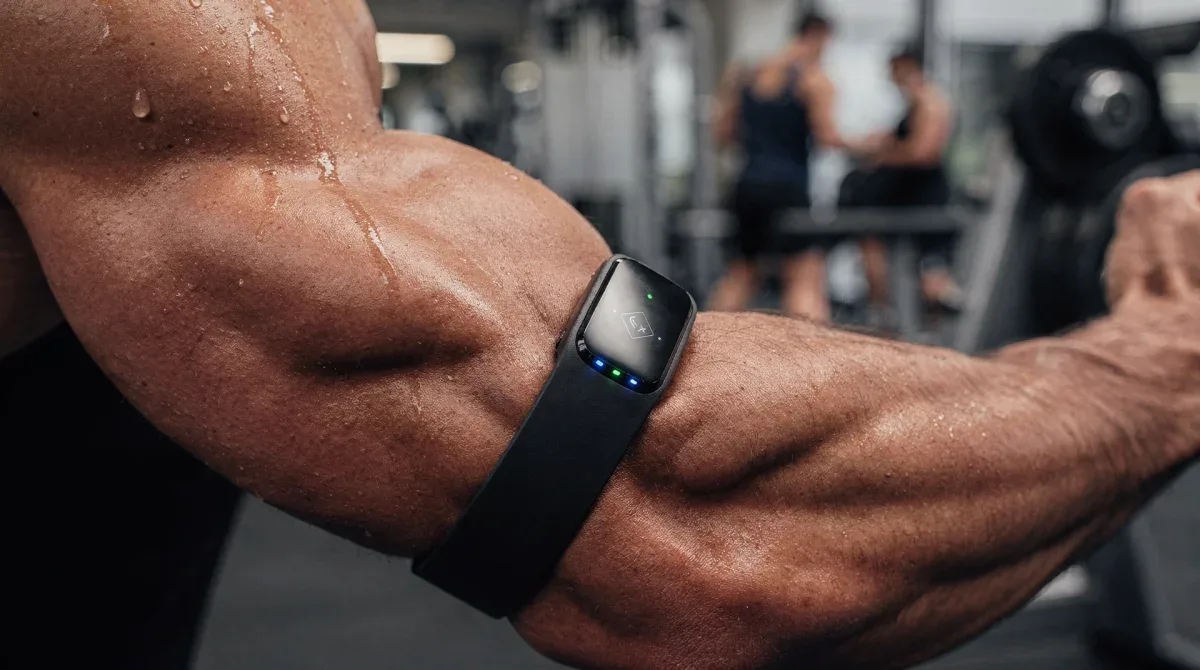
AI-driven biofeedback technology involves sensors and cameras that collect data on a user's movement, posture, and muscle activation during exercise. This data is then processed by AI algorithms to identify deviations from optimal form, potential stress points, and areas of imbalance. The system provides immediate feedback, often visually or audibly, guiding the user to correct their technique in real-time.
- Real-time form correction: Instant alerts and guidance help users adjust their movements.
- Personalized insights: Data-driven recommendations tailored to individual biomechanics.
- Reduced injury risk: Proactive identification and correction of unsafe movements.
- Enhanced performance: Optimizing form leads to more effective workouts and better results.
The deployment of these systems marks a significant departure from traditional training methods, where form correction often relied solely on the watchful eye of a human trainer. While trainers remain invaluable, AI biofeedback augments their capabilities, providing an objective, consistent, and always-on layer of supervision that can prevent injuries before they even occur. This synergy between human expertise and artificial intelligence is creating a safer, smarter gym environment.
In conclusion, the integration of AI-driven biofeedback in commercial gyms represents a pivotal moment for fitness safety. It moves beyond reactive injury treatment to proactive prevention, empowering individuals with the knowledge and tools to train more intelligently. This not only protects members but also elevates the overall standard of care and professionalism within the fitness industry.

The mechanics behind a 27% injury reduction
The reported 27% reduction in injury rates isn't a mere coincidence; it's a direct consequence of the sophisticated mechanisms employed by AI-driven biofeedback technology. This impressive figure underscores the efficacy of these systems in identifying and mitigating the common pitfalls that lead to workout-related injuries. By analyzing vast amounts of data, AI can pinpoint subtle flaws in technique that even experienced human eyes might miss, offering an unprecedented level of precision in injury prevention.
The core of this reduction lies in the ability of AI to provide immediate, objective feedback. Unlike subjective human observation, AI systems operate on precise metrics and biomechanical models, ensuring consistency and accuracy in every interaction. This objectivity builds trust among users, encouraging them to adapt their movements based on reliable data rather than guesswork.
How AI identifies and corrects dangerous movements
AI algorithms are trained on extensive datasets of correct and incorrect exercise forms. When a user performs an exercise, sensors capture their movements, and this data is compared against the ideal models. Deviations trigger alerts, which can manifest as visual cues on a screen, haptic feedback from a wearable device, or even auditory prompts.
- Motion capture: High-speed cameras and wearable sensors track joint angles, velocity, and acceleration.
- Pattern recognition: AI identifies unsafe movement patterns, such as knee valgus during squats or excessive spinal flexion during deadlifts.
- Real-time guidance: Users receive immediate instructions to correct their form, like 'engage core' or 'lower slower.'
- Progressive adaptation: The system learns from individual users, adapting feedback to their unique biomechanics and progress.
Furthermore, the technology often includes predictive analytics. By identifying early signs of fatigue or muscle imbalance through subtle changes in movement patterns, the AI can suggest modifications to an exercise or recommend rest, further preventing injuries that arise from overexertion or improper compensation. This proactive approach is critical in maintaining long-term member health.
The comprehensive nature of AI biofeedback ensures that every aspect of a workout, from warm-up to cool-down, is optimized for safety. It's about creating a protective shield around each gym member, allowing them to push their limits without compromising their well-being. This meticulous attention to detail is what ultimately translates into significant reductions in injury incidents across commercial gym populations.
Integrating biofeedback into daily gym operations
The successful implementation of AI-driven biofeedback technology goes beyond merely installing sensors and software; it requires a thoughtful integration into the daily operational fabric of commercial gyms. This involves training staff, educating members, and ensuring the technology complements existing fitness programs rather than complicating them. The goal is to make advanced injury prevention accessible and intuitive for everyone.
Gyms are finding innovative ways to weave this technology into personal training sessions, group classes, and even independent workouts. By doing so, they not only enhance safety but also elevate the perceived value of their membership, positioning themselves as leaders in fitness innovation.
Practical implementation strategies
For gyms, the process of adopting AI biofeedback typically involves several key steps. These steps ensure that the technology is not only effective but also seamlessly integrated into the user experience, maximizing its benefits for both members and the facility.
- Staff training: Educating trainers and floor staff on how to interpret and utilize biofeedback data.
- Member onboarding: Introducing new members to the technology and its benefits during their initial orientation.
- Dedicated zones: Creating specific areas within the gym equipped with biofeedback stations for targeted exercises.
- App integration: Allowing members to track their biofeedback data and progress through a companion mobile application.
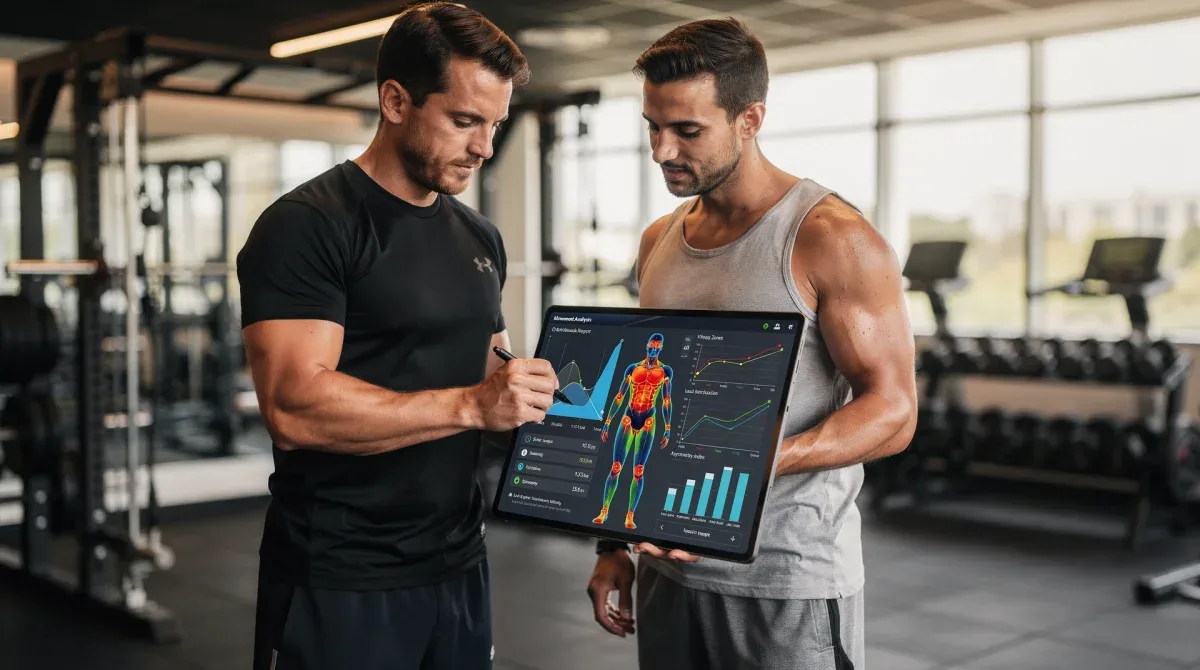
Beyond these practical considerations, gyms are also focusing on creating a culture of data-driven fitness. This means encouraging members to engage with their biofeedback reports, understand their movement patterns, and actively participate in their own injury prevention. When members feel empowered by technology, they are more likely to commit to safer and more consistent training habits.
The operational benefits extend to gym management as well. By having access to aggregated, anonymized data on common movement errors, gyms can identify trends, refine their equipment offerings, and even tailor class programming to address widespread biomechanical issues. This data-driven approach fosters continuous improvement, ensuring the gym remains at the cutting edge of fitness and safety.
Member experience and feedback: a positive shift
The true measure of any new technology in the fitness industry lies in its reception by members. In the case of AI-driven biofeedback, the feedback has been overwhelmingly positive, marking a significant positive shift in the overall member experience. Users report feeling more confident, safer, and more informed about their workouts, which directly contributes to higher satisfaction and loyalty.
This enhanced experience is not just about avoiding injuries; it's also about feeling a deeper connection to their fitness journey. By understanding their bodies better through data, members can achieve their goals more efficiently and sustainably, turning casual gym-goers into dedicated enthusiasts.
Empowering users through data and insights
One of the most profound impacts of AI biofeedback is the empowerment it offers to individual users. No longer are they solely reliant on external observation; they become active participants in understanding and refining their own movement mechanics. This internal locus of control is a powerful motivator for consistent and safe training.
- Increased confidence: Knowing their form is being monitored builds trust in their workout routine.
- Faster progress: Correcting form leads to more effective muscle engagement and quicker results.
- Personalized understanding: Gaining insights into their unique biomechanics helps prevent future issues.
- Enhanced engagement: Interactive feedback makes workouts more dynamic and interesting.
Members often describe the experience as having a 'personal coach' constantly by their side, without the associated cost. This ever-present guidance ensures that even when performing complex exercises, they can do so with a reduced risk of injury. The immediate visual or auditory cues allow for instant self-correction, fostering a deeper mind-muscle connection and improving overall proprioception.
Beyond individual workouts, the aggregated data can also help members track their progress over time, seeing how their form improves and how their risk factors decrease. This tangible evidence of improvement serves as a powerful motivator, reinforcing positive habits and encouraging continued engagement with the technology. The result is a more informed, engaged, and ultimately healthier gym population.
Challenges and future prospects for AI in gyms
While the adoption of AI-driven biofeedback technology presents numerous advantages, it is not without its challenges. Commercial gyms must navigate issues such as initial investment costs, data privacy concerns, and the need for continuous technological updates. However, the potential for future innovation and the long-term benefits far outweigh these hurdles, promising an even more sophisticated fitness landscape.
The industry is actively working on solutions to these challenges, ensuring that AI integration becomes more accessible, secure, and user-friendly. The future of AI in gyms looks bright, with continuous advancements poised to redefine personal fitness and well-being.
Overcoming implementation hurdles and looking ahead
The path to widespread AI adoption requires strategic planning and a commitment to innovation. Gyms are finding creative ways to finance these technologies and ensure their seamless integration, while tech developers are focusing on making systems more intuitive and cost-effective.
- Cost-effectiveness: Developing more affordable AI solutions for broader market penetration.
- Data security: Implementing robust protocols to protect sensitive member biomechanical data.
- Interoperability: Ensuring AI systems can integrate with existing gym management software and wearable devices.
- Ethical considerations: Addressing concerns around AI bias and fairness in feedback delivery.
Looking to the future, we can anticipate AI-driven biofeedback systems becoming even more sophisticated. Imagine AI that can predict potential injuries based on a member's historical data and genetic predispositions, or systems that can dynamically adjust workout plans in real-time based on recovery status and daily stress levels. The possibilities are vast and exciting, promising a truly personalized fitness experience.
Furthermore, the integration of virtual and augmented reality with biofeedback could create immersive training environments that make workouts more engaging and effective. Imagine receiving real-time holographic feedback on your form as you lift weights, or competing against an AI avatar that adapts to your performance. These advancements will not only enhance safety but also transform the very nature of exercise.
The economic and competitive edge for commercial gyms
Beyond the undeniable benefits to member safety and experience, the adoption of AI-driven biofeedback technology offers a significant economic and competitive edge for commercial gyms. In an increasingly competitive market, innovation is key to attracting and retaining members. Gyms that invest in cutting-edge technology position themselves as forward-thinking leaders, appealing to a demographic that values both safety and technological advancement.
The reduction in injury rates also translates into fewer liability concerns and potentially lower insurance premiums, contributing to a healthier bottom line. Furthermore, the enhanced member satisfaction often leads to higher retention rates and positive word-of-mouth referrals, fueling sustainable growth.
Return on investment and market differentiation
The initial investment in AI biofeedback technology might seem substantial, but the return on investment (ROI) is multifaceted, extending beyond mere financial gains to encompass brand reputation and member loyalty. Gyms are increasingly recognizing these intangible benefits as crucial drivers of long-term success.
- Enhanced brand image: Positioning the gym as a leader in safety and innovation.
- Increased member retention: Safer and more effective workouts lead to happier, more loyal members.
- Competitive advantage: Differentiating from competitors by offering superior technology and care.
- Reduced liability: Lower injury rates can decrease legal and insurance costs.
By offering a unique value proposition, gyms can justify premium membership fees and attract a more discerning clientele. The ability to market a 27% reduction in injury rates is a powerful message that resonates with health-conscious individuals and those who have previously experienced workout-related setbacks. This data-backed claim builds immense credibility and trust.
Moreover, the data collected by AI systems can provide valuable insights for marketing and operational strategies. Understanding which exercises pose the most common risks or which demographic groups benefit most from the technology can inform targeted campaigns and service improvements. This intelligence transforms how gyms operate, moving them towards a more data-driven and member-centric business model.
Ethical considerations and data privacy in AI fitness
As AI-driven biofeedback technology becomes more prevalent in commercial gyms, critical ethical considerations and data privacy concerns naturally arise. The collection of highly personal biomechanical data necessitates robust safeguards to ensure member trust and compliance with privacy regulations. Addressing these issues transparently is paramount for the long-term success and acceptance of these innovative systems.
Gyms and technology providers must work hand-in-hand to establish clear policies, secure data infrastructures, and communicate effectively with members about how their data is used and protected. This commitment to ethical practices will solidify the foundation of AI in fitness.
Safeguarding member information and promoting transparency
The sensitive nature of biofeedback data, which can reveal intimate details about an individual's physical capabilities and limitations, demands the highest standards of data protection. Gyms must implement comprehensive privacy frameworks to prevent misuse or unauthorized access.
- Anonymization: Aggregating data without identifying individual members for trend analysis.
- Consent: Obtaining explicit consent from members regarding data collection and usage.
- Security protocols: Employing advanced encryption and cybersecurity measures to protect data.
- Transparency: Clearly communicating data policies and how information is used to improve services.
Beyond technical safeguards, there's an ethical imperative to ensure that AI feedback is unbiased and equitable. Algorithms must be rigorously tested across diverse populations to prevent any inherent biases that could lead to inaccurate or unfair recommendations for certain individuals. The goal is to create an inclusive technology that benefits everyone equally.
Furthermore, gyms have a responsibility to educate members about their data rights and provide them with control over their personal information. This includes options for opting out of data collection or requesting data deletion. By fostering an environment of transparency and respect for privacy, gyms can build enduring trust with their members, ensuring that the benefits of AI biofeedback are fully realized without compromising individual rights.
| Key Aspect | Brief Description |
|---|---|
| Injury Reduction | Commercial gyms using AI biofeedback report a 27% decrease in member injuries. |
| Real-time Feedback | AI systems provide instant corrections for exercise form, preventing unsafe movements. |
| Enhanced Member Experience | Members feel safer and more confident, leading to increased satisfaction and loyalty. |
| Competitive Advantage | Gyms leverage AI biofeedback to attract and retain members, standing out in the market. |
Frequently asked questions about AI biofeedback in gyms
What exactly is AI-driven biofeedback technology in gyms?▼AI-driven biofeedback technology uses sensors and cameras to analyze a user's movement and form during exercise. It then employs artificial intelligence algorithms to provide real-time feedback, helping individuals correct their technique and prevent potential injuries, optimizing their workouts for safety and effectiveness.
How does AI biofeedback reduce injury rates?▼The technology reduces injuries by identifying deviations from proper exercise form in real-time. It offers immediate corrective cues, such as visual prompts or haptic feedback, guiding users to adjust their movements before they can cause strain or injury. This proactive approach significantly enhances workout safety.
Is AI biofeedback suitable for all gym members?▼Yes, AI biofeedback is designed to benefit members of all fitness levels, from beginners to advanced athletes. It provides personalized insights and guidance, making it valuable for anyone looking to improve their form, prevent injuries, and optimize their workout efficiency, regardless of their experience.
What are the benefits for commercial gyms adopting this technology?▼Commercial gyms benefit from increased member safety, reduced liability, enhanced member satisfaction and retention, and a strong competitive advantage. Adopting AI biofeedback positions gyms as innovative leaders committed to member well-being, attracting new clients and fostering loyalty.
Are there any privacy concerns with AI biofeedback data?▼Data privacy is a key consideration. Reputable gyms and technology providers implement robust security measures, including data anonymization and encryption, and adhere to strict privacy policies. Members typically provide explicit consent for data collection, ensuring their personal information is protected and used responsibly to enhance their fitness experience.
Conclusion
The integration of AI-driven biofeedback technology within commercial gyms marks a significant paradigm shift in the fitness industry, fundamentally transforming how individuals approach their workouts. The reported 27% reduction in injury rates is a testament to the efficacy of these advanced systems, underscoring their capacity to create safer, more informed, and ultimately more rewarding fitness experiences. As gyms continue to embrace this technology, we can anticipate a future where personalized, injury-free training becomes the norm, empowering members to achieve their fitness goals with unprecedented confidence and efficiency. This innovation not only elevates the standard of care but also solidifies the role of technology as an indispensable partner in promoting long-term health and well-being.
