Budget Dupe Breakdown: $35 vs. $118 Designer Sets
The ultimate budget dupe breakdown reveals whether a $35 activewear set can genuinely deliver the same quality, comfort, and performance as its $118 designer counterpart for your fitness needs.
In the dynamic world of fitness fashion, the allure of high-end activewear often clashes with the practicalities of a budget. Our comprehensive budget dupe breakdown dives deep into the burning question: can a $35 online alternative truly stand up to a $118 designer set? Join us as we meticulously test, compare, and uncover the truths behind these seemingly similar, yet vastly different, price tags.
The rise of activewear dupes: understanding the market
The activewear market has exploded, with consumers constantly seeking the perfect blend of style, comfort, and performance. Alongside established designer brands, a new wave of budget-friendly alternatives, often termed 'dupes,' has emerged, promising similar aesthetics and functionality at a fraction of the cost. This phenomenon has sparked considerable debate: are these dupes truly comparable, or are we sacrificing quality for savings?
The appeal of dupes is undeniable. They democratize fashion, making trendy styles accessible to a broader audience. For many, investing over a hundred dollars in a single workout outfit feels extravagant, especially when multiple sets are desired for a diverse fitness routine. Online marketplaces, fueled by influencer culture and aggressive marketing, have become fertile ground for these alternatives, creating a vibrant ecosystem where affordability often takes precedence.
What drives the dupe phenomenon?
- Accessibility: High-end activewear can be a significant financial barrier. Dupes offer a way to participate in fashion trends without breaking the bank.
- Experimentation: Consumers can try out new styles or colors without committing to a large investment, allowing for more sartorial freedom in their fitness wardrobe.
- Fast fashion influence: The rapid cycle of trends means consumers often want to update their wardrobe frequently, a demand better met by lower-priced items.
- Social media amplification: Platforms like TikTok and Instagram frequently highlight dupes, with users sharing their finds and reviews, creating viral sensations.
However, this accessibility often comes with questions regarding ethical production, environmental impact, and, most importantly for our analysis, the actual quality and longevity of the garments. The promise of 'designer look for less' is compelling, but the reality can be far more nuanced. Understanding these market dynamics is crucial before diving into the specifics of our comparison.
Ultimately, the rise of activewear dupes reflects a broader consumer desire for value and choice. It challenges traditional brand loyalty and pushes the boundaries of what is considered 'premium.' Our goal is to cut through the hype and provide an objective assessment of whether these budget options truly deliver on their promises, examining the factors that define both luxury and affordability in fitness apparel.
Material matters: dissecting fabric quality and composition
The foundation of any good activewear lies in its fabric. Designer brands often boast proprietary blends and advanced technologies, promising superior stretch, moisture-wicking properties, and durability. But how do these compare to the materials used in their $35 counterparts? This section delves into the often-overlooked world of fabric composition and its impact on performance and feel.
Typically, high-end activewear utilizes complex synthetic blends, often involving nylon, spandex, and sometimes polyester, engineered for specific functions like compression, breathability, and quick-drying. These fabrics are usually dense, smooth to the touch, and maintain their shape well even after rigorous workouts and numerous washes. The hand-feel is often a key differentiator, with designer fabrics feeling luxurious and substantial.
Common fabric types in activewear
- Nylon/Spandex blends: Known for excellent stretch, recovery, and durability, often used in compression wear.
- Polyester: Good for moisture-wicking and quick-drying, making it suitable for high-intensity workouts.
- Proprietary blends: Many designer brands develop unique fabric technologies to enhance specific performance aspects, such as anti-odor properties or enhanced UV protection.
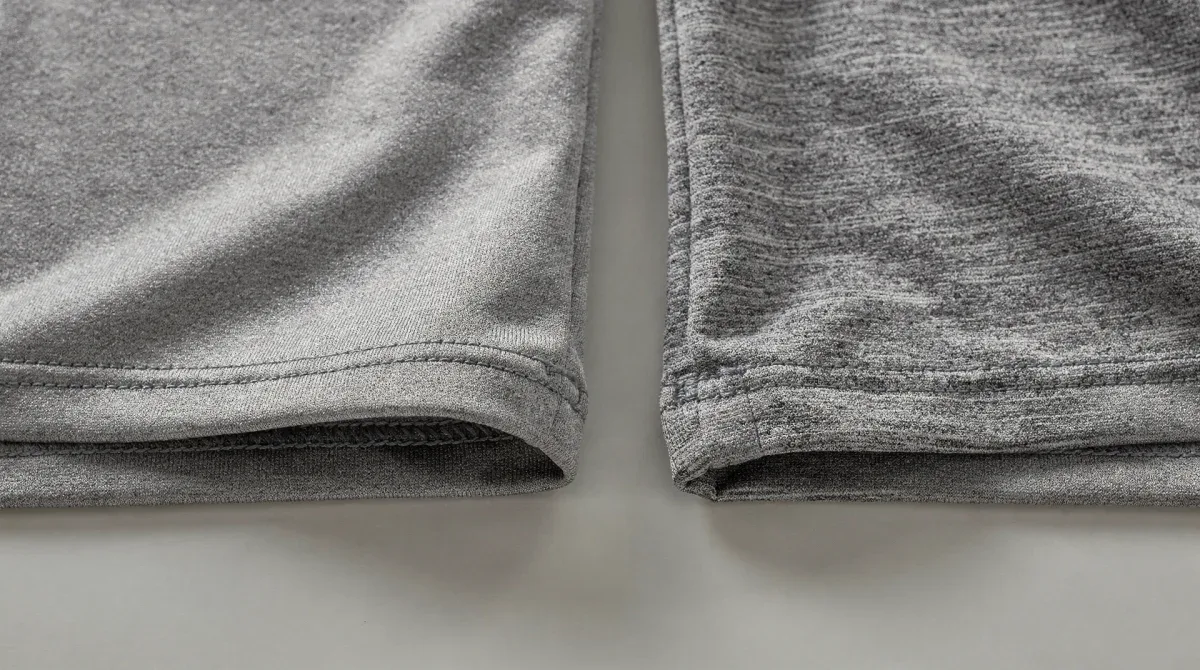
Budget dupes, while often mirroring the look, frequently cut corners on fabric. While they might use similar base materials like polyester or spandex, the quality of the fibers, the density of the weave, and the finishing treatments can vary significantly. This can lead to issues such as pilling, loss of elasticity over time, or a less effective moisture-wicking capability. Sometimes, the fabric might feel thinner, less supportive, or even slightly rougher against the skin.
Our tests reveal that while a $35 dupe might offer adequate stretch for basic movements, it often lacks the robust recovery and compression found in a $118 set. This means the dupe might bag out more quickly, providing less support during dynamic activities. The breathability can also be compromised, leading to a less comfortable experience during intense workouts. Understanding these material differences is crucial for setting realistic expectations for budget activewear.

Fit, comfort, and construction: a side-by-side analysis
Beyond the fabric, the fit, overall comfort, and construction quality are paramount in activewear. A garment might look good, but if it chafes, restricts movement, or falls apart after a few wears, its value diminishes rapidly. This section scrutinizes how designer and dupe sets stack up in these critical areas, focusing on the details that make a real difference during a workout.
Designer activewear is often celebrated for its ergonomic design, flatlock seams, and thoughtful construction that minimizes chafing and maximizes comfort. The fit is typically precise, offering support without constriction, adapting to the body's contours during various movements. Stitching is usually impeccable, reinforced in high-stress areas, and designed to withstand the rigors of intense exercise and frequent washing. The attention to detail in construction is a hallmark of premium brands.
Key construction elements to consider
- Seam quality: Flatlock seams prevent chafing and create a smooth finish, common in high-end activewear.
- Waistband design: Wide, supportive waistbands in leggings provide comfort and stay in place without digging in.
- Reinforced stitching: Critical in areas of high tension like crotch and armholes to prevent tearing.
- Gussets: Diamond-shaped fabric inserts in the crotch area enhance mobility and prevent camel toe.
In contrast, the $35 dupes often reveal their price point through less refined construction. While many have improved significantly, common issues include bulkier seams that can cause irritation, less sophisticated waistband designs that might roll down or dig in, and less consistent stitching that can unravel over time. The fit might be less anatomical, offering a more generic shape that doesn't contour as effectively to the body.
Our testing involved wearing both sets through various activities, from yoga to high-intensity interval training. The designer set consistently offered a 'second skin' feel, moving seamlessly with the body, whereas the dupe, while generally comfortable, occasionally required adjustments. The dupe's seams were noticeable during prolonged activity, and the waistband, while initially supportive, sometimes lost its grip. These seemingly minor details accumulate, impacting the overall workout experience. While a dupe might be acceptable for light activities, its limitations become more apparent during demanding exercises.
Performance in action: sweat-wicking, stretch, and durability
The true test of activewear comes during a workout. How well does it handle sweat? Does it restrict movement? And how does it hold up over time? This section evaluates the performance metrics of both the $118 designer set and the $35 dupe, providing a practical assessment of their capabilities in real-world fitness scenarios.
Designer activewear often excels in performance. Its advanced fabric technologies are designed to wick away moisture efficiently, keeping the wearer dry and comfortable. The stretch and recovery properties are typically superior, allowing for a full range of motion without feeling stretched out or losing shape. Durability is also a key selling point, with premium garments expected to withstand countless washes and intense workouts without degradation.
Performance benchmarks for activewear
- Moisture-wicking: Ability to draw sweat away from the body to the fabric's surface for quick evaporation.
- Stretch and recovery: How well the fabric stretches with movement and returns to its original shape.
- Opacity: Ensures the fabric remains opaque even when stretched or wet, preventing sheerness.
- Durability: Resistance to pilling, fading, and seam breakdown over time and through washes.
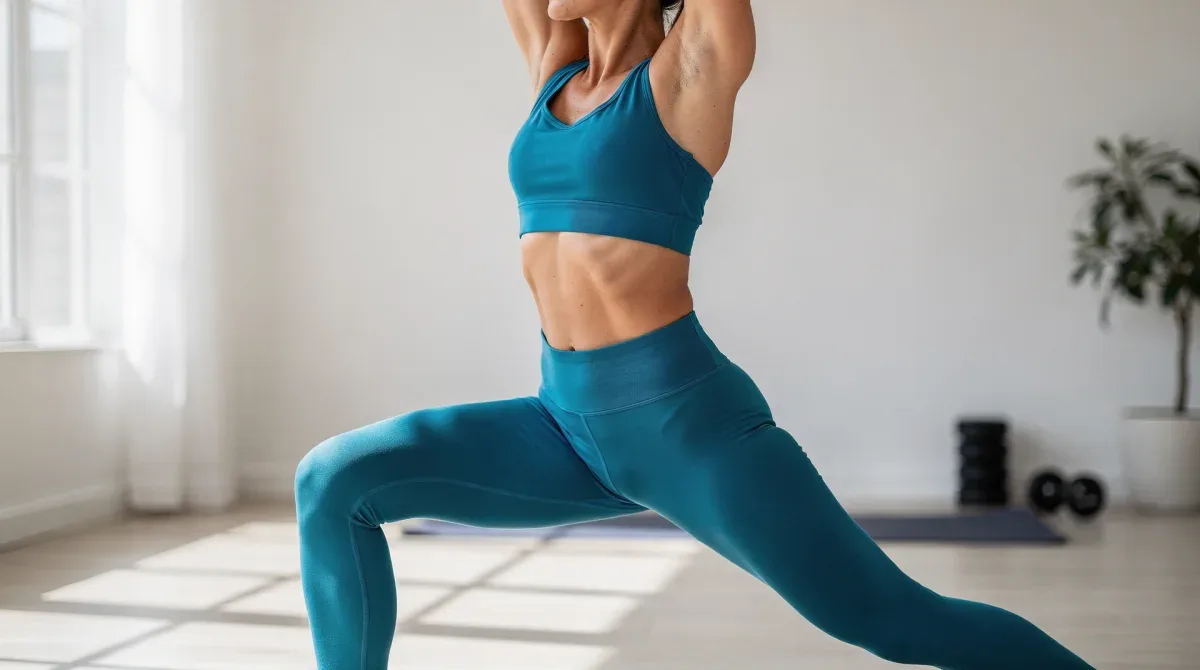
Our rigorous testing involved multiple workouts, including cardio, strength training, and hot yoga. The $118 designer set consistently performed admirably. Its moisture-wicking capabilities were evident, keeping us feeling dry even during intense sessions. The fabric maintained its shape and compression throughout, and opacity was never an issue, even during deep squats or bends. After several washes, the set showed minimal signs of wear.
The $35 dupe presented a mixed bag. While it offered decent stretch, its moisture-wicking was noticeably less effective, leading to a slightly damp feeling during high-sweat activities. The fabric, while opaque initially, showed some sheerness when stretched to its maximum, particularly in lighter colors. After a few washes, we observed minor pilling in high-friction areas and a slight loosening of the fabric's elasticity. While it performed adequately for lighter workouts, it fell short in demanding environments, highlighting a clear performance gap.
Aesthetic appeal and style longevity: looking beyond the initial glance
For many, activewear is not just about function; it's about making a style statement. The aesthetic appeal and how well a garment maintains its look over time are crucial factors in its overall value. This section compares the visual aspects of designer sets versus their budget dupes, considering color retention, finish, and how current trends are interpreted.
Designer activewear often sets trends, featuring sophisticated color palettes, innovative cuts, and premium finishes. The fabric typically has a richer, more vibrant appearance, and details like logos or hardware are usually of high quality. Furthermore, designer pieces are often designed with longevity in mind, aiming for a timeless aesthetic that transcends fleeting trends, ensuring they remain stylish for years to come.
Elements of aesthetic appeal in activewear
- Color vibrancy and retention: How rich the colors appear and how well they resist fading after washing.
- Design details: Unique cutouts, stitching patterns, or branding elements that elevate the look.
- Fabric finish: Matte, glossy, or textured finishes that contribute to the overall premium feel.
- Trend relevance: How well the design aligns with current fashion trends while maintaining timeless appeal.
Budget dupes, while often mimicking the current trends, sometimes fall short in the finer aesthetic details. Colors might appear less saturated, and the fabric finish can lack the luxurious feel of its designer counterpart. While they may initially look similar, subtle differences in cut, proportion, and seam placement can make the dupe appear less polished. The goal of dupes is often immediate trend adoption rather than long-term style.
Our visual comparison revealed that the designer set maintained its color vibrancy and sleek finish even after multiple washes, showing no signs of fading. The construction details, such as perfectly aligned seams and subtle branding, contributed to its overall refined appearance. The dupe, while initially impressive, showed slight color dulling after several washes, and some of the seams began to pucker, detracting from its original smooth silhouette. While still visually appealing, it lacked the enduring crispness of the designer piece.
The verdict: $35 vs. $118 – where should you invest?
After a thorough examination of fabric, fit, performance, and aesthetics, it's time to deliver our verdict on the ultimate budget dupe breakdown. Is the $118 designer set truly worth the investment, or can the $35 online alternative provide comparable value? The answer, as often is the case, depends on individual priorities and usage.
For those who prioritize peak performance, superior durability, and a luxurious feel that withstands intense, frequent workouts, the $118 designer set often justifies its price. The investment translates into advanced fabric technology, meticulous construction, and a consistently comfortable and supportive experience. These garments are built to last, making them a more sustainable choice in the long run if cared for properly.
When to choose designer activewear
- High-intensity training: For activities requiring maximum support, moisture-wicking, and durability.
- Longevity: If you expect your activewear to last for years without significant wear and tear.
- Brand trust and ethics: For consumers who value ethical production and sustainable practices often associated with premium brands.
- Specific performance needs: When specialized features like advanced compression or anti-odor technology are crucial.
Conversely, the $35 dupe offers undeniable value for those with a tighter budget, who engage in lighter activities, or who simply wish to explore new styles without a significant financial commitment. While it may not match the designer set in every aspect, it can provide adequate comfort and style for casual wear, low-impact workouts, or for building a diverse wardrobe on a budget. The key is to manage expectations regarding long-term durability and peak performance.
Ultimately, the choice between a $35 dupe and a $118 designer set comes down to a personal assessment of needs versus wants. If you're a dedicated athlete who demands the best from your gear, the designer option is likely the smarter investment. However, if you're a casual exerciser or fashion-conscious individual looking for trendy pieces that perform adequately for everyday activities, the budget dupe can be a perfectly acceptable choice. Both have their place in the fitness fashion landscape, catering to different segments of the market with their unique value propositions.
Making smart activewear choices: tips for budget-conscious fitness enthusiasts
Navigating the vast world of activewear, especially when balancing budget with quality, can be challenging. Whether you lean towards designer pieces or budget-friendly dupes, making informed decisions is key to building a functional and stylish fitness wardrobe. This section provides practical tips for budget-conscious fitness enthusiasts to get the most out of their activewear investments, regardless of the price tag.
The first step is to honestly assess your needs. Consider the types of activities you engage in most frequently. High-impact workouts like running or HIIT might warrant a greater investment in supportive, high-performance gear, while low-impact activities such as walking or yoga could be perfectly served by more affordable options. Understanding your primary use cases will guide your purchasing decisions.
Essential tips for savvy activewear shopping
- Read reviews diligently: Pay attention to comments on fit, fabric quality, and durability from other buyers. Look for consistent feedback.
- Check material composition: Even with dupes, look for blends of polyester, nylon, and spandex for better performance.
- Inspect seams and stitching: If possible, examine the garment for flatlock seams and reinforced stitching, which indicate better quality.
- Consider versatility: Choose pieces that can transition from workouts to casual wear, maximizing their utility.
- Care for your activewear: Proper washing and drying can significantly extend the life of both designer and budget garments.
Don't be afraid to mix and match. You might invest in a high-quality, supportive sports bra from a designer brand while pairing it with budget-friendly leggings. This strategy allows you to allocate your funds to the items where performance and support are most critical, while saving on less demanding pieces. Look for sales and discounts on designer brands, which can make premium items more accessible.
Finally, remember that 'value' isn't solely defined by price. A $35 item that needs frequent replacement might end up costing more than a $118 item that lasts for years. Consider the cost-per-wear over the long term. By combining careful research, strategic purchasing, and proper care, budget-conscious fitness enthusiasts can build an activewear collection that meets their needs without compromising on style or functionality.
| Comparison Point | Key Difference |
|---|---|
| Fabric Quality | Designer: advanced, durable blends; Dupe: often thinner, less robust. |
| Fit & Construction | Designer: ergonomic, flatlock seams; Dupe: less refined, potential chafing. |
| Performance | Designer: superior wicking, recovery; Dupe: less effective moisture management. |
| Durability | Designer: long-lasting, resists pilling; Dupe: prone to pilling, quicker wear. |
Frequently asked questions about activewear dupes
Are activewear dupes always lower quality than designer sets?▼Not always, but often. While dupes can mimic the aesthetic, they frequently compromise on fabric technology, construction, and overall durability. However, some budget brands offer surprisingly good quality for their price point, making careful research essential.
What are the main benefits of investing in designer activewear?▼Designer activewear typically offers superior performance features like advanced moisture-wicking, better compression, enhanced durability, and more ergonomic fits. These benefits contribute to greater comfort and support during intense workouts, and the garments tend to last longer.
How can I tell if a $35 activewear dupe is good quality?▼Look for detailed product reviews, especially those with photos and videos. Pay attention to fabric composition (nylon/spandex blends are usually better), check for flatlock seams, and evaluate the opacity when stretched. A thicker, denser fabric often indicates better quality.
Do activewear dupes last as long as designer activewear?▼Generally, no. Designer activewear is often constructed with higher-quality materials and stitching designed for longevity and frequent use. Dupes may show signs of wear, such as pilling or loss of elasticity, much sooner, requiring more frequent replacement.
Is it worth buying both designer and budget activewear?▼Absolutely. A balanced approach allows you to invest in premium pieces for high-performance needs (like sports bras or leggings for intense workouts) while using budget-friendly options for casual wear, light exercise, or to experiment with trends.
Conclusion
Our comprehensive budget dupe breakdown has illuminated the complex landscape of activewear, revealing that while $35 online alternatives can certainly offer aesthetic appeal and satisfactory performance for lighter activities, they generally do not fully match the superior quality, advanced functionality, and long-term durability of $118 designer sets. The choice ultimately hinges on your specific fitness needs, budget constraints, and priorities regarding longevity and peak performance. By understanding the nuances of fabric, construction, and overall value, you can make informed decisions that best support your active and balanced lifestyle.
