Eco-Friendly Activewear: 4 Certifications for Zero Microplastic
Choosing eco-friendly activewear with specific certifications is crucial for preventing microplastic shedding, thereby safeguarding marine ecosystems and promoting sustainable fashion practices within the fitness industry.
Are you concerned about the environmental impact of your workout gear? The quest for truly sustainable fitness apparel often leads to a complex landscape of claims and certifications. This guide provides an in-depth look at what makes activewear genuinely eco-friendly, focusing specifically on the critical issue of microplastic shedding. We'll explore four key certifications that guarantee your activewear contributes to zero microplastic release, helping you make informed choices for a healthier planet and a more sustainable lifestyle. Understanding these labels is the first step towards building a truly eco-friendly activewear guide: 4 certifications that guarantee zero microplastic shedding.
The hidden environmental cost of conventional activewear
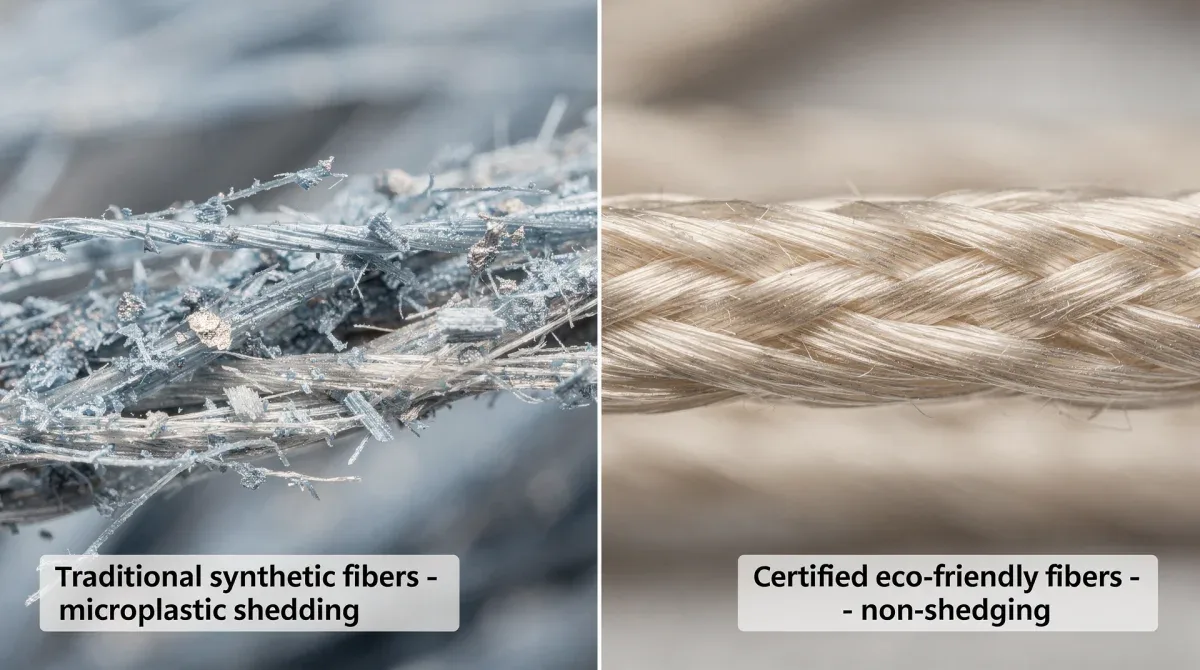
Conventional activewear, often lauded for its performance features like moisture-wicking and stretch, typically relies heavily on synthetic fibers such as polyester, nylon, and spandex. While these materials offer undeniable benefits for athletic performance, they come with a significant environmental drawback: microplastic shedding. Every wash cycle releases thousands, sometimes millions, of tiny plastic fibers into our waterways, eventually making their way to oceans, where they pose a severe threat to marine life and human health.
The ubiquity of plastic in our daily lives means its presence in our clothing is often overlooked. However, the sheer volume of activewear produced and consumed globally exacerbates this problem. These microscopic plastic particles are ingested by marine organisms, entering the food chain and accumulating in ecosystems, with long-term consequences that are still being fully understood. Addressing this issue requires a systemic shift, starting with consumer awareness and the demand for certified, responsible products.
Understanding microplastic shedding
Microplastic shedding is an insidious problem because it's largely invisible to the naked eye. These tiny fibers, less than 5 millimeters in length, detach from synthetic fabrics during washing and wear. Wastewater treatment plants are not always equipped to capture all these microscopic particles, leading to their release into rivers, lakes, and oceans. Once in the environment, they persist for hundreds of years, acting as sponges for toxins and posing physical harm to wildlife.
- Source of pollution: Synthetic textiles are a primary contributor to microplastic pollution.
- Environmental impact: Harms marine ecosystems and enters the human food chain.\
- Persistence: Microplastics do not biodegrade easily, accumulating over time.
The challenge lies in finding materials that offer similar performance characteristics without the environmental burden. This has spurred innovation in textile science, leading to the development of alternative fibers and processing techniques that minimize or eliminate microplastic release. Consumers play a vital role by choosing brands committed to these solutions, guided by credible certifications.
Why certifications matter for eco-friendly activewear
In a market flooded with 'green' claims, certifications act as indispensable third-party verifications of a product's environmental performance. For eco-friendly activewear, these certifications go beyond mere marketing rhetoric, providing tangible proof that a garment meets specific sustainability standards. They offer transparency and accountability, assuring consumers that their purchases align with genuine environmental stewardship, particularly regarding microplastic shedding.
Navigating the world of sustainable fashion can be overwhelming, with terms like 'recycled,' 'organic,' and 'biodegradable' often used interchangeably or without clear definitions. Certifications cut through the confusion by establishing rigorous criteria that brands must meet. This not only protects consumers from greenwashing but also incentivizes manufacturers to adopt more sustainable practices throughout their supply chains, from raw material sourcing to manufacturing processes and end-of-life considerations.
The role of third-party verification
Third-party verification is crucial because it ensures objectivity and credibility. An independent organization, not affiliated with the brand, assesses the product and its production processes against a set of predetermined standards. This rigorous evaluation includes everything from material composition and chemical use to labor practices and, critically for our discussion, the potential for microplastic shedding. Without such verification, claims of sustainability can be difficult to trust.

- Ensures credibility: Independent assessment prevents greenwashing.
- Sets clear standards: Defines what constitutes truly eco-friendly practices.
- Drives innovation: Encourages brands to improve their environmental footprint.
By relying on certified products, consumers can confidently support brands that are genuinely committed to reducing their environmental impact. This collective action not only pushes the industry towards more sustainable practices but also contributes directly to mitigating specific environmental issues, such as the pervasive problem of microplastic pollution from activewear. The certifications discussed next are pivotal in this regard.
Certification 1: GOTS (Global Organic Textile Standard)
The Global Organic Textile Standard (GOTS) is widely recognized as the world's leading processing standard for textile fibers from organic agriculture. While GOTS primarily focuses on organic status and environmental and social criteria throughout the supply chain, its implications for microplastic shedding are significant, particularly when applied to natural fibers used in activewear. GOTS certification ensures that textiles are free from harmful chemicals and processed in an environmentally and socially responsible manner.
For activewear, GOTS certification means a garment made from organic cotton, hemp, or linen has been processed without synthetic dyes or finishes that could contribute to microplastic issues. While natural fibers generally do not shed microplastics in the same way synthetics do, GOTS also indirectly addresses this by promoting durable, high-quality textiles that last longer, reducing the overall consumption and waste cycle. It's a holistic standard covering the entire lifecycle of the product.
GOTS and natural fiber activewear
When you see the GOTS label on activewear, it signifies that at least 70% of the fibers are organic, and all chemical inputs, such as dyes and auxiliaries, must meet strict environmental and toxicological criteria. This is particularly relevant for activewear made from natural fibers, as it ensures that even the processing of these materials is eco-conscious. For example, organic cotton activewear certified by GOTS will not only be free from pesticides in its cultivation but also from harmful chemicals during manufacturing.
- Organic fiber content: Guarantees a minimum of 70% organic fibers.
- Chemical restrictions: Prohibits harmful chemicals in processing.
- Environmental management: Requires strict wastewater treatment and energy efficiency.
While GOTS does not directly certify against microplastic shedding from synthetic materials, its emphasis on natural fibers and rigorous processing standards makes it an excellent choice for activewear that inherently avoids the microplastic problem. Choosing GOTS-certified natural fiber activewear is a proactive step towards reducing your environmental footprint and supporting a cleaner textile industry.
Certification 2: OEKO-TEX STANDARD 100
OEKO-TEX STANDARD 100 is a globally recognized independent testing and certification system for textile raw materials, intermediate, and end products at all stages of production. Its primary focus is on limiting harmful substances in textiles, ensuring products are safe for human health. While not directly a microplastic certification, its comprehensive approach to chemical management and textile quality plays a crucial indirect role in minimizing environmental impact, including potential microplastic shedding.
For activewear, OEKO-TEX STANDARD 100 certification means that every component of the product, from the fabric itself to the threads, buttons, and other accessories, has been tested for harmful substances. This includes substances that could degrade and contribute to environmental pollution or affect the durability of the fabric, potentially leading to increased shedding. By ensuring a high standard of material quality and safety, OEKO-TEX indirectly supports the goal of reducing microplastic release.
How OEKO-TEX supports sustainability
The rigorous testing criteria of OEKO-TEX STANDARD 100 cover a wide range of harmful substances, including illegal dyes, heavy metals, pesticides, and formaldehyde. By ensuring textiles are free from these chemicals, the standard promotes cleaner production processes and safer products. While it doesn't explicitly test for microplastic shedding, a well-made, durable fabric that adheres to OEKO-TEX standards is less likely to degrade rapidly and shed fibers prematurely. This focus on durability and material integrity is key.
- Harmful substance testing: Ensures textiles are free from detrimental chemicals.
- Product safety: Guarantees textiles are safe for human skin contact.
- Quality and durability: Promotes well-made products that last longer.
Consumers looking for eco-friendly activewear can trust OEKO-TEX STANDARD 100 to indicate a commitment to safer materials and cleaner production. When combined with other certifications that specifically address fiber composition, it provides a robust framework for making sustainable choices, ensuring not only the absence of harmful chemicals but also contributing to the longevity of the garment, thereby reducing waste and potential shedding.
Certification 3: ZDHC (Zero Discharge of Hazardous Chemicals)
The ZDHC Roadmap to Zero Programme is a collaboration of over 170 contributors committed to phasing out hazardous chemicals in the global textile, leather, and footwear value chain. While not a product certification in the traditional sense, ZDHC provides a comprehensive framework and tools for brands and manufacturers to implement sustainable chemical management practices. Its impact on microplastic shedding is profound, as it drives the industry towards safer materials and processes that inherently reduce environmental contamination.
For activewear manufacturers, adhering to ZDHC guidelines means adopting a Manufacturing Restricted Substances List (MRSL), which prohibits the use of certain hazardous chemicals in production. This directly impacts the types of dyes, finishes, and treatments applied to fabrics. By eliminating harmful chemicals, ZDHC helps prevent the degradation of textile fibers that could lead to increased shedding. It's about proactive prevention at the manufacturing stage, ensuring cleaner outputs from factories.
ZDHC and cleaner production
ZDHC's approach is holistic, focusing on input chemistry, wastewater management, and auditing manufacturing facilities. By promoting the use of safer chemicals and better wastewater treatment, ZDHC directly addresses the potential for microplastic-laden effluent. While it doesn't certify a finished product as 'microplastic-free,' its influence on the manufacturing process minimizes the factors that contribute to fiber breakdown and subsequent shedding, especially for synthetic activewear.
- MRSL compliance: Restricts hazardous chemicals in manufacturing.
- Wastewater guidelines: Promotes cleaner discharge from factories.
- Industry collaboration: Drives widespread adoption of sustainable practices.
Brands that are ZDHC contributors or whose suppliers adhere to ZDHC guidelines demonstrate a strong commitment to environmental responsibility. For consumers, this translates to activewear produced with fewer harmful chemicals and processes that are less likely to contribute to microplastic pollution. While it requires a deeper dive into a brand's supply chain transparency, ZDHC is a powerful indicator of a company's dedication to truly sustainable manufacturing.
Certification 4: Global Recycle Standard (GRS)
The Global Recycle Standard (GRS) is an international, voluntary product standard that sets requirements for third-party certification of recycled content, chain of custody, social and environmental practices, and chemical restrictions. While its primary focus is on verifying recycled content, GRS also includes stringent environmental criteria that indirectly contribute to reducing microplastic shedding, especially when applied to recycled synthetic fibers used in activewear.
GRS-certified activewear made from recycled polyester or nylon, for example, means that the materials have been sourced from post-consumer or post-industrial waste. Importantly, the standard also includes strict requirements regarding chemical use during the recycling and manufacturing processes. This ensures that even recycled synthetics are processed responsibly, minimizing the use of harmful chemicals that could weaken fibers and lead to increased shedding. It represents a commitment to circularity and responsible production.
GRS and recycled synthetic activewear
For activewear, GRS certification provides assurance that recycled materials are genuinely utilized and processed under strict environmental and social conditions. While recycled synthetics can still shed microplastics, GRS encourages better manufacturing practices that aim to create more durable fibers. Furthermore, the standard's focus on chemical restrictions means that recycled materials are less likely to contain harmful additives that could contribute to fiber degradation.

- Recycled content verification: Confirms the percentage of recycled materials.
- Environmental criteria: Includes wastewater, energy, and chemical management.
- Social requirements: Ensures fair labor practices.
Choosing GRS-certified activewear from recycled synthetics is a step towards a circular economy. It reduces the demand for virgin plastic and promotes responsible processing. While the ultimate goal is zero microplastic shedding, GRS ensures that the environmental impact of recycled synthetics is minimized, making it a valuable certification for conscious consumers seeking sustainable options in their fitness wardrobe. It's about making the best choice within the current technological capabilities of recycled materials.
| Certification | Key Benefit for Microplastic Reduction |
|---|---|
| GOTS | Promotes organic natural fibers, inherently reducing synthetic microplastic shedding. |
| OEKO-TEX STANDARD 100 | Ensures textiles are free from harmful chemicals, improving fabric durability and reducing shedding. |
| ZDHC | Eliminates hazardous chemicals in manufacturing, preventing fiber degradation and pollution. |
| GRS | Verifies recycled content and promotes responsible processing of synthetics, minimizing environmental impact. |
Frequently asked questions about eco-friendly activewear
What are microplastics and why are they a concern in activewear?▼Microplastics are tiny plastic particles, less than 5mm, shed from synthetic fabrics like polyester and nylon during washing. They pollute waterways, harm marine life when ingested, and can enter the human food chain, posing significant environmental and health risks.
How do certifications help reduce microplastic shedding?▼Certifications like GOTS encourage natural fibers, while OEKO-TEX and ZDHC ensure cleaner production and chemical restrictions, leading to more durable fabrics less prone to shedding. GRS promotes responsible recycling, minimizing the overall environmental footprint of synthetic materials.
Can recycled activewear still shed microplastics?▼Yes, activewear made from recycled synthetic fibers can still shed microplastics, similar to virgin synthetics. However, certifications like GRS ensure responsible processing and encourage innovations that aim to create more durable fibers, reducing the overall shedding impact compared to uncertified alternatives.
What other actions can I take to reduce microplastic shedding?▼Beyond choosing certified activewear, you can use laundry bags designed to capture microfibers, wash clothes less frequently, opt for cold water cycles, and air dry garments. These practices collectively minimize fiber release and extend the lifespan of your activewear.
Where can I find brands offering certified eco-friendly activewear?▼Many sustainable fashion retailers and direct-to-consumer brands now prominently display their certifications. Look for the GOTS, OEKO-TEX, ZDHC, or GRS logos on product pages and brand websites. Researching a brand's sustainability report can also provide valuable insights.
Conclusion
The journey towards a truly sustainable wardrobe, particularly in the realm of activewear, requires informed choices and a commitment to understanding the impact of our clothing. By prioritizing activewear with certifications like GOTS, OEKO-TEX STANDARD 100, ZDHC, and GRS, consumers can actively contribute to reducing microplastic shedding and supporting a cleaner, healthier planet. These standards provide a reliable roadmap through the complexities of eco-friendly claims, empowering you to make purchases that align with your values and contribute to a more responsible fashion industry. Your choices matter, and by demanding certified products, you send a powerful message to manufacturers that sustainability is not just a trend, but a necessity.
