Functional Longevity Training: 7 Core Movements for 2026
Functional longevity training is revolutionizing fitness by prioritizing movement quality and real-world strength, with seven core patterns shaping 2026 gym floors to support sustained vitality and prevent age-related decline.
The fitness landscape is continually evolving, and by 2026, the shift towards functional longevity training over traditional hypertrophy is undeniable. This paradigm emphasizes movement quality and real-world applicability, ensuring bodies remain capable and resilient for years to come.
The Shift from Aesthetics to Lasting Capability
For decades, gym culture often celebrated the pursuit of maximal muscle size, known as hypertrophy. While impressive, this focus sometimes overlooked the practical aspects of movement and long-term health. Today, a significant transformation is underway, with individuals and trainers increasingly prioritizing functional longevity training. This approach is not about chasing fleeting aesthetics but about building a robust, adaptable body that can perform daily tasks with ease and reduce the risk of injury as we age.
The core philosophy behind this shift is simple: train for life, not just for the mirror. This means engaging in exercises that mimic natural human movements, thereby improving balance, coordination, flexibility, and overall strength in a way that directly translates to better quality of life. The goal is to sustain physical independence and vitality well into advanced age, making every movement count.
Understanding Functional Training Principles
Functional training is about more than just lifting weights; it's about integrating multiple muscle groups and movement patterns to enhance overall physical performance. It prepares the body for real-world scenarios, making everyday activities feel less strenuous and more fluid.
- Multi-joint movements: Exercises that involve several joints and muscle groups simultaneously.
- Proprioception and balance: Training that improves the body's awareness in space and its ability to maintain equilibrium.
- Core stability: A strong core is fundamental to almost all functional movements, providing a stable base for the limbs.
- Varied planes of motion: Incorporating movements forward, backward, side-to-side, and rotational to mimic daily life.
Ultimately, the move towards functional longevity training reflects a deeper understanding of what true fitness means. It's about empowering individuals to live more fully, maintaining their ability to engage in hobbies, spend time with loved ones, and navigate the world without physical limitations.
The Seven Core Movement Patterns: Foundations of Longevity
By 2026, the gym floor will be dominated by exercises built around seven fundamental human movement patterns. These are the bedrock of functional longevity training, ensuring comprehensive development and resilience. Mastering these patterns allows for efficient, safe, and powerful movement in all aspects of life, from carrying groceries to playing with grandchildren.
These patterns are not new; they are inherent to human biology. What's new is the deliberate, structured approach to training them for the explicit purpose of long-term health and functional capacity. Each pattern addresses a critical aspect of physical interaction with the environment, building strength and coordination in a holistic manner.
1. Squat: The Foundation of Lower Body Strength
The squat is arguably the most fundamental human movement. From sitting down to standing up, or picking an object off the floor, the squat pattern is integral to daily life. Training squats effectively builds strength in the glutes, quadriceps, and hamstrings, while also improving hip and ankle mobility.
- Bodyweight squats: Excellent for beginners to master form.
- Goblet squats: Uses a single dumbbell or kettlebell for added resistance and core engagement.
- Front squats: Challenges core strength and upper back stability.
Consistent squat training helps maintain lower body power, crucial for balance and preventing falls as we age. It ensures that the transition from a seated to a standing position remains effortless, a key indicator of functional independence.

2. Hinge: Powering the Posterior Chain
The hinge pattern, exemplified by the deadlift, is vital for lifting objects safely and powerfully using the glutes and hamstrings, rather than straining the lower back. It teaches efficient movement mechanics for activities like gardening or picking up a child. A strong hinge is a powerful defense against back pain and injury.
Many people mistakenly squat when they should be hinging, leading to inefficient movement and potential injury. Understanding the difference and mastering the hip hinge is a cornerstone of functional longevity. This movement pattern strengthens the entire posterior chain, which includes the glutes, hamstrings, and erector spinae muscles, all crucial for posture and powerful extension.
Key Hinge Exercises
- Romanian deadlifts (RDLs): Focuses on hamstring and glute engagement with minimal knee bend.
- Kettlebell swings: A dynamic, explosive hinge that builds power and cardiovascular fitness.
- Good mornings: Excellent for strengthening the lower back and hamstrings with lighter loads.
Developing a strong hinge ensures that heavy lifting is managed by the body's most powerful muscles, preserving spinal health and enhancing overall body mechanics for a lifetime of activity.
3. Push: Upper Body Strength and Stability
The push pattern encompasses movements where you push an object away from your body or push yourself away from an object. This includes activities like pushing a heavy door open, pushing a lawnmower, or getting up from the floor. Push exercises develop strength in the chest, shoulders, and triceps.
Both horizontal and vertical pushing movements are essential for comprehensive upper body development. Integrating a variety of push exercises ensures balanced strength and prevents muscle imbalances that can lead to injury. This pattern is crucial for maintaining independence, allowing individuals to navigate their environment with confidence.
Types of Push Movements
- Push-ups: A foundational bodyweight exercise that builds chest, shoulder, and triceps strength.
- Overhead press: Develops vertical pushing strength, important for reaching overhead.
- Bench press: A classic for horizontal pushing power.
Mastering the push pattern ensures that everyday tasks requiring upper body strength remain manageable, promoting autonomy and reducing the need for assistance as one ages. It's about maintaining the ability to interact with the world around you effectively.
4. Pull: Counterbalancing Push Movements
Complementing the push, the pull pattern involves drawing an object towards your body or pulling your body towards an object. Think about opening a car door, climbing a ladder, or performing a pull-up. Pulling movements strengthen the back muscles (lats, rhomboids, traps) and biceps, crucial for posture and injury prevention.
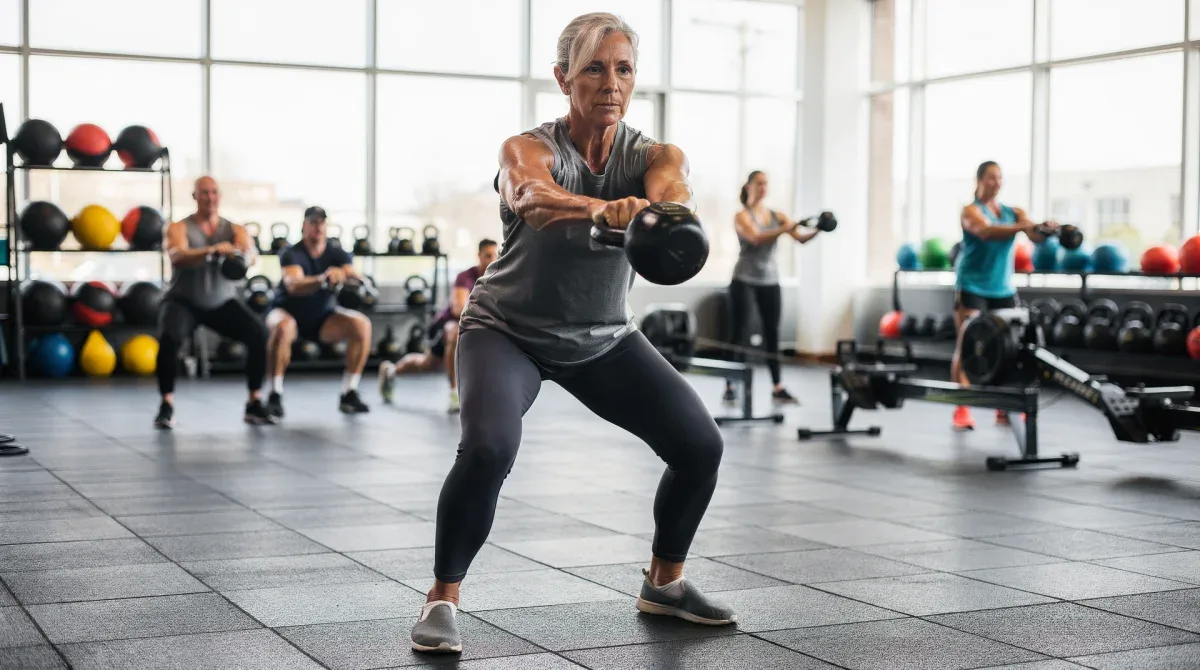
A strong back is vital for good posture and counteracting the effects of prolonged sitting or computer use, which often lead to rounded shoulders and weak back muscles. Functional longevity training emphasizes a balanced approach, ensuring that pulling strength keeps pace with pushing strength for overall structural integrity.
Essential Pull Exercises
- Rows (dumbbell, barbell, cable): Targets the mid and upper back, improving posture.
- Pull-ups/Chin-ups: Builds significant upper body and grip strength.
- Face pulls: Excellent for shoulder health and strengthening the often-neglected rear deltoids and upper back.
Developing robust pulling strength is key to maintaining a healthy spine and shoulders, ensuring the ability to lift, carry, and maneuver objects throughout life without discomfort or injury.
5. Lunge: Unilateral Leg Strength and Balance
The lunge pattern involves stepping forward, backward, or sideways, engaging one leg at a time. This unilateral movement is critical for balance, stability, and developing strength independently in each leg, mimicking walking, climbing stairs, or stepping over obstacles. It's a fundamental movement for navigating dynamic environments.
Many daily activities require us to rely on one leg at a time, making unilateral training indispensable for functional longevity. Lunges improve hip mobility, strengthen the glutes and quads, and significantly enhance balance, reducing the risk of falls—a major concern as people age. This pattern also highlights and corrects strength imbalances between the legs.
Variations of Lunges
- Forward lunges: Classic lunge, focusing on quads and glutes.
- Reverse lunges: Often easier on the knees, emphasizing glutes and hamstrings.
- Lateral lunges: Builds strength and mobility in the inner and outer thighs, crucial for lateral stability.
Incorporating lunges into a training regimen ensures that both legs contribute equally to movement and stability, fostering a more resilient and adaptable lower body for sustained active living.
6. Carry: Practical Strength and Core Stability
The carry pattern involves holding and moving a load over a distance. This could be carrying groceries, a suitcase, or a child. Carrying exercises are incredibly functional, building grip strength, core stability, and full-body endurance. They directly translate to real-world tasks, making daily life easier and safer.
Carries challenge the entire body to stabilize against an external load, engaging the core, shoulders, and hips. They are particularly effective at improving grip strength, which is a strong predictor of overall health and longevity. The ability to carry heavy objects with ease is a hallmark of functional fitness, ensuring independence and capability in everyday scenarios.
Effective Carry Exercises
- Farmer's walk: Holding heavy weights in each hand and walking.
- Suitcase carry: Holding a single heavy weight in one hand, challenging anti-lateral flexion of the core.
- Waiter's carry: Holding a weight overhead with one arm, demanding shoulder stability and core control.
Regularly practicing carry movements strengthens the body in a way that directly impacts daily functionality, making mundane tasks less taxing and building resilience for unexpected physical demands.
7. Rotation: Core Power and Injury Prevention
The rotation pattern involves twisting the torso, either with or without a load. This movement is essential for sports, turning to look behind you, or reaching across your body. Rotational movements strengthen the oblique muscles and the entire core, improving power and protecting the spine from injury. A healthy, mobile spine is crucial for longevity.
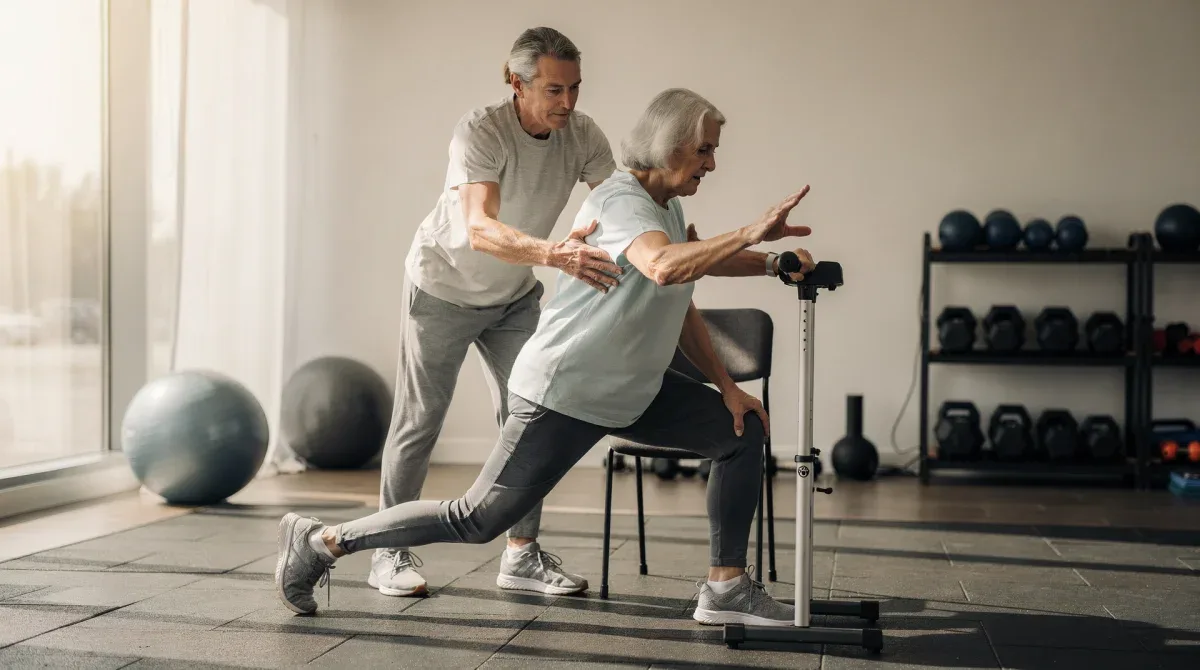
Many people neglect rotational training, leading to stiff spines and increased vulnerability to injury during twisting movements. Functional longevity training incorporates controlled rotational exercises to enhance spinal mobility and build a robust, injury-resistant core, essential for a full range of movement throughout life.
Key Rotational Exercises
- Russian twists: Engages the obliques and improves core rotational power.
- Wood chops (cable or dumbbell): Mimics real-world rotational movements, building strength from the ground up.
- Medicine ball throws: Explosive rotational exercise for power development.
Developing controlled rotational strength and mobility ensures the spine remains supple and strong, allowing for dynamic movements and protecting against the strains of everyday twisting and turning.
Integrating Functional Longevity into Your Routine
Transitioning from a hypertrophy-focused routine to one centered on functional longevity training requires a shift in mindset and programming. It's not about abandoning weights, but about using them in a way that enhances movement quality and builds resilience for life. The emphasis moves from isolating muscles to integrating them into complex, natural patterns.
Start by assessing your current movement capabilities. Can you perform all seven core patterns with good form? Identify any weaknesses or limitations and prioritize exercises that address them. Remember, consistency and proper form are far more important than lifting heavy weights or pushing for maximal reps. The goal is sustainable progress, not immediate gratification.
Designing Your Longevity Program
A well-rounded functional longevity program should include a mix of strength, mobility, and cardiovascular training, all integrated with the seven core movement patterns. Consider incorporating elements of yoga, Pilates, or martial arts to further enhance body awareness and control.
- Prioritize compound movements: Focus on exercises that engage multiple joints and muscles.
- Vary your training: Avoid stagnation by regularly introducing new exercises and challenges.
- Listen to your body: Pay attention to recovery, and don't push through pain.
- Seek professional guidance: A qualified coach can help tailor a program to your specific needs and goals.
By consciously integrating these principles, you're not just working out; you're investing in a future of vitality and independence, ensuring your body remains a capable tool for all of life's adventures. This holistic approach ensures that fitness serves a greater purpose than just aesthetics.
The Future of Fitness: Beyond the Biceps
The trend towards functional longevity training signifies a maturing perspective on fitness. It acknowledges that true health extends beyond superficial appearance, focusing instead on the ability to live a full, active life without physical limitations. This movement is not just for older adults; it's for everyone who wants to proactively invest in their long-term well-being.
Gyms and fitness professionals are adapting rapidly, offering specialized classes and personalized programs that emphasize movement quality, injury prevention, and sustainable strength. Equipment is also evolving, with a greater focus on versatile tools like kettlebells, resistance bands, and bodyweight training apparatus that support functional movements.
Long-Term Benefits of Functional Longevity Training
- Reduced risk of injury: Stronger, more coordinated movements protect joints and muscles.
- Improved balance and stability: Essential for preventing falls and maintaining independence.
- Enhanced quality of life: Easier performance of daily tasks and participation in recreational activities.
- Increased energy and vitality: A body that moves efficiently feels better and performs better.
Embracing functional longevity training means choosing a path of sustainable health and empowerment. It's about building a body that doesn't just look good, but feels good and performs even better, for decades to come. This forward-thinking approach is truly the future of personal fitness.
Making Functional Training a Lifelong Habit
To truly reap the benefits of functional longevity training, it must become a consistent, lifelong habit. This involves more than just showing up to the gym a few times a week; it means adopting a mindset that prioritizes movement, mobility, and strength in all aspects of life. Consider how you can integrate these movement patterns into your daily routine, not just your dedicated workout sessions.
For instance, instead of always taking the elevator, opt for stairs to practice your squat and lunge patterns. When carrying groceries, consciously engage your core and use proper hinge mechanics. These small, consistent efforts compound over time, reinforcing the neural pathways for efficient movement and building lasting resilience. The goal is to make functional movement second nature.
Overcoming Common Challenges
Adopting a new training philosophy can present challenges. You might initially miss the immediate gratification of seeing muscle size increase, or find certain functional movements more difficult than expected. Patience and persistence are key. Focus on small victories, like improved balance, reduced pain, or the ability to perform a new movement with confidence.
- Start slow and progress gradually: Avoid overwhelming your body with too much too soon.
- Focus on form over weight: Correct technique is paramount to prevent injury and maximize benefits.
- Stay consistent: Regular engagement, even for short periods, is more effective than sporadic intense workouts.
- Educate yourself: Understand the 'why' behind each movement to deepen your commitment.
By embracing these strategies, functional longevity training transforms from a temporary fitness trend into a sustainable lifestyle choice, ensuring a future where your body remains a powerful ally in pursuing your passions and living life to its fullest potential.
| Key Movement Pattern | Brief Description and Benefit |
|---|---|
| Squat | Foundation of lower body strength, essential for daily tasks like sitting and standing, promoting mobility. |
| Hinge | Powers the posterior chain for safe lifting and posture, crucial for preventing back injuries. |
| Push & Pull | Develops balanced upper body strength for everyday manipulation and maintaining good posture. |
| Lunge & Carry | Enhances unilateral strength, balance, and practical endurance for navigating dynamic environments. |
Frequently Asked Questions About Functional Longevity Training
What is the main difference between functional longevity training and hypertrophy?Functional longevity training prioritizes movement quality, real-world strength, and long-term physical independence, focusing on how the body moves as a whole. Hypertrophy, conversely, primarily targets increasing muscle size for aesthetic or specific strength goals, often with less emphasis on integrated movement patterns.
Why are the 7 core movement patterns so important for longevity?These seven patterns (squat, hinge, push, pull, lunge, carry, rotation) are fundamental to all human movement. Mastering them ensures comprehensive physical development, improves balance, reduces injury risk, and maintains the ability to perform daily tasks efficiently, supporting a high quality of life as one ages.
Can I still build muscle with functional longevity training?Absolutely. While the primary goal isn't maximal muscle size, functional longevity training, especially with resistance, will naturally build lean muscle mass. The focus is on building strong, resilient muscles that work together effectively, which often leads to a well-proportioned and capable physique.
Is functional longevity training suitable for all ages?Yes, it is highly adaptable for all ages and fitness levels. Exercises can be scaled up or down, making it beneficial for young athletes looking to improve performance and older adults aiming to maintain independence and prevent age-related decline. The principles remain consistent, only the intensity changes.
How can I start incorporating these movement patterns into my routine?Begin by practicing bodyweight versions of each movement to perfect your form. Gradually add light resistance as comfort and strength improve. Consider working with a certified personal trainer experienced in functional fitness to ensure proper technique and a personalized program tailored to your specific needs and goals.
Conclusion
The shift towards functional longevity training marks a pivotal moment in the fitness world. By embracing the seven core movement patterns—squat, hinge, push, pull, lunge, carry, and rotation—individuals are moving beyond superficial aesthetics to cultivate enduring strength, mobility, and resilience. This holistic approach empowers us to navigate the complexities of daily life with greater ease, reduce the risk of injury, and maintain vibrant health well into our later years. Investing in functional longevity training is an investment in a future of sustained vitality, ensuring that our bodies remain capable tools for a lifetime of activity and enjoyment.
