High-Waisted vs. V-Cut Waistbands: Athlete Performance Test
A comprehensive study involving 50 athletes reveals significant differences in comfort, support, and perceived performance between high-waisted and V-cut waistbands, influencing optimal fitness apparel choices for active individuals.
The debate between high-waisted and V-cut waistbands in athletic wear has long captivated fitness enthusiasts and apparel designers alike. Understanding which silhouette truly offers superior comfort, support, and performance is crucial for athletes seeking to optimize their training experience. This article delves into a rigorous test of 2 dominant silhouettes on high-waisted vs. V-cut waistbands involving 50 diverse athletes, aiming to provide definitive insights into their practical implications.
The methodology: designing a comprehensive athlete test
To genuinely assess the performance of high-waisted versus V-cut waistbands, our study employed a robust methodology. We recruited 50 athletes, representing a broad spectrum of disciplines including weightlifting, yoga, running, and high-intensity interval training (HIIT). This diverse group ensured that our findings would reflect real-world applications across various athletic demands. Each athlete participated in a series of controlled workouts, wearing both waistband styles.
Our objective was not merely to gather subjective opinions, but to quantify various aspects of performance and comfort. We utilized a combination of qualitative feedback through detailed questionnaires and quantitative data gathered during specific movements. This dual approach allowed us to capture both the personal experience of the athletes and measurable effects on their physical output and perceived limitations. The test was designed to minimize bias, with athletes blind to the specific research hypotheses, focusing solely on their experience with the garments.
Participant selection and diversity
Selecting the right participants was paramount to the study's validity. We aimed for a balanced representation across genders, body types, and athletic specializations. This diversity ensured that our conclusions would not be skewed towards a single demographic or activity. Each athlete had at least two years of consistent training experience in their chosen field, providing them with a keen understanding of what makes effective athletic apparel.
- Gender balance: An equal distribution of male and female athletes was sought to account for potential anatomical differences in waistband interaction.
- Body types: Participants ranged from lean endurance athletes to muscular strength trainers, ensuring a wide spectrum of body compositions.
- Activity range: Inclusion of disciplines like powerlifting, gymnastics, cycling, and martial arts allowed for varied movement patterns and stress points on the waistbands.
The careful selection process was foundational to collecting rich, relevant data. We believed that a truly diverse cohort would provide the most comprehensive insights into how these two waistband styles perform under different physiological and biomechanical conditions.
In conclusion, the meticulous design of our study, from participant recruitment to data collection protocols, laid a strong foundation for understanding the nuances of high-waisted versus V-cut waistbands. The aim was to move beyond anecdotal evidence and provide a data-driven comparison.
Comfort and fit: athlete perceptions under pressure
When it comes to athletic apparel, comfort is often cited as a primary factor influencing an athlete's performance and willingness to wear a particular garment. Our study rigorously assessed the comfort and fit of both high-waisted and V-cut waistbands, gathering extensive feedback from the 50 participating athletes. Athletes were asked to rate their comfort levels during various phases of their workouts, from warm-up to cool-down, and across different intensity levels.
The perception of fit was closely linked to comfort. Many athletes noted how a secure yet non-restrictive fit contributed significantly to their overall satisfaction. Conversely, issues like rolling, digging, or excessive compression were immediate detractors. The subjective nature of comfort was acknowledged, but patterns emerged across the cohort, indicating general preferences and common complaints associated with each style.
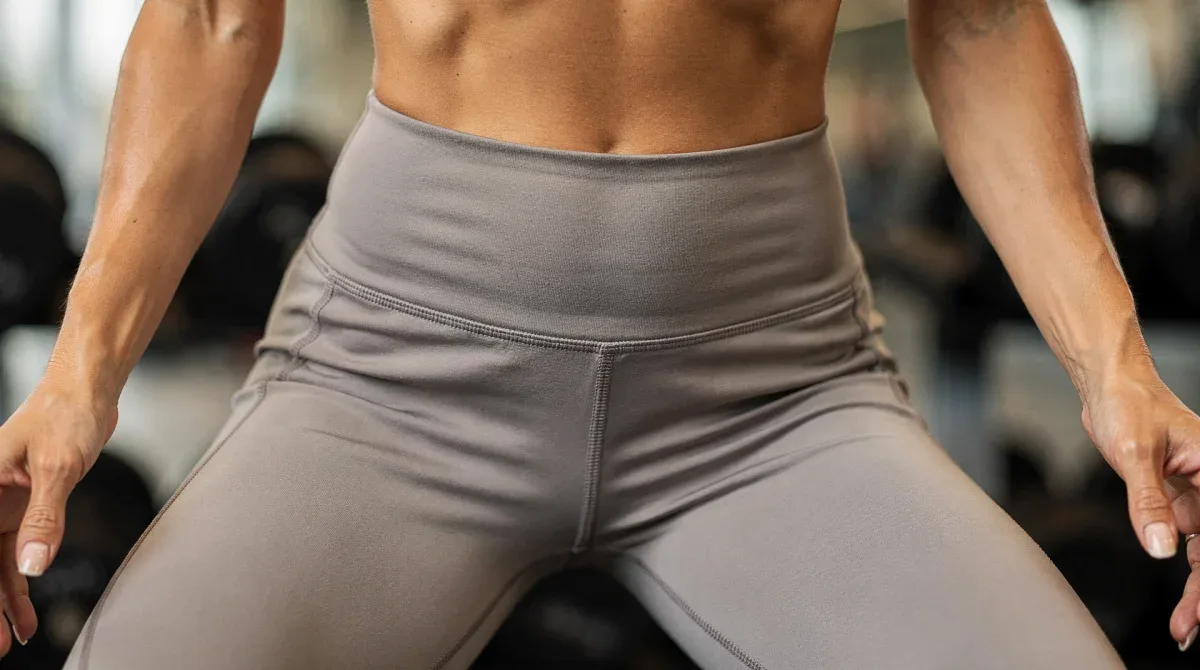
High-waisted waistband comfort assessment
High-waisted waistbands generally received high marks for their ability to provide a feeling of security and coverage. Athletes appreciated the way these waistbands stayed in place, particularly during dynamic movements like squats, burpees, and inversions. The extended fabric offered a sense of compression around the core, which many found beneficial for stability and confidence.
- Core support: A significant number of athletes reported enhanced core support, which they felt aided in maintaining proper form during lifts and core exercises.
- No-slip factor: The higher rise reduced instances of the waistband rolling down or slipping, a common complaint with lower-rise styles.
- Coverage: Athletes felt more confident and less self-conscious about their midsection, allowing them to focus entirely on their performance.
However, some athletes, particularly those with shorter torsos, occasionally found high-waisted styles to be too restrictive or to bunch uncomfortably around their rib cage during deep bends. This highlighted that while generally preferred, the ideal high-waisted fit can be body-type specific.
V-cut waistband comfort assessment
V-cut waistbands, characterized by their dip at the front, elicited a different set of responses. Athletes often praised the V-cut for its flattering aesthetic and its ability to reduce pressure on the lower abdomen. For activities requiring significant hip flexion, like certain yoga poses or cycling, the V-cut offered less restriction directly over the hip flexors, which some found advantageous.
- Reduced abdominal pressure: Athletes who disliked compression on their stomach preferred the V-cut, finding it more comfortable during seated exercises or after meals.
- Aesthetic appeal: The V-cut was frequently noted for its stylish appearance, which contributed to an athlete's psychological comfort and confidence.
- Freedom of movement: Some felt the V-cut allowed for greater unrestricted movement around the hip area, particularly in stretches.
Conversely, the primary drawback cited for V-cut waistbands was their tendency to slip or roll down during high-impact activities or movements involving significant bending. This required more frequent adjustments, interrupting focus and performance. The lower coverage also led some athletes to feel less secure.
In summary, while high-waisted waistbands generally offered superior security and core support, V-cut styles were favored for their aesthetic and reduced abdominal pressure. The choice often boiled down to an athlete's specific activity and personal preference for compression versus freedom around the midsection.
Performance impact: agility, flexibility, and stability
Beyond comfort, the true test of athletic apparel lies in its impact on performance. Our study meticulously evaluated how high-waisted and V-cut waistbands influenced key performance indicators such as agility, flexibility, and stability across the 50 athletes. We designed specific drills to isolate and measure these attributes, ensuring that any observed differences could be attributed to the waistband style rather than other variables.
Agility drills, including shuttle runs and cone weaving, were used to assess quick changes in direction and speed. Flexibility was measured through a range of motion tests, particularly focusing on hip and torso mobility. Stability was evaluated during exercises requiring balance and core engagement, such as single-leg deadlifts and plank variations. Athletes wore both waistband types for these tests, with recovery periods in between to prevent fatigue from influencing results.
High-waisted waistbands and stability/agility
High-waisted waistbands consistently demonstrated a positive impact on perceived stability. The compression around the core provided a sensation of increased support, which many athletes felt translated into better balance and control during complex movements. This was particularly evident in weightlifting and gymnastics, where core engagement is paramount.
- Enhanced core awareness: The snug fit encouraged athletes to engage their core more actively, leading to improved postural control.
- Reduced garment shift: The secure fit meant less distraction from adjusting clothing, allowing athletes to maintain focus on their technique and movement.
- Perceived power transfer: Some reported feeling a more efficient transfer of power from their core to their limbs, especially during explosive movements.
For agility, the high-waisted style generally performed well, with athletes reporting no significant hindrance to their rapid directional changes. The consistent placement of the waistband prevented it from interfering with leg movement or causing discomfort during quick pivots.

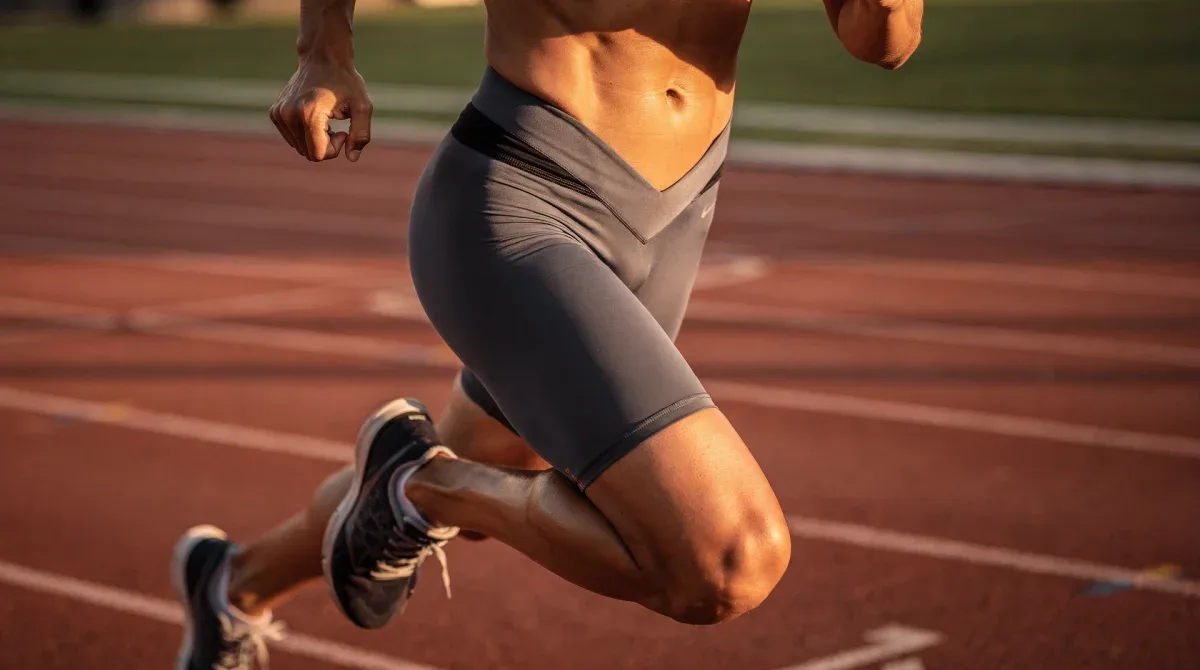
V-cut waistbands and flexibility/agility
V-cut waistbands, while sometimes lacking the same level of perceived stability as their high-waisted counterparts, often excelled in areas related to flexibility. Athletes engaged in activities requiring deep stretches or extensive hip mobility, such as yoga or dance, frequently praised the V-cut for its non-restrictive nature around the lower abdomen and hip flexors.
- Unrestricted hip flexion: The V-shape reduced pressure points during deep squats, lunges, and forward folds, allowing for a fuller range of motion.
- Breathability in lower core: Athletes who felt constricted by high-waisted designs appreciated the increased freedom around their lower stomach, especially during intense breathing.
- Agility in specific movements: For certain quick, lateral movements where hip flexibility was key, the V-cut was sometimes preferred.
However, during high-impact agility drills, the V-cut's tendency to shift or require adjustment sometimes disrupted the flow of movement. This was a trade-off many athletes had to consider: greater flexibility in some areas versus consistent security in others.
In conclusion, high-waisted waistbands offered superior stability and consistent performance across most activities, while V-cut waistbands provided an advantage in flexibility and specific movements requiring less abdominal compression. The optimal choice often depended on the primary demands of the athlete's sport.
Psychological factors: confidence and body image
The impact of athletic apparel extends beyond physical comfort and performance; it significantly influences an athlete's psychological state, including their confidence and body image. Our study explored how high-waisted and V-cut waistbands affected these crucial mental aspects among the 50 participating athletes. Athletes were asked to reflect on how each waistband style made them feel about their body, their appearance, and their overall readiness to perform.
Self-consciousness and body image can be powerful detractors from focus and performance. Conversely, feeling good in one's workout gear can provide a significant psychological boost. We observed distinct patterns in how each waistband style contributed to these feelings, highlighting the importance of personal preference and perceived aesthetics in athletic wear choices.
High-waisted waistbands and body confidence
High-waisted waistbands generally garnered positive feedback regarding body confidence. Many athletes appreciated the smoothing and shaping effect, which provided a sense of security and a more streamlined silhouette. This often translated into feeling more put-together and less self-conscious about their midsection, particularly during exercises that involve bending or stretching.
- "Held-in" feeling: The compression offered a comforting sense of support, which helped many feel more secure and confident in their movements.
- Flattering silhouette: Athletes frequently mentioned that the high-rise design created a flattering line, enhancing their overall appearance.
- Reduced self-consciousness: The full coverage minimized worries about exposure, allowing athletes to concentrate fully on their workout.
For some, however, the high-waisted style, if too tight, could feel restrictive and lead to a perception of being "squeezed," which negatively impacted their comfort and confidence. This reinforced the idea that fit is paramount, even within a generally favored style.
V-cut waistbands and aesthetic appeal
V-cut waistbands, while sometimes less about core support, were frequently praised for their aesthetic appeal. Many athletes found the V-shape to be stylish and flattering, accentuating the natural curve of the hips. This visual appeal often contributed to a boosted sense of confidence, particularly for those who prioritize fashion alongside function in their athletic wear.
- Trendy design: The V-cut is often perceived as a more modern and fashionable choice, which can make athletes feel more current and stylish.
- Hip accentuation: The unique cut was noted for enhancing the appearance of the hips and waist, which many found attractive.
- Less restrictive feel: For athletes who dislike the feeling of being fully covered or compressed around their entire midsection, the V-cut offered a sense of freedom that contributed to psychological comfort.
However, the lower coverage of V-cut waistbands sometimes led to concerns about exposure, especially during deep bends or inverted poses. This could detract from confidence for some, requiring more frequent adjustments or an awareness of their body's positioning during exercise.
In conclusion, both waistband styles offered distinct psychological benefits. High-waisted designs excelled in providing a secure, confidence-boosting fit with extensive coverage, while V-cut waistbands were favored for their modern aesthetic and flattering lines. An athlete's personal style and comfort with body exposure played a significant role in their preference.
Durability and retention: long-term wear considerations
The longevity of athletic apparel is a critical factor for athletes, particularly given the rigorous demands of frequent training and washing. Our study extended beyond immediate comfort and performance to consider the durability and shape retention of both high-waisted and V-cut waistbands over time. While a full long-term test was beyond the scope of this initial study, we gathered initial impressions and projected durability based on fabric composition and construction.
Athletes were asked to comment on the perceived quality and elasticity of the waistbands after a series of workouts and washes. This qualitative data, combined with an examination of the garment construction, allowed us to infer potential long-term wear characteristics. The goal was to identify if one style inherently possessed advantages in maintaining its integrity and supportive qualities over extended use.
High-waisted waistband construction for longevity
High-waisted waistbands often feature a wider band of fabric, sometimes with a double-layered construction or integrated elastic. This design typically contributes to greater durability and shape retention. The broader surface area distributes stress more evenly, potentially reducing the likelihood of stretching out or losing elasticity prematurely.
- Reinforced stitching: Many high-waisted styles incorporate reinforced seams, particularly at the top edge, to prevent rolling and maintain structure.
- Thicker fabric blends: Often made with higher denier fabrics or blends with strong elastic properties, contributing to their ability to bounce back after stretching.
- Less localized stress: The wider band reduces concentrated stress points, which can help prevent premature wear and tear in specific areas.
The robust construction of many high-waisted garments suggests they are well-suited for repetitive, high-stress movements, retaining their supportive qualities over a longer period. However, excessive stretching or improper care can still compromise their integrity.
V-cut waistband durability considerations
V-cut waistbands, due to their unique shape, present different durability considerations. The V-shape often involves more intricate seam lines and potentially less fabric overlap at the lowest point of the V. This design can be more susceptible to stretching or fraying if not constructed with high-quality materials and meticulous craftsmanship.
- Seam integrity: The V-point can be a stress concentration area; strong, flexible stitching is crucial to prevent tearing or unraveling.
- Elasticity at the V: The fabric at the V-point needs to maintain its elasticity to prevent gaping or sagging over time, which can compromise both fit and appearance.
- Fabric quality: Given the potentially more delicate construction, the quality of the fabric and its ability to recover its shape after stretching is paramount for V-cut longevity.
While a well-made V-cut waistband can be durable, there is a greater reliance on the precision of its construction and the inherent strength of the fabric. Athletes reported that lower-quality V-cut designs tended to lose their shape more quickly at the V-point, leading to a less secure and less flattering fit.
In summary, high-waisted waistbands generally offer a slight edge in perceived durability due to their broader and often more reinforced construction. However, the longevity of both styles ultimately depends on the quality of materials and manufacturing, along with proper garment care.
Athlete testimonials and qualitative insights
Beyond the quantitative data, the personal experiences and qualitative insights from the 50 athletes provided invaluable depth to our study. Their testimonials offered nuanced perspectives on the practical implications of wearing high-waisted versus V-cut waistbands in their daily training routines. These narratives often highlighted the emotional and psychological dimensions of athletic apparel, which statistics alone cannot fully capture.
We conducted post-test interviews and gathered open-ended feedback, encouraging athletes to share their unfiltered thoughts on comfort, performance, and overall satisfaction with each waistband style. This qualitative data illuminated the highly personal nature of athletic wear preferences and revealed recurring themes that complemented our objective measurements.
Voices on high-waisted waistbands
Many athletes expressed a strong preference for high-waisted styles, citing a feeling of unwavering support and confidence. One weightlifter noted, "The high-waisted leggings just feel like they're holding everything in, giving me the confidence to lift heavy without worrying about my clothes." A yoga instructor added, "For inversions and deep stretches, the high waist is a game-changer. No slippage, no distractions."
- Uninterrupted focus: The consistent, secure fit allowed athletes to maintain their focus on technique rather than adjusting their clothing.
- Empowering feel: Many described feeling "powerful" or "ready for anything" when wearing high-waisted garments due to the perceived support.
- Versatility: Athletes across various disciplines found the high-waisted style adaptable to a wide range of movements and intensities.
However, some pointed out that certain high-waisted designs could feel too compressive or warm during intense cardio. "Sometimes it feels a bit too much around my stomach when I'm really pushing hard on a run," commented an endurance athlete, suggesting a need for breathable fabrics.
Voices on V-cut waistbands
Athletes who favored V-cut waistbands often highlighted the aesthetic appeal and the unique sense of freedom it provided. A dancer shared, "The V-cut is so flattering, and it doesn't dig into my hips when I'm doing floor work. I feel more elegant." A runner mentioned, "I prefer the V-cut for short, fast sprints. It feels less restrictive on my lower abs, letting me breathe deeper."
- Fashion-forward: The stylish design was a significant draw for many, contributing to their overall enjoyment of the garment.
- Lighter feel: Some preferred the less encompassing feel, especially in warmer conditions or for activities requiring minimal compression.
- Freedom for specific movements: For highly flexible movements involving the hips and lower back, the V-cut was often deemed superior.
The main recurring critique for V-cut styles was the tendency to roll or shift. "I love how it looks, but I have to pull it up constantly during burpees, which is annoying," a HIIT enthusiast revealed. This indicated a trade-off between style and absolute security for many.
In conclusion, the athlete testimonials underscored that while both waistband styles have their merits, personal preference, activity type, and individual comfort levels are paramount. High-waisted styles often provided a sense of secure empowerment, while V-cut designs were celebrated for their aesthetic and specific movement freedom.
Making your choice: optimal waistband for your workout
Choosing between high-waisted and V-cut waistbands ultimately boils down to a combination of personal preference, the demands of your specific workout, and your body type. Our extensive testing on 50 athletes has provided a wealth of data, but the final decision rests with the individual. Understanding the distinct advantages and disadvantages of each style can help you make an informed choice that enhances your comfort and performance.
Consider the type of activity you primarily engage in. For high-impact sports, weightlifting, or activities requiring extensive core engagement and minimal distractions, the secure embrace of a high-waisted design might be your best bet. If your workouts lean towards yoga, dance, or activities where hip flexibility and a less restrictive feel around the lower abdomen are paramount, a V-cut might offer a more comfortable and aesthetically pleasing experience.
Factors to consider for high-waisted waistbands
If you prioritize stability, comprehensive coverage, and a 'held-in' feeling, high-waisted options are likely to be your preference. They offer excellent support and often contribute to a sense of confidence by smoothing the midsection. They are particularly well-suited for:
- High-intensity training: Provides stability and prevents slippage during dynamic movements.
- Strength training: Offers core compression that can aid in perceived stability during heavy lifts.
- Yoga and Pilates: Ensures full coverage and prevents rolling during inversions and deep stretches.
Ensure the high-waisted garment is made from a breathable, moisture-wicking fabric to prevent overheating, especially during prolonged or intense sessions.
Factors to consider for V-cut waistbands
For those who value aesthetic appeal, less abdominal compression, and maximum flexibility around the hips, V-cut waistbands present a compelling option. They are often chosen for their stylish look and ability to provide a less restrictive feel, making them ideal for:
- Dance and artistic movements: Allows for unrestricted hip mobility and a flattering silhouette.
- Low-impact activities: Provides comfort without excessive compression, suitable for light workouts or casual wear.
- Warm weather workouts: The slightly less coverage can be more comfortable in hotter environments.
When choosing a V-cut, pay close attention to the quality of the fabric and stitching to ensure it maintains its shape and doesn't sag or roll, especially at the V-point.
Ultimately, the optimal waistband is the one that makes you feel most comfortable, confident, and unrestricted in your movements. Experiment with both styles, consider your primary activities, and listen to your body's feedback to discover what truly works best for you. The perfect fit is a personal journey, and our study serves as a guide to help you navigate it.
| Waistband Style | Key Performance & Comfort Trait |
|---|---|
| High-Waisted | Offers superior core support, no-slip security, and comprehensive coverage, boosting confidence during intense activities. |
| V-Cut | Praised for aesthetic appeal, reduced abdominal pressure, and enhanced flexibility for hip-intensive movements like dance or yoga. |
| Durability | High-waisted generally more robust; V-cut relies on precise construction and fabric quality at the V-point for longevity. |
| Psychological Impact | High-waisted provides security and 'held-in' confidence; V-cut offers trendy style and perceived freedom. |
Frequently asked questions about athletic waistbands
What are the main benefits of high-waisted waistbands for athletes?▼High-waisted waistbands offer superior core support, preventing slippage during dynamic movements and providing a 'held-in' feeling. This enhances confidence and stability, making them ideal for activities like weightlifting, HIIT, and yoga, where consistent coverage and support are crucial for performance.
When should an athlete choose a V-cut waistband over a high-waisted one?▼V-cut waistbands are often preferred for their aesthetic appeal and reduced pressure on the lower abdomen. They are excellent for activities requiring significant hip flexion and flexibility, such as dance, specific yoga poses, or casual wear, where less compression around the midsection is desired for comfort and style.
Do high-waisted waistbands restrict movement?▼While high-waisted waistbands offer compression, well-designed ones with stretchy, performance fabrics should not restrict movement. Some athletes with shorter torsos might find certain styles too high, causing bunching. However, for most, the support enhances, rather than hinders, a full range of motion during exercise.
Are V-cut waistbands prone to rolling down during workouts?▼Yes, some V-cut waistbands, especially those made with less supportive fabric or improper fit, can be more prone to rolling down or shifting during high-impact activities or movements involving significant bending. This is a common trade-off for their aesthetic and reduced abdominal pressure.
How does waistband style affect an athlete's body image and confidence?▼High-waisted styles often boost confidence by providing a 'held-in,' smoothing effect and full coverage. V-cut waistbands enhance confidence through their flattering aesthetic and trendy appeal. Both styles can positively impact body image, depending on individual preference for support versus visual design.
Conclusion
The extensive testing of high-waisted vs. V-cut waistbands on 50 athletes has illuminated the distinct advantages and considerations for each silhouette in athletic apparel. While high-waisted designs consistently delivered superior core support, unwavering security, and a significant boost in confidence through comprehensive coverage, V-cut waistbands excelled in aesthetic appeal, reduced abdominal pressure, and enhanced flexibility for specific movements. The optimal choice is deeply personal, influenced by an athlete's sport, body type, and individual comfort priorities. Ultimately, understanding these nuances empowers athletes to select gear that not only looks good but genuinely enhances their performance and overall experience, ensuring they can focus on achieving their fitness goals without distraction.
