Hybrid Fitness Boom: 58% US Lifters Combine Home & Gym Workouts
A significant shift in the US fitness landscape shows that 58% of American lifters are now adopting a hybrid fitness approach, seamlessly integrating personal home equipment with commercial gym memberships for comprehensive training.
The landscape of physical well-being in the United States is undergoing a profound transformation. A recent, groundbreaking report highlights a burgeoning trend: the hybrid fitness boom, revealing that an impressive 58% of US lifters are now strategically combining their home workout equipment with memberships at commercial gyms. This dual approach signifies more than just a passing fad; it represents a fundamental redefinition of how Americans approach their strength training and overall fitness journeys.
The rise of hybrid fitness: a new era for American lifters
The concept of hybrid fitness, while not entirely new, has gained unprecedented traction in recent years, particularly following global events that reshaped daily routines. This isn't merely about convenience; it's about optimization, blending the best of both worlds to create a personalized, flexible, and highly effective fitness regimen. The reported 58% adoption rate among US lifters underscores a pivotal shift in consumer behavior and expectations within the health and wellness sector.
Understanding the motivations behind the hybrid shift
Several factors are converging to fuel this hybrid fitness revolution. Individuals are seeking greater control over their workout environments, desiring both the specialized equipment and community atmosphere of a gym alongside the privacy and accessibility of a home setup. This allows for a dynamic approach to training, where specific needs can be met irrespective of location or time constraints.
- Flexibility and convenience: The ability to work out anytime, anywhere, reducing travel time and fitting exercise into demanding schedules.
- Cost-effectiveness: Maximizing gym memberships for heavy lifting and specialized classes while saving on expensive home equipment for basic routines.
- Variety in training: Access to a wider range of equipment and classes that might not be available in a single setting.
- Personalized environments: The comfort of a home gym for focused, distraction-free sessions, complemented by the motivational energy of a commercial gym.
This evolving mindset suggests that consumers are no longer content with a one-size-fits-all solution. Instead, they are curating their fitness experiences, demanding versatility and value that traditional models often struggle to provide. The hybrid model offers a compelling answer to these modern demands, promising a more sustainable and enjoyable path to fitness.

The economic implications: equipment sales and gym memberships
The substantial growth in hybrid fitness has significant economic ramifications across the industry. Home fitness equipment sales have seen a sustained surge, even as commercial gyms experience a robust return in membership numbers. This indicates a complementary relationship rather than a competitive one, where both segments are thriving by catering to different aspects of the hybrid user's needs.
Boom in home gym equipment sales
The demand for everything from adjustable dumbbells and resistance bands to high-end treadmills and smart home gym systems continues to climb. Consumers are investing in quality equipment for their personal spaces, recognizing the long-term value of having immediate access to workout tools. This investment allows them to maintain consistency, especially on days when visiting a commercial gym is impractical.
This surge isn't just about basic items; it extends to sophisticated smart fitness devices that integrate with apps, offering guided workouts and performance tracking. These technologies further bridge the gap between home and gym, providing a seamless experience that reinforces the hybrid approach. The convenience of these home setups significantly reduces barriers to exercise, making it easier for individuals to stay committed to their fitness goals.
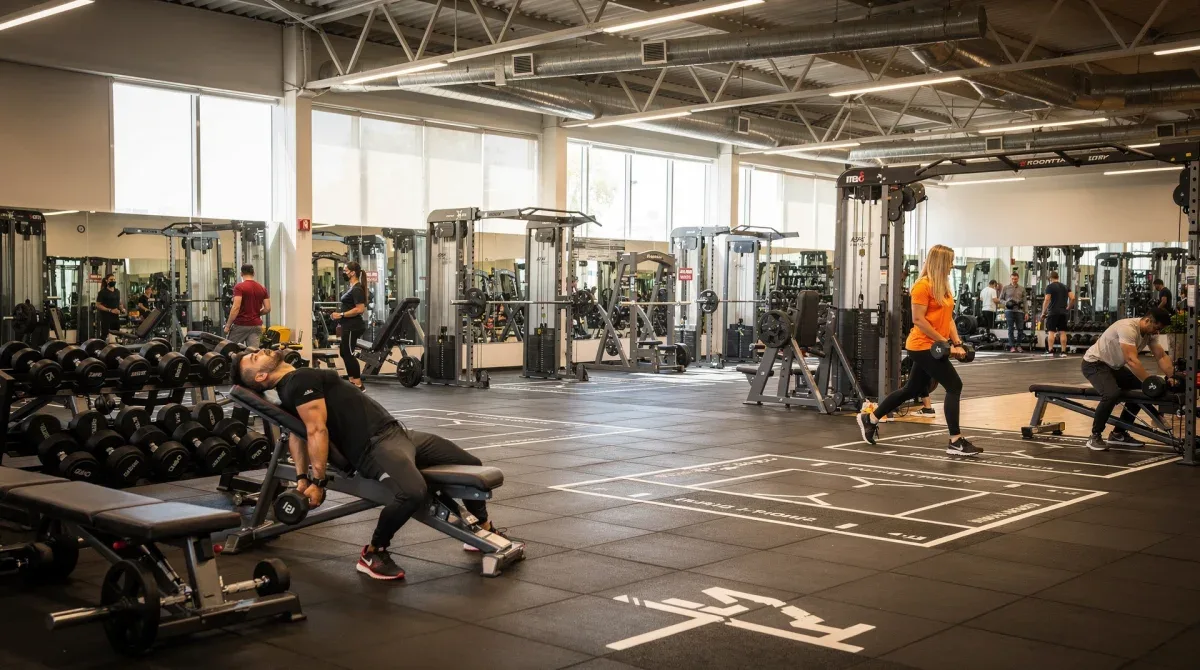
Simultaneously, commercial gyms are adapting their offerings to attract and retain these hybrid members. They are emphasizing specialized equipment, group classes, personal training, and amenities that are difficult to replicate at home. This strategic pivot ensures that gyms remain an indispensable part of the fitness ecosystem, offering unique value propositions that complement home workouts. The economic impact is a net positive for the fitness industry as a whole, driving innovation and expanding the market.
Technological integration: smart fitness and seamless transitions
Technology plays a crucial role in enabling and enhancing the hybrid fitness experience. From wearable devices that track activity across different environments to integrated apps that manage workout plans, nutrition, and recovery, digital tools are making the transition between home and gym seamless. This technological backbone is essential for the 58% of lifters who navigate both worlds.
Wearables and data synchronization
Modern fitness trackers and smartwatches provide comprehensive data on workouts, sleep, and overall health, irrespective of where the activity takes place. This data can be synchronized across various platforms, offering a holistic view of an individual's fitness journey. This consistency in tracking helps users understand their progress and adjust their routines accordingly, whether they're at home or in the gym.
- Unified performance tracking: Consolidating data from different workout environments into a single, accessible platform.
- Personalized workout recommendations: AI-driven insights that suggest optimal exercises based on past performance and goals.
- Community and challenge features: Connecting with friends and participating in virtual challenges, fostering motivation and engagement.
- Remote coaching and guidance: Access to personal trainers and structured programs that can be followed anywhere.
The integration of smart fitness equipment, such as interactive mirrors and connected strength machines, further blurrs the lines between home and commercial settings. These devices offer a personalized and immersive experience, bringing the expertise of trainers and the variety of gym classes directly into the home. This technological synergy is not just about convenience; it's about creating a more intelligent, responsive, and ultimately more effective fitness regimen.
Benefits of a hybrid approach for lifters
For the 58% of US lifters embracing the hybrid model, the benefits are multifaceted, impacting everything from consistency and motivation to overall physical results. This approach allows individuals to tailor their fitness journey to their unique lifestyles, maximizing efficiency and enjoyment.
Optimized training and improved consistency
The ability to choose between a home workout and a gym session based on daily circumstances significantly improves consistency. Bad weather, a busy schedule, or simply a preference for a specific type of workout no longer derail fitness plans. This flexibility ensures that training remains a regular part of life, reducing the likelihood of extended breaks that can hinder progress.
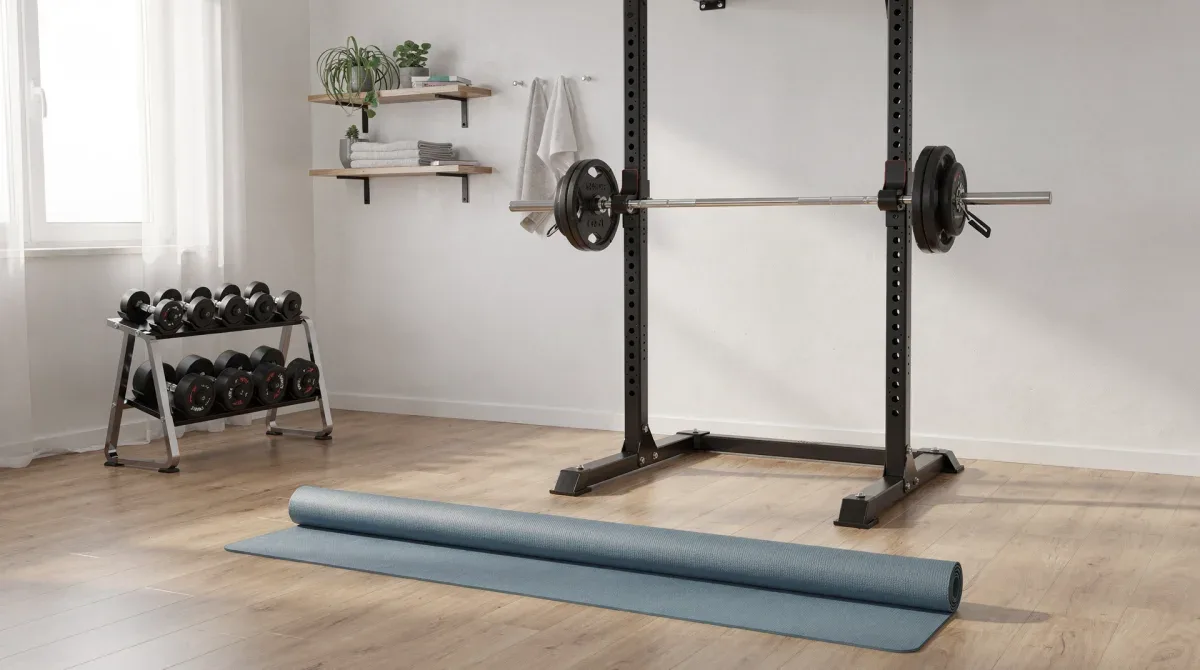
Moreover, hybrid fitness allows for optimized training. Heavy lifting and complex exercises might be best performed with the extensive equipment found in a commercial gym, while lighter, more focused sessions, or recovery work, can be conveniently done at home. This strategic allocation of workouts ensures that lifters are always using the most appropriate resources for their specific training goals.
Beyond physical benefits, the hybrid model often leads to greater mental engagement. The variety keeps workouts fresh and exciting, preventing boredom and plateaus. It also empowers individuals with a sense of control over their fitness, fostering a stronger sense of ownership and commitment. This combination of physical and psychological advantages makes hybrid fitness a powerful tool for long-term health and strength.
Challenges and considerations for hybrid fitness enthusiasts
While the hybrid fitness model offers numerous advantages, it also presents certain challenges and considerations that lifters should be aware of. Navigating both home and commercial gym environments requires careful planning and a strategic approach to equipment, space, and time management.
Managing equipment and space at home
One of the primary challenges for hybrid lifters is the initial investment and ongoing management of home gym equipment. While it offers convenience, selecting the right pieces that fit both budget and available space can be tricky. Over time, home equipment can accumulate, requiring dedicated storage and maintenance. It's crucial for individuals to prioritize versatile and space-saving options that align with their core workout needs.
- Initial investment costs: Weighing the expense of home equipment against the benefits of convenience and long-term use.
- Space constraints: Finding adequate room for equipment without cluttering living areas.
- Equipment maintenance: Ensuring home equipment is regularly cleaned and maintained for safety and longevity.
- Motivation and self-discipline: The need for strong internal motivation when working out independently at home.
Another consideration is the potential for redundancy in equipment or membership costs. Lifters need to assess whether their commercial gym membership still provides unique value if they have a well-equipped home gym. Striking the right balance ensures that resources are allocated efficiently, maximizing the benefits of the hybrid approach without unnecessary expenditures. Careful planning can mitigate these challenges, allowing lifters to fully embrace the advantages of a blended fitness routine.
The future of fitness: personalized, flexible, and integrated
The data suggesting that 58% of US lifters are now embracing a hybrid fitness model paints a clear picture of the future: fitness is becoming increasingly personalized, flexible, and integrated. This trend is unlikely to reverse; instead, it will continue to evolve, driven by technological advancements, changing lifestyles, and a deeper understanding of individual wellness needs.
Anticipating further innovations in hybrid fitness
We can expect further innovations in several areas. Smart home gym equipment will become even more sophisticated, offering advanced biometric tracking, AI-powered coaching, and immersive virtual experiences. Commercial gyms will likely continue to differentiate themselves by offering cutting-edge equipment, specialized classes, and community-focused events that cannot be easily replicated at home. The competitive landscape will push both sectors to provide superior value.
Furthermore, the integration between home and gym platforms will become more seamless, with universal apps and data ecosystems that allow for comprehensive tracking and personalized programming across all environments. This will empower users with unparalleled control over their fitness journey, enabling them to make informed decisions about where, when, and how they train. The future of fitness is about empowering the individual, offering a diverse array of options that cater to every preference and goal. The hybrid model is not just a trend; it is a testament to the ongoing evolution of health and wellness, promising a more adaptable and effective path to strength and vitality for all.
| Key Point | Brief Description |
|---|---|
| Hybrid Adoption | 58% of US lifters now combine home equipment with commercial gym memberships. |
| Driving Factors | Flexibility, convenience, cost-effectiveness, and training variety are key motivations. |
| Economic Impact | Boosts both home equipment sales and commercial gym memberships. |
| Future Outlook | Fitness will be more personalized, flexible, and technologically integrated. |
Frequently asked questions about hybrid fitness
What exactly is hybrid fitness?▼Hybrid fitness refers to a training approach where individuals combine workouts at home, typically using personal equipment, with sessions at commercial gyms. This allows for greater flexibility, access to a wider range of equipment, and the ability to tailor workouts to specific needs and schedules, optimizing the fitness journey.
Why are so many US lifters adopting this approach?▼US lifters are embracing hybrid fitness for several reasons, including increased flexibility, convenience, and cost-effectiveness. It provides access to specialized gym equipment while also offering the privacy and ease of home workouts. This blend helps maintain consistency and introduces variety into training routines, preventing boredom.
What are the main benefits of a hybrid fitness model?▼The primary benefits include enhanced workout consistency, optimized training through diverse equipment access, and improved motivation due to variety. It also allows for personalized scheduling, reducing barriers to exercise and ensuring that fitness goals can be pursued effectively regardless of daily circumstances or external factors.
How does technology support hybrid fitness?▼Technology plays a vital role through wearables, smart home gym equipment, and integrated fitness apps. These tools enable seamless data synchronization, personalized workout recommendations, and remote coaching. They help track progress across different environments, making the hybrid experience more cohesive, intelligent, and responsive to individual needs.
What should one consider before starting hybrid fitness?▼Before adopting hybrid fitness, consider the initial investment in home equipment, available space, and self-discipline for home workouts. It's also important to ensure your gym membership still provides unique value that complements your home setup, avoiding redundant costs and maximizing the benefits of both environments for an effective routine.
Conclusion
The data unequivocally points to a transformative shift in the American fitness landscape. The hybrid fitness boom, with 58% of US lifters now combining home and commercial gym workouts, is not merely a transient trend but a robust evolution driven by a desire for flexibility, personalization, and comprehensive wellness. This integrated approach offers unparalleled advantages, from optimized training consistency to a wider array of equipment and motivational factors. As technology continues to advance and individual needs become more nuanced, the hybrid model is poised to become the standard, paving the way for a more adaptable, effective, and sustainable future for fitness enthusiasts across the nation.
