Managing Glucose Spikes: 5 Rules for Stable Blood Sugar
Effectively managing glucose spikes is crucial for long-term health, and strategic meal sequencing can lead to up to 20% more stable blood sugar levels, preventing energy crashes and reducing chronic disease risk.
Are you tired of the energy rollercoaster after meals? Learning how to effectively implement strategies for managing glucose spikes can transform your well-being, leading to more stable energy and better health outcomes. This guide will walk you through five crucial meal sequencing rules that can keep your blood sugar up to 20% more stable.
Understanding glucose spikes and their impact
Glucose spikes, also known as post-meal blood sugar surges, are a common physiological response to eating, especially meals high in simple carbohydrates. While a temporary rise is normal, frequent or exaggerated spikes can have significant long-term health implications. Understanding these spikes is the first step toward proactive management.
When you consume carbohydrates, your body breaks them down into glucose, which enters your bloodstream. In response, your pancreas releases insulin to help transport glucose into your cells for energy. However, if glucose enters the bloodstream too quickly or in excessive amounts, the insulin response can be overwhelmed, leading to a rapid and often dramatic increase in blood sugar. This sudden surge is what we refer to as a glucose spike.
The ripple effect on your health
The immediate effects of a glucose spike can include fatigue, irritability, difficulty concentrating, and intense cravings for more sugary foods. Over time, consistent and high glucose spikes can contribute to more severe health issues. These include an increased risk of insulin resistance, type 2 diabetes, cardiovascular disease, and even certain neurological conditions.
- Insulin Resistance: Frequent spikes force the pancreas to work overtime, potentially leading to cells becoming less responsive to insulin.
- Weight Gain: Excess glucose, not used for immediate energy, is often stored as fat, contributing to weight gain and obesity.
- Inflammation: High blood sugar levels can promote systemic inflammation, a driver of many chronic diseases.
- Energy Crashes: The rapid drop in blood sugar after a spike can leave you feeling drained and seeking quick fixes.
Recognizing the profound impact of glucose spikes underscores the importance of adopting strategies to mitigate them. By understanding how different foods affect our blood sugar and implementing mindful eating practices, we can significantly improve our metabolic health and overall quality of life.
In conclusion, glucose spikes are more than just temporary discomforts; they are critical indicators of metabolic health that warrant attention. By grasping their mechanisms and consequences, we are better equipped to implement the meal sequencing rules that follow, paving the way for more stable blood sugar levels and improved well-being.
Rule 1: vegetables first – the fiber advantage
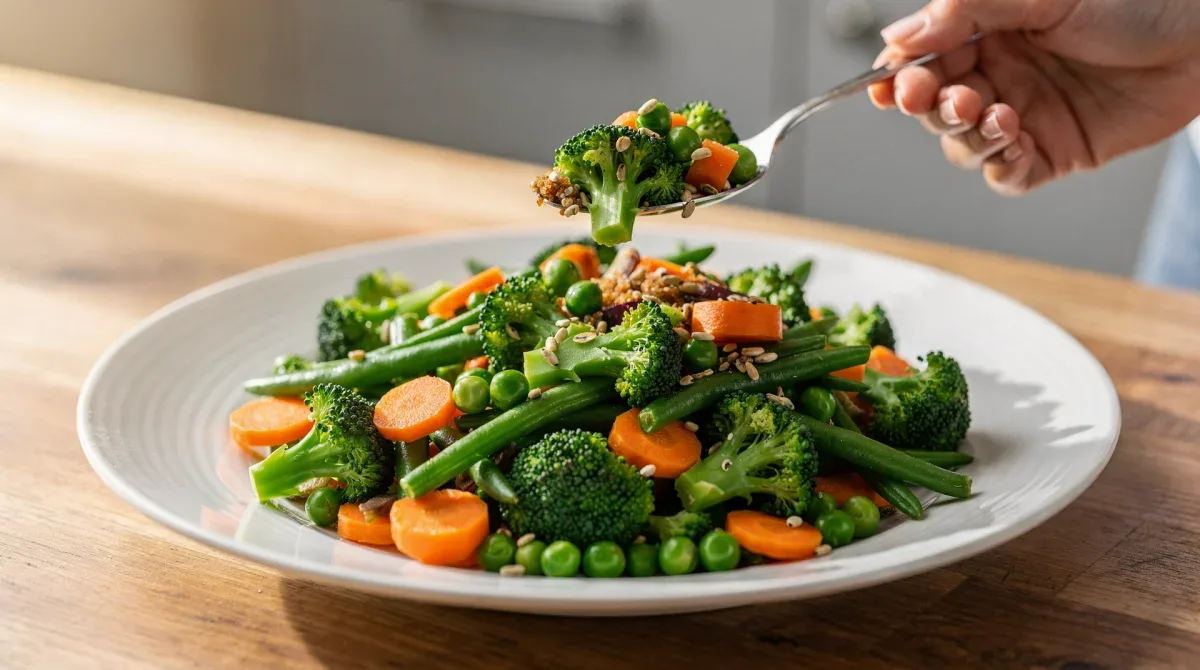
The first and arguably most impactful rule in managing glucose spikes is to begin your meal with vegetables. This simple change in eating order leverages the power of fiber to create a substantial buffer against rapid sugar absorption. Starting with a generous portion of non-starchy vegetables can significantly stabilize your blood sugar response.
Non-starchy vegetables like leafy greens, broccoli, bell peppers, and green beans are packed with dietary fiber. Fiber is a type of carbohydrate that your body cannot digest. Instead, it moves through your digestive system largely intact, slowing down the absorption of other nutrients, including glucose. When you eat vegetables first, this fiber creates a physical barrier in your gut, effectively blunting the glucose surge from subsequent carbohydrate intake.
How fiber impacts glucose absorption
The mechanism is straightforward yet powerful. The soluble fiber in vegetables forms a gel-like substance in your digestive tract, which delays gastric emptying. This means that food spends more time in your stomach, and carbohydrates are released into your small intestine more slowly. Consequently, glucose enters your bloodstream at a more gradual pace, preventing the sharp peaks that are characteristic of glucose spikes.
- Slower Digestion: Fiber physically slows down the rate at which food moves through your digestive system.
- Reduced Absorption Rate: Glucose is absorbed into the bloodstream more gradually, preventing sudden surges.
- Increased Satiety: Fiber also contributes to a feeling of fullness, which can help prevent overeating.
Incorporating this habit doesn't require drastic dietary overhauls. It simply means rearranging the order in which you consume your food. Instead of diving straight into your main course, take a few minutes to enjoy a side salad, a bowl of steamed vegetables, or even raw veggie sticks. This small but mighty adjustment can make a noticeable difference in your post-meal glucose levels.
By prioritizing vegetables at the start of your meal, you're not only boosting your fiber intake but also setting the stage for a more controlled and stable blood sugar response. This foundational rule is a cornerstone of effective glucose management, offering a simple yet potent strategy for better health.
Rule 2: protein and fats before carbohydrates
Following the vegetable-first approach, the next crucial step in managing glucose spikes is to consume your protein and healthy fats before you delve into carbohydrates. This sequencing strategy further optimizes your body's response to glucose, helping to keep blood sugar levels more stable. It's about strategically leveraging the digestive properties of different macronutrients.
Proteins and fats, unlike carbohydrates, have minimal direct impact on blood glucose levels. More importantly, they slow down the overall digestion process. When consumed before or alongside carbohydrates, proteins and fats create a physiological buffer that delays the entry of glucose into the bloodstream. This allows your body more time to process the incoming sugars, leading to a gentler and more sustained rise in blood sugar rather than an abrupt spike.
The science behind the sequence
Research indicates that eating protein and fat before carbohydrates can reduce post-meal glucose excursions by a significant margin. Proteins stimulate the release of gut hormones like GLP-1 (Glucagon-Like Peptide-1), which enhance insulin secretion and slow gastric emptying. Fats, while not directly impacting insulin, also contribute to slowed digestion and increased satiety, further reducing the overall glycemic load of the meal.

- Gastric Emptying: Protein and fat slow down how quickly food leaves your stomach, delaying carbohydrate absorption.
- Hormonal Response: Protein triggers hormones that improve insulin sensitivity and glucose uptake.
- Satiety: Both macronutrients contribute to feeling fuller for longer, potentially reducing total calorie intake.
Practically, this means enjoying your grilled chicken, fish, or tofu, along with some avocado or olive oil-dressed salad, before moving on to your rice, pasta, or bread. This doesn't mean eliminating carbohydrates, but rather being mindful of their placement within your meal. Even a small portion of protein and fat consumed first can make a noticeable difference.
By strategically placing protein and healthy fats at the beginning of your meal, you are actively working to modulate your body's glucose response. This rule, combined with starting with vegetables, forms a powerful duo for effective glucose management, contributing significantly to stable blood sugar levels and improved energy throughout the day.
Rule 3: mindful carbohydrate consumption
Once you've layered in your vegetables, protein, and healthy fats, it's time to approach carbohydrates with mindfulness. This rule isn't about eliminating carbs but about making smart choices and consuming them in a way that minimizes their impact on your blood sugar. The type, quantity, and preparation of carbohydrates all play a critical role in managing glucose spikes.
Opt for complex carbohydrates over simple ones whenever possible. Complex carbohydrates, found in whole grains, legumes, and starchy vegetables, contain more fiber and are digested more slowly than refined carbohydrates like white bread, sugary drinks, and pastries. This slower digestion leads to a more gradual release of glucose into the bloodstream, preventing sharp spikes.
Choosing the right carbs and portion control
Even with complex carbohydrates, portion control remains essential. Overeating any type of carbohydrate, regardless of its complexity, can still lead to a glucose spike. Pay attention to serving sizes and listen to your body's hunger and fullness cues. Combining carbohydrates with fiber, protein, and fat within the same meal also helps to mitigate their glycemic impact.
- Whole Grains: Choose brown rice, quinoa, oats, and whole-wheat bread over their refined counterparts.
- Legumes: Incorporate beans, lentils, and chickpeas for their fiber and protein content.
- Starchy Vegetables: Enjoy sweet potatoes, corn, and peas in moderation, mindful of portion sizes.
- Avoid Refined Sugars: Limit or eliminate added sugars and highly processed carbohydrate foods.
The way carbohydrates are prepared can also influence their glycemic response. For instance, cooling and reheating certain starchy foods, like potatoes and rice, can increase their resistant starch content, which acts like fiber and further slows glucose absorption. Al dente pasta, compared to overcooked pasta, also has a lower glycemic index.
By being mindful of your carbohydrate choices, quantities, and even preparation methods, you gain greater control over your blood sugar response. This rule emphasizes smart eating rather than restrictive eating, allowing you to enjoy carbohydrates as part of a balanced diet while effectively managing glucose spikes.
Rule 4: incorporate vinegar before meals
An often-overlooked yet highly effective strategy for managing glucose spikes is the incorporation of vinegar, particularly apple cider vinegar, before meals. This simple ritual can significantly blunt the post-meal rise in blood sugar, offering a natural and accessible tool for metabolic health. The benefits of vinegar extend beyond just glucose control.
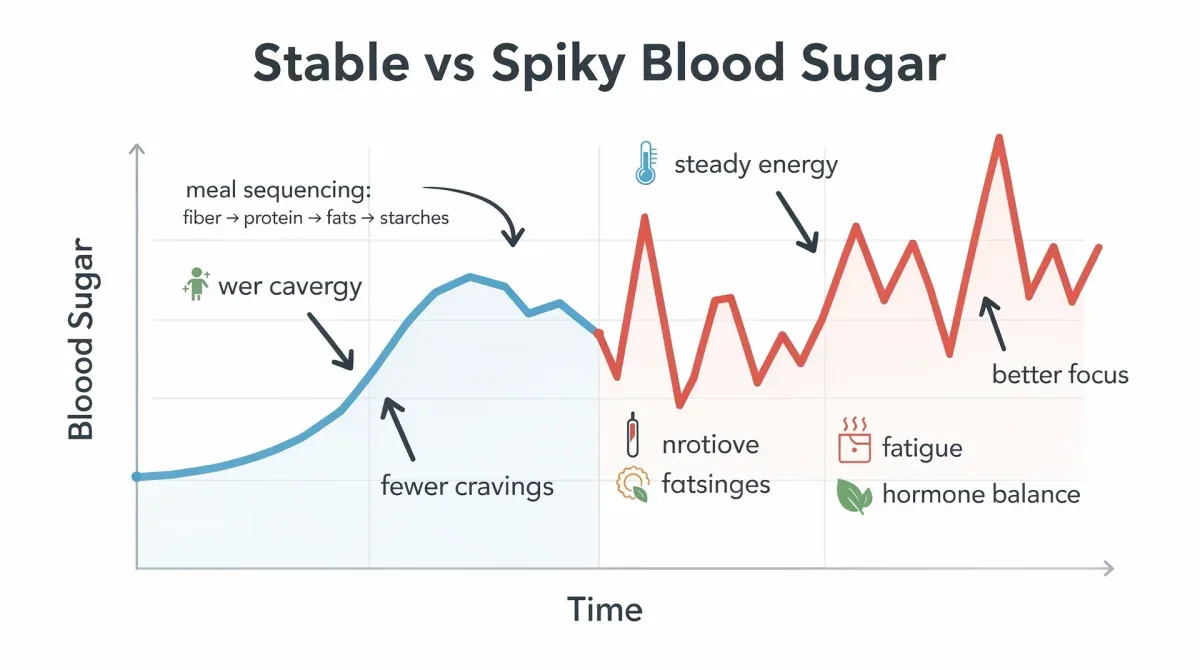
The acetic acid in vinegar is believed to be the primary active component responsible for its glucose-lowering effects. When consumed before a meal, acetic acid works through several mechanisms. It can slow down gastric emptying, similar to fiber, meaning food stays in your stomach longer and carbohydrates are released into the small intestine more gradually. This directly reduces the rate at which glucose enters your bloodstream.
Mechanisms of action and practical application
Furthermore, acetic acid may also improve insulin sensitivity, making your cells more efficient at absorbing glucose from the blood. Some studies suggest it can also suppress hepatic glucose production, meaning your liver produces less glucose. These combined effects contribute to a smoother and lower blood sugar curve after eating, even for meals containing carbohydrates.
- Slows Gastric Emptying: Delays the absorption of glucose into the bloodstream.
- Improves Insulin Sensitivity: Helps cells utilize glucose more effectively.
- Reduces Glucose Production: May decrease the liver's output of glucose.
To implement this rule, simply mix one to two tablespoons of apple cider vinegar (or any other vinegar) with a glass of water and drink it 10-15 minutes before your meal. If the taste is too strong, you can dilute it further or use it as a base for a salad dressing. It's important to always dilute vinegar to protect your tooth enamel.
Incorporating vinegar before meals is a straightforward and scientifically supported method to enhance your glucose management strategy. It complements the meal sequencing rules by providing an additional layer of protection against sharp blood sugar rises, making your efforts even more effective in achieving metabolic stability.
Rule 5: move after you eat – the post-meal stroll
The final, yet equally important, rule for effectively managing glucose spikes is to engage in light physical activity after eating. A post-meal stroll or any gentle movement can significantly help your body process glucose more efficiently, preventing it from lingering in your bloodstream and causing unwanted spikes. This simple habit harnesses your muscles' natural ability to absorb glucose.
When you move, your muscles contract and demand energy. This energy can be readily supplied by the glucose circulating in your blood. Even a short walk or light chores can prompt your muscles to take up glucose, effectively lowering your blood sugar levels. This effect is particularly pronounced after a meal when glucose levels are naturally elevated.
Optimal timing and intensity for movement
The ideal time to engage in post-meal movement is within 30 to 60 minutes after finishing your meal. You don't need to embark on an intense workout; a gentle 10 to 15-minute walk is often sufficient. The key is consistency and making it a regular part of your routine. The benefits accumulate over time, contributing to overall better glucose control.
- Muscle Glucose Uptake: Physical activity stimulates muscles to absorb glucose from the blood.
- Improved Insulin Sensitivity: Regular movement can enhance your body's response to insulin.
- Reduced Sedentary Time: Breaks up prolonged sitting, which is also beneficial for metabolic health.
Consider incorporating a short walk after lunch and dinner, or even standing and moving around for a few minutes if a walk isn't feasible. Simple activities like washing dishes, light gardening, or tidying up can also contribute. The goal is to avoid prolonged sitting immediately after eating, which allows glucose to remain in the bloodstream for longer periods.
By embracing post-meal movement, you're actively assisting your body in metabolizing glucose and promoting a healthier blood sugar response. This rule acts as a powerful complement to mindful eating, ensuring that your efforts in meal sequencing translate into tangible benefits for your metabolic health and sustained energy levels.
Integrating meal sequencing into daily life
Understanding the five meal sequencing rules is one thing; successfully integrating them into your daily routine is another. The goal isn't to create rigid, unsustainable dietary restrictions, but rather to foster mindful eating habits that naturally lead to better glucose control. This section will provide practical tips for making these rules a seamless part of your lifestyle.
The first step is often preparation. Planning your meals and snacks in advance can help ensure you have the right components available for each rule. For example, having pre-chopped vegetables ready for a quick salad or steamed side can make starting with fiber much easier. Similarly, ensuring you have lean protein sources readily accessible supports the protein-first approach.
Practical tips for sustainable change
Don't try to implement all five rules perfectly from day one. Start with one or two rules that seem most manageable for you and gradually add others as you feel comfortable. For instance, you might begin by always eating a small salad before your main course, then introduce the protein-before-carb rule the following week.
- Meal Prep: Prepare vegetables and protein sources in advance to simplify mealtime decisions.
- Small Changes: Introduce one rule at a time to avoid feeling overwhelmed.
- Listen to Your Body: Pay attention to how different food combinations and sequences affect your energy and satiety.
- Hydration: Drink plenty of water throughout the day, especially before meals, to aid digestion and fullness.
- Experiment: Discover which vegetables, proteins, and healthy fats you enjoy most in your meal sequencing.
Eating out or attending social gatherings doesn't have to derail your efforts. You can still apply these principles by choosing appetizers that are vegetable or protein-based, asking for extra vegetables with your meal, and being mindful of carbohydrate portions. Even small adjustments can make a difference.
By approaching meal sequencing with flexibility and a focus on gradual, sustainable changes, you can successfully integrate these powerful rules into your daily life. This integration will not only help in managing glucose spikes but also contribute to an overall healthier, more energetic, and balanced lifestyle.
| Key Rule | Brief Description |
|---|---|
| Vegetables First | Start meals with fiber-rich non-starchy vegetables to slow glucose absorption. |
| Protein & Fats First | Consume protein and healthy fats before carbohydrates to further blunt glucose spikes. |
| Mindful Carbs | Choose complex carbohydrates, practice portion control, and consider preparation methods. |
| Move After Eating | Engage in light physical activity after meals to help muscles absorb glucose. |
Frequently asked questions about glucose management
Why is meal sequencing so important for blood sugar?▼Meal sequencing is vital because the order in which you eat different food components significantly influences how quickly glucose enters your bloodstream. By strategically consuming fiber, protein, and fats before carbohydrates, you can slow digestion and absorption, leading to a much more stable and controlled blood sugar response after meals.
Can these rules help prevent type 2 diabetes?▼Yes, consistently managing glucose spikes through meal sequencing and other lifestyle adjustments can play a crucial role in preventing type 2 diabetes. By reducing the burden on your pancreas and improving insulin sensitivity over time, these practices help maintain healthy metabolic function and reduce the risk of insulin resistance, a precursor to diabetes.
What if I can't eat vegetables first for every meal?▼While ideal, it's okay if you can't always start with vegetables. The goal is progress, not perfection. If you can't have a separate vegetable course, try to ensure your meal is rich in vegetables and eat them alongside or immediately after your protein and fats. Any effort to incorporate fiber early in the meal is beneficial.
How quickly will I see results from meal sequencing?▼Many individuals report feeling immediate differences in their energy levels and reduced post-meal fatigue within days of consistently applying meal sequencing rules. Measurable changes in blood glucose stability, such as a 20% reduction in spikes, can often be observed within a few weeks, especially when combined with a balanced diet and regular activity.
Is apple cider vinegar safe for everyone?▼While generally safe, apple cider vinegar should always be diluted to protect tooth enamel and avoid esophageal irritation. Individuals with certain medical conditions, especially those affecting the stomach or kidneys, or those on specific medications, should consult a healthcare professional before incorporating it into their routine to ensure it's appropriate for them.
Conclusion
Mastering the art of meal sequencing is a powerful, yet often underestimated, tool in your journey toward optimal health. By consistently applying these five simple rules—starting with vegetables, prioritizing protein and fats, mindfully consuming carbohydrates, incorporating vinegar, and moving after meals—you can significantly improve your body's ability to manage glucose spikes. This proactive approach not only leads to more stable blood sugar levels and sustained energy but also plays a vital role in reducing the risk of chronic diseases. Embrace these habits, and transform your relationship with food for a healthier, more vibrant life.
