Morning Sunlight Habit: Boost Melatonin by 50%
The 10-minute morning sunlight habit can significantly enhance natural melatonin production by 50%, optimizing your sleep cycle and contributing to overall health and well-being.
Are you looking for a simple, natural way to significantly improve your sleep and overall well-being? Embracing the 10-minute morning sunlight habit that enhances natural melatonin production by 50% could be the game-changer you need. This straightforward practice, deeply rooted in our biology, offers profound benefits that extend far beyond just a good night's rest.
Understanding melatonin and its critical role
Melatonin, often hailed as the 'sleep hormone,' is far more than just a chemical that makes you drowsy. It's a powerful regulator of your body's internal clock, known as the circadian rhythm. This rhythm dictates countless physiological processes, from sleep-wake cycles to hormone release and even body temperature. When your melatonin production is optimized, your entire system functions more harmoniously.
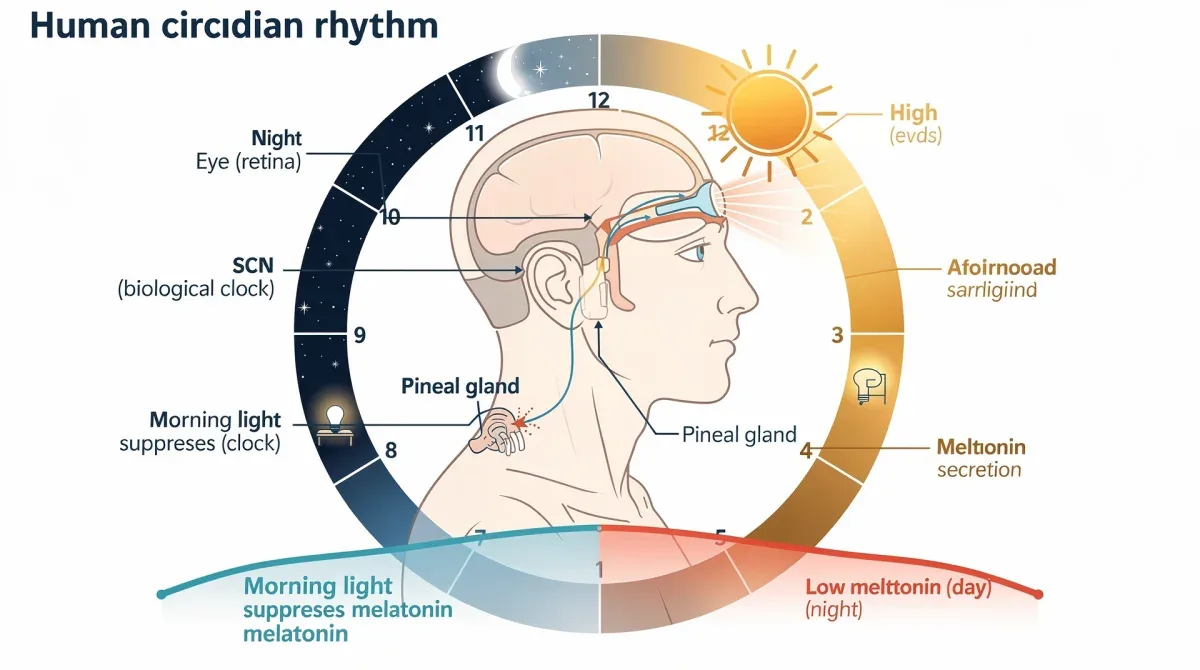
The pineal gland, a small endocrine gland in the brain, is primarily responsible for melatonin synthesis. Its activity is profoundly influenced by light exposure. Darkness signals the pineal gland to produce melatonin, preparing your body for sleep, while light, particularly bright light, suppresses its production, signaling wakefulness. This intricate dance between light and darkness is fundamental to maintaining a healthy circadian rhythm.
The impact of light on hormone regulation
- Morning Light: Signals to your brain that it's daytime, suppressing melatonin and boosting cortisol, which helps you feel alert and energized.
- Evening Darkness: Promotes melatonin production, signaling your body to wind down and prepare for sleep.
- Artificial Light: Exposure to blue light from screens in the evening can disrupt melatonin production, making it harder to fall asleep.
Beyond sleep, melatonin also acts as a potent antioxidant, protecting cells from damage caused by free radicals. Some research suggests it plays a role in immune function, mood regulation, and even exhibits anti-inflammatory properties. Therefore, optimizing your natural melatonin production isn't just about sleeping better; it's about supporting a wide array of vital bodily functions that contribute to overall health and longevity.
In essence, melatonin is a cornerstone of good health, intricately linked to our exposure to natural light. Understanding its profound impact underscores why practices like morning sunlight exposure are not just fads, but scientifically backed strategies for enhancing our well-being.
The science behind morning sunlight and melatonin enhancement
The connection between morning sunlight and enhanced melatonin production is a fascinating interplay of neurobiology and environmental cues. When your eyes perceive bright morning light, specific photoreceptors in your retina, called intrinsically photosensitive retinal ganglion cells (ipRGCs), send signals directly to the suprachiasmatic nucleus (SCN) in your brain. The SCN is the master clock that governs your circadian rhythm.
This early morning light exposure acts as a powerful 'zeitgeber' or time-giver, effectively resetting your internal clock each day. By signaling to your brain that the day has begun, it helps to consolidate the timing of your sleep-wake cycle. Crucially, this strong morning signal ensures that when darkness falls later in the day, your pineal gland receives an unequivocal cue to initiate robust melatonin synthesis. The stronger the morning signal, the more clearly your body differentiates between day and night, leading to a more pronounced and timely melatonin surge when it's time to sleep.
How light intensity matters
It's important to differentiate between indoor artificial light and natural outdoor light. Even on a cloudy day, outdoor light is significantly brighter than typical indoor lighting. For instance, a brightly lit office might provide 300-500 lux, whereas outdoor morning light can easily range from 10,000 to 50,000 lux or more, even under overcast skies. This intensity is key to effectively stimulating the ipRGCs and signaling the SCN.
- Intensity: Outdoor light, even indirect, is far more potent than any indoor light source for circadian rhythm regulation.
- Spectrum: Natural sunlight contains the full spectrum of light, including the blue wavelengths most effective at signaling the SCN.
- Timing: Early morning exposure is critical; light exposure later in the day can shift your circadian rhythm in undesirable ways.
Scientific studies have consistently shown that individuals who receive adequate bright light exposure in the morning tend to have earlier and more robust melatonin onset in the evening, leading to improved sleep quality and duration. This physiological response is not just about suppressing melatonin in the morning, but about setting the stage for its optimal release at night. The body's ability to produce melatonin is a capacity that needs to be 'primed' by appropriate light signals. Without clear morning light signals, the distinction between day and night blurs for your internal clock, potentially leading to delayed or blunted melatonin production, contributing to sleep difficulties and circadian misalignment.
Therefore, the simple act of stepping outside for a few minutes each morning isn't just a pleasant start to your day; it's a powerful biological intervention that optimizes your body's natural sleep-regulating machinery.

Implementing the 10-minute morning sunlight habit
Adopting the 10-minute morning sunlight habit is remarkably simple, yet its impact can be profound. The key is consistency and timing. The ideal window for this exposure is within the first hour of waking, preferably as close to sunrise as possible. This is when the light is most effective at signaling your circadian rhythm without being overly harsh.
Upon waking, make it a point to head outside. You don't need to stare directly at the sun; simply being outdoors with your eyes open, allowing natural light to enter, is sufficient. If going outside isn't immediately feasible, position yourself near a window where you can receive direct, unfiltered sunlight. Avoid wearing sunglasses during this time, as they filter out the crucial wavelengths needed to stimulate your ipRGCs. If you wear corrective lenses, that's perfectly fine; they don't block the necessary light spectrum.
For those living in urban environments or areas with limited outdoor access, or during winter months with shorter daylight hours, a bright light therapy lamp can be a viable alternative. These lamps are designed to emit light at an intensity and spectrum similar to natural sunlight, effectively mimicking its circadian-regulating effects. However, natural light is always the preferred option due to its broad spectrum and environmental cues.
Practical steps for success
- Consistency is Key: Aim for daily exposure, even on cloudy days, as ambient light still provides benefits.
- Unfiltered Light: Avoid windows that filter UV light if possible; direct outdoor exposure is best.
- Combine with Activity: Use this time to drink water, stretch, or simply enjoy a moment of mindfulness.
- No Sunglasses: Allow the light to directly reach your eyes.
The beauty of this habit lies in its simplicity and accessibility. It doesn't require expensive equipment or complex routines. Just 10 minutes, consistently applied, can recalibrate your body's internal clock, setting the stage for improved melatonin production and a more regulated sleep-wake cycle. Make it a non-negotiable part of your morning routine, much like brushing your teeth, and observe the transformative effects on your energy levels and sleep quality.
Expected benefits beyond sleep improvement
While the primary benefit of the 10-minute morning sunlight habit is its profound impact on sleep quality through enhanced melatonin production, its advantages extend far beyond the realm of nocturnal rest. Optimizing your circadian rhythm through consistent morning light exposure initiates a cascade of positive physiological and psychological effects that contribute significantly to overall well-being.
One of the most immediate and noticeable benefits is an improvement in mood and energy levels. Morning light exposure helps regulate neurotransmitters like serotonin, often referred to as the 'feel-good' hormone. Higher serotonin levels during the day can lead to increased feelings of well-being, reduced symptoms of depression, and enhanced alertness. This natural boost in mood can translate into greater productivity, better focus, and a more positive outlook throughout your waking hours. Many people report feeling more energized and less reliant on caffeine after consistently adopting this habit.
Far-reaching health impacts
- Enhanced Cognitive Function: A well-regulated circadian rhythm supports optimal brain function, including memory, attention, and problem-solving abilities.
- Immune System Support: Melatonin and a balanced circadian rhythm play crucial roles in immune system regulation, potentially strengthening your body's defenses.
- Metabolic Health: Circadian misalignment has been linked to metabolic disorders. Regular light exposure helps maintain metabolic balance, influencing hormone regulation related to appetite and blood sugar.
- Vitamin D Synthesis: While not the primary mechanism for melatonin enhancement, morning sunlight also contributes to Vitamin D production, which is vital for bone health, immune function, and mood.
Moreover, consistent morning light exposure can help stabilize appetite and digestion. Our digestive system also operates on a circadian rhythm, and proper light cues help ensure that hunger hormones and metabolic processes are aligned with our active periods, potentially aiding in weight management and reducing cravings for unhealthy foods. The holistic impact of this simple habit touches upon virtually every system in the body, creating a synergistic effect that promotes robust health.
Therefore, viewing the 10-minute morning sunlight habit solely as a sleep aid would be an understatement. It is a fundamental practice that recalibrates your entire biological system, fostering a state of balance and vitality that ripples through your physical and mental health. Embracing this habit is an investment in your holistic well-being.
Common pitfalls and how to avoid them
While the 10-minute morning sunlight habit is straightforward, certain pitfalls can diminish its effectiveness. Being aware of these common mistakes and actively working to avoid them will ensure you reap the full benefits of this powerful practice. One of the most frequent errors is not getting enough intensity from the light source. Many people assume sitting by a window indoors is sufficient, but most modern windows filter out critical UV light and significantly reduce light intensity, making it far less effective than direct outdoor exposure.
Another common mistake is inconsistent timing. Your circadian rhythm thrives on regularity. If you expose yourself to morning light at different times each day, your internal clock struggles to establish a stable rhythm. Aim for exposure within the same 30-60 minute window each morning, even on weekends. This consistency reinforces the signal to your brain and solidifies your sleep-wake cycle.

Troubleshooting your morning light routine
- Wearing Sunglasses: Sunglasses block the specific wavelengths of light that stimulate the ipRGCs, rendering the exposure largely ineffective. Remove them during your 10 minutes.
- Late-Night Light Exposure: Counteracting morning light with excessive artificial light, especially blue light from screens, in the evening can disrupt your newly established rhythm. Implement an evening 'light hygiene' routine.
- Insufficient Duration: While 10 minutes is a good baseline, some individuals, especially during darker winter months or in less sunny climates, might benefit from 15-20 minutes of exposure.
- Over-reliance on Artificial Light: While light therapy lamps can be helpful, they should supplement, not entirely replace, natural outdoor light when available.
Furthermore, neglecting other foundational sleep hygiene practices can undermine the benefits of morning light. A dark, cool, and quiet bedroom, a consistent bedtime, and avoiding heavy meals or caffeine before bed are all crucial components of a healthy sleep environment. Morning sunlight sets the stage, but the rest of your daily habits must support the performance.
By consciously avoiding these common pitfalls and integrating the 10-minute morning sunlight habit into a broader framework of healthy lifestyle choices, you can maximize its potential to enhance your natural melatonin production and significantly improve your sleep and overall health.
Integrating morning sunlight with other healthy habits
The true power of the 10-minute morning sunlight habit is magnified when it's integrated seamlessly with other healthy lifestyle practices. Think of it as a cornerstone that enhances the efficacy of your entire wellness routine. By aligning your body's natural rhythms with other beneficial habits, you create a synergistic effect that promotes holistic health and well-being. This integrated approach ensures that your efforts in one area of health reinforce positive outcomes in others.
Consider pairing your morning sunlight exposure with a brief period of mindful movement or gentle exercise. A short walk outdoors while soaking in the morning rays not only provides the crucial light signal but also kickstarts your metabolism, improves circulation, and releases endorphins, further boosting your mood and energy. This combination sets a powerfully positive tone for the rest of your day, making you feel more awake and ready to tackle tasks.
Synergistic wellness practices
- Hydration: Drink a glass of water immediately after waking, and perhaps during your sun exposure. This rehydrates your body after hours of sleep and aids in overall bodily functions.
- Mindful Eating: Have a nutritious breakfast shortly after your morning light exposure. This reinforces the 'daytime' signal and provides sustained energy.
- Digital Detox: Avoid immediately checking your phone or email during your morning sunlight time. Use these 10 minutes for focused light exposure and quiet reflection, reducing early-morning stress.
- Consistent Bedtime: Just as important as morning light is maintaining a regular sleep schedule, going to bed and waking up around the same time each day, even on weekends.
Moreover, incorporating stress-reduction techniques, such as meditation or deep breathing exercises, during or immediately after your morning light session can amplify the benefits. The serene environment of early morning, coupled with the natural light, provides an ideal setting for these calming practices, further regulating your nervous system and preparing you for a productive day. This holistic approach means that each healthy habit doesn't just stand alone, but contributes to a stronger, more resilient foundation for your health.
By thoughtfully weaving the 10-minute morning sunlight habit into a tapestry of other health-promoting routines, you create a powerful daily ritual that supports your circadian rhythm, enhances melatonin production, and cultivates a state of optimal physical and mental vitality. It's about building a lifestyle where each choice supports the next, leading to sustained well-being.
The long-term impact on natural melatonin production
The true value of the 10-minute morning sunlight habit lies not just in its immediate benefits but in its profound long-term impact on your body's natural melatonin production and overall health. Consistency over time fundamentally recalibrates your circadian rhythm, making your internal clock more robust and resilient. This isn't a temporary fix; it's a sustainable strategy for optimizing a core physiological process that governs countless aspects of your well-being.
With regular morning light exposure, your body learns to reliably anticipate the day-night cycle. This leads to a more predictable and robust surge of melatonin in the evening, precisely when you need it for sleep. Over weeks and months, this consistent signaling strengthens the neural pathways involved in melatonin synthesis, potentially leading to a sustained enhancement in its natural production. This means you might find yourself falling asleep more easily, experiencing deeper, more restorative sleep, and waking up feeling more refreshed and energized, without relying on external aids.
Sustaining the benefits
The long-term commitment to this habit also helps to mitigate the negative effects of modern lifestyles, such as excessive indoor time and artificial light exposure. In an increasingly digital world, our natural light cues are often disrupted, leading to widespread circadian misalignment. The morning sunlight habit serves as a powerful antidote, re-anchoring your biology to the natural world.
- Circadian Rhythm Stability: Long-term consistency creates a stable and predictable sleep-wake cycle, resistant to minor disruptions.
- Reduced Sleep Latency: Many individuals report a significant reduction in the time it takes to fall asleep after consistent morning light exposure.
- Improved Sleep Architecture: Enhanced melatonin production is associated with a greater proportion of restorative deep sleep and REM sleep.
- Enhanced Resilience: A well-regulated circadian rhythm contributes to better stress management and emotional stability over time.
Furthermore, the cumulative effects on mood, cognitive function, and metabolic health continue to build over time. You might notice improved mental clarity, reduced anxiety, and a more stable mood as your body's rhythms become more harmonized. This sustained optimization of melatonin production and circadian rhythm can be a powerful preventative measure against various health issues linked to sleep deprivation and chronic circadian disruption, including cardiovascular disease, diabetes, and mental health disorders.
In conclusion, the 10-minute morning sunlight habit is more than a simple trick; it's a foundational practice that, when maintained consistently, offers enduring benefits by permanently enhancing your natural melatonin production, ensuring a lifetime of better sleep and superior health.
| Key Aspect | Brief Description |
|---|---|
| Melatonin Enhancement | Morning sunlight boosts natural melatonin production by up to 50% for better sleep. |
| Circadian Rhythm | Resets your body's internal clock, synchronizing sleep-wake cycles. |
| Beyond Sleep | Improves mood, energy, cognitive function, and metabolic health. |
| Implementation | 10 minutes outdoors within an hour of waking, no sunglasses. |
Frequently asked questions about morning sunlight and melatonin
How does morning sunlight directly increase melatonin production?▼Morning sunlight doesn't directly increase melatonin in the morning; rather, it suppresses melatonin and sets a strong signal for your body's circadian clock. This clear distinction between day and night allows for a more robust and timely melatonin surge when darkness falls in the evening, optimizing your sleep-wake cycle.
Is it necessary to be outside for the 10-minute habit, or can I sit by a window?▼For optimal results, it is highly recommended to be outside. Window glass filters out crucial wavelengths and significantly reduces light intensity, making it less effective than direct outdoor exposure. Even on cloudy days, outdoor light is far more potent than indoor light for regulating your circadian rhythm.
What if I live in a region with limited morning sunlight, especially in winter?▼If natural morning sunlight is limited, a high-quality bright light therapy lamp (10,000 lux) can be a good substitute. Use it for 20-30 minutes within the first hour of waking. However, always prioritize natural light when available, even if it's cloudy, as ambient light still provides benefits.
Can this habit help with specific sleep disorders like insomnia?▼Yes, regulating your circadian rhythm through morning light exposure is a foundational strategy for improving sleep quality and can be highly beneficial for individuals struggling with insomnia. By optimizing melatonin production and sleep timing, it helps consolidate sleep and reduce sleep onset latency. Consult a healthcare professional for personalized advice.
Are there any negative side effects to getting morning sunlight?▼For most people, 10-15 minutes of morning sunlight exposure without sunglasses is safe and beneficial. Avoid staring directly at the sun. If you have light-sensitive eyes or a medical condition, consult your doctor. The goal is ambient light exposure, not direct sun gazing, to stimulate the necessary photoreceptors.
Conclusion
The 10-minute morning sunlight habit is a simple, yet profoundly effective, strategy for enhancing natural melatonin production by 50% and recalibrating your entire biological system. By consistently exposing your eyes to natural light within an hour of waking, you send a powerful signal to your brain, optimizing your circadian rhythm and setting the stage for improved sleep, mood, energy, and overall health. This accessible practice is a cornerstone of holistic well-being, offering a natural and sustainable pathway to a more balanced and vibrant life.
