Plant-Based Protein Market: 22% Share in US Athletics
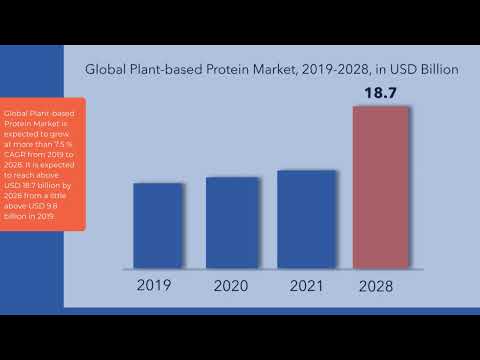
The plant-based protein market has captured a significant 22% share in US athletics, propelled by clean-label certifications and a growing demand from athletes seeking sustainable and effective nutritional alternatives for performance and recovery.
The landscape of sports nutrition is undergoing a profound transformation, with the plant-based protein market asserting an unprecedented influence. Reaching a record 22% share in US athletics, this shift is not merely a trend but a testament to evolving consumer preferences and rigorous clean-label certifications.
The rise of plant-based protein in athletic performance
The journey of plant-based protein from niche dietary choice to mainstream athletic staple has been remarkable. Athletes across various disciplines are increasingly recognizing the benefits of plant-derived protein sources for muscle synthesis, recovery, and overall well-being. This paradigm shift is fueled by a confluence of factors, including ethical considerations, environmental awareness, and a scientific understanding of plant-based nutrition.
Historically, animal-based proteins dominated the sports nutrition industry. However, as research expands and consumer values evolve, plant proteins are proving to be equally, if not more, effective for athletic performance when properly formulated and consumed. The perception that plant proteins are somehow inferior or incomplete is rapidly diminishing, replaced by an appreciation for their comprehensive nutritional profiles.
Understanding the nutritional advantages
Plant-based proteins offer a wealth of micronutrients, fiber, and antioxidants that are often less prevalent in animal-based alternatives. These components play crucial roles in reducing inflammation, improving gut health, and enhancing overall cellular function, all of which are vital for athletes.
- Reduced inflammation: Many plant proteins come with anti-inflammatory compounds.
- Improved gut health: Fiber content supports a healthy microbiome.
- Rich in micronutrients: Vitamins, minerals, and antioxidants are abundant.
- Sustainable source: Lower environmental impact compared to animal proteins.
The integration of plant-based protein into an athlete's diet can lead to sustained energy levels and quicker recovery times, attributes highly valued in competitive sports. The market's growth reflects a deeper understanding among athletes and nutritionists that optimal performance can be achieved through diverse and ethically conscious food choices. This section underscores the fundamental reasons behind the surge in plant-based protein adoption within the US athletic community, setting the stage for a deeper dive into the market dynamics.
Clean-label certifications: A game changer for trust
The significant growth of the plant-based protein market in US athletics is inextricably linked to the emergence and widespread adoption of clean-label certifications. In an industry often scrutinized for ingredient transparency and purity, these certifications provide a crucial layer of trust and assurance for athletes and consumers alike. A clean label signifies products that are free from artificial ingredients, synthetic colors, flavors, and unnecessary additives, often emphasizing minimal processing and recognizable ingredients.
For athletes, who are meticulously mindful of what they put into their bodies to optimize performance and health, clean-label products offer peace of mind. They can be confident that their protein supplements are not only effective but also free from potentially harmful or undeclared substances. This shift towards transparency has been a powerful catalyst for the plant-based sector, which often aligns naturally with these values.
The impact on consumer confidence
Clean-label certifications, such as those from Informed-Sport, NSF Certified for Sport, or the Non-GMO Project Verified, are not just marketing tools; they represent rigorous third-party testing and verification processes. These processes ensure that products meet stringent standards for purity, potency, and absence of banned substances, which is critical for competitive athletes.
- Ingredient transparency: Clear and understandable ingredient lists.
- Absence of banned substances: Essential for drug-tested athletes.
- Minimal processing: Focus on whole, natural ingredients.
- Third-party verification: Independent assurance of quality and safety.
The demand for clean labels has pushed manufacturers to reformulate products, source higher-quality ingredients, and invest in robust testing protocols. This commitment to transparency has resonated deeply with the athletic community, who are increasingly seeking products that support both their performance goals and their broader health and ethical values. The direct correlation between clean-label certifications and market share growth highlights their indispensable role in building consumer trust and driving the plant-based protein movement forward.
Athlete testimonials and professional endorsement
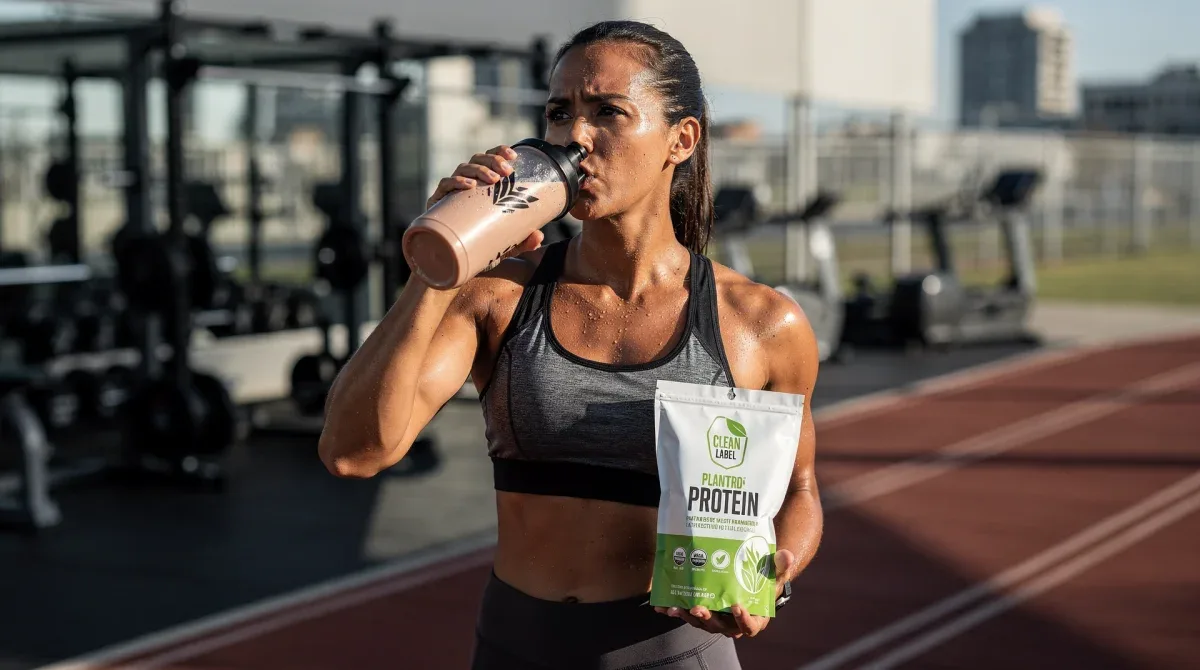
The rising prominence of the plant-based protein market in US athletics isn't solely a result of scientific findings or market trends; it's also heavily influenced by the powerful endorsements and personal experiences of elite athletes. When professional athletes, who are often seen as paragons of physical excellence and discipline, publicly advocate for plant-based nutrition, it sends a strong message to their peers and aspiring athletes.
These testimonials go beyond mere advertising; they offer tangible proof of concept. Athletes share stories of improved recovery, sustained energy, reduced inflammation, and enhanced overall well-being after transitioning to or incorporating more plant-based proteins into their diets. Such narratives resonate deeply, as they come from individuals whose livelihoods depend on their physical peak performance, adding a layer of credibility that scientific papers alone might not achieve for a broader audience.
Real-world impact on athletic careers
From NFL players and NBA stars to Olympic medalists and ultra-marathoners, an increasing number of high-profile athletes are openly embracing plant-based diets. Their success on the field, court, or track serves as compelling evidence that plant proteins can adequately fuel the most demanding physical regimes. This visibility helps to dismantle lingering myths about protein deficiency in plant-based diets and inspires others to explore these options.
The ripple effect of these endorsements is profound. It normalizes plant-based eating within competitive sports cultures and encourages sports dietitians and trainers to consider and recommend plant-based options more readily. This shift in professional opinion further solidifies the position of plant-based proteins as a legitimate and highly effective component of an athlete's nutritional strategy. The experiences shared by these athletes provide a powerful narrative, bridging the gap between scientific understanding and practical application in the demanding world of sports.
Innovation in plant-based protein products
The burgeoning success of the plant-based protein market in US athletics is not just about changing dietary preferences; it’s also a testament to significant innovation in product development. Manufacturers are continuously pushing the boundaries to create plant-based protein supplements that not only deliver on nutritional promises but also excel in taste, texture, and versatility. This innovation addresses past criticisms regarding the palatability and mixability of some early plant protein offerings, making them more appealing to a wider athletic demographic.
Today’s market features an impressive array of plant-based protein sources, including pea, rice, hemp, soy, and various blends, each offering unique amino acid profiles and benefits. Companies are investing heavily in research and development to optimize these ingredients, ensuring they provide complete amino acid profiles comparable to animal proteins, crucial for muscle repair and growth.
Emerging product categories and formulations
Beyond traditional protein powders, the market has seen an explosion of innovative formats designed to fit diverse athletic needs and lifestyles. From ready-to-drink shakes and protein-infused snacks to meal replacement bars and savory protein options, the choices are more extensive than ever.
- Enhanced palatability: Improved flavors and textures for better consumer experience.
- Diverse protein sources: Utilizing pea, rice, hemp, and soy for comprehensive amino acid profiles.
- Convenient formats: Ready-to-drink shakes, bars, and savory options for on-the-go nutrition.
- Functional ingredients: Incorporating adaptogens, probiotics, and digestive enzymes to boost benefits.
Furthermore, many new products are formulated with additional functional ingredients like adaptogens, probiotics, and digestive enzymes to enhance absorption, reduce stress, and support overall gut health, adding another layer of value for athletes. This continuous innovation ensures that plant-based protein products are not just alternatives but often superior choices, tailored to the specific demands of high-performance athletes. The commitment to innovation is a key driver behind the plant-based protein market's sustained growth and its increasing penetration into the athletic mainstream.
Sustainability and ethical considerations driving choice
Beyond performance and clean-label assurances, the rapid expansion of the plant-based protein market in US athletics is significantly influenced by growing concerns about sustainability and ethical considerations. Athletes, like many consumers, are becoming increasingly aware of the environmental footprint associated with their dietary choices and the ethical implications of animal agriculture. This heightened consciousness is leading many to intentionally choose plant-based options that align with their values.
The production of plant-based proteins generally requires fewer natural resources, such as land and water, and generates significantly lower greenhouse gas emissions compared to animal-derived proteins. For athletes who are often deeply connected to the outdoors and understand the importance of a healthy planet, this environmental benefit is a powerful motivator. It transforms their dietary choices into a statement of their commitment to a more sustainable future.

Aligning values with nutrition
Ethical considerations, particularly concerning animal welfare, also play a substantial role. Many athletes are choosing plant-based diets not just for their personal health but also out of compassion for animals. This moral alignment provides an additional layer of motivation and satisfaction with their nutritional choices, reinforcing their commitment to a plant-based lifestyle.
The convergence of personal health goals with broader ethical and environmental principles creates a compelling narrative for plant-based proteins. It’s no longer just about fueling the body; it’s about fueling it responsibly and consciously. This holistic approach to nutrition resonates deeply with a generation of athletes who seek to make a positive impact beyond their competitive arenas. The market’s response to these values, by providing high-quality, ethically produced plant-based protein options, reinforces this positive feedback loop, driving further adoption and market growth.
Future outlook and continued growth
The trajectory of the plant-based protein market in US athletics points towards continued and even accelerated growth. With a 22% market share already secured, the momentum is undeniable. Several factors suggest this upward trend is far from peaking, including ongoing scientific research, technological advancements in food science, and an ever-expanding consumer base that prioritizes health, sustainability, and ethical consumption.
As more athletes experience the benefits firsthand and more scientific studies validate the efficacy of plant-based proteins for high-performance needs, the skepticism that once surrounded these products continues to dissipate. The industry is also likely to see further diversification in protein sources, with novel plant ingredients being explored and optimized for athletic applications. This continuous evolution will ensure that plant-based options remain at the forefront of sports nutrition.
Anticipated trends and challenges
Looking ahead, we can anticipate several key developments. Personalization in nutrition, driven by genetic insights and specific athletic demands, will likely see customized plant-based protein blends gain traction. Furthermore, the integration of AI and data analytics in product development could lead to even more precise and effective formulations.
- Personalized nutrition: Tailored plant-based protein blends based on individual needs.
- Advanced food science: Development of novel plant protein sources.
- Global market expansion: Increased adoption beyond US borders.
- Addressing taste and texture: Ongoing improvements to enhance consumer experience.
However, challenges remain, such as ensuring consistent quality across a rapidly expanding market and educating consumers about the complete nutritional value of different plant protein sources. Despite these hurdles, the foundational drivers—health, ethics, and environmental consciousness—are strong and deeply embedded in modern consumer values. The future of plant-based protein in US athletics appears bright, poised for further innovation, wider acceptance, and an even greater impact on how athletes fuel their bodies and minds. The sustained growth of this market signals a long-term shift, rather than a fleeting trend, in the world of sports nutrition.
| Key Point | Brief Description |
|---|---|
| Market Share Surge | Plant-based protein now holds a record 22% share in US athletics, indicating strong growth. |
| Clean-Label Impact | Certifications ensure transparency and trust, driving athlete adoption of plant-based products. |
| Athlete Endorsement | Professional athletes' testimonials validate efficacy and inspire broader adoption. |
| Innovation & Sustainability | Continuous product innovation and ethical/environmental concerns fuel market expansion. |
Frequently asked questions about plant-based protein in athletics
Why is plant-based protein gaining popularity in US athletics?▼Plant-based protein is surging due to increased awareness of its nutritional benefits, including reduced inflammation and improved gut health. Athletes also prioritize ethical and environmental concerns, aligning their dietary choices with sustainable practices, alongside the assurance provided by clean-label certifications.
What role do clean-label certifications play in this market growth?▼Clean-label certifications are crucial for building trust. They assure athletes that products are free from artificial ingredients, banned substances, and unnecessary additives, validating purity and safety. This transparency is vital for athletes who must adhere to strict dietary and anti-doping regulations.
Can plant-based proteins provide a complete amino acid profile for athletes?▼Yes, many plant-based proteins, especially blends like pea and rice protein, offer a complete amino acid profile essential for muscle repair and growth. Athletes can also achieve comprehensive nutrition by consuming a variety of plant-based foods throughout the day, ensuring all essential amino acids are met.
What types of plant-based protein products are available for athletes?▼The market offers a wide range of plant-based protein products. These include traditional powders (pea, rice, hemp, soy), ready-to-drink shakes, protein bars, and even savory protein-infused snacks. Innovation continues to improve taste, texture, and convenience for athletes.
What are the environmental benefits of choosing plant-based protein?▼Choosing plant-based protein significantly reduces environmental impact. Production typically requires less land and water, and generates fewer greenhouse gas emissions compared to animal-derived proteins. This aligns with athletes' growing desire for sustainable and environmentally responsible dietary choices.
Conclusion
The remarkable ascent of the plant-based protein market to a 22% share in US athletics signifies a pivotal shift in sports nutrition. Driven by stringent clean-label certifications, compelling athlete testimonials, relentless product innovation, and a growing emphasis on sustainability and ethics, plant-based proteins are no longer a niche alternative but a cornerstone of high-performance diets. This transformation reflects a broader societal movement towards more conscious consumption, proving that optimal athletic performance and responsible choices can indeed go hand-in-hand. As research and development continue to advance, the influence of plant-based protein is set to expand further, shaping a healthier, more sustainable future for athletes and the planet alike.
