Seamless Knits vs. Bonded Seams: Chafing Prevention for Runners
For long-distance runners, choosing between seamless knits and bonded seams in apparel is vital for minimizing chafing, with seamless constructions generally offering a smoother, less abrasive surface than bonded alternatives.
When preparing for a challenging 10-mile run, every detail matters, especially the comfort of your apparel. The question of whether seamless knits vs. bonded seams offers superior chafing prevention is a critical one for athletes seeking optimal performance and comfort. This article delves into the nuances of these two popular garment construction methods, helping you make an informed choice.
Understanding Seamless Knit Technology for Runners
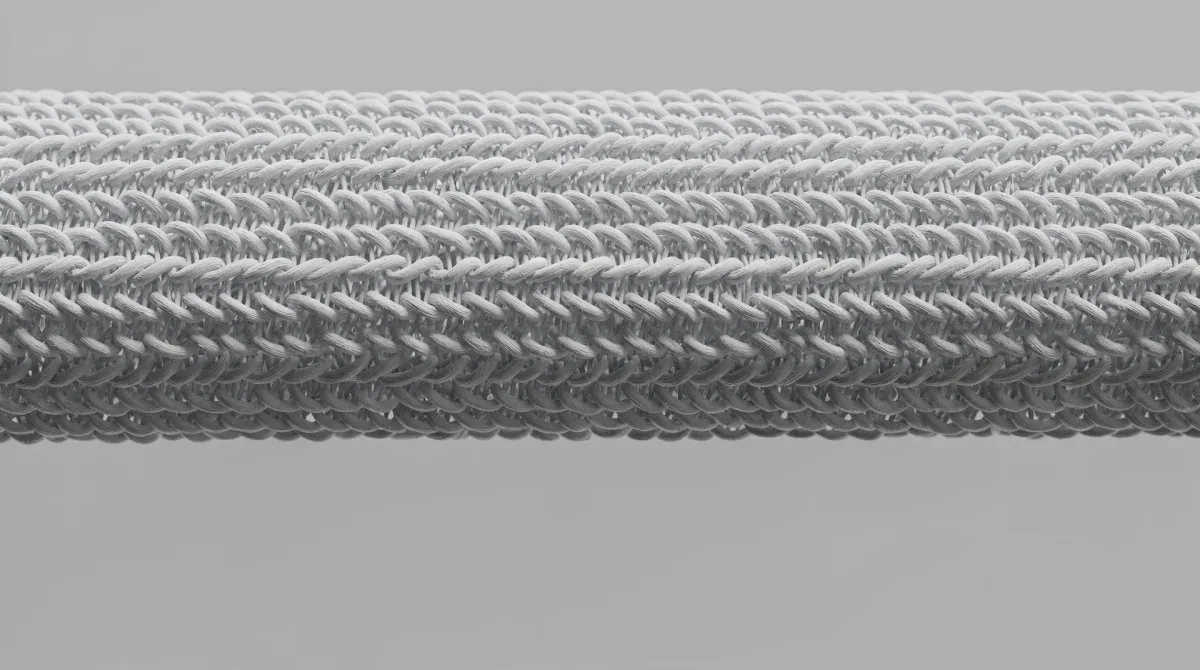
Seamless knit technology represents a significant leap in athletic apparel design, aiming to eliminate the traditional seams that often cause discomfort and chafing. This method involves knitting an entire garment, or significant sections of it, in a single continuous piece, often using circular knitting machines. The result is a garment with fewer, or sometimes no, stitched seams, leading to a smoother, more uniform surface against the skin.
For runners, the primary benefit of seamless construction is the dramatic reduction in friction points. Traditional seams, even flatlock ones, can create ridges that rub against the skin, especially during repetitive motions like running. Seamless garments conform to the body's contours without these abrasive interruptions, enhancing overall comfort. This technology also allows for targeted compression and ventilation zones to be integrated directly into the fabric during the knitting process, optimizing performance and breathability without additional seams.
The Science Behind Seamless Comfort
The manufacturing process of seamless garments is what sets them apart. Yarns are directly knitted into a three-dimensional shape, which allows for varying knit structures within the same piece of fabric. This means areas requiring more stretch, breathability, or support can be engineered precisely where needed, without cutting and sewing multiple fabric panels together.
- Reduced Friction: The absence of raised seams minimizes rubbing and irritation, a common cause of chafing during long runs.
- Enhanced Flexibility: Seamless garments often offer superior four-way stretch, allowing for unrestricted movement.
- Improved Fit: The ability to knit garments to specific body maps results in a more ergonomic and comfortable fit.
- Targeted Ventilation: Open knit structures can be integrated into high-sweat areas for better airflow and moisture management.
Ultimately, seamless knit technology provides an unparalleled level of comfort and a second-skin feel, making it a strong contender for preventing chafing on extended runs. The continuous fabric flow ensures that there are no hard edges or bulky areas to irritate the skin, even after miles of continuous motion.

Exploring Bonded Seam Construction in Athletic Wear
Bonded seams, also known as welded or glued seams, offer an alternative approach to traditional stitching by using heat, pressure, and adhesive films to join fabric panels. Instead of thread, a thin, strong adhesive layer melts and fuses two fabric edges together, creating a flat and smooth connection. This method has gained popularity in athletic wear for its sleek aesthetic and potential to reduce bulk.
The appeal of bonded seams for runners lies in their low-profile nature. Unlike conventional stitched seams, which can have varying degrees of bulk depending on the stitch type, bonded seams are remarkably flat. This flatness is intended to minimize the potential for rubbing and irritation against the skin. They are often found in high-performance gear where aerodynamics and a smooth finish are valued, such as triathlon suits or premium running shorts.
How Bonded Seams Minimize Chafing
The process of creating a bonded seam involves precise machinery that applies heat and pressure to an adhesive film placed between two fabric edges. This creates a strong, durable bond that effectively replaces the need for stitching. The resulting seam is typically very thin and flexible, designed to move with the body without causing resistance or discomfort.
- Flat Profile: The primary advantage is the extremely flat surface, which significantly reduces potential friction points compared to even flatlock seams.
- Lightweight: Bonded seams often contribute to lighter garments as they eliminate the need for thread and bulky seam allowances.
- Water Resistance: The sealed nature of bonded seams can offer improved water resistance, a benefit in certain outdoor conditions.
- Clean Aesthetic: They provide a very clean and modern look, often preferred for high-end athletic apparel.
While bonded seams offer a distinct advantage in terms of flatness and reduced bulk, their effectiveness in preventing chafing can depend on the quality of the bonding and the flexibility of the adhesive. A poorly executed bond or a stiff adhesive can sometimes lead to localized rigidity, which might still cause irritation over long distances. However, well-engineered bonded seams provide a smooth, almost imperceptible transition between fabric panels.
Chafing: The Runner's Nemesis on Long Distances
Chafing is a common and often debilitating issue for runners, particularly during extended efforts like 10-mile runs. It occurs when skin repeatedly rubs against skin, or against fabric, leading to irritation, redness, and sometimes painful raw sores. Factors such as moisture (sweat), heat, and ill-fitting apparel exacerbate the problem, turning an otherwise enjoyable run into a miserable experience. Understanding the root causes of chafing is crucial for effective prevention.
Common areas prone to chafing include the inner thighs, underarms, nipples (especially for men), and along the bra line for women. The constant friction of fabric against skin, amplified by sweat acting as an abrasive, breaks down the skin's protective barrier. This is why material choice and garment construction are so vital. A fabric that wicks moisture away effectively and a construction that minimizes prominent seams are essential for mitigating chafing risks.
Identifying Chafing Hotspots and Causes
The intensity and duration of a run directly correlate with the likelihood of chafing. A quick sprint might not cause issues, but a 10-mile run provides ample time for friction to accumulate and skin damage to occur. Environmental conditions also play a significant role; hot, humid weather increases sweat production, which in turn increases friction.
- Sweat and Moisture: Acts as a lubricant initially, but as it dries, it leaves behind salt crystals that can increase friction.
- Ill-fitting Apparel: Clothes that are too loose can bunch up and rub, while those that are too tight can restrict movement and press seams into the skin.
- Fabric Choice: Cotton retains moisture, making it a poor choice for running. Synthetic, moisture-wicking fabrics are preferred.
- Repetitive Motion: The continuous movement during running repeatedly applies friction to the same areas.
Preventing chafing goes beyond just choosing the right garment construction; it involves a holistic approach including proper hydration, skin lubrication, and careful apparel selection. However, the foundational layer of defense often comes down to how your clothing interacts with your skin, making the discussion of seamless knits vs. bonded seams particularly relevant.
Performance and Durability: Beyond Chafing Prevention
While chafing prevention is a primary concern for long-distance runners, the overall performance and durability of athletic apparel are equally important. Both seamless knits and bonded seams offer distinct advantages and potential drawbacks in these areas, influencing a garment's lifespan and its ability to support an athlete through rigorous training and competition. A piece of clothing might prevent chafing effectively, but if it doesn't stand up to repeated washes and intense use, its value diminishes.
Seamless garments, by their nature, often boast superior stretch and recovery, making them highly adaptable to dynamic movements. The continuous knitting process can also create a more robust fabric structure, potentially leading to greater tear resistance in certain areas. However, the durability of bonded seams depends heavily on the quality of the adhesive and the bonding process. A strong bond can be incredibly resilient, but a weaker one might delaminate over time, especially with frequent washing and exposure to heat.
Evaluating Longevity and Functionality
The manufacturing complexity of seamless garments allows for intricate designs that integrate different functionalities directly into the fabric. This can include varying levels of compression, breathability panels, and even reflective elements, all without added seams. This integrated approach often contributes to a garment that maintains its shape and performance characteristics over many uses.
- Seamless Knit Durability: Generally excellent due to integrated construction, less prone to seam failure.
- Bonded Seam Durability: Highly dependent on adhesive quality and application; can be very strong but susceptible to delamination if not properly manufactured.
- Performance Features (Seamless): Easy integration of compression zones, ventilation, and moisture-wicking properties directly into the knit.
- Performance Features (Bonded): Often used for lightweight, aerodynamic designs where a flat finish is paramount.
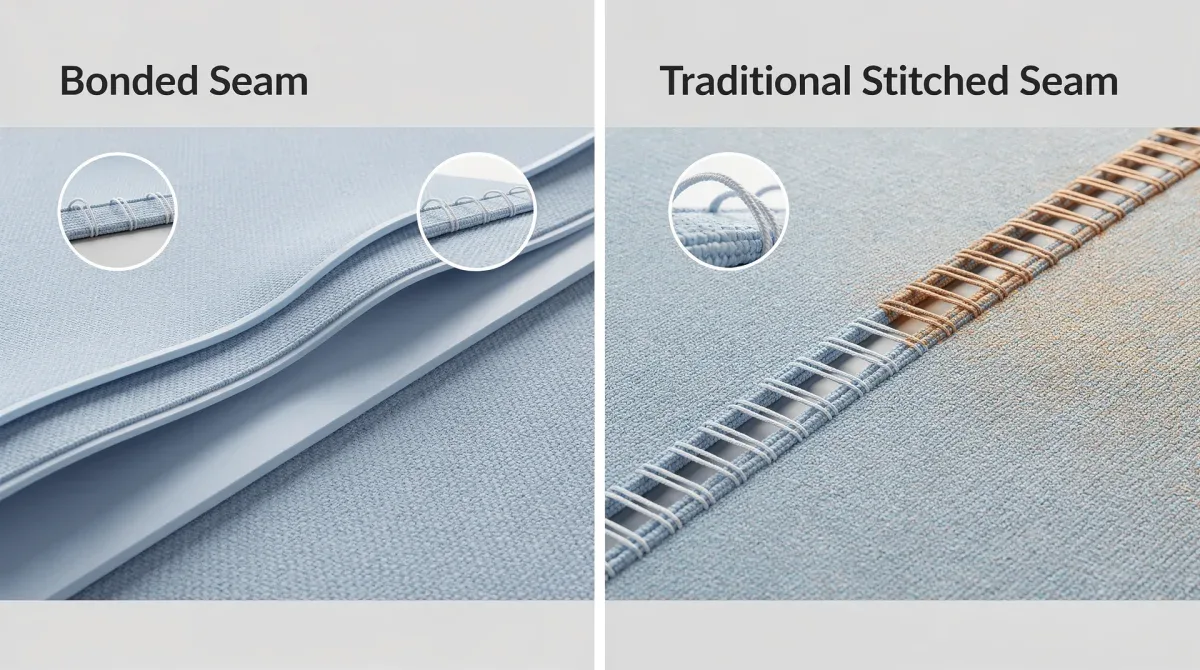
Conversely, bonded seams offer a sleek, lightweight profile that can be advantageous for speed and minimal bulk. However, the adhesive bond can be sensitive to extreme heat (like hot tumble drying) or certain chemicals found in detergents, which could compromise its integrity over time. Runners seeking longevity and consistent performance should consider these factors when choosing between the two construction types, weighing chafing prevention against the broader aspects of garment life and functionality.
Choosing Your Armor: Seamless vs. Bonded for 10-Mile Runs
When it comes to selecting the best apparel for a 10-mile run, the choice between seamless knits and bonded seams ultimately depends on individual preferences, specific needs, and the unique challenges posed by your body and running style. Both technologies aim to minimize chafing, but they achieve this through different means, each with its own set of advantages and considerations. There isn't a universally 'superior' option; rather, it's about finding what works best for you.
For many runners, the continuous, second-skin feel of seamless knit garments provides an unmatched level of comfort, particularly in areas prone to high friction. The absence of any raised seams, coupled with the fabric's inherent stretch and ability to incorporate targeted zones, makes it a strong contender for those who prioritize a smooth, uniform experience. Seamless technology often excels in garments like base layers, running tops, and leggings where full body contact is extensive.
Making an Informed Decision
Consider the specific garment type and where chafing typically occurs for you. For example, a seamless running top might be ideal for preventing nipple or underarm chafing, while shorts with well-executed bonded seams could be excellent for minimizing inner thigh friction. It's also worth noting that some premium garments may even combine both technologies, using seamless construction for the main body and bonded seams for specific panel attachments or hems.
- Prioritize Personal Comfort: What feels best against your skin during movement is paramount.
- Consider Chafing Hotspots: Match the garment's construction to your specific problem areas.
- Test Different Brands: Quality varies significantly between manufacturers for both seamless and bonded technologies.
- Read Reviews: Other runners' experiences can provide valuable insights into a garment's chafing prevention capabilities.
Ultimately, the best way to determine whether seamless knits or bonded seams are better for your 10-mile runs is through personal experimentation. Investing in one of each type of garment and testing them on shorter runs before committing to a long distance can help you identify which construction provides the most effective chafing prevention and overall comfort for your unique physiology and running demands.
Maintenance and Care for Chafing-Resistant Apparel
Proper maintenance and care are crucial for preserving the chafing-resistant properties and overall longevity of both seamless knit and bonded seam athletic apparel. Neglecting care instructions can degrade fabric integrity, weaken adhesive bonds, and ultimately reduce the garment's ability to protect your skin during long runs. Understanding how to correctly wash, dry, and store your running gear ensures it remains effective and comfortable for many miles.
For seamless knits, the primary concern is maintaining the elasticity and integrity of the knitted structure. Harsh detergents, high heat, and aggressive washing cycles can cause the fibers to break down, leading to a loss of shape and reduced performance. Similarly, bonded seams are particularly vulnerable to high temperatures, which can melt or weaken the adhesive, causing delamination. Adhering to manufacturer guidelines is not just a suggestion; it's a necessity for preserving your investment.
Best Practices for Longevity
Always check the care label on your garment for specific instructions, as material compositions and bonding agents can vary significantly between brands and products. General rules, however, can provide a good starting point for extending the life of your chafing-resistant apparel.
- Cold Water Wash: Always wash athletic wear in cold water to protect fabric elasticity and bonded seams.
- Gentle Cycle: Use a delicate or gentle cycle to prevent stretching or damage to the fabric structure.
- Mild Detergent: Avoid harsh detergents, bleach, and fabric softeners, which can break down technical fibers and adhesives.
- Air Dry: Tumble drying, especially on high heat, is detrimental to both seamless knits (can shrink or lose elasticity) and bonded seams (can cause delamination). Air drying is always the safest option.
- Wash Inside Out: This can help protect the outer surface of the fabric and any delicate details or prints.
By following these care instructions diligently, you can significantly extend the lifespan of your seamless knit and bonded seam apparel, ensuring they continue to provide optimal chafing prevention and performance for every 10-mile run and beyond. Proper care is an integral part of your overall strategy to stay comfortable and injury-free.
The Future of Anti-Chafe Running Apparel
The landscape of athletic apparel is constantly evolving, driven by innovations in material science, manufacturing techniques, and a deeper understanding of biomechanics. For runners, the relentless pursuit of comfort and performance means that the technologies behind seamless knits and bonded seams will continue to advance, offering even more sophisticated solutions for chafing prevention. The future promises garments that are not only smoother and lighter but also more intelligently designed to interact with the human body.
Expect to see further integration of smart textiles, where fabrics can adapt to temperature changes, monitor vital signs, or even self-repair minor abrasions. In the realm of seamless technology, advancements might include even more complex knitting patterns that offer hyper-targeted compression and ventilation zones, precisely mapped to a runner's unique physiological needs. For bonded seams, research into new, more flexible, and durable adhesives could lead to bonds that are virtually indestructible and completely imperceptible against the skin, even in extreme conditions.
Emerging Innovations and Hybrid Designs
One exciting area of development is the rise of hybrid designs that strategically combine the best aspects of both seamless and bonded constructions. Imagine a running short that features a seamless inner liner for ultimate comfort against the skin, paired with bonded outer seams for a sleek, aerodynamic profile and minimal bulk. This synergistic approach could offer a 'best of both worlds' solution, addressing multiple performance criteria simultaneously.
- Personalized Apparel: Custom-fit garments based on 3D body scans could optimize seamless and bonded placements for individual runners.
- Bio-integrated Materials: Fabrics that actively manage sweat, reduce bacterial growth, and even provide therapeutic benefits.
- Sustainable Production: Innovations in eco-friendly seamless knitting and adhesive technologies will lead to more sustainable running gear.
- Advanced Bonding Agents: Development of new adhesives that are more flexible, durable, and resistant to environmental factors.
The continuous innovation in anti-chafe running apparel signifies a bright future for runners. As technology progresses, the discomfort of chafing will become an increasingly distant memory, allowing athletes to focus entirely on their performance and the joy of the run. Both seamless knits and bonded seams will undoubtedly play a pivotal role in this evolution, continually pushing the boundaries of what's possible in athletic wear.
| Key Feature | Brief Description |
|---|---|
| Seamless Knits | Garments knitted in one continuous piece, minimizing or eliminating traditional seams for a smooth, friction-free surface. |
| Bonded Seams | Fabric panels joined using heat-activated adhesive films, creating flat, low-profile connections without stitching. |
| Chafing Prevention | Both aim to reduce friction; seamless offers overall smoothness, bonded offers very flat seam lines. |
| Durability & Care | Seamless generally robust; bonded durability relies on adhesive quality and careful washing/drying to prevent delamination. |
Frequently Asked Questions About Running Apparel and Chafing
What is the main advantage of seamless knit apparel for runners?▼The primary advantage of seamless knit apparel for runners is the elimination or significant reduction of traditional seams. This creates a smoother surface against the skin, drastically minimizing friction points that often lead to chafing during repetitive motions like running, thus enhancing overall comfort and reducing irritation.
How do bonded seams prevent chafing compared to traditional seams?▼Bonded seams prevent chafing by creating a very flat, low-profile connection between fabric panels using heat and adhesive, rather than raised stitching. This smooth, integrated design reduces the bulk and ridges that traditional seams can form, thereby decreasing the potential for rubbing and irritation against the skin during movement.
Are seamless knit garments more durable than those with bonded seams?▼Seamless knit garments generally exhibit high durability due to their integrated, continuous construction, which makes them less prone to seam failure. Bonded seams can be very durable if the adhesive and application are high-quality, but they can be susceptible to delamination over time with improper care, especially exposure to high heat during drying.
Can both seamless knits and bonded seams be used in the same running garment?▼Yes, hybrid designs combining both seamless knits and bonded seams are increasingly common. For instance, a garment might feature a seamless main body for comfort and flexibility, with bonded seams used for specific panel attachments or hems to maintain a sleek profile and minimize bulk in targeted areas, leveraging the strengths of both technologies.
What care instructions are crucial for extending the life of anti-chafe running apparel?▼To extend the life of anti-chafe running apparel, always wash in cold water on a gentle cycle with mild detergent. Crucially, avoid hot tumble drying, as high heat can degrade seamless knit elasticity and cause bonded seams to delaminate. Air drying is highly recommended to preserve the integrity of both fabric types and their chafing-resistant properties.
Conclusion
Navigating the choice between seamless knits and bonded seams for your running apparel is more than just a matter of fashion; it's a strategic decision for comfort and performance, especially on those demanding 10-mile runs. Both technologies represent significant advancements over traditional stitched garments in the battle against chafing, each offering unique benefits. Seamless knits provide an all-encompassing smoothness and integrated functionality, while bonded seams deliver an exceptionally flat and lightweight profile. Ultimately, the best choice hinges on personal preference, specific chafing hotspots, and the overall quality of the garment's construction. By understanding the nuances of each, runners can equip themselves with apparel that not only prevents chafing but also enhances their running experience, allowing them to focus on the miles ahead rather than discomfort.
