Smart Wearable Sales Surge 35%: Lactate Monitors Hit US Gyms
Smart wearable sales in the US have seen a remarkable 35% surge, primarily fueled by the increasing adoption of continuous lactate monitors in mainstream gyms, offering athletes and fitness enthusiasts unprecedented insights into their performance and recovery.
The fitness landscape in the United States is undergoing a significant transformation, marked by a remarkable 35% surge in smart wearable sales. This unprecedented growth is largely attributed to the integration of continuous lactate monitors into mainstream gyms, revolutionizing how Americans approach their workouts and understand their bodies. This shift promises a new era of personalized and data-driven fitness, moving beyond traditional metrics to offer deeper insights into physiological responses during exercise.
The rise of smart wearables in US fitness
The American fitness market is experiencing an undeniable boom in smart wearable technology. From smartwatches to fitness trackers, these devices have become ubiquitous, offering users a wealth of data about their activity levels, sleep patterns, and overall health. This surge isn't just about convenience; it's about empowering individuals with actionable insights to optimize their well-being.
Consumers are increasingly seeking tools that provide more than just basic step counts. The demand for advanced biometric data, particularly related to exercise performance and recovery, has pushed manufacturers to innovate. This innovation has led to the development and widespread adoption of more sophisticated sensors and algorithms, making professional-grade tracking accessible to the everyday gym-goer.
Beyond the basic metrics: what drives the surge?
While traditional wearables focused on heart rate and calorie expenditure, the current generation offers a much richer data set. This expanded capability is a key driver behind the recent sales surge. Users are no longer content with approximations; they want precision.
- Enhanced Accuracy: Modern sensors provide more reliable data, building user trust.
- Comprehensive Health Tracking: Beyond fitness, wearables now monitor stress, sleep, and even blood oxygen.
- Integration with Apps: Seamless connectivity with popular fitness and health applications enhances user experience.
- Personalized Coaching: Data-driven insights enable more tailored workout recommendations.
The continuous evolution of these devices ensures that they remain relevant and indispensable to a health-conscious population. The ability to track progress over time, identify trends, and make informed adjustments to lifestyle and training regimens is a powerful motivator for continued adoption.
Ultimately, the rise of smart wearables reflects a broader societal trend towards self-optimization and preventative health. People want to take an active role in managing their physical condition, and these devices provide the tools to do just that, fostering a more engaged and informed approach to fitness.
Continuous lactate monitors: a game-changer for mainstream gyms
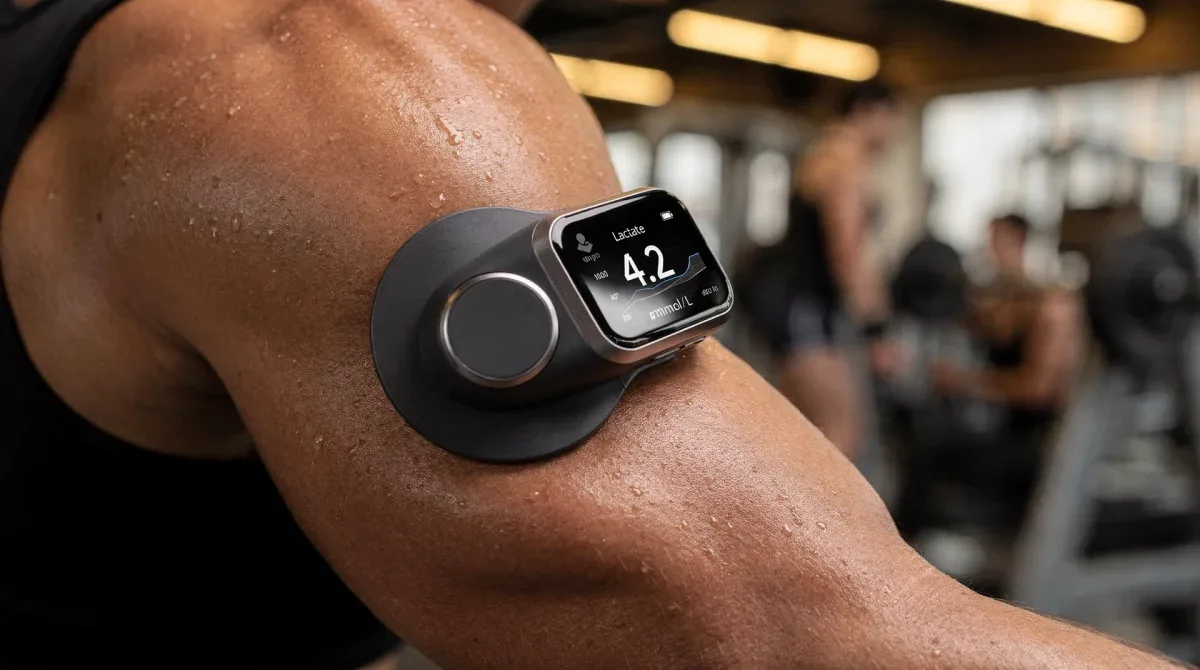
One of the most significant innovations driving the current smart wearable sales surge is the introduction of continuous lactate monitors (CLMs) into mainstream gyms across the US. Historically, lactate testing was confined to elite sports laboratories, involving invasive blood samples. Now, non-invasive or minimally invasive CLMs are changing the game, providing real-time feedback on an athlete's physiological state.
Lactate is a byproduct of anaerobic metabolism, and its accumulation in the blood indicates when muscles are working without sufficient oxygen. Monitoring lactate levels helps determine an individual's anaerobic threshold – the point at which lactate begins to accumulate rapidly. This threshold is a critical indicator of endurance performance and training intensity.

Understanding lactate and its role in training
For years, understanding one's lactate threshold was a luxury, accessible only to professional athletes with extensive coaching and lab access. With CLMs, this crucial metric is now available to anyone in a gym setting. This accessibility democratizes advanced training methodologies, allowing individuals to train smarter, not just harder.
- Optimizing Training Zones: CLMs help identify precise heart rate and power zones for optimal fat burning, endurance, and high-intensity interval training.
- Preventing Overtraining: Real-time lactate data can alert users to excessive physiological stress, helping prevent burnout and injury.
- Enhancing Recovery: Understanding lactate clearance rates can inform better recovery strategies post-workout.
- Personalized Pacing: Athletes can adjust their effort in real-time to maintain optimal performance without hitting the 'wall'.
The impact of continuous lactate monitoring extends beyond performance; it also contributes to injury prevention and more efficient recovery. By providing immediate feedback, these devices allow users to modify their workouts on the fly, ensuring they train within safe and effective parameters. This level of personalized guidance was previously unimaginable for the average gym-goer, making CLMs a truly revolutionary addition to the fitness toolkit.

The impact on personalized fitness and training protocols
The widespread adoption of continuous lactate monitors is fundamentally reshaping personalized fitness and training protocols. Gone are the days of one-size-fits-all workout plans. With real-time lactate data, trainers and individuals can craft highly customized programs that respond directly to the body's unique physiological responses.
This level of personalization means workouts are not only more effective but also safer. By understanding exactly how the body is coping with stress, adjustments can be made to intensity, duration, and recovery periods, leading to superior results and a reduced risk of injury. It's about moving from prescriptive exercise to responsive training.
Tailoring workouts with real-time feedback
Real-time feedback from CLMs empowers users to make immediate, informed decisions during their workouts. If lactate levels rise too quickly, indicating excessive anaerobic effort, the user can dial back the intensity. Conversely, if levels are too low, they know they can push harder to achieve their desired training effect. This dynamic adjustment capability is a cornerstone of effective training.
For personal trainers, CLMs provide an invaluable tool. Instead of relying solely on perceived exertion or heart rate alone, they can now incorporate precise physiological data. This allows them to demonstrate to clients exactly how their bodies are responding, fostering a deeper understanding and adherence to training plans.
- Dynamic Intensity Adjustment:: Users can modify effort based on immediate physiological feedback.
- Optimized Recovery Windows: Data helps determine when the body is truly ready for the next intense session.
- Targeted Goal Achievement: Whether building endurance, speed, or muscle, lactate data guides specific training adaptations.
- Enhanced Trainer-Client Communication: Objective data facilitates clearer discussions about performance and progress.
The integration of CLMs into fitness routines marks a significant leap forward in exercise science application. It brings laboratory-grade precision to the gym floor, allowing individuals to unlock their full potential and achieve their fitness goals with unprecedented efficiency and safety.
Technological advancements and accessibility of CLMs
The journey of continuous lactate monitors from niche scientific instruments to mainstream gym equipment has been fueled by rapid technological advancements. Miniaturization, improved sensor technology, and enhanced data processing capabilities have made these devices more accurate, less intrusive, and significantly more affordable.
Early lactate testing was cumbersome and expensive, requiring specialized equipment and trained personnel. Today, CLMs are often integrated into existing wearable platforms or offered as compact, user-friendly standalone devices. This increased accessibility is crucial for their widespread adoption and the subsequent surge in smart wearable sales.
Innovations driving widespread adoption
Several key innovations have contributed to the democratization of lactate monitoring. These advancements address previous barriers to entry, making the technology practical and appealing for a broader audience.
- Non-Invasive Sensing: Development of sweat-based or optical sensors reduces the need for blood samples.
- Wireless Connectivity: Bluetooth and Wi-Fi integration allow seamless data transfer to smartphones and other devices.
- Intuitive User Interfaces: Companion apps provide clear, actionable insights without requiring extensive physiological knowledge.
- Cost Reduction: Mass production and competition have driven down prices, making CLMs more accessible to the average consumer.
The ability to provide continuous, real-time data without interrupting a workout is a major selling point. Athletes no longer need to stop, take a sample, and wait for results; the information is always at their fingertips, allowing for truly dynamic training adjustments. This seamless integration into existing fitness routines is a testament to the ingenuity behind these devices.
Furthermore, the reliability and validity of these newer, more accessible CLMs have improved dramatically, earning the trust of both fitness professionals and enthusiasts. This combination of technological prowess and user-centric design has cemented their place as a vital component of the modern fitness ecosystem.
The economic ripple effect: market growth and investment
The surge in smart wearable sales, particularly driven by continuous lactate monitors, is having a significant economic ripple effect across the US fitness and technology sectors. This growth isn't just confined to device manufacturers; it's stimulating innovation, creating new job opportunities, and attracting substantial investment.
Venture capitalists are keenly eyeing companies developing advanced fitness tech, recognizing the immense potential in a market where consumers are increasingly willing to invest in their health. This influx of capital fuels further research and development, leading to even more sophisticated and integrated solutions.
Investment trends and market expansion
The fitness tech market is experiencing robust expansion, with CLMs acting as a powerful catalyst. This has led to increased competition among manufacturers, driving down prices and enhancing product features, ultimately benefiting the consumer.
- Startup Boom: A rise in new companies focused on innovative wearable sensors and data analytics.
- Strategic Partnerships: Collaborations between tech companies and established gym chains to integrate new devices.
- Research and Development Funding: Increased investment in improving sensor accuracy, battery life, and data interpretation.
- Job Creation: Growth in engineering, data science, marketing, and sales roles within the fitness tech industry.
The economic impact extends beyond direct sales. The availability of advanced wearables encourages more people to join gyms, invest in personal training, and purchase complementary fitness products. This creates a virtuous cycle where technological innovation drives consumer engagement, which in turn fuels further market growth.
This vibrant economic landscape underscores the long-term potential of smart wearables and continuous lactate monitors. As the technology continues to evolve and become even more integrated into daily life, the market is poised for sustained expansion and continued transformation of the fitness industry.
Future outlook: what's next for smart wearables and CLMs?
The current surge in smart wearable sales and the integration of continuous lactate monitors are just the beginning. The future of fitness technology promises even more sophisticated, personalized, and seamlessly integrated solutions. We can anticipate further advancements that will make these devices even more intuitive and powerful.
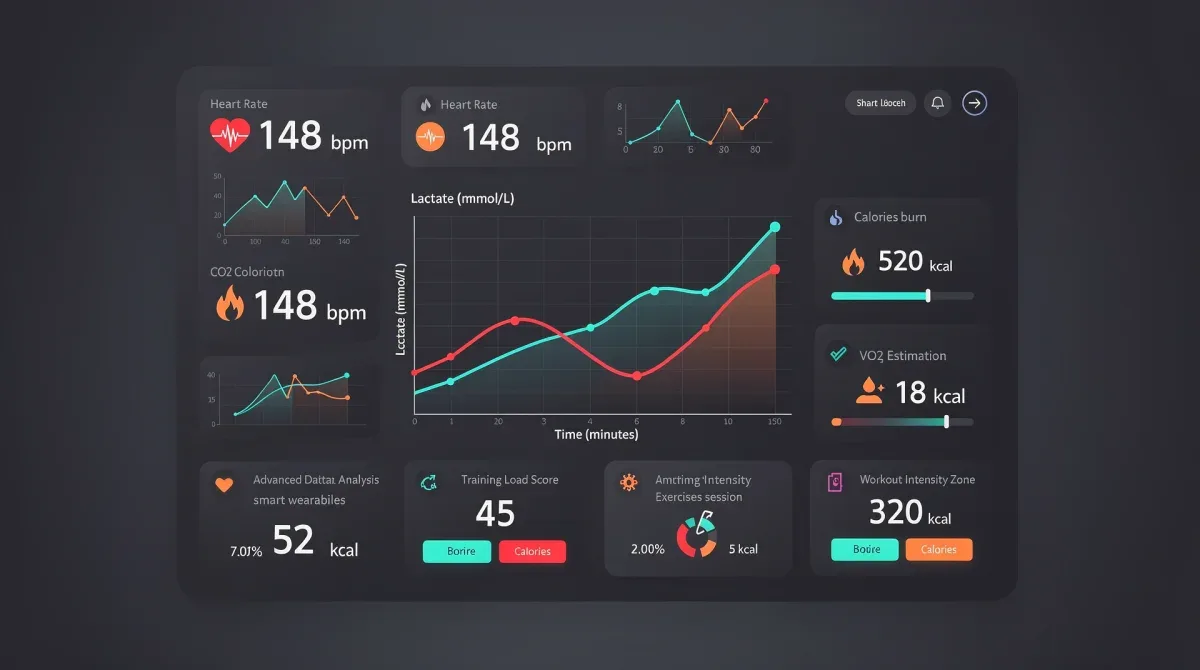
The trend is moving towards a holistic health ecosystem where wearables not only track physical activity but also integrate with nutritional guidance, mental wellness apps, and even predictive health analytics. The goal is to provide a comprehensive, 360-degree view of an individual's well-being, moving beyond reactive health management to proactive prevention.

Emerging trends and innovations on the horizon
Several exciting trends are on the horizon, promising to further revolutionize the smart wearable market and the application of CLMs. These innovations will push the boundaries of what's possible in personal health and fitness tracking.
- Enhanced AI Integration: More advanced artificial intelligence for predictive analytics and personalized coaching.
- Miniaturization and Discreet Design: Wearables becoming even smaller, more comfortable, and less conspicuous.
- Multi-Sensor Fusion: Combining lactate data with other biomarkers (e.g., glucose, hydration) for even richer insights.
- Augmented Reality Training: Integrating wearable data with AR experiences for immersive and interactive workouts.
The development of truly non-invasive, highly accurate CLMs that can be integrated into everyday clothing or accessories is also a strong possibility. Imagine a smart shirt that constantly monitors your lactate levels without you even noticing the sensor. This level of seamless integration will make advanced physiological monitoring accessible to an even wider audience.
Ultimately, the future of smart wearables and CLMs is about creating a symbiotic relationship between technology and human performance. These devices will continue to evolve, offering increasingly sophisticated ways for individuals to understand, optimize, and take control of their health and fitness journeys.
| Key Trend | Brief Description |
|---|---|
| Smart Wearable Growth | US sales surged 35%, indicating strong consumer demand for advanced fitness tracking. |
| Lactate Monitor Integration | Continuous lactate monitors are now common in gyms, democratizing advanced physiological insights. |
| Personalized Training | Real-time lactate data enables highly customized and effective workout protocols. |
| Future Innovations | Expect AI, multi-sensor fusion, and discreet designs for even more holistic health tracking. |
Frequently asked questions about smart wearables and lactate monitors
What is driving the 35% surge in smart wearable sales in the US?▼The significant surge is primarily driven by the increasing integration of advanced features like continuous lactate monitors into mainstream fitness devices. Consumers are seeking more precise, real-time physiological data to optimize their workouts and overall health, moving beyond basic activity tracking to performance-level insights.
How do continuous lactate monitors benefit the average gym-goer?▼Continuous lactate monitors provide real-time feedback on an individual's anaerobic threshold, allowing gym-goers to optimize training intensity, prevent overtraining, and enhance recovery. This data helps in creating more personalized and effective workout plans, previously only accessible to elite athletes.
Are continuous lactate monitors invasive?▼Modern continuous lactate monitors are designed to be non-invasive or minimally invasive. Many utilize sweat-based sensors or optical technology, eliminating the need for traditional blood samples. This advancement makes them practical and comfortable for continuous use during workouts in mainstream gym environments.
How does this technology affect personalized fitness training?▼This technology revolutionizes personalized training by providing trainers and individuals with precise, real-time physiological data. Workouts can be dynamically adjusted based on the body's actual response, leading to more effective, safer, and highly customized training protocols that maximize results and minimize injury risk.
What future innovations can we expect in smart wearables and CLMs?▼Future innovations include enhanced AI for predictive analytics, further miniaturization for discreet designs, multi-sensor fusion combining lactate with other biomarkers, and augmented reality integration for immersive training experiences. The goal is a more holistic, proactive, and seamlessly integrated approach to health and fitness monitoring.
Conclusion
The remarkable 35% surge in smart wearable sales across the US, largely propelled by the mainstream adoption of continuous lactate monitors, signifies a pivotal moment in the fitness industry. This shift underscores a growing consumer demand for advanced, data-driven insights that empower individuals to optimize their training, enhance recovery, and achieve personalized fitness goals with unprecedented precision. As technology continues to evolve, integrating AI and multi-sensor capabilities, the future promises an even more integrated and proactive approach to health and well-being, transforming how Americans interact with their fitness journeys.
