Stop Ruining Your $120 Spandex: 4-Step Wash Routine
To preserve your expensive spandex activewear, implement a precise 4-step wash routine: pre-treat, machine wash cold with gentle detergent, avoid fabric softener, and air dry, ensuring extended garment life and performance.
Investing in high-quality activewear, especially those premium $120 spandex pieces, is a commitment to your fitness journey and comfort. However, without the right care, these garments can quickly lose their shape, elasticity, and vibrant color. This guide will help you master the spandex wash routine, ensuring your favorite pieces remain functional and fashionable for years to come.
Understanding Spandex: The Fabric of Performance
Spandex, also known as Lycra or elastane, is a synthetic fiber renowned for its exceptional elasticity. It can stretch up to 5-8 times its original size and return to its initial shape, making it ideal for activewear, swimwear, and other garments requiring significant flexibility. Its unique properties, however, also make it susceptible to damage from harsh washing conditions.
Many people underestimate the delicate nature of spandex. The very fibers that provide that incredible stretch and support can be broken down by heat, strong chemicals, and abrasive washing cycles. This breakdown manifests as sagging, pilling, loss of compression, and faded colors, effectively ruining your investment.
The Science Behind Spandex Durability
Spandex is a segmented polyurethane-urea copolymer. Its molecular structure consists of alternating rigid and flexible segments. The flexible segments provide the elasticity, while the rigid segments give it strength. When exposed to high heat or harsh detergents, these bonds can weaken or break, compromising the fabric's integrity.
- Heat Damage: High temperatures from hot water or tumble dryers can melt or distort the synthetic fibers, leading to a permanent loss of elasticity and shape.
- Chemical Breakdown: Harsh detergents, bleaches, and especially fabric softeners can coat or degrade the spandex fibers, reducing their wicking abilities and elasticity.
- Friction Wear: Aggressive washing cycles can cause pilling and abrasion, making the fabric look worn and old prematurely.
Understanding these vulnerabilities is the first step toward adopting a proper care routine that respects the fabric's composition and preserves its performance qualities. It's not just about cleanliness; it's about maintaining the structural integrity of your high-performance gear.
Step 1: Pre-Wash Preparation – The Foundation of Longevity
Before any water touches your spandex, proper pre-wash preparation is crucial. This initial phase sets the stage for a successful wash, minimizing potential damage and maximizing cleanliness. Skipping these steps is a common mistake that can significantly shorten the lifespan of your activewear.
Think of it as preparing a delicate meal; you wouldn't just throw everything into a pot without some initial thought. Similarly, your premium spandex deserves a moment of careful consideration before hitting the laundry.
Turning Garments Inside Out
This simple act offers multiple benefits for your spandex garments. When you turn activewear inside out, you protect the outer surface from friction during the wash cycle. The outer layer, often designed for aesthetics and specific performance features like anti-odor or UV protection, is more vulnerable to abrasion from other clothes or the washing machine drum.
- Protects Outer Surface: Reduces pilling and snags on the visible side of the fabric.
- Preserves Graphics and Embellishments: Prevents damage to logos, reflective strips, or other decorative elements.
- Targets Inner Grime: The inside of activewear is where sweat, dead skin cells, and body oils accumulate most. Turning it inside out ensures these areas get a more direct and thorough cleaning.
Zipping Zippers and Fastening Clasps
Unzipped zippers and unfastened clasps can act like tiny, aggressive teeth in your washing machine. They can snag, tear, and damage not only your spandex but also other items in the load. Taking a few seconds to secure them prevents costly accidents.
For items like sports bras with hooks, ensure they are clasped. For leggings or jackets with zippers, zip them up completely. This small action protects the delicate fibers of your spandex from abrasive contact with metal or plastic components.
Using Mesh Laundry Bags
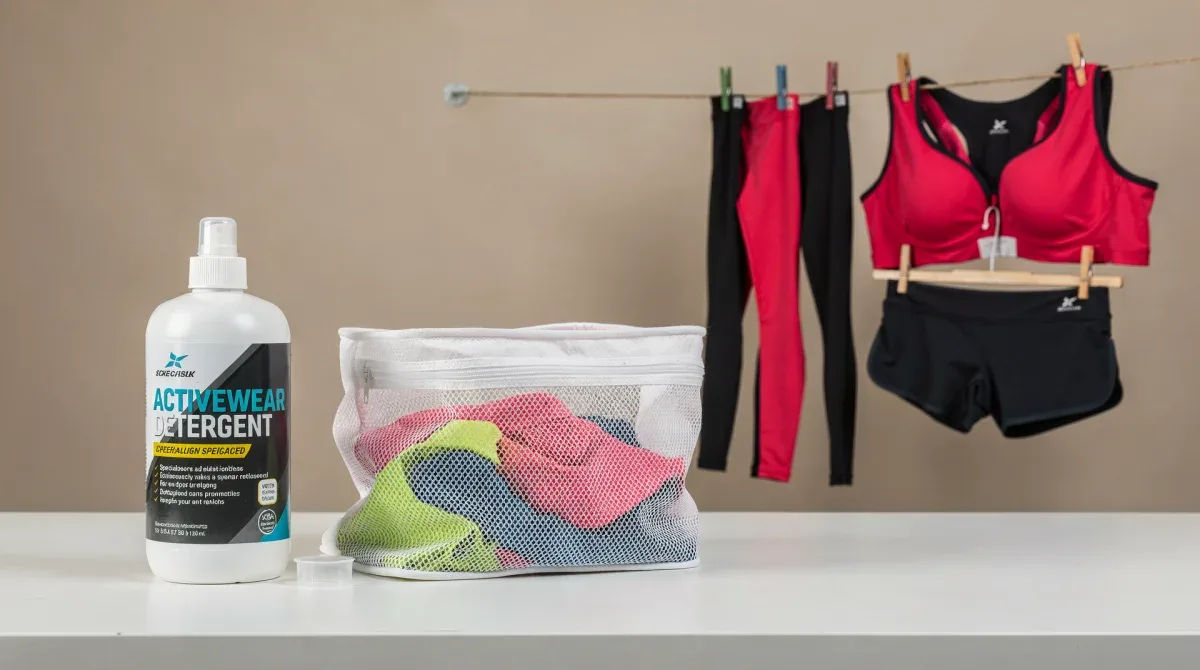
Mesh laundry bags are your spandex's best friend. These bags provide a protective barrier, preventing garments from getting tangled, stretched, or abraded by heavier items in the wash. They are especially beneficial for delicate items like sports bras, thin leggings, or anything with intricate detailing.
Place individual or small groups of spandex items into separate mesh bags. This keeps them isolated from rougher fabrics like denim or towels, which can cause pilling and fiber damage. It's an inexpensive tool that pays dividends in garment longevity.
Step 2: Washing – The Gentle Cycle is Your Ally
Once your spandex is prepped, the actual washing process requires a gentle touch. This is where many go wrong, treating activewear like any other load of laundry. The key is to minimize stress on the delicate fibers while effectively cleaning them.
Resist the urge to throw everything in together on a standard cycle. Your $120 spandex deserves a more thoughtful approach to maintain its shape, elasticity, and overall performance.
Cold Water Only
This is perhaps the most critical rule for washing spandex. Hot water is the enemy of elastic fibers. As discussed, high temperatures can break down the molecular structure of spandex, leading to irreversible damage like stretching out, losing compression, and pilling. Cold water, on the other hand, cleans effectively without compromising fabric integrity.
Modern detergents are formulated to work just as well in cold water, so there's no need to worry about cleanliness. Cold water also helps prevent colors from bleeding and fading, keeping your vibrant activewear looking new.
Gentle Cycle or Hand Wash
The gentle cycle on your washing machine is designed to mimic hand washing, using less agitation and a slower spin speed. This minimizes friction and stress on the fabric, preventing snags, tears, and fiber breakdown. If your machine has a specific 'delicates' or 'activewear' setting, use that.
For extremely delicate or expensive pieces, hand washing is the safest option. Fill a basin with cool water, add a small amount of mild detergent, and gently swish the garment for a few minutes. Rinse thoroughly until all soap is gone, being careful not to wring or twist aggressively.
The Right Detergent: Less is More
Choosing the correct detergent is vital. Opt for a mild, pH-neutral detergent specifically designed for activewear or delicates. These detergents are formulated to clean technical fabrics without leaving residue or damaging elastic fibers. Avoid harsh detergents with strong chemicals, dyes, or perfumes.
- Specialized Activewear Detergents: Many brands offer detergents that target sweat, odor, and bacteria while being gentle on performance fabrics.
- Liquid over Powder: Liquid detergents tend to dissolve better in cold water, preventing residue buildup on your garments.
- Use Sparingly: Too much detergent can leave a residue that traps bacteria and odors, and can also degrade fibers. Follow the recommended amount, or even use slightly less for smaller loads.

Remember, the goal is to clean without stripping or damaging the fabric. A gentle approach with the right products will extend the life and performance of your spandex.
Step 3: Avoiding the Pitfalls – What NOT to Do
Just as important as knowing what to do is understanding what to avoid. Certain laundry habits are particularly detrimental to spandex and can quickly ruin your expensive activewear. Steering clear of these common pitfalls will save your garments from premature wear and tear.
These are the cardinal sins of activewear care, often committed out of habit or convenience. Breaking these habits is essential for maintaining the integrity of your fitness wardrobe.
Say No to Fabric Softener
Fabric softener is arguably the biggest enemy of spandex and other performance fabrics. While it might make your towels feel fluffy, it clogs the technical fibers of activewear. Spandex is often blended with moisture-wicking materials that draw sweat away from your body. Fabric softener leaves a waxy residue that:
- Reduces Wicking Ability: Prevents the fabric from effectively drawing moisture away, leading to a clammy, uncomfortable feel.
- Traps Odor: The residue creates a breeding ground for bacteria, trapping odors even after washing.
- Degrades Elasticity: The chemicals in fabric softener can break down the elastic fibers, causing your spandex to stretch out and lose its shape.
If you're concerned about stiffness, a small amount of white vinegar in the rinse cycle can naturally soften fabrics and help remove detergent residue without harming spandex.
Bleach is a Big No-No
Bleach, whether chlorine or oxygen-based, is far too harsh for spandex. It can severely damage the fabric fibers, causing discoloration, weakening, and ultimately holes. Even for white spandex, bleach should be avoided. If you need to brighten whites, use a dedicated activewear brightener or a mixture of baking soda and water.
Avoid Overloading the Machine
An overloaded washing machine doesn't clean effectively and puts excessive strain on your clothes. When the machine is too full, items don't have enough room to move freely, leading to inadequate cleaning and increased friction between garments. This friction can cause pilling and stretching, especially for delicate spandex.
Wash smaller loads to ensure thorough cleaning and gentle treatment. This allows each item, particularly your spandex, to move freely and be cleaned without unnecessary stress.
Separate Colors and Fabrics
Always sort your laundry. Washing darks with lights can lead to color bleeding, staining your lighter spandex garments. More importantly, separate your activewear from abrasive fabrics like denim, towels, or items with zippers or heavy embellishments. These can snag and damage the delicate fibers of your spandex, even when using mesh bags.
A simple sorting routine—activewear together, colors separated—will go a long way in preserving the look and feel of your premium pieces.
Step 4: Drying – Air is Your Best Friend
The drying process is just as critical as washing, if not more so, for the longevity of your spandex. High heat from tumble dryers is the ultimate destroyer of elastic fibers, causing irreversible damage. Air drying is the only safe and effective method.
While it might take a little longer, the benefits of air drying for your spandex are immense, preserving its shape, elasticity, and performance for countless workouts to come.
No Tumble Drying – Ever!
This cannot be stressed enough: do not put spandex in a tumble dryer. The high heat, even on a low setting, will break down the elastic fibers. This leads to:
- Loss of Elasticity: Your leggings will sag, and sports bras will lose their support.
- Shrinkage or Distortion: The fabric can shrink unevenly or become misshapen.
- Pilling and Damage: The friction in the dryer can accelerate pilling and general wear.
- Reduced Wicking: Heat can compromise the moisture-wicking properties of technical fabrics.
Even if the care label says 'tumble dry low,' err on the side of caution and always air dry your spandex to ensure maximum longevity.
Air Dry Flat or Hang Gently
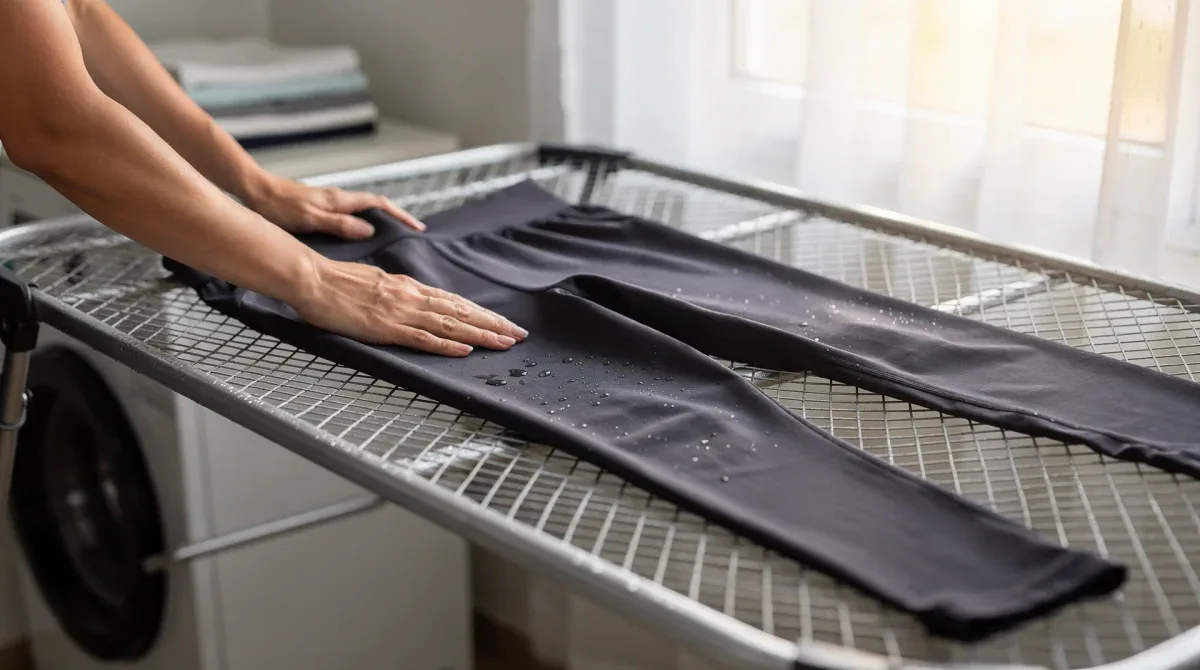
The best way to air dry spandex is to lay it flat on a clean, dry surface or a mesh drying rack. This prevents stretching and helps maintain the garment's original shape. If you must hang, use a padded hanger and fold the garment over the bar to distribute weight evenly, avoiding clips that can leave marks or stretch delicate areas.
Avoid Direct Sunlight
While air drying is essential, direct sunlight can also be detrimental. Prolonged exposure to UV rays can fade colors and weaken fabric fibers over time. Dry your spandex in a shaded area or indoors, ensuring good air circulation for efficient drying.
Patience is a virtue when it comes to drying spandex. Allow your garments to fully air dry before storing them to prevent mildew and lingering odors. This final step is crucial in completing a comprehensive care routine that safeguards your investment.
Beyond the Wash: Storage and Maintenance Tips
Proper washing is just one part of the equation. How you store and maintain your spandex between washes also plays a significant role in its longevity. These practices ensure your activewear remains in top condition, ready for your next workout.
Think of it as a holistic approach to garment care. Every step, from what you do after a workout to how you put it away, contributes to its overall lifespan.
Prompt Washing After Workouts
Don't let sweaty activewear sit in a hamper for days. Sweat, body oils, and bacteria can degrade spandex fibers over time and lead to stubborn odors. If you can't wash immediately, at least hang your sweaty garments to air out to prevent mildew and reduce bacterial growth.
Ideally, rinse your spandex under cool water after a workout to remove excess sweat before placing it in the laundry. This small act can make a big difference in preventing deep-set odors and preserving fabric integrity.
Proper Storage for Spandex
How you store your spandex affects its shape and elasticity. Avoid cramming activewear into tightly packed drawers, which can stretch or distort the fabric. Instead:
- Fold Neatly: Fold leggings, shorts, and tops neatly to maintain their shape.
- Use Hangers for Bras: Hang sports bras on padded hangers to prevent cup distortion.
- Avoid Hanging Leggings: Hanging leggings, especially by the waist, can cause them to stretch out over time due to gravity. Folding them is usually better.
Ensure your storage area is cool, dry, and well-ventilated to prevent moisture buildup and mildew, which can damage fibers and cause unpleasant odors.
Dealing with Pilling
Despite your best efforts, some pilling can occur, especially in high-friction areas. Pilling happens when short or broken fibers on the surface of the fabric tangle together into small balls. While proper washing reduces it, it's not always entirely preventable.
To remove pills, use a fabric shaver or a specialized depiller. Gently glide the device over the affected area to trim away the pills without damaging the underlying fabric. This can significantly improve the appearance of your spandex and make it feel smoother.
By integrating these storage and maintenance tips with your careful wash routine, you create a comprehensive care strategy that extends the life and vibrancy of your cherished activewear.
The Environmental Impact of Sustainable Activewear Care
Beyond personal savings and garment longevity, adopting a mindful spandex wash routine also carries significant environmental benefits. In an era where fast fashion contributes heavily to waste and pollution, making your activewear last longer is a powerful step towards sustainability.
Every decision, from the water temperature to the choice of detergent, has a ripple effect on our planet. Embracing sustainable practices in your laundry routine aligns with a broader commitment to environmental responsibility.
Reducing Water and Energy Consumption
Washing in cold water significantly reduces the energy required to heat water, leading to lower electricity bills and a smaller carbon footprint. Modern washing machines are highly efficient, and combining them with cold water cycles makes for a truly eco-friendly wash.
- Lower Energy Bills: Heating water accounts for a substantial portion of a washing machine's energy consumption.
- Reduced Carbon Emissions: Less energy use translates directly to fewer greenhouse gas emissions.
- Water Conservation: While the wash cycle itself uses water, making garments last longer means fewer replacements, indirectly reducing the water used in manufacturing new items.
Air drying further minimizes energy consumption by eliminating the need for a tumble dryer, which is often one of the most energy-intensive appliances in a household.
Minimizing Microplastic Pollution
Synthetic fabrics like spandex release microplastic fibers into waterways during washing. These tiny plastics can harm marine life and enter the food chain. While it's impossible to eliminate this entirely, certain practices can help mitigate the problem:
- Use Mesh Laundry Bags: Some specialized mesh bags are designed to catch microfibers, preventing them from entering the water system.
- Wash Less Frequently: Only wash activewear when truly necessary. Sometimes, airing out or spot cleaning is sufficient.
- Cold Water and Gentle Cycles: These methods are less abrasive on fabrics, potentially reducing fiber shedding compared to hot, aggressive washes.
By being conscious of how we wash our synthetic garments, we can contribute to a healthier environment, one load of laundry at a time. Sustainable care is not just about your clothes; it's about the planet.
| Key Step | Brief Description |
|---|---|
| Pre-Wash Prep | Turn inside out, zip zippers, use mesh bags to protect delicate fibers. |
| Washing | Wash in cold water on a gentle cycle with a mild, activewear-specific detergent. |
| Avoidances | Never use fabric softener, bleach, or overload the washing machine. |
| Drying | Always air dry flat or hang gently; avoid tumble dryers and direct sunlight. |
Frequently Asked Questions About Spandex Care
Why is cold water essential for washing spandex?▼Cold water is crucial because high temperatures can break down the elastic fibers of spandex, leading to loss of shape, elasticity, and overall garment integrity. It also helps prevent color fading and bleeding, preserving the look and performance of your activewear.
Can I use regular detergent for my spandex activewear?▼It's best to use a mild, pH-neutral detergent, ideally one specifically designed for activewear or delicates. Regular detergents can sometimes be too harsh, contain optical brighteners, or leave residues that clog the technical fibers and reduce their moisture-wicking properties.
Why should I avoid fabric softener for spandex?▼Fabric softener leaves a waxy coating on spandex fibers, which clogs the fabric's pores. This reduces its ability to wick away moisture, traps odors, and can degrade the elasticity over time, making your garments less effective and comfortable.
Is hand washing better than machine washing for spandex?▼Hand washing is generally the safest method for very delicate or expensive spandex items, as it minimizes agitation and friction. However, using a gentle cycle with cold water and a mesh laundry bag in a machine can also be effective and more convenient for most activewear.
How should I dry spandex garments to maintain their shape?▼Always air dry spandex. Lay garments flat on a clean surface or a mesh drying rack to prevent stretching and maintain their original shape. Avoid tumble dryers at all costs, as the heat will irreversibly damage the elastic fibers. Dry in a shaded area away from direct sunlight.
Conclusion: Preserving Your Activewear Investment
Your investment in high-quality spandex activewear is an investment in your comfort, performance, and confidence during workouts. By diligently following this 4-step wash routine—meticulous pre-wash preparation, gentle cold-water washing with appropriate detergents, strict avoidance of harmful chemicals and heat, and careful air drying—you can significantly extend the life and maintain the pristine shape of your $120 spandex pieces. These practices not only safeguard your wardrobe but also contribute to more sustainable consumption habits. Embrace these simple yet powerful steps to ensure your activewear remains a reliable and stylish companion on your fitness journey for many years to come.
