Thermal-Regulating Biomaterials: 2026 Luxury Activewear Shift
The 2026 shift in luxury activewear lines is significantly influenced by the integration of thermal-regulating biomaterials, offering advanced performance, enhanced comfort, and a strong commitment to sustainability within the fitness fashion industry.
The world of activewear is on the cusp of a revolutionary transformation, driven by groundbreaking advancements in material science. By 2026, the integration of thermal-regulating biomaterials in luxury activewear lines will not just be a trend, but a fundamental shift, redefining comfort, performance, and sustainability for athletes and fitness enthusiasts alike.
The Dawn of Thermal-Regulating Biomaterials in Activewear
The activewear industry has always sought to push boundaries, constantly innovating to enhance athlete performance and comfort. The emergence of thermal-regulating biomaterials marks a significant leap forward, moving beyond traditional synthetic fabrics to offer solutions that adapt to the body's needs in real-time. This shift is not merely about staying warm or cool; it's about creating a harmonious microclimate around the body, optimizing physiological responses during physical exertion.
These cutting-edge materials are designed to manage body temperature proactively, whether through wicking moisture, enhancing breathability, or leveraging phase-change materials to absorb and release heat. The focus on biomaterials also signifies a crucial step towards environmental responsibility, as brands increasingly prioritize sustainable sourcing and production methods.
Understanding the Science Behind Thermal Regulation
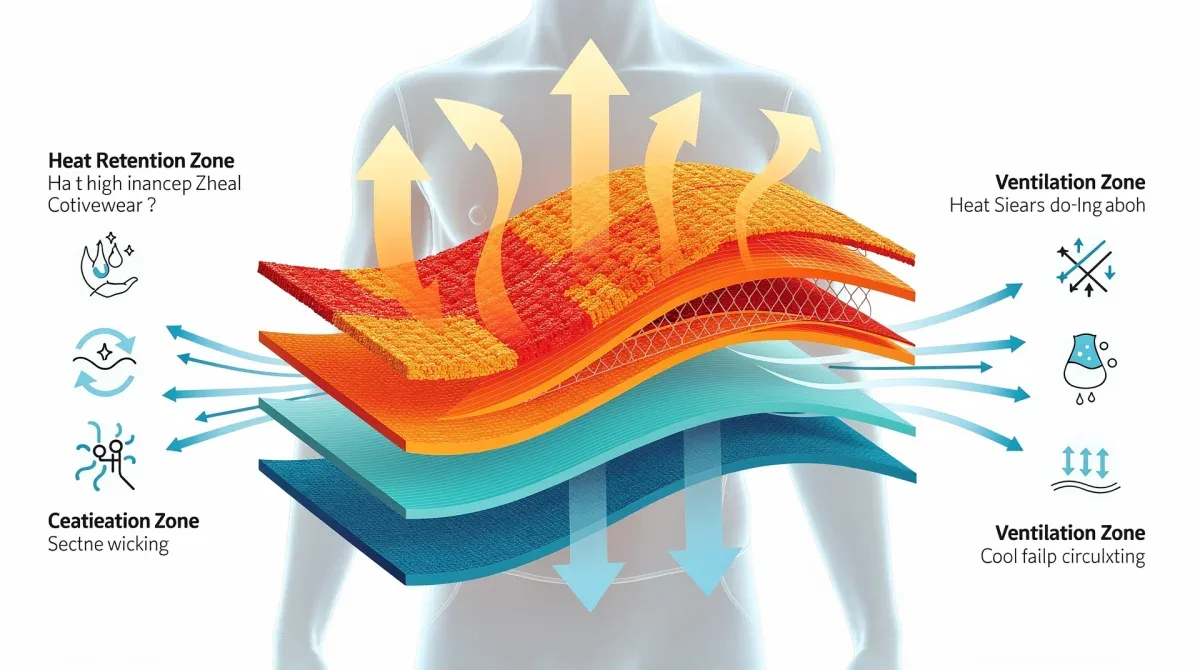
Thermal regulation in textiles relies on sophisticated engineering that manipulates heat transfer. This can involve microencapsulated phase-change materials (PCMs) that change state (e.g., from solid to liquid) to absorb or release latent heat, maintaining a stable temperature. Other biomaterials might feature structures that mimic natural systems, such as pinecones opening and closing, to adjust ventilation.
- Phase-Change Materials (PCMs): Microcapsules embedded in fabric that store and release heat.
- Bio-Based Wicking Fibers: Natural fibers engineered to pull moisture away from the skin efficiently.
- Adaptive Porosity: Materials that change pore size in response to temperature or humidity.
The integration of these scientific principles into fabric design allows for activewear that truly responds to the wearer's environment and exertion levels. This responsiveness is what sets thermal-regulating biomaterials apart, offering an unparalleled level of customized comfort.
Ultimately, the advent of thermal-regulating biomaterials is reshaping consumer expectations, demanding more from their activewear than ever before. This segment is poised for explosive growth, driven by both technological advancements and a heightened collective consciousness regarding environmental impact.
Sustainability and Ethical Sourcing: A Core Principle
The move towards thermal-regulating biomaterials is intrinsically linked to a broader industry push for sustainability. Consumers, particularly in the luxury market, are increasingly scrutinizing the origins and environmental footprint of their purchases. Biomaterials, derived from renewable resources, offer a compelling answer to these demands, aligning performance with planetary responsibility.
Luxury activewear brands are leveraging this opportunity to differentiate themselves, not just on superior functionality, but also on their commitment to ethical practices. This includes everything from the cultivation of raw materials to the manufacturing processes, ensuring transparency and reducing ecological harm.
Innovations in Eco-Friendly Production
The production of biomaterials often involves processes that are less energy-intensive and produce fewer harmful byproducts than traditional synthetic fabric manufacturing. For example, some biomaterials are created using closed-loop systems, where water and solvents are recycled, minimizing waste and pollution.
- Reduced Water Usage: Many bio-based processes require significantly less water.
- Lower Carbon Footprint: Sourcing renewable materials and efficient manufacturing reduces greenhouse gas emissions.
- Biodegradability: Some biomaterials offer end-of-life solutions that minimize landfill impact.
This holistic approach to sustainability is not just a marketing tactic; it's becoming a foundational pillar for brands aiming to thrive in the 2026 activewear landscape. Consumers are more informed than ever, and authenticity in sustainability claims is paramount.
The integration of sustainable practices extends beyond the material itself, influencing packaging, logistics, and even the lifecycle management of garments. This comprehensive view ensures that the entire value chain reflects a commitment to environmental stewardship, appealing to a discerning luxury consumer.
Performance Redefined: Beyond Basic Wicking
For years, activewear performance was largely defined by moisture-wicking capabilities. While essential, thermal-regulating biomaterials take this to an entirely new level, offering dynamic adaptation to the wearer's environment. This means activewear that doesn't just manage sweat, but actively works to keep the body at an optimal temperature, enhancing endurance and comfort.
Imagine a fabric that cools you down as your workout intensifies and then provides insulation as your body temperature begins to drop during a cool-down period. This level of intelligent design is what thermal-regulating biomaterials promise, transforming the activewear experience from passive protection to active partnership.
Enhanced Athletic Endurance and Recovery
Maintaining a stable core body temperature is crucial for athletic performance. Overheating can lead to fatigue and decreased efficiency, while being too cold can impair muscle function. Biomaterials designed for thermal regulation help mitigate these issues, allowing athletes to push harder and recover more effectively.
The consistent microclimate provided by these materials reduces the physiological stress on the body, freeing up energy that would otherwise be spent on internal temperature regulation. This translates to measurable improvements in endurance and overall athletic output.
Furthermore, the improved comfort stemming from optimal temperature management can have a significant psychological impact, allowing athletes to focus more intently on their activity rather than discomfort. This enhanced mental state contributes directly to better performance and greater enjoyment of physical activity.

Luxury Activewear: Where Innovation Meets Aesthetics
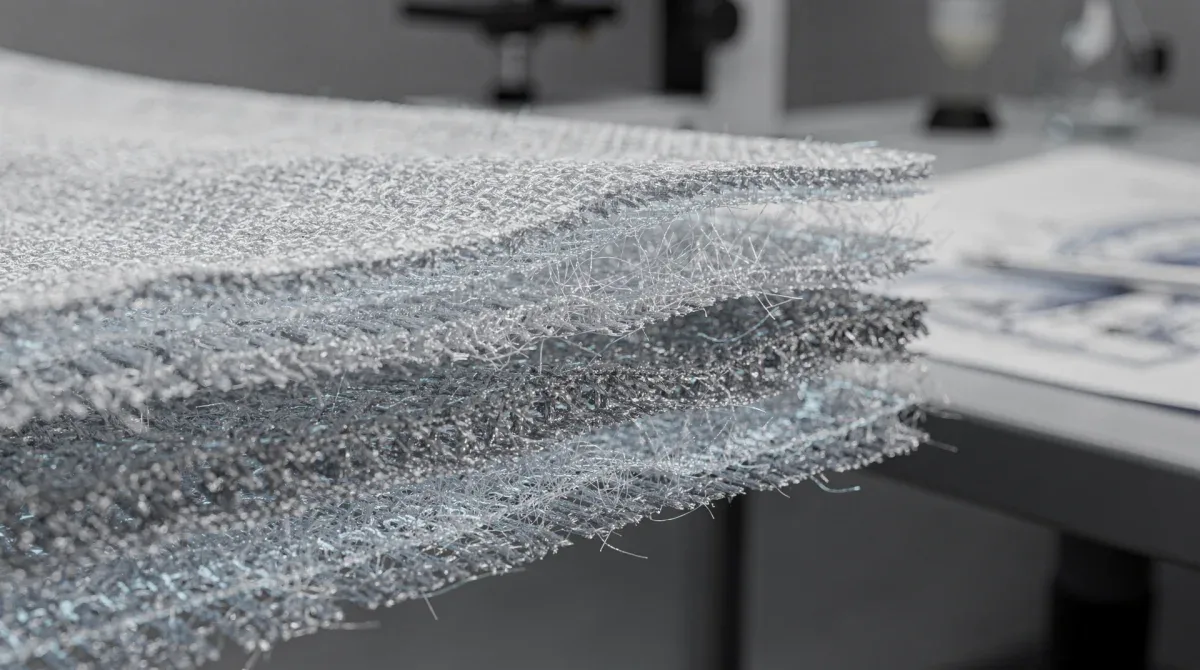
The luxury activewear market is characterized by a demand for not only superior performance but also exquisite aesthetics and meticulous craftsmanship. The integration of thermal-regulating biomaterials into this segment means that cutting-edge technology must be seamlessly blended with high-end design, creating garments that are both highly functional and visually stunning.
Brands are investing heavily in research and development to ensure that these advanced materials can be fashioned into elegant, sophisticated pieces that meet the discerning tastes of luxury consumers. This involves exploring new weaving techniques, innovative dyeing processes, and thoughtful garment construction.
The Intersection of Fashion and Function
In luxury activewear, the line between fashion and function blur. A piece must perform flawlessly in a high-intensity workout, yet also look chic enough to transition seamlessly into post-workout activities or even casual wear. Thermal-regulating biomaterials support this duality by offering performance without compromising on drape, texture, or visual appeal.
- Sophisticated Silhouettes: Materials that allow for elegant cuts and forms.
- Premium Hand-Feel: Soft, luxurious textures that enhance comfort.
- Durability and Longevity: High-quality construction that withstands rigorous use and maintains aesthetic integrity.
This commitment to both form and function ensures that luxury activewear remains a coveted category, with thermal-regulating biomaterials serving as a key differentiator. The investment in these advanced textiles reflects a brand's dedication to offering the very best to its clientele.
The aesthetic integration of these materials is crucial for market acceptance. Designers are tasked with translating complex material science into wearable art, ensuring that the garments not only perform but also embody the essence of luxury and style. This creative challenge is driving a new wave of innovation in activewear design.
Challenges and Opportunities in the Market
While the promise of thermal-regulating biomaterials is immense, the journey to widespread adoption in luxury activewear is not without its challenges. The high cost of research, development, and production for these advanced materials can be significant, potentially impacting pricing and accessibility.
However, these challenges also present unique opportunities for brands willing to invest in innovation. Early adopters can establish themselves as leaders in sustainable performance wear, capturing a growing market segment that values both ethical production and cutting-edge technology.
Overcoming Production Hurdles
Scaling up the production of novel biomaterials from laboratory to commercial quantities requires substantial infrastructure and expertise. Developing efficient manufacturing processes that maintain the integrity and performance characteristics of these materials is a critical hurdle.
Furthermore, educating consumers about the benefits and value proposition of these new materials is essential. While the luxury market is often more receptive to premium pricing for superior quality, clear communication about the science and sustainability behind the products is vital for building trust and demand.
Collaborations between material scientists, fashion designers, and manufacturing experts are key to overcoming these challenges. By pooling expertise, the industry can accelerate the development and market integration of these transformative textiles, ensuring a smooth transition into the 2026 activewear landscape.
The Future Outlook: 2026 and Beyond
The year 2026 is poised to be a pivotal moment for luxury activewear, with thermal-regulating biomaterials firmly establishing their presence. This shift is not a fleeting trend but a fundamental evolution, setting new standards for performance, comfort, and environmental responsibility. The industry will continue to explore even more advanced functionalities, such as self-cleaning properties or integrated biometric sensors.
Looking beyond 2026, we can anticipate further integration of smart textiles that not only regulate temperature but also monitor vital signs, adapt to changing weather conditions, or even provide therapeutic benefits. The convergence of biotechnology, material science, and fashion design will unlock unprecedented possibilities for activewear.
Anticipated Market Growth and Consumer Adoption
The growth trajectory for activewear incorporating these advanced materials is expected to be steep. As production scales and costs potentially decrease, these innovations will likely trickle down from the luxury segment to broader markets, making intelligent temperature regulation a standard expectation rather than a premium feature.
- Increased Investment: More R&D funding into novel biomaterials.
- Broader Applications: Expansion into other apparel categories beyond activewear.
- Consumer Education: Enhanced awareness of the benefits of smart textiles.
The future of activewear is intelligent, sustainable, and deeply connected to the wearer's well-being. Thermal-regulating biomaterials are at the forefront of this revolution, promising an era where clothing actively contributes to a healthier, more active, and more environmentally conscious lifestyle.
This evolving landscape will require brands to remain agile and forward-thinking, continuously adapting to new scientific discoveries and shifting consumer values. The brands that successfully navigate this transformation will be the ones that define the next generation of performance and luxury.
| Key Aspect | Brief Description |
|---|---|
| Biomaterial Innovation | Advanced textiles derived from renewable resources, offering dynamic temperature management. |
| 2026 Market Shift | Significant adoption of thermal-regulating biomaterials in luxury activewear for enhanced performance and sustainability. |
| Sustainability Focus | Emphasis on eco-friendly production, reduced environmental footprint, and ethical sourcing. |
| Performance Benefits | Optimized body temperature, improved endurance, and superior comfort during physical activity. |
Frequently Asked Questions About Thermal-Regulating Biomaterials in Activewear
What are thermal-regulating biomaterials?▼Thermal-regulating biomaterials are innovative textiles, often derived from renewable sources, designed to actively manage body temperature. They achieve this through mechanisms like phase-change materials, advanced wicking properties, or adaptive structures, providing dynamic comfort during physical activity and adapting to environmental changes.
Why are luxury activewear lines shifting to these materials by 2026?▼Luxury activewear lines are adopting these materials by 2026 due to increasing consumer demand for superior performance, enhanced comfort, and strong sustainability credentials. These biomaterials offer a unique blend of cutting-edge functionality and eco-conscious production, aligning with the values of the discerning luxury market.
How do these biomaterials enhance athletic performance?▼By maintaining an optimal and stable body temperature, thermal-regulating biomaterials reduce the physiological stress of overheating or chilling. This allows athletes to conserve energy, improve endurance, and focus better on their activity, leading to more efficient workouts and quicker recovery times.
Are thermal-regulating biomaterials truly sustainable?▼Many thermal-regulating biomaterials are inherently more sustainable than traditional synthetics. They often utilize renewable resources, employ eco-friendly manufacturing processes with reduced water and energy consumption, and can sometimes be biodegradable, contributing to a lower overall environmental footprint throughout their lifecycle.
What can consumers expect from activewear made with these new materials?▼Consumers can expect activewear that offers unparalleled comfort and adaptability, performing optimally across a wider range of temperatures and activity levels. Beyond performance, these garments will also boast premium aesthetics, luxurious feel, and the assurance of supporting sustainable and ethical manufacturing practices.
Conclusion
The 2026 shift in luxury activewear lines, driven by the integration of thermal-regulating biomaterials, represents more than just a technological upgrade; it signifies a paradigm shift in how we perceive and interact with our fitness apparel. This evolution underscores a commitment to innovation that prioritizes both human performance and planetary health. As these advanced textiles become more prevalent, the activewear market will undoubtedly reach new heights of functionality, sustainability, and sophisticated design, offering an enriched experience for every individual on their wellness journey.
