USADA 2026 Prohibited List: 3 Recovery Peptides Banned
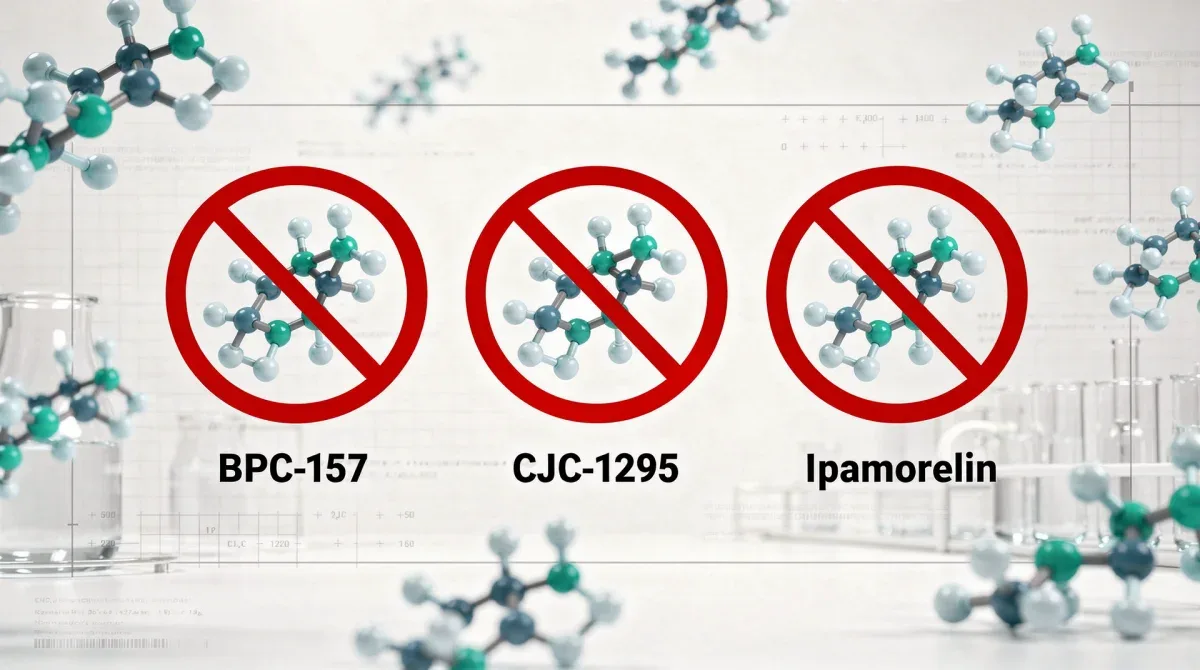
The US Anti-Doping Agency (USADA) has updated its 2026 Prohibited List, officially banning three common recovery peptides: BPC-157, CJC-1295, and Ipamorelin, significantly altering the landscape for athletes and fitness enthusiasts.
The recent announcement regarding the USADA 2026 prohibited list marks a pivotal moment for athletes and individuals engaged in fitness across the United States. With the official ban of three commonly used recovery peptides – BPC-157, CJC-1295, and Ipamorelin – the landscape of supplements and recovery protocols is set to undergo significant changes. Understanding these updates is crucial for maintaining integrity in sport and ensuring personal well-being.
Understanding the USADA 2026 Prohibited List Updates
The United States Anti-Doping Agency (USADA) consistently reviews and updates its Prohibited List to ensure fairness and protect the health of athletes. These updates reflect ongoing scientific research into substances that can enhance performance, mask doping, or pose health risks. The 2026 iteration brings specific focus to certain peptides, which have gained popularity in recent years for their purported recovery and performance-enhancing benefits.
The process of adding a substance to the Prohibited List involves rigorous evaluation by scientific and medical experts. They assess whether a substance meets at least two of three criteria: potential to enhance sport performance, actual or potential health risk to the athlete, and violation of the spirit of sport. This meticulous approach ensures that decisions are evidence-based and align with the global anti-doping framework established by the World Anti-Doping Agency (WADA).
The Role of WADA in USADA's Prohibited List
USADA's Prohibited List is directly derived from the World Anti-Doping Agency's (WADA) International Standard for the Prohibited List. WADA, as the international body, sets the global standard, and national anti-doping organizations like USADA implement and enforce these standards within their respective jurisdictions. This harmonization ensures a consistent approach to anti-doping efforts worldwide, preventing athletes from circumventing rules by competing in different regions.
- WADA publishes its list annually, effective January 1st.
- USADA adopts and enforces WADA's list with minor national adaptations.
- Athletes are responsible for knowing what is on the Prohibited List.
- The list includes substances and methods prohibited in-competition, out-of-competition, and in particular sports.
The continuous evolution of the Prohibited List underscores the dynamic nature of anti-doping. As new compounds emerge and scientific understanding deepens, the list adapts to maintain a level playing field and safeguard athlete welfare. For 2026, the spotlight is firmly on several recovery peptides that have, until now, occupied a grey area for many in the fitness community.
Staying informed about these changes is not merely a recommendation but a necessity for anyone involved in competitive or regulated sports. Ignorance of the rules is not an excuse, and violations can lead to severe consequences, including lengthy bans from competition. USADA provides extensive resources to help athletes and support personnel understand the regulations, including online databases and educational materials.
The Banned Peptides: BPC-157, CJC-1295, and Ipamorelin
The recent update to the USADA 2026 prohibited list specifically names three peptides that are now officially off-limits: BPC-157, CJC-1295, and Ipamorelin. These substances have been increasingly utilized for their perceived benefits in recovery, muscle growth, and fat loss, making their ban a significant development for many individuals.
Each of these peptides functions differently, but all have been explored for their therapeutic potential, particularly in contexts of injury recovery and physiological enhancement. The decision to ban them reflects a combination of factors, including potential performance enhancement, health risks, and concerns about the spirit of sport.
BPC-157: A Closer Look at the Ban
BPC-157, or Body Protection Compound-157, is a synthetic peptide derived from human gastric juice. It has garnered considerable attention for its purported regenerative properties, including accelerated healing of various tissues like tendons, ligaments, bones, and muscles. Its appeal stems from anecdotal reports and some preliminary research suggesting its efficacy in wound healing and reducing inflammation.
- Mechanism of Action: Thought to promote angiogenesis (new blood vessel formation) and collagen production.
- Prior Use: Popular among athletes for faster recovery from injuries.
- Reason for Ban: Classified as a growth factor, which is generally prohibited by WADA due to its potential for performance enhancement and lack of long-term human safety data.
The ban on BPC-157 highlights the cautious approach taken by anti-doping agencies. While some research exists, the extensive human clinical trials required to establish definitive safety and efficacy for widespread use are often lacking for such compounds. The potential for unfair advantage and unknown health implications outweighs any perceived benefits in a regulated sports environment.
CJC-1295 and Ipamorelin: Growth Hormone Releasing Peptides
CJC-1295 and Ipamorelin are both synthetic peptides that act as Growth Hormone Releasing Hormones (GHRH) or GHRH analogues. They stimulate the body's natural production and release of growth hormone (GH) from the pituitary gland. This mechanism makes them attractive for individuals seeking to increase muscle mass, reduce body fat, and improve recovery, mimicking some effects of exogenous growth hormone administration.
CJC-1295 is often combined with Ipamorelin due to their synergistic effects on GH release. CJC-1295 has a longer half-life, providing a sustained release, while Ipamorelin offers a more pulsatile release, closely mimicking the body's natural GH secretion patterns. Their combined use has been a popular choice in certain fitness circles for these reasons.
- CJC-1295: A GHRH analogue, designed to increase GH secretion by binding to GHRH receptors.
- Ipamorelin: A growth hormone secretagogue that specifically stimulates GH release without significantly impacting other hormones like cortisol or prolactin.
- Reason for Ban: Both are categorized under 'Peptide Hormones, Growth Factors, Related Substances, and Mimetics' on the WADA Prohibited List, due to their clear potential for performance enhancement and manipulation of physiological systems.
The decision to explicitly ban these peptides underscores the commitment of anti-doping bodies to prevent artificial enhancement of athletic performance. While the body naturally produces growth hormone, the use of external agents to amplify its production beyond physiological norms is considered a violation of fair play. Athletes must now be acutely aware of these specific peptides and avoid any products containing them.

Implications for Athletes and Fitness Enthusiasts
The inclusion of BPC-157, CJC-1295, and Ipamorelin on the USADA 2026 prohibited list has far-reaching implications for a broad spectrum of individuals. From professional athletes to recreational gym-goers who might have experimented with these substances, the new regulations demand immediate attention and a thorough review of their supplement regimens.
For competitive athletes, the message is clear: using these peptides will result in anti-doping rule violations, leading to sanctions such as competitive bans, disqualification of results, and reputational damage. The strict liability principle in anti-doping means that athletes are solely responsible for any prohibited substance found in their system, regardless of intent.
Navigating Supplement Choices and Due Diligence
The supplement market is vast and often poorly regulated, making it challenging for consumers to identify clean products. Many supplements do not list all ingredients, or they may be contaminated with prohibited substances. This makes due diligence absolutely critical for athletes.
- Check Supplement Labels: Carefully read all ingredients.
- Use Trusted Resources: Consult USADA's Global Drug Reference Online (Global DRO) for substance verification.
- Choose Certified Products: Opt for supplements that have undergone third-party testing and certification, such as NSF Certified for Sport or Informed-Sport.
- Consult with Experts: Seek advice from anti-doping specialists, sports dietitians, or medical professionals.
Beyond competitive athletes, fitness enthusiasts who are not subject to formal anti-doping testing might still reconsider their use of these peptides. The ban by USADA and WADA is based on scientific assessment of potential health risks and ethical concerns, which apply regardless of competitive status. Prioritizing long-term health over short-term gains from unapproved substances is a prudent approach.
The updated list serves as a powerful reminder that "natural" or "bio-identical" claims do not automatically equate to safety or permissibility in sport. Many substances derived from natural compounds or mimicking natural hormones are still prohibited if they offer an unfair advantage or pose health risks. Education and vigilance are key to staying compliant and healthy.
The Science Behind the Ban: Health Risks and Performance Enhancement
The decision to include BPC-157, CJC-1295, and Ipamorelin on the USADA 2026 prohibited list is rooted in scientific evaluation concerning both potential health risks and their capacity for performance enhancement. Anti-doping agencies prioritize athlete health and the integrity of competition, and substances that compromise either are targeted for prohibition.
While proponents of these peptides often cite anecdotal benefits, robust, large-scale clinical trials in humans to establish long-term safety and efficacy are often lacking. This absence of comprehensive data is a significant factor in their prohibition, as USADA and WADA cannot endorse substances with unknown or poorly understood health implications.
Potential Health Risks Associated with Banned Peptides
The use of unapproved peptides carries inherent risks, some of which are still being uncovered. Because these substances are not regulated as pharmaceuticals, their purity, dosage, and even actual content can vary wildly, posing immediate health concerns.
- Unknown Long-Term Effects: Lack of extensive human trials means potential long-term health consequences are largely unknown.
- Contamination Risks: Products purchased from unregulated sources may contain impurities, incorrect dosages, or other prohibited substances.
- Immunological Reactions: As foreign substances, peptides can potentially trigger adverse immune responses.
- Interference with Natural Hormonal Balance: Particularly for GHRH analogues, manipulating growth hormone release can have unforeseen effects on the body's complex endocrine system.
Beyond these general risks, specific concerns exist for each peptide. For instance, while BPC-157 is often lauded for healing, its impact on cell proliferation could theoretically have implications for pre-existing conditions or undetected cellular abnormalities. Similarly, sustained elevation of growth hormone, even if stimulated endogenously by CJC-1295 and Ipamorelin, can lead to conditions like acromegaly, insulin resistance, and increased risk of certain cancers over time, although these are typically associated with exogenous GH abuse.
Performance Enhancement and the Spirit of Sport
The core of anti-doping philosophy lies in preserving the "spirit of sport," which encompasses ethics, fair play, honesty, and health. Substances that artificially enhance performance contradict these fundamental values, creating an unfair advantage and undermining the efforts of clean athletes.
BPC-157's purported ability to accelerate recovery and heal injuries faster could allow athletes to train harder, recover quicker, and return to competition sooner than their natural physiological limits would permit. This constitutes a clear performance advantage. CJC-1295 and Ipamorelin, by boosting growth hormone, can lead to increased muscle mass, reduced body fat, and improved recovery, directly impacting strength, power, and endurance.

The ban ensures that athletic achievements are a result of natural talent, hard work, and dedication, rather than pharmaceutical intervention. It reinforces the idea that true competition is about human potential, not chemical augmentation. This commitment to fair play is essential for maintaining public trust in sports and inspiring future generations of athletes.
Ultimately, the scientific basis for these bans extends beyond mere potential. It considers the broader context of competitive integrity and the ethical framework that unfderpins all legitimate sporting endeavors. Athletes and their support teams are encouraged to prioritize evidence-based training and nutrition strategies, steering clear of substances that promise quick fixes but carry significant risks and ethical baggage.
Alternatives for Recovery and Performance Enhancement
With the USADA 2026 prohibited list now explicitly banning BPC-157, CJC-1295, and Ipamorelin, athletes and fitness enthusiasts must turn to legitimate and safe alternatives for recovery and performance enhancement. Fortunately, a wealth of evidence-based strategies and legal supplements can support training goals without violating anti-doping rules or compromising health.
Focusing on foundational elements such as proper nutrition, adequate sleep, and effective training methodologies remains paramount. These are the cornerstones of sustainable performance and recovery, far outweighing the transient benefits of prohibited substances.
Evidence-Based Recovery Strategies
Effective recovery is crucial for consistent training and injury prevention. Instead of relying on banned peptides, athletes can implement a variety of proven strategies:
- Active Recovery: Light exercise, such as walking or cycling, helps remove metabolic waste and increase blood flow to muscles.
- Sleep Optimization: Prioritize 7-9 hours of quality sleep per night, as this is when the body undertakes most of its repair and regeneration processes.
- Nutrition: Consume a balanced diet rich in protein for muscle repair, carbohydrates for energy replenishment, and healthy fats for overall health. Micronutrients from fruits and vegetables are also vital.
- Hydration: Maintain optimal hydration levels, which are critical for all physiological functions, including nutrient transport and waste removal.
- Massage and Foam Rolling: These techniques can help improve blood flow, reduce muscle soreness, and enhance flexibility.
- Cold and Heat Therapy: Practices like ice baths or heat packs can reduce inflammation and improve circulation, aiding recovery.
These methods are not only effective but also safe, sustainable, and promote overall well-being. They empower athletes to take control of their recovery process through natural and healthy means, aligning with the spirit of clean sport.
Legal and Safe Supplements for Performance
While no legal supplement can replicate the effects of banned peptides, several well-researched and permitted supplements can support performance and recovery when used appropriately and in conjunction with a solid training and nutrition plan. It is crucial to always verify the legality and purity of any supplement.
- Creatine: Enhances strength, power, and muscle mass by increasing ATP regeneration.
- Whey Protein: Supports muscle repair and growth, especially after resistance training.
- BCAAs (Branched-Chain Amino Acids): May help reduce muscle soreness and promote recovery, though a complete protein source is generally more effective.
- Caffeine: Can improve alertness, focus, and endurance performance.
- Beta-Alanine: Helps buffer lactic acid, delaying fatigue during high-intensity exercise.
- Omega-3 Fatty Acids: Possess anti-inflammatory properties that can aid recovery and overall health.
When considering supplements, athletes should always choose products that are third-party certified (e.g., NSF Certified for Sport or Informed-Sport) to minimize the risk of contamination with prohibited substances. Consulting with a sports dietitian or a medical professional experienced in sports nutrition can provide personalized guidance and ensure that supplement choices are both effective and compliant with anti-doping regulations.
Embracing a holistic approach to training, recovery, and nutrition is the most reliable path to achieving peak performance and sustained health. The ban of these peptides serves as an opportunity to reinforce commitment to clean sport and to explore the vast array of legitimate strategies available.
Staying Compliant with Anti-Doping Regulations
For any athlete or individual involved in regulated fitness activities, staying compliant with anti-doping regulations, especially concerning the USADA 2026 prohibited list, is non-negotiable. The landscape of prohibited substances is constantly evolving, making continuous education and vigilance essential. Ignorance is never an acceptable defense for a doping violation.
The responsibility for knowing what is prohibited ultimately rests with the athlete. This personal accountability underscores the importance of proactive measures to ensure that all substances consumed are permitted and safe.
Key Resources for Athletes
USADA provides a wealth of resources designed to help athletes navigate the complex world of anti-doping. Utilizing these tools is crucial for informed decision-making:
- Global Drug Reference Online (Global DRO): This online tool allows athletes to check the prohibited status of medications and ingredients. It's a fundamental resource for verifying prescription and over-the-counter drugs.
- USADA's Prohibited List: Regularly review the official Prohibited List, which is updated annually. This list details all substances and methods banned in sport.
- Supplement 411: A resource providing information and warnings about the risks associated with dietary supplements. It emphasizes the importance of third-party certified products.
- Athlete Express: A confidential hotline and email service where athletes can ask questions and report potential doping violations.
- Education Programs: USADA offers various educational programs, webinars, and materials to inform athletes and support personnel about anti-doping rules and responsibilities.
Engaging with these resources regularly should be a standard practice for all athletes. The anti-doping landscape is not static; new substances emerge, and scientific understanding evolves, leading to periodic updates to the Prohibited List. Staying current is the best defense against inadvertent doping.
The Importance of a Clean Sport Culture
Beyond individual compliance, fostering a culture of clean sport is vital. This involves athletes, coaches, support staff, and organizations all playing a role in promoting ethical behavior and fair competition. A strong clean sport culture emphasizes values like integrity, respect, and health, discouraging the pursuit of artificial advantages.
Coaches and medical staff have a particularly important role in guiding athletes and ensuring they make informed choices. They should be knowledgeable about anti-doping rules and able to advise on safe and legal training and recovery strategies. Creating an environment where athletes feel comfortable asking questions and expressing concerns about supplements or treatments is crucial.
Ultimately, compliance is about more than just avoiding sanctions; it's about upholding the fundamental values of sport. It ensures that competition is a true test of human potential and dedication, inspiring trust and admiration from fans and participants alike. The ban on these peptides reinforces this commitment, urging everyone involved in sport to embrace a clean and fair approach.
| Key Update | Brief Description |
|---|---|
| 3 Peptides Banned | BPC-157, CJC-1295, and Ipamorelin are now officially prohibited. |
| Effective Date | The new regulations are effective as of January 1, 2026. |
| Athlete Responsibility | Athletes are strictly liable for substances found in their system. |
| Alternatives Encouraged | Focus on legal, evidence-based recovery strategies and certified supplements. |
Frequently Asked Questions About the USADA 2026 Prohibited List
What are the three recovery peptides banned by USADA for 2026?▼The US Anti-Doping Agency (USADA) has officially banned BPC-157, CJC-1295, and Ipamorelin from its 2026 Prohibited List. These peptides were previously used for purported benefits in recovery, muscle growth, and fat loss, but now fall under prohibited substances.
Why were these specific peptides added to the prohibited list?▼These peptides were added due to their potential for performance enhancement, significant health risks to athletes, and a violation of the spirit of sport. USADA and WADA evaluate substances based on these criteria, prioritizing athlete safety and fair competition.
How will this ban impact athletes and fitness enthusiasts?▼Athletes participating in regulated sports must immediately cease using these peptides to avoid anti-doping rule violations and severe sanctions. Fitness enthusiasts should also be aware of the health risks and ethical concerns associated with unapproved substances, opting for safer alternatives.
What are safe and legal alternatives for recovery and performance?▼Safe alternatives include optimizing sleep, nutrition, and hydration, along with active recovery, massage, and cold/heat therapy. Legal supplements like creatine, whey protein, and BCAAs (when third-party certified) can also support performance and recovery.
Where can athletes find reliable information about prohibited substances?▼Athletes should consult USADA's official website, Global Drug Reference Online (Global DRO), and the annual Prohibited List. These resources provide up-to-date information on banned substances, supplement risks, and educational programs to ensure compliance.
Conclusion
The update to the USADA 2026 prohibited list, specifically banning BPC-157, CJC-1295, and Ipamorelin, represents a critical development in the ongoing efforts to maintain clean and fair sport. This decision, rooted in scientific assessment of potential performance enhancement and health risks, underscores USADA's unwavering commitment to athlete welfare and the integrity of competition. For athletes and fitness enthusiasts alike, understanding these new regulations is not just about compliance; it's about making informed choices that prioritize long-term health and uphold the fundamental values of sport. Embracing legitimate recovery strategies and rigorously vetting all supplements are essential steps in navigating this evolving landscape, ensuring that athletic achievements are truly a testament to dedication and natural ability.
