Circadian Eating Windows: Beyond 16:8 Fasting for Metabolic Health
Circadian eating windows, a nuanced evolution of intermittent fasting, synchronize meal timing with natural bodily rhythms to enhance metabolic flexibility and overall health, offering significant advantages over traditional strict 16:8 protocols.
The landscape of nutrition and wellness is constantly evolving, with new research continually refining our understanding of how our bodies interact with food. Among the most compelling recent shifts is the move towards circadian eating windows, an approach that transcends the rigid boundaries of traditional 16:8 intermittent fasting. This method focuses on aligning our eating patterns with our natural biological clocks, promising not just weight management but a significant boost in metabolic flexibility, potentially by as much as 18%.
Understanding circadian rhythm and its impact on metabolism
Our bodies operate on an intricate 24-hour cycle known as the circadian rhythm, which governs nearly every physiological process, from sleep-wake cycles to hormone release and metabolism. This internal clock is primarily influenced by light and darkness, signaling to our bodies when to be active and when to rest. When our eating patterns are out of sync with this natural rhythm, it can lead to metabolic dysfunction.
For decades, the focus in dieting was primarily on calorie counting and macronutrient ratios. However, emerging science underscores the critical importance of *when* we eat, not just *what* or *how much*. The body's ability to process nutrients, store fat, and utilize energy varies significantly throughout the day, dictated by our circadian clock. Eating late into the evening, for instance, can challenge our digestive system and metabolic processes, as our body is naturally winding down.
The science behind circadian synchronization
- Genetic Expression: Over 10% of our genes are under circadian control, including those involved in glucose metabolism and lipid synthesis. Eating at optimal times can positively influence these genes.
- Hormonal Regulation: Hormones like insulin and cortisol follow circadian patterns. Eating when insulin sensitivity is highest (typically earlier in the day) can improve glucose control.
- Digestive Enzyme Activity: The production and activity of digestive enzymes peak during the day, making digestion more efficient when food is consumed during daylight hours.
Ultimately, understanding the circadian rhythm isn't just about sleep; it's about optimizing every aspect of our physiological functioning. By respecting our body's internal clock, particularly concerning meal timing, we can unlock profound benefits for our metabolic health and overall well-being. This foundational knowledge is what drives the efficacy of circadian eating windows, offering a more harmonious approach to nutrition.
The evolution from 16:8 fasting to circadian eating
Intermittent fasting, particularly the 16:8 method, gained immense popularity for its simplicity and effectiveness. It involves fasting for 16 hours and eating within an 8-hour window. While effective for many, its rigid schedule often overlooked the nuanced interplay of meal timing with our body's natural rhythms. The key limitation of 16:8 is that it often allows for late-night eating, which, as we now understand, can disrupt circadian synchronization and undermine metabolic benefits.

Circadian eating windows represent a more refined and biologically aligned evolution. Instead of merely restricting the eating period, it emphasizes *when* that window occurs. The core principle is to align the eating window with daylight hours, typically starting shortly after waking and concluding several hours before bedtime. This approach acknowledges that our bodies are best equipped to digest and metabolize food during the day when our insulin sensitivity is higher and digestive enzymes are more active.
Key differences and advantages
- Timing is paramount: Circadian eating prioritizes eating during daylight hours, while 16:8 often allows for flexibility that can extend into late evening.
- Metabolic harmony: By aligning with natural rhythms, circadian eating supports better hormone regulation, improved glucose control, and enhanced fat burning.
- Improved sleep quality: Avoiding late-night meals can lead to better sleep, as the body isn't working to digest food when it should be resting and repairing.
This shift from a purely time-restricted feeding schedule to one that considers biological timing is crucial. It moves beyond simply *not eating* to actively *optimizing nutrient intake* within the most metabolically advantageous period of the day. This nuanced approach helps to mitigate some of the potential drawbacks of poorly timed 16:8 fasting, such as digestive discomfort or sleep disturbances associated with late-night eating.
Boosting metabolic flexibility by 18%: The scientific evidence
Metabolic flexibility refers to the body's ability to efficiently switch between burning carbohydrates and fats for fuel. A metabolically flexible individual can adapt quickly to changes in fuel availability, maintaining stable energy levels and better managing weight. Conversely, metabolic inflexibility is often associated with insulin resistance, obesity, and type 2 diabetes.
Recent studies have shown that adopting a circadian eating window can significantly enhance this crucial metabolic trait. Research indicates that aligning eating with natural light cycles can boost metabolic flexibility by as much as 18%. This improvement is attributed to several mechanisms, including optimized insulin sensitivity, enhanced mitochondrial function, and better regulation of genes involved in energy metabolism.
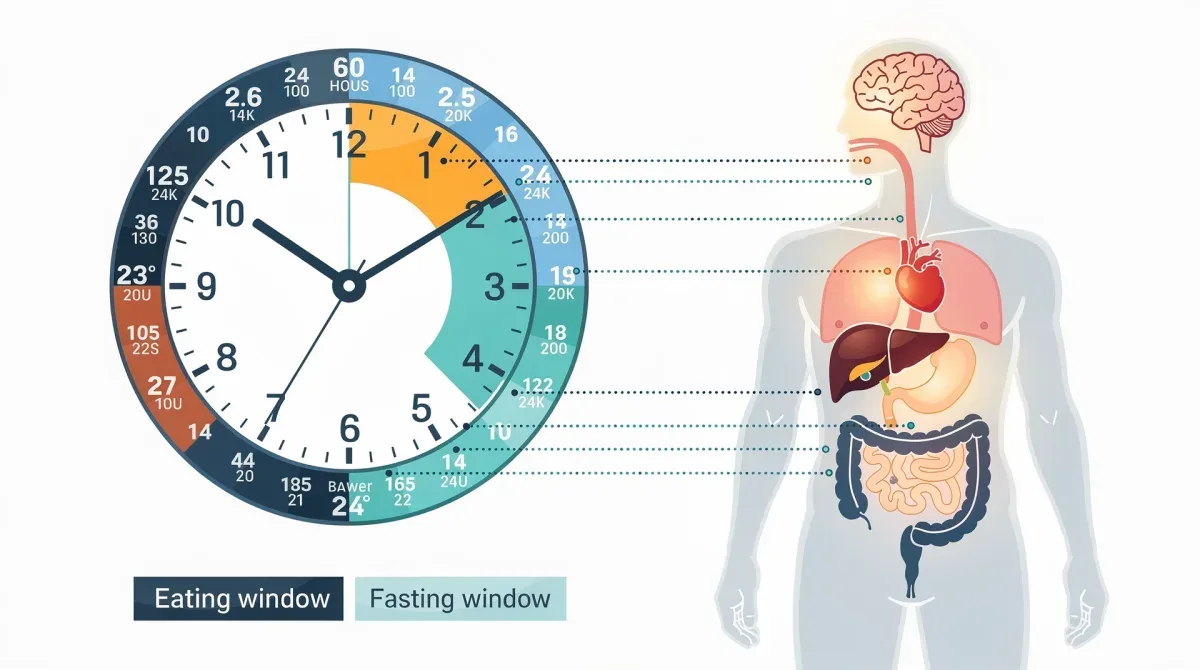

One of the primary ways circadian eating achieves this is by improving the body's response to insulin. When food is consumed during periods of high insulin sensitivity (morning and early afternoon), the body can more effectively utilize glucose, preventing spikes and crashes. This consistent, optimized insulin response trains the body to be more efficient at burning both glucose and stored fat.
Mechanisms behind enhanced flexibility
- Mitochondrial efficiency: Circadian eating can improve the function of mitochondria, the powerhouses of our cells, leading to more efficient energy production.
- Fat oxidation: By extending the overnight fasting period and aligning eating with daylight, the body spends more time in a fat-burning state, enhancing its ability to tap into fat stores.
- Reduced inflammation: Chronic inflammation can impair metabolic flexibility. Circadian eating patterns have been linked to reduced systemic inflammation, further supporting metabolic health.
The 18% increase in metabolic flexibility is a compelling indicator of the profound impact of this approach. It suggests that beyond simply losing weight, individuals can achieve a more robust and resilient metabolic state, better equipped to handle dietary challenges and maintain long-term health. This makes circadian eating a powerful tool for preventive health and managing chronic metabolic conditions.
Practical implementation: How to adopt a circadian eating window
Adopting a circadian eating window doesn't require a complete overhaul of your life, but rather a thoughtful adjustment to your meal timing. The goal is to synchronize your eating with your body's natural rhythms, typically meaning an earlier start and finish to your daily food intake. This often translates to an eating window that begins a couple of hours after waking and ends several hours before bedtime.
For most people, an ideal circadian eating window might be between 8:00 AM and 6:00 PM, or 9:00 AM and 7:00 PM. The exact timing can be flexible, depending on individual schedules and preferences, but the principle of aligning with daylight and avoiding late-night meals remains constant. It's not about strict calorie restriction within this window, but rather focusing on nutrient-dense, whole foods.
Tips for a smooth transition
- Gradual adjustment: Don't feel pressured to shift your eating window dramatically overnight. Gradually move your first meal earlier and your last meal later by 30-60 minutes each week.
- Prioritize breakfast: Make your first meal substantial and nutrient-rich, as this sets the tone for your metabolic day.
- Hydration is key: Stay well-hydrated throughout the day, especially during your fasting period, to help manage hunger and support metabolic processes.
- Listen to your body: Pay attention to hunger cues and energy levels. While the goal is a specific window, individual needs may vary.
Beyond meal timing, it's also important to consider the quality of your food choices. Circadian eating is not an excuse to eat unhealthy foods within your window. Focus on a balanced diet rich in fruits, vegetables, lean proteins, and healthy fats to maximize the benefits. Regular physical activity and adequate sleep further complement the positive effects of this eating pattern, creating a holistic approach to well-being.
Beyond weight loss: Comprehensive health benefits
While weight management is a common motivator for adopting new eating patterns, the benefits of circadian eating windows extend far beyond the scale. The emphasis on metabolic flexibility and alignment with natural bodily rhythms contributes to a wide array of comprehensive health improvements that can significantly enhance overall quality of life. These benefits are often more sustainable and impactful than those solely focused on weight reduction.
Improved blood sugar control is one of the most significant advantages. By eating during periods of peak insulin sensitivity, the body can better process glucose, leading to more stable blood sugar levels. This is particularly beneficial for individuals at risk of, or managing, type 2 diabetes. Furthermore, circadian eating has been linked to better cardiovascular health markers, including improved blood pressure and cholesterol profiles, reducing the risk of heart disease.


Additional benefits to consider
- Enhanced cognitive function: Stable blood sugar and reduced inflammation can support brain health, leading to improved focus, memory, and mood.
- Better gut health: Giving the digestive system a longer break allows for repair and regeneration, fostering a healthier gut microbiome.
- Reduced inflammation: Consistent circadian alignment can lower systemic inflammation, a driver of many chronic diseases.
- Increased longevity: By optimizing cellular processes and reducing metabolic stress, circadian eating may contribute to a longer, healthier lifespan.
The holistic nature of these benefits underscores that circadian eating is not just another diet fad, but a sustainable lifestyle approach. It empowers individuals to take control of their health by working *with* their body's natural design, rather than against it. This results in a feeling of greater vitality, sustained energy, and a reduced risk of various chronic health conditions.
Addressing common challenges and misconceptions
While the concept of circadian eating windows offers compelling benefits, adopting a new eating pattern can come with its share of challenges and misconceptions. Many people are accustomed to eating throughout the day, often grazing or having late-night snacks, making the shift to a defined eating window seem daunting. It's important to address these concerns with practical solutions and clear information.
One common concern is hunger during the fasting period. Initially, the body may take time to adjust, but consistent adherence typically leads to a reduction in hunger pangs as the body becomes more efficient at burning fat for fuel. Ensuring meals within the eating window are nutrient-dense and satisfying can also help mitigate hunger. Another misconception is that circadian eating is overly restrictive or difficult to maintain in social settings. However, with thoughtful planning, it can be seamlessly integrated into most lifestyles.
Overcoming potential hurdles
- Social situations: Plan ahead for social events. If you know you'll have a late dinner, adjust your eating window for that day, or opt for lighter meals earlier.
- Initial hunger: Stay hydrated with water, herbal teas, or black coffee during fasting periods. Distraction through activities can also help.
- Energy levels: Some individuals may experience a temporary dip in energy initially. This usually resolves as the body adapts to its new metabolic rhythm.
- Nutrient adequacy: Focus on consuming a wide variety of whole foods within your eating window to ensure you meet all your nutritional needs.
It's also crucial to distinguish circadian eating from extreme calorie restriction. The goal is not to starve yourself but to optimize *when* you eat. This distinction is vital for a healthy and sustainable approach. Consulting with a healthcare professional or a registered dietitian before making significant dietary changes is always recommended, especially for individuals with underlying health conditions.
Integrating circadian eating with a healthy lifestyle
For circadian eating windows to deliver their full spectrum of benefits, they should be viewed not as an isolated dietary intervention, but as a cornerstone within a broader healthy lifestyle. This holistic perspective recognizes that nutrition, physical activity, sleep, and stress management are interconnected, each influencing the others and contributing to overall well-being. Integrating circadian eating effectively means harmonizing it with these other crucial pillars of health.
Regular physical activity, for instance, complements circadian eating by further enhancing metabolic flexibility and insulin sensitivity. Whether it's a brisk walk, strength training, or yoga, moving your body consistently amplifies the benefits of timed eating. Similarly, prioritizing quality sleep is paramount. Disrupted sleep can throw off circadian rhythms, undermining the very benefits that timed eating seeks to achieve. Aim for 7-9 hours of restorative sleep each night.
Creating a synergistic approach
- Mindful movement: Incorporate daily physical activity that you enjoy. This boosts energy expenditure and improves cellular health, working in tandem with your eating window.
- Stress management: Chronic stress can elevate cortisol levels, negatively impacting metabolism. Practices like meditation, deep breathing, or spending time in nature can help mitigate stress.
- Quality sleep hygiene: Establish a consistent sleep schedule, create a dark and cool sleep environment, and avoid screens before bed to support natural circadian rhythms.
- Nutrient density: Fill your eating window with whole, unprocessed foods to provide your body with the essential vitamins, minerals, and macronutrients it needs.
By creating this synergistic environment, individuals can unlock the full potential of circadian eating windows, transforming them from a mere dietary strategy into a powerful tool for comprehensive health optimization. This integrated approach ensures that the body's natural rhythms are supported from all angles, leading to sustained energy, improved disease resistance, and a vibrant quality of life.
| Key Point | Brief Description |
|---|---|
| Circadian Alignment | Synchronizing eating with natural daylight hours to optimize bodily functions. |
| Metabolic Flexibility | Enhanced ability of the body to efficiently switch between burning carbs and fats for energy. |
| Beyond 16:8 Fasting | Moves past rigid time restrictions to focus on biologically optimal eating times. |
| 18% Boost | Scientific studies suggest a significant increase in metabolic flexibility with this approach. |
Frequently asked questions about circadian eating windows
What is the main difference between circadian eating and 16:8 fasting?▼The primary distinction is timing. While 16:8 focuses on an 8-hour eating window, circadian eating emphasizes aligning that window with daylight hours, typically ending several hours before bedtime, to synchronize with the body's natural metabolic rhythms.
How does circadian eating boost metabolic flexibility?▼By synchronizing food intake with periods of optimal insulin sensitivity and digestive enzyme activity, circadian eating enhances the body's ability to efficiently switch between burning carbohydrates and fats for energy, improving overall metabolic function.
Is it difficult to adapt to a circadian eating window?▼Initially, some individuals may experience hunger or adjustment challenges. However, by gradually shifting meal times, staying hydrated, and focusing on nutrient-dense foods, the body typically adapts, leading to reduced hunger and improved energy levels over time.
Can circadian eating help with weight loss?▼Yes, by improving metabolic flexibility, insulin sensitivity, and promoting a longer overnight fasting period, circadian eating can contribute to sustainable weight loss and better body composition, alongside numerous other health benefits.
What are the best hours for a circadian eating window?▼While individual preferences vary, a common recommendation is an eating window between 8:00 AM and 6:00 PM, or 9:00 AM and 7:00 PM. The key is to start earlier in the day and finish several hours before your typical bedtime.
Conclusion
The journey from strict 16:8 intermittent fasting to embracing circadian eating windows represents a significant and informed evolution in our understanding of nutrition and metabolic health. By aligning our eating patterns with the body's inherent biological clock, we move beyond mere time restriction to a strategy that actively optimizes our physiological processes. The scientific evidence, particularly the potential for an 18% boost in metabolic flexibility, underscores the profound impact of this approach. Circadian eating is not just about *what* we eat, but *when* we eat, fostering a more harmonious relationship between our diet and our internal rhythms. This holistic strategy offers a path to sustained well-being, enhanced vitality, and a more resilient metabolic state, making it a compelling and sustainable choice for anyone seeking to optimize their health.
