Cutting Ultra-Processed Foods: 4-Week Gut Health Plan
Implementing a 4-week blueprint for cutting ultra-processed foods can significantly improve gut microbiome diversity by an estimated 35%, fostering better digestion, immunity, and overall well-being.
Cutting Ultra-Processed Foods: A 4-Week Blueprint to Improve Gut Microbiome Diversity by 35%
Embarking on a journey to improve your gut health can feel overwhelming, but a targeted approach to cutting ultra-processed foods offers a powerful solution. This comprehensive 4-week blueprint is designed to guide you through a transformative dietary shift, aiming to enhance your gut microbiome diversity by a remarkable 35%.
Understanding Ultra-Processed Foods and Their Impact on Gut Health
Ultra-processed foods, often characterized by long ingredient lists including additives, artificial flavors, and high levels of sugar, salt, and unhealthy fats, have become a staple in many modern diets. These foods are engineered for maximum palatability and convenience, but their impact on our health, particularly our gut microbiome, is a growing concern. They lack the fiber, essential nutrients, and beneficial compounds found in whole foods, which are crucial for a thriving gut.

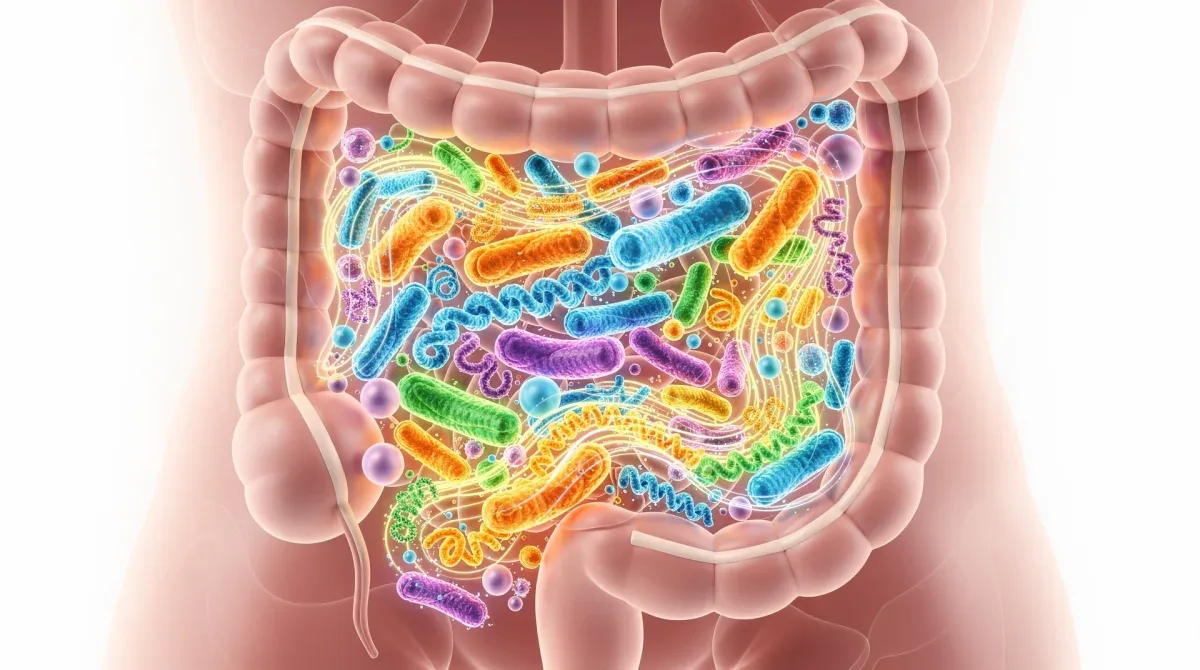
The gut microbiome, a complex community of trillions of microorganisms residing in our digestive tract, plays a pivotal role in digestion, nutrient absorption, immune function, and even mood regulation. When we consume ultra-processed foods regularly, we disrupt the delicate balance of this ecosystem, leading to a reduction in beneficial bacteria and an increase in potentially harmful ones. This imbalance, known as dysbiosis, can manifest as digestive issues, inflammation, and a weakened immune system. Understanding this connection is the first step towards making informed dietary choices that prioritize gut health.
The Science Behind Gut Microbiome Diversity
Research consistently shows that a diverse gut microbiome is a hallmark of good health. A wide variety of bacterial species contributes to a more resilient and adaptable gut, better equipped to process different foods and fend off pathogens. Ultra-processed foods, by their very nature, are often devoid of the complex carbohydrates and fiber that serve as fuel for many beneficial gut bacteria. Instead, they often contain emulsifiers, artificial sweeteners, and preservatives that can negatively alter the gut environment, reducing diversity.
- Reduced Fiber Intake: Ultra-processed foods are typically low in dietary fiber, which is essential for feeding beneficial gut bacteria and promoting regular bowel movements.
- Artificial Additives: Emulsifiers, artificial sweeteners, and preservatives commonly found in these foods can directly impact gut bacteria, sometimes reducing their numbers or altering their function.
- High Sugar Content: Excessive sugar can promote the growth of undesirable bacteria and yeasts, further disrupting the gut's balance.
- Nutrient Deficiency: Lacking vital vitamins, minerals, and antioxidants, ultra-processed foods fail to support the overall health of the gut lining and its microbial inhabitants.
By understanding the detrimental effects of ultra-processed foods, we can begin to appreciate the profound positive impact that a shift towards whole, natural foods can have on our gut microbiome and overall health. This foundational knowledge empowers us to make conscious choices that nurture our internal ecosystem.
Week 1: The Initial Purge and Introduction to Whole Foods
The first week of our 4-week blueprint focuses on a gradual yet decisive purge of obvious ultra-processed foods from your diet and pantry. This isn't about perfection, but about awareness and making healthier swaps. Start by identifying the most common culprits in your daily routine: sugary drinks, packaged snacks, fast food, and ready-to-eat meals. The goal is to replace these with simple, whole-food alternatives that are naturally rich in nutrients and fiber.
Begin by reading food labels carefully. If an ingredient list contains items you don't recognize, or if it's excessively long, it's likely an ultra-processed product. Focus on incorporating more fruits, vegetables, lean proteins, and whole grains into your meals. This initial phase can feel challenging as you break old habits, but remember that every small step contributes to a healthier gut.
Strategic Pantry Overhaul
A successful transition away from ultra-processed foods often begins with a pantry clean-out. Remove items that tempt you and replace them with healthier options. This proactive step creates an environment that supports your new dietary goals, making it easier to stick to the plan.
- Remove: Sugary cereals, instant noodles, packaged cookies, chips, processed meats, and sweetened beverages.
- Replace With: Oats, whole-grain bread, fresh fruits, raw nuts and seeds, plain yogurt, and sparkling water with fruit slices.
- Stock Up On: Legumes, quinoa, brown rice, frozen vegetables, and lean protein sources like chicken, fish, or tofu.
By the end of Week 1, you should feel more conscious about your food choices and have a clearer understanding of what constitutes a whole food. You may also begin to notice subtle shifts in your energy levels and digestion as your gut starts to adapt to a more nourishing diet.
Week 2: Embracing Fermented Foods and Prebiotics
With a foundation of whole foods established in Week 1, Week 2 is about actively nurturing your gut microbiome by introducing fermented foods and increasing your intake of prebiotic-rich ingredients. Fermented foods are natural sources of probiotics, which are beneficial live bacteria that can replenish and diversify your gut flora. Prebiotics, on the other hand, are types of fiber that feed these good bacteria, helping them thrive.
Integrating these foods doesn't have to be complicated. Start with small, consistent additions to your daily meals. The key is variety and regularity to provide a broad spectrum of beneficial microbes and their food sources. Listen to your body as you introduce new foods; some individuals might experience mild digestive changes initially.
Power of Probiotics: Fermented Foods
Fermented foods undergo a process where microorganisms convert carbohydrates into other compounds, often producing beneficial bacteria. These foods are excellent for directly introducing new, helpful strains into your gut.
- Yogurt and Kefir: Opt for plain, unsweetened varieties to avoid added sugars.
- Sauerkraut and Kimchi: These fermented vegetables offer a tangy kick and a host of probiotics. Ensure they are unpasteurized to retain live cultures.
- Tempeh: A fermented soybean product, great for plant-based protein.
- Kombucha: A fermented tea, choose low-sugar options.
Prebiotic fibers are non-digestible food components that selectively stimulate the growth and activity of beneficial bacteria in the colon. Think of them as fertilizer for your gut garden. Including a variety of these foods ensures different beneficial bacteria receive the nourishment they need.
- Garlic and Onions: Excellent sources of inulin and fructooligosaccharides (FOS).
- Asparagus: Rich in inulin, a well-known prebiotic.
- Bananas: Especially slightly green ones, contain resistant starch, a potent prebiotic.
- Oats: Provide beta-glucans, which support healthy gut bacteria.
- Legumes: Beans, lentils, and chickpeas are packed with various fibers.
By the end of Week 2, your diet should be noticeably richer in whole, unprocessed foods, and you'll be actively supporting your gut microbiome with probiotics and prebiotics. This sustained effort is crucial for fostering significant improvements in gut diversity.
Week 3: Diversifying Plant-Based Foods and Hydration
Building on the progress of the first two weeks, Week 3 emphasizes further diversification of your plant-based food intake and optimizing hydration. A diverse array of plants provides a wider range of fibers, phytonutrients, and antioxidants, each contributing uniquely to the health and diversity of your gut microbiome. The goal is to 'eat the rainbow' and explore new fruits, vegetables, grains, and legumes you might not typically consume.
Adequate hydration is equally vital for gut health. Water helps move food through the digestive system, keeps the gut lining healthy, and supports the overall function of your body. Often overlooked, proper hydration can significantly impact digestive comfort and microbial balance.
Exploring New Plant Varieties
Challenging yourself to try one or two new plant foods each week can dramatically increase your dietary diversity. Think beyond your usual choices and explore seasonal produce or international ingredients.
- Colorful Vegetables: Incorporate purple cabbage, bell peppers of various colors, dark leafy greens like kale and spinach, and root vegetables such as sweet potatoes and carrots.
- Unique Grains: Experiment with farro, barley, millet, or buckwheat instead of just rice or quinoa.
- Legume Variety: Try different types of beans like black beans, cannellini beans, or edamame.
- Berries and Fruits: Include a wide range of berries, apples, pears, and citrus fruits for diverse fiber and antioxidant profiles.
Alongside dietary changes, establishing a consistent hydration routine is paramount. Water is not just for thirst; it's a fundamental component of digestive health, aiding in nutrient absorption and waste elimination. Aim for at least 8 glasses of water daily, and consider herbal teas or infused water for variety.
- Plain Water: Make it your primary beverage.
- Herbal Teas: Unsweetened herbal teas can contribute to your fluid intake and offer additional health benefits.
- Infused Water: Add slices of cucumber, lemon, mint, or berries to your water for a refreshing twist.
- Monitor Urine Color: A light yellow color typically indicates good hydration.
By the end of Week 3, your diet will be a vibrant tapestry of whole, diverse plant foods, and your hydration habits will be well-established. This comprehensive approach ensures your gut microbiome receives the full spectrum of nutrients and support it needs to flourish.
Week 4: Sustaining Changes and Fine-Tuning Your Diet
As you enter Week 4, the focus shifts from implementing new habits to solidifying them and fine-tuning your dietary approach for long-term sustainability. By now, you've significantly reduced your intake of ultra-processed foods, incorporated fermented and prebiotic-rich options, and diversified your plant intake. This final week is about making these changes feel natural and intuitive, listening to your body's signals, and adapting the blueprint to fit your unique needs and preferences.
This is also a time to reflect on the positive changes you've experienced. Notice improvements in digestion, energy levels, mood, or skin health. These tangible benefits serve as powerful motivators to continue your healthy eating journey beyond the initial four weeks. The goal is not just to complete a program, but to embrace a sustainable lifestyle.
Mindful Eating and Listening to Your Body
Beyond the specific food choices, how you eat is just as important. Mindful eating practices can enhance digestion and nutrient absorption, further supporting your gut health. Pay attention to hunger and fullness cues, eat slowly, and savor your meals.
- Eat Slowly: Allows your body to register fullness and aids digestion.
- Chew Thoroughly: Breaks down food more effectively, easing the burden on your digestive system.
- Pay Attention to Hunger Cues: Eat when truly hungry, and stop when comfortably full.
- Minimize Distractions: Avoid eating in front of screens to fully engage with your meal.

Maintaining consistency is key to long-term success. While occasional indulgences are part of a balanced life, establishing a routine of healthy eating makes it easier to bounce back. Plan your meals, prepare ingredients in advance, and keep healthy snacks readily available.
- Meal Prep: Dedicate time to prepare meals or components for the week ahead.
- Healthy Snacks: Keep fruits, nuts, seeds, and plain yogurt on hand to avoid processed options.
- Batch Cooking: Cook larger portions of staples like grains and legumes to use in multiple meals.
- Experiment with Recipes: Keep your diet exciting by trying new, gut-friendly recipes.
By the end of Week 4, you will have developed a robust framework for a gut-healthy diet. The blueprint empowers you to make informed choices, enjoy a diverse range of whole foods, and foster a thriving gut microbiome for lasting health benefits.
Beyond 4 Weeks: Maintaining a Diverse Gut Microbiome
Completing the 4-week blueprint is a significant achievement, but the journey to optimal gut health is ongoing. Maintaining a diverse gut microbiome requires consistent effort and a continued commitment to the principles you've learned. The goal now is to integrate these healthy habits into your everyday life, making them second nature, rather than a temporary program. This involves ongoing experimentation, adaptation, and a deep understanding of how different foods affect your body.
Think of your gut microbiome as a garden that needs continuous care and nourishment. Just as a garden thrives with diverse plants and rich soil, your gut flourishes with a variety of fibers, prebiotics, and probiotics. Life happens, and occasional deviations are inevitable, but having a strong foundation will help you return to your healthy eating patterns quickly and effectively.
Long-Term Strategies for Gut Health
Sustaining a healthy gut microbiome involves several key strategies that extend beyond specific food groups. These practices support overall digestive function and resilience.
- Continued Diversity: Keep exploring new plant foods, aiming for a wide variety of fruits, vegetables, whole grains, and legumes each week.
- Regular Probiotic Intake: Continue incorporating fermented foods into your diet or consider a high-quality probiotic supplement if needed.
- Consistent Prebiotic Sources: Ensure your diet is rich in foods like garlic, onions, asparagus, and oats to feed your beneficial bacteria.
- Adequate Fiber: Prioritize whole foods that are naturally high in fiber to support regular bowel movements and gut microbial health.
Beyond diet, lifestyle factors significantly influence gut health. Managing stress, getting enough sleep, and engaging in regular physical activity all play crucial roles in maintaining a balanced gut microbiome. These elements work synergistically with your dietary choices to create a holistic approach to well-being.
- Stress Management: Chronic stress can negatively impact gut function and microbial balance. Practice mindfulness, meditation, or yoga.
- Quality Sleep: Lack of sleep can disrupt the gut-brain axis. Aim for 7-9 hours of quality sleep per night.
- Regular Exercise: Physical activity has been shown to increase gut microbial diversity and improve gut transit time.
- Limit Antibiotic Use: While sometimes necessary, antibiotics can severely disrupt the gut microbiome. Use them judiciously and replenish with probiotics afterward.
By embracing these long-term strategies, you can ensure that the improvements in your gut microbiome diversity are not just temporary, but a lasting foundation for a healthier, more vibrant life. This ongoing commitment to your gut health is an investment in your overall well-being.
Measuring Your Progress and Adjusting the Plan
While the 4-week blueprint provides a clear path, measuring your progress and making adjustments is crucial for personalized and effective results. Tracking changes in your body, from digestive comfort to energy levels, can offer valuable insights. While a 35% improvement in gut microbiome diversity is an estimated benefit based on current research, individual results may vary. What's most important is how you feel and the sustainable habits you build.
Consider keeping a food and symptom diary to identify patterns and understand how specific foods affect you. This personal data can be incredibly empowering, allowing you to fine-tune your diet to best suit your unique physiology. Remember, this is a journey of self-discovery and continuous improvement, not a rigid set of rules.
Tools and Indicators for Tracking Progress
There are several ways to gauge your progress, both subjectively and objectively. While advanced microbiome testing is available, simpler methods can also provide meaningful feedback.
- Symptom Tracking: Note changes in bloating, gas, bowel regularity, energy levels, and mood.
- Food Diary: Record what you eat and how you feel afterward to identify triggers or beneficial foods.
- Energy and Mood: Observe improvements in your overall vitality and emotional well-being.
- Skin Health: Some individuals report clearer skin as gut health improves.
As you progress, you might find that some foods work better for you than others. Don't be afraid to experiment with different types of fermented foods, prebiotic sources, and plant varieties. The goal is to build a diverse and enjoyable diet that consistently supports your gut health.
- Introduce New Foods Gradually: This helps your gut adapt and allows you to pinpoint any sensitivities.
- Rotate Foods: Avoid eating the same few foods repeatedly; diversity is key for the microbiome.
- Seek Professional Guidance: If you have persistent digestive issues or specific health concerns, consult with a registered dietitian or healthcare provider.
- Stay Informed: Continue to learn about gut health and nutrition from reputable sources.
By actively measuring your progress and being willing to adjust your plan, you ensure that your efforts in cutting ultra-processed foods lead to lasting improvements in your gut microbiome diversity and overall health. This adaptable approach empowers you to maintain a vibrant and resilient internal ecosystem for years to come.
| Key Point | Brief Description |
|---|---|
| Week 1 Focus | Eliminate obvious ultra-processed foods and introduce whole, natural alternatives. |
| Week 2 Focus | Integrate fermented foods (probiotics) and prebiotic-rich ingredients to nourish gut bacteria. |
| Week 3 Focus | Diversify plant-based foods for a broader range of nutrients and ensure optimal hydration. |
| Week 4 Focus | Sustain new habits, fine-tune diet, and establish long-term strategies for gut health. |
Frequently Asked Questions About Gut Health and Processed Foods
What are ultra-processed foods and why are they harmful to the gut?▼Ultra-processed foods are industrial formulations made from ingredients that are not typically used in home cooking, often containing additives, high sugar, salt, and unhealthy fats. They harm the gut by reducing microbial diversity, starving beneficial bacteria, and promoting inflammation.
How quickly can I expect to see improvements in my gut health?▼Significant changes in gut microbiome diversity can begin within weeks of dietary modification. While a 35% improvement is a target, individual responses vary. You may notice improved digestion, energy, and mood within the first two to four weeks.
Are all processed foods bad for gut health?▼No, not all processed foods are bad. Minimally processed foods like pre-cut vegetables, canned beans, or frozen fruits retain most of their nutritional value. The focus should be on avoiding ultra-processed foods with extensive ingredient lists and additives.
What are some easy ways to incorporate more fermented foods into my diet?▼You can easily add plain yogurt or kefir to smoothies, top salads with sauerkraut or kimchi, use tempeh in stir-fries, or enjoy a glass of kombucha. Start with small portions and gradually increase as your gut adjusts.
What if I accidentally eat an ultra-processed food during the 4-week plan?▼Don't worry! Occasional slip-ups are normal. The key is to get back on track with your healthy eating habits at the next meal. Focus on consistency over perfection, and remember that progress is more important than a flawless adherence.
Conclusion
Embarking on this 4-week blueprint for cutting ultra-processed foods is more than just a diet; it's an investment in your long-term health and well-being. By systematically reducing your intake of these detrimental products and embracing a rich variety of whole, nutrient-dense foods, you're actively working to foster a diverse and resilient gut microbiome. The potential for a 35% improvement in gut diversity is a testament to the profound impact of dietary choices on our internal ecosystem. This journey empowers you with the knowledge and practical steps to transform your gut health, leading to improved digestion, enhanced immunity, and a greater sense of vitality. Remember, consistency and mindfulness are your greatest allies in maintaining these beneficial changes for a healthier life.
