Electrolytes for Afternoon Fatigue: Beyond Plain Water
To effectively prevent afternoon fatigue, it is essential to consider hydration beyond plain water, focusing on the critical balance of key electrolytes like sodium, potassium, and magnesium for optimal cellular function and sustained energy levels throughout the day.
Are you constantly battling that mid-afternoon slump, feeling drained and unable to focus? The secret to sustained energy might lie in rethinking your hydration strategy. Discover how hydration beyond plain water, specifically by incorporating essential electrolytes, can be your ultimate weapon against afternoon fatigue.
Understanding the afternoon energy dip
The afternoon energy dip, often colloquially known as the '3 PM slump,' is a widespread phenomenon that affects millions. It's that moment when productivity plummet, focus wanes, and the desire for another cup of coffee or a sugary snack becomes almost unbearable. While many attribute this dip to lunch digestion or simply the natural ebb and flow of circadian rhythms, a significant, yet often overlooked, factor is inadequate hydration and electrolyte imbalance.
When we talk about energy, we often think of calories from food. However, the body's ability to convert those calories into usable energy, transport nutrients, and maintain cognitive function is profoundly reliant on proper fluid and electrolyte balance. Dehydration, even mild, can manifest as fatigue, reduced alertness, and impaired concentration, perfectly mimicking the symptoms of the afternoon slump.
The science behind the slump
Our bodies are complex systems, and even slight deviations from optimal conditions can have noticeable effects. During the day, especially if we've been active or in warm environments, we lose fluids and electrolytes through sweat, urine, and even breathing. If these aren't adequately replenished, our blood volume can decrease, leading to reduced oxygen and nutrient delivery to cells, including those in the brain. This physiological stress contributes directly to feelings of tiredness and mental fog.
- Reduced blood volume: Less fluid means less efficient circulation.
- Impaired nerve function: Electrolytes are crucial for nerve impulses.
- Decreased cellular energy: Cells struggle to produce ATP without proper balance.
- Cognitive decline: Brain function is highly sensitive to hydration status.
The cumulative effect of these factors can make the afternoon a particularly challenging time for maintaining peak performance. Recognizing the underlying role of hydration is the first step toward effectively combating this persistent energy drain.
Understanding the intricate relationship between fluid balance, electrolytes, and sustained energy is paramount. Simply drinking more plain water might not be enough if your electrolyte levels are depleted, as water alone cannot restore the delicate mineral balance required for optimal physiological function. This foundational knowledge sets the stage for a more targeted approach to combating afternoon fatigue.
Why plain water isn't always enough for optimal hydration
While plain water is undeniably essential for life, its role in preventing fatigue, particularly in the afternoon, often falls short when electrolyte balance is compromised. Many people diligently drink their eight glasses a day, yet still experience energy dips. This is because hydration is not merely about the volume of water consumed; it's about the body's ability to absorb and utilize that water effectively, which is heavily reliant on electrolytes.
Electrolytes are minerals that carry an electric charge when dissolved in water. They are vital for numerous bodily functions, including maintaining fluid balance, nerve signaling, muscle contractions, and regulating blood pressure. When we sweat, we lose not just water but also these crucial electrolytes. If we only replenish with plain water, we can further dilute the remaining electrolytes in our system, potentially worsening an imbalance.
The dangers of over-dilution
Drinking excessive amounts of plain water without adequate electrolyte intake can lead to a condition called hyponatremia, where sodium levels in the blood become dangerously low. While this is more common in endurance athletes, even mild electrolyte imbalances can cause symptoms like fatigue, headaches, nausea, and muscle weakness, all of which contribute to the feeling of an afternoon slump. The body requires a precise concentration of electrolytes to function optimally.
- Fluid retention issues: Without proper electrolyte balance, cells struggle to absorb water efficiently.
- Impaired nutrient transport: Electrolytes facilitate the movement of nutrients into cells.
- Reduced cellular signaling: Nerve and muscle cells depend on electrolyte gradients.
- Increased fatigue:g An imbalanced internal environment taxes the body's energy systems.
Therefore, understanding that plain water, while fundamental, needs to be complemented by electrolyte intake, especially when the body is under stress, active, or simply trying to maintain peak function throughout the day. This nuanced approach to hydration is key to unlocking sustained energy and preventing the dreaded afternoon slump.
Recognizing the limitations of plain water alone is a crucial step towards optimizing your hydration strategy. True hydration goes beyond simply quenching thirst; it involves maintaining a delicate internal balance that supports every cellular process, directly influencing your energy levels and cognitive clarity, particularly during the challenging afternoon hours.

Sodium: the primary fluid regulator
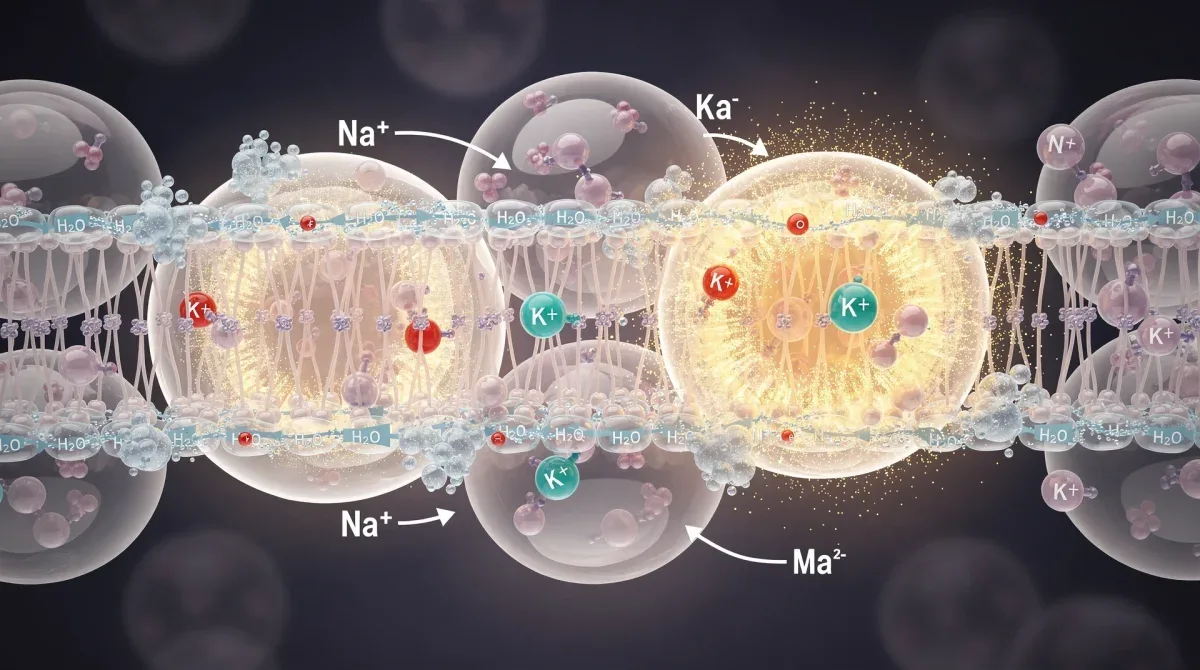
Sodium, often demonized in modern diets, is one of the most critical electrolytes for maintaining fluid balance and preventing afternoon fatigue. Far from being just a flavor enhancer, sodium plays an indispensable role in regulating water distribution both inside and outside our cells. It works in conjunction with potassium to create electrical gradients across cell membranes, which are essential for nerve impulse transmission, muscle contraction, and nutrient absorption.
When sodium levels are too low, the body struggles to retain water, leading to inefficient hydration at a cellular level. This can result in symptoms such as dizziness, headache, and, most notably, profound fatigue. While excessive sodium intake is a concern for some health conditions, a sufficient amount is vital for active individuals or anyone looking to sustain energy throughout the day.
How sodium prevents fatigue
Sodium's primary mechanism for combating fatigue revolves around its ability to maintain adequate blood volume and facilitate water absorption. When you sweat, you lose significant amounts of sodium. If this isn't replaced, your body's ability to transport oxygen and nutrients to working muscles and the brain is compromised. This reduced efficiency directly translates into feelings of tiredness and a lack of mental sharpness.
- Maintains blood volume: Ensures efficient circulation of oxygen and nutrients.
- Aids water absorption: Essential for cellular hydration and waste removal.
- Supports nerve function: Critical for electrical signals that control movement and thought.
- Prevents hyponatremia: Protects against dangerously low sodium levels.
Incorporating a balanced amount of sodium, especially after physical activity or during periods of high sweat loss, is crucial. This doesn't necessarily mean reaching for processed foods; natural sources like sea salt in your cooking, certain vegetables, or electrolyte-enhanced beverages can effectively replenish this vital mineral.
Understanding sodium's role as a primary fluid regulator highlights its importance in a comprehensive hydration strategy. It's not about avoiding sodium entirely, but rather consuming it intelligently to support the body's intricate fluid balance mechanisms, thereby directly impacting your ability to stave off afternoon fatigue and maintain consistent energy levels.

Potassium: the intracellular energizer
If sodium is the maestro of extracellular fluid, then potassium is its equally important counterpart, governing the fluid balance within our cells. Potassium is the most abundant electrolyte inside cells and plays a critical role in cellular function, including energy metabolism, nerve impulse transmission, and muscle contraction. A robust potassium balance is essential for preventing cellular fatigue and maintaining overall vitality.
When potassium levels are insufficient, cells struggle to perform their basic functions efficiently. This can lead to muscle weakness, cramps, and a general feeling of lethargy, making that afternoon slump even more pronounced. Adequate potassium intake ensures that your cells are properly hydrated and functioning at their peak, directly contributing to sustained energy throughout the day.
Potassium's role in energy and fatigue prevention
Potassium is intrinsically linked to the sodium-potassium pump, a fundamental mechanism in every cell that actively transports sodium out and potassium into the cell. This process uses a significant amount of the body's energy and is crucial for maintaining membrane potential, which is vital for nerve and muscle function. When potassium is low, this pump becomes less efficient, impacting cellular energy production and leading to fatigue.
Furthermore, potassium is involved in carbohydrate metabolism, helping convert glucose into glycogen for storage in the liver and muscles. When these stores are readily available, the body has a consistent energy supply, preventing the sudden drops in energy that characterize afternoon fatigue.
- Maintains cellular fluid balance: Keeps cells properly hydrated and functional.
- Supports nerve and muscle function: Essential for electrical signaling.
- Aids carbohydrate metabolism: Facilitates energy production from glucose.
- Works with sodium: Ensures the efficient operation of the sodium-potassium pump.
Rich sources of potassium include fruits like bananas, avocados, and oranges, as well as vegetables such as spinach, sweet potatoes, and broccoli. Ensuring a diverse diet rich in these foods is a natural and effective way to maintain healthy potassium levels and combat the afternoon energy dip.
Potassium's vital role as an intracellular energizer cannot be overstated in the context of sustained energy and fatigue prevention. By ensuring adequate potassium intake, you are actively supporting your cells' ability to maintain proper fluid balance and efficiently generate energy, thereby building a stronger defense against the pervasive afternoon slump.
Magnesium: the unsung hero of energy production
Magnesium is truly the unsung hero when it comes to combating fatigue and ensuring sustained energy. This remarkable mineral is involved in over 300 enzymatic reactions in the body, many of which are directly related to energy production. From ATP synthesis to muscle and nerve function, magnesium plays a pivotal role in keeping you energized and preventing that dreadful afternoon slump.
Despite its critical importance, magnesium deficiency is surprisingly common, often going unnoticed. Symptoms of low magnesium can include muscle cramps, restless legs, anxiety, and, significantly, chronic fatigue. When your body lacks sufficient magnesium, its ability to produce energy at a cellular level is severely compromised, making it difficult to maintain focus and vitality throughout the day.
Magnesium's multifaceted role in preventing fatigue
The primary way magnesium combats fatigue is through its involvement in ATP (adenosine triphosphate) production. ATP is the main energy currency of our cells, and every molecule of ATP must be bound to a magnesium ion to be biologically active. Without adequate magnesium, your body simply cannot produce energy efficiently, leading to feelings of sluggishness and exhaustion.
Beyond ATP, magnesium also contributes to muscle relaxation, nerve transmission, and blood glucose control, all of which indirectly influence energy levels. When muscles are tense or nerve signals are erratic due to magnesium deficiency, the body expends more energy, leading to quicker fatigue. Furthermore, stable blood sugar levels prevent energy spikes and crashes, offering a more consistent energy profile.
- ATP production: Essential for cellular energy currency.
- Muscle and nerve function: Promotes relaxation and efficient signaling.
- Blood glucose regulation: Helps stabilize energy levels.
- Reduces stress: Magnesium has calming effects, indirectly boosting energy.
Incorporating magnesium-rich foods such as leafy green vegetables, nuts, seeds, legumes, and whole grains into your diet is an excellent strategy. For some, magnesium supplements may also be beneficial, but it's always wise to consult a healthcare professional before starting any new supplement regimen.
Magnesium's extensive involvement in energy production and its broad impact on physiological functions make it an indispensable electrolyte for preventing afternoon fatigue. By prioritizing adequate magnesium intake, you equip your body with a powerful tool to maintain consistent energy levels, enhance cellular efficiency, and foster overall well-being.
Practical strategies for electrolyte replenishment
Now that we understand the critical roles of sodium, potassium, and magnesium in combating afternoon fatigue, the next step is to implement practical strategies for consistent electrolyte replenishment. It's not about making drastic changes, but rather incorporating mindful habits into your daily routine to ensure your body has the optimal balance of these essential minerals.
The good news is that replenishing electrolytes doesn't have to be complicated or involve expensive sports drinks. Many natural foods are excellent sources, and simple additions to your water can make a significant difference. The key is consistency and understanding your body's needs, especially during periods of increased activity or heat.
Dietary approaches to electrolyte balance
Focusing on a whole-food diet is arguably the most effective way to ensure adequate electrolyte intake. Fruits and vegetables are powerhouses of potassium and magnesium, while natural salts can provide sufficient sodium without relying on processed foods.
- Sodium: Use a pinch of sea salt in your cooking, add a slice of pickle to your snack, or opt for bone broth.
- Potassium: Bananas, avocados, spinach, sweet potatoes, coconut water, and oranges are excellent sources.
- Magnesium: Leafy greens, nuts (almonds, cashews), seeds (pumpkin, chia), dark chocolate, and legumes.
Consider making your own electrolyte-rich drinks. A simple mixture of water, a pinch of sea salt, a squeeze of lemon or lime juice (for potassium), and a touch of maple syrup or honey for a natural energy boost can be incredibly effective. This allows you to control the ingredients and avoid artificial additives often found in commercial products.
When to consider supplements
While a balanced diet is always the preferred approach, there are times when electrolyte supplements might be beneficial. If you engage in intense physical activity, live in a hot climate, or experience excessive sweating, your electrolyte needs may exceed what you can easily get from food alone. In such cases, a high-quality electrolyte powder or tablet can help prevent imbalances.
However, it's crucial to choose supplements wisely. Look for products with balanced ratios of sodium, potassium, and magnesium, and avoid those with excessive sugar or artificial ingredients. Always consult with a healthcare professional before adding any new supplements to your routine, especially if you have underlying health conditions.
Implementing these practical strategies for electrolyte replenishment means taking a proactive approach to your energy levels. By consciously integrating electrolyte-rich foods and, when necessary, smart supplementation, you empower your body to maintain optimal fluid balance, ensuring sustained energy and effectively preventing the debilitating effects of afternoon fatigue.
Integrating electrolytes into your daily routine for sustained energy
Making a conscious effort to integrate electrolytes into your daily routine is a transformative step towards sustained energy and eliminating afternoon fatigue. It moves beyond reactive measures, like reaching for caffeine when a slump hits, to a proactive strategy that supports your body's natural energy production and fluid balance from morning till night. This integration should be seamless, becoming a natural part of your healthy living habits.
The goal is to create a consistent pattern of electrolyte intake that keeps your body's internal environment optimized. This isn't about rigid rules, but about developing an awareness of your hydration needs and making informed choices that support your overall well-being. Think of it as fueling your body with the right kind of energy, not just any energy.
Morning kickstart and throughout the day
Start your day right by incorporating electrolytes into your morning routine. Instead of just plain water, consider adding a pinch of sea salt and a squeeze of lemon to your first glass of water. This helps rehydrate your body after sleep and provides an initial boost of essential minerals. Throughout the day, keep a water bottle infused with cucumber slices, mint, or a small amount of electrolyte powder to sip on.
Pay attention to your body's signals. If you're feeling sluggish, experiencing mild headaches, or noticing a decrease in concentration, it might be a sign that your electrolyte levels need a boost. Don't wait until you're severely dehydrated or fatigued; proactive sips of an electrolyte-rich beverage can make a significant difference.
- Morning ritual: Electrolyte-enhanced water to start the day.
- Consistent sipping: Keep an electrolyte drink handy throughout working hours.
- Post-exercise replenishment: Crucial for active individuals to restore lost minerals.
- Mindful eating: Choose electrolyte-rich snacks like nuts, seeds, and fruits.
Meal planning also plays a crucial role. Ensure your lunches and dinners include a variety of fruits, vegetables, and whole grains to provide a continuous supply of potassium and magnesium. A balanced diet naturally supports electrolyte balance, reducing the need for constant vigilance over individual mineral intake.
Long-term benefits and lifestyle adjustments
The consistent integration of electrolytes into your daily routine offers long-term benefits beyond just preventing afternoon fatigue. Improved hydration supports better cognitive function, enhances physical performance, aids in muscle recovery, and contributes to overall cellular health. This holistic approach to well-being can lead to increased productivity, better mood, and a greater sense of vitality.
Making these lifestyle adjustments isn't just about avoiding a slump; it's about investing in your health. By understanding and respecting your body's need for balanced hydration, you unlock a sustainable source of energy that empowers you to tackle daily challenges with renewed vigor and focus.
By thoughtfully integrating electrolytes into your daily routine, you are not merely addressing a symptom; you are cultivating a foundation of optimal health. This proactive approach ensures sustained energy, sharper focus, and an overall enhanced quality of life, effectively transforming your relationship with daily fatigue and empowering your body to thrive consistently.
| Key Electrolyte | Role in Preventing Fatigue |
|---|---|
| Sodium | Regulates extracellular fluid, maintains blood volume, crucial for nerve signals and water absorption. |
| Potassium | Maintains intracellular fluid balance, vital for cellular energy, nerve, and muscle function. |
| Magnesium | Essential for over 300 enzymatic reactions, including ATP energy production and muscle relaxation. |
Frequently asked questions about electrolytes and fatigue
What are the main signs of electrolyte imbalance?▼Signs of electrolyte imbalance can vary but often include fatigue, muscle cramps or weakness, headaches, dizziness, nausea, and irregular heartbeats. Severe imbalances can lead to more serious symptoms, highlighting the importance of proper intake, especially when active or in hot environments.
Can drinking too much plain water cause electrolyte imbalance?▼Yes, drinking excessive amounts of plain water without adequate electrolyte replenishment can lead to hyponatremia, a condition where sodium levels in the blood become dangerously low. This dilutes the body's electrolytes, potentially causing symptoms like fatigue, confusion, and even seizures in extreme cases.
What natural foods are rich in all three essential electrolytes?▼Many natural foods contribute to electrolyte balance. Bananas, avocados, spinach, sweet potatoes, and coconut water are excellent sources of potassium. Sea salt provides sodium, and leafy greens, nuts, seeds, and dark chocolate are rich in magnesium. A diverse diet ensures a broad spectrum of minerals.
How quickly can electrolytes help reduce afternoon fatigue?▼The speed at which electrolytes can alleviate afternoon fatigue depends on the severity of the imbalance. For mild dehydration and minor electrolyte depletion, you might feel a noticeable improvement within 30 minutes to an hour after consuming an electrolyte-rich beverage or snack. Consistent intake yields better long-term results.
Are sports drinks the best way to get electrolytes?▼While sports drinks contain electrolytes, many are also high in sugar and artificial ingredients. For most people, natural sources like fruits, vegetables, and homemade electrolyte drinks are preferable. Sports drinks are generally best reserved for intense, prolonged exercise where rapid replenishment of carbs and electrolytes is necessary.
Conclusion
The persistent battle against afternoon fatigue often boils down to a fundamental aspect of our physiology: hydration. However, as this exploration has revealed, true hydration goes significantly beyond merely consuming plain water. The strategic inclusion of three essential electrolytes—sodium, potassium, and magnesium—emerges as a critical factor in sustaining energy levels, enhancing cognitive function, and preventing that debilitating mid-day slump. By understanding the unique roles these minerals play in cellular function, fluid balance, and energy production, we can adopt a more informed and effective approach to our daily well-being. Integrating electrolyte-rich foods and thoughtfully chosen supplements into our routine isn't just a quick fix; it's a foundational lifestyle adjustment that empowers the body to operate at its peak, transforming the way we experience energy and vitality throughout the entire day.
