Nutrient-Dense Living: Meet Vitamin Needs Under $8 Daily
Achieve 100% of daily vitamin needs for under $8 daily by strategically selecting affordable, nutrient-dense foods like legumes, seasonal produce, and whole grains, making optimal nutrition accessible to everyone.
Embarking on a journey toward nutrient-dense living on a budget might seem like an insurmountable challenge, especially when aiming to meet 100% of your daily vitamin needs for under $8 daily. Many believe that healthy eating is inherently expensive, a luxury reserved for those with ample disposable income. However, this perception couldn't be further from the truth. With strategic planning, smart shopping, and a little culinary creativity, it is entirely possible to fuel your body with all the essential vitamins and minerals it requires without emptying your wallet.
The foundation of affordable nutrition: understanding nutrient density
Understanding nutrient density is the cornerstone of eating well on a budget. Nutrient-dense foods provide a high amount of vitamins, minerals, and other beneficial compounds relative to their calorie content and cost. These are the workhorses of a budget-friendly diet, offering maximum nutritional bang for your buck. Prioritizing these foods means you get more essential nutrients without needing to spend excessively on expensive supplements or specialty items.
Many common, everyday foods are surprisingly nutrient-dense and highly affordable. Think about staples like beans, lentils, oats, and certain seasonal vegetables. These items are often overlooked in favor of more processed or trendier options, yet they form the backbone of a truly economical and healthy diet. Learning to identify and utilize these foods effectively can transform your grocery list and your overall health.
Maximizing your grocery budget
- Plan your meals: Creating a weekly meal plan helps you buy only what you need, reducing food waste and impulse purchases.
- Shop seasonally: Seasonal fruits and vegetables are typically cheaper and fresher, offering better taste and nutritional value.
- Buy in bulk: Non-perishable items like grains, legumes, and nuts are often more cost-effective when purchased in larger quantities.
- Compare prices: Don't be afraid to check different stores or even different brands within the same store for the best deals.
By focusing on foods that offer the most nutrients per dollar, you can build a robust and varied diet. This approach not only saves money but also encourages a deeper connection with your food, fostering healthier eating habits that are sustainable in the long run. It’s about making smart choices that benefit both your body and your bank account.
Strategic shopping: where to find the best deals for health
Strategic shopping is not just about finding discounts; it’s about understanding the ecosystem of food retail and leveraging it to your advantage. Different stores offer different benefits, and knowing where to buy specific items can significantly impact your budget. Farmers' markets, for instance, can be excellent sources for fresh produce, especially towards the end of the day when vendors might offer deals. Discount supermarkets often have competitive prices on staples, while international markets can provide unique and affordable ingredients that might be pricier elsewhere.
Beyond the type of store, how you shop within a store also matters. Always go with a list, and stick to it. Avoid shopping when hungry, as this can lead to impulsive, less healthy, and more expensive choices. Familiarize yourself with the layout of your local stores and identify where the best deals on nutrient-dense foods are located. Often, the perimeter of the store, where fresh produce, dairy, and lean meats are typically found, is your best bet for healthy, affordable options, while the inner aisles house more processed and expensive items.
Smart choices in every aisle
- Produce: Focus on root vegetables (carrots, potatoes), leafy greens (spinach, collards), and cruciferous vegetables (cabbage, broccoli). Frozen fruits and vegetables are also excellent, often cheaper, and just as nutritious.
- Pantry staples: Stock up on dried beans, lentils, brown rice, whole wheat pasta, and oats. These are incredibly versatile and form the base for countless meals.
- Proteins: Eggs are a fantastic, inexpensive source of protein and essential vitamins. Canned fish like sardines and tuna are also budget-friendly and rich in omega-3s. Chicken thighs and drumsticks are often cheaper than breasts.
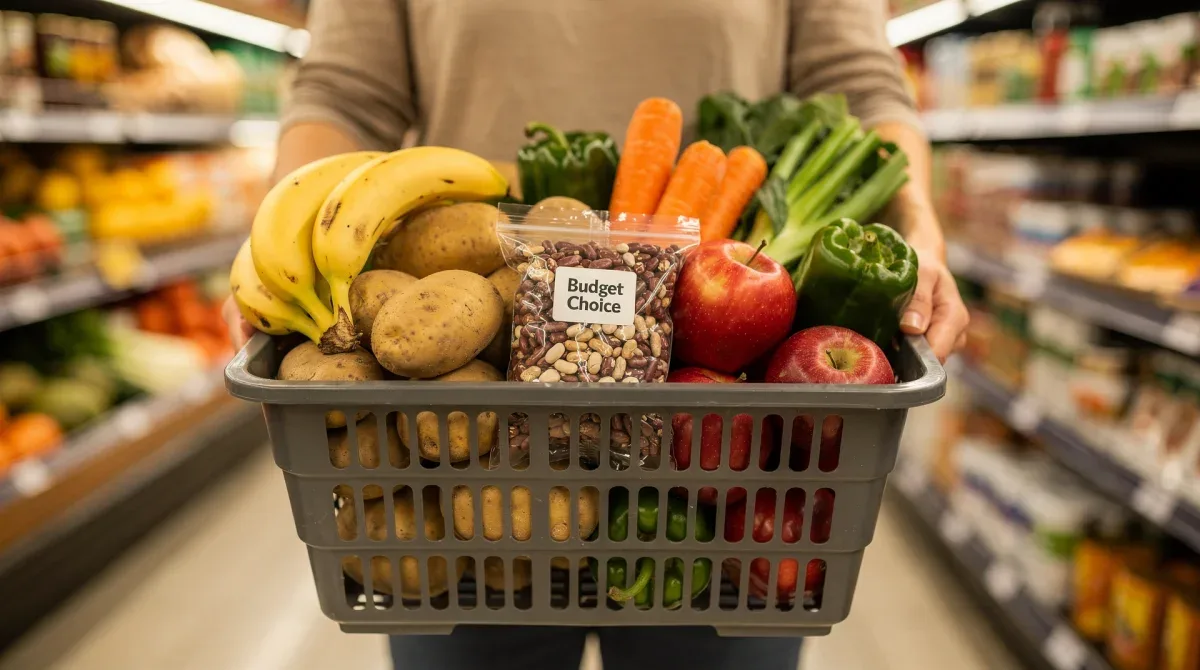
Another key strategy is to buy store brands. Generic or store-brand products are typically much cheaper than their name-brand counterparts but often contain the exact same ingredients and nutritional value. Don’t pay extra for marketing when you can get the same quality for less. Learning to read food labels also helps in making informed decisions, ensuring you are getting the most nutritional value for your dollar.

The power of legumes and grains: staples for under $8 daily
Legumes and grains are the unsung heroes of budget-friendly, nutrient-dense diets. They are incredibly versatile, affordable, and packed with essential vitamins, minerals, and fiber. Beans, lentils, chickpeas, and peas provide an excellent source of plant-based protein, iron, folate, and various B vitamins, crucial for energy production and overall health. Whole grains like oats, brown rice, quinoa, and barley offer complex carbohydrates, fiber, and important minerals like magnesium and zinc.
Incorporating these staples into your daily meals can significantly reduce your food budget while ensuring you meet your nutritional requirements. A simple meal of rice and beans, for example, forms a complete protein and provides a wealth of nutrients for pennies per serving. Lentil soup, chickpea curries, and oatmeal breakfasts are not only delicious but also incredibly cost-effective and nutritious. The key is to think of them not just as side dishes but as the main components of your meals.
Cooking with legumes and grains
- Soaking dried beans: Soaking dried beans overnight can reduce cooking time and improve digestibility. Cook large batches and freeze portions for later.
- Versatile oats: Beyond oatmeal, oats can be used in smoothies, homemade granola bars, and even as a binder in meatballs or veggie burgers.
- Brown rice variations: Experiment with different types of brown rice, such as basmati or jasmine, for varied flavors. Use it as a base for stir-fries, bowls, or as a side dish.
- Lentil power: Lentils cook quickly and don't require pre-soaking. They are perfect for soups, stews, salads, and even meatless burger patties.
By mastering the art of cooking with legumes and grains, you unlock a world of affordable culinary possibilities. These foods are not only economical but also contribute to a feeling of fullness and sustained energy, preventing unnecessary snacking and further budget overruns. They are truly foundational for anyone aiming for optimal nutrition on a tight budget.
Unlocking the potential of seasonal fruits and vegetables
Seasonal fruits and vegetables are a goldmine for anyone looking to eat healthily on a budget. When produce is in season, it is typically more abundant, fresher, tastier, and significantly cheaper than when it’s imported out of season. Moreover, seasonal produce often has a higher nutrient content because it is harvested at its peak ripeness. Knowing what's in season and planning your meals around these ingredients can dramatically lower your grocery bill while boosting your vitamin intake.
For example, in summer, berries, corn, and tomatoes are plentiful and inexpensive, offering a rich source of antioxidants and vitamins. In fall, squash, apples, and root vegetables become the stars, providing essential vitamins A and C, along with dietary fiber. Winter brings citrus fruits, kale, and collard greens, packed with vitamin C and other immune-boosting nutrients. Spring offers asparagus, peas, and leafy greens, perfect for light, fresh meals. Embracing this natural cycle of produce not only saves money but also encourages a more varied and nutrient-rich diet throughout the year.
Budget-friendly seasonal picks
- Winter: Oranges, grapefruit, kale, collard greens, sweet potatoes, cabbage.
- Spring: Asparagus, peas, radishes, spinach, strawberries.
- Summer: Berries, corn, tomatoes, zucchini, bell peppers, peaches.
- Fall: Apples, pears, squash (butternut, acorn), pumpkin, carrots, broccoli.
Beyond fresh options, don't overlook frozen fruits and vegetables. They are often picked and frozen at their peak, retaining their nutritional value and offering a convenient, affordable alternative, especially when fresh seasonal options are scarce or too expensive. Canned vegetables, especially low-sodium options, can also be a good backup for certain items like tomatoes or beans, providing nutrients at a minimal cost. Strategic use of seasonal, frozen, and canned produce ensures a consistent supply of vitamins and minerals without breaking the bank.
The role of affordable proteins: eggs, canned fish, and poultry
Protein is a vital macronutrient, essential for muscle repair, hormone production, and overall bodily function. While some protein sources can be expensive, there are many affordable options that provide excellent nutritional value, helping you meet your daily needs for under $8. Eggs, canned fish, and certain cuts of poultry stand out as budget-friendly powerhouses, packed with essential amino acids, vitamins, and minerals.
Eggs are often hailed as nature's multivitamin, offering high-quality protein, choline, vitamin D, and various B vitamins for a remarkably low cost. They are incredibly versatile, suitable for breakfast, lunch, or dinner. Canned fish, such as sardines, mackerel, and tuna, are rich in omega-3 fatty acids, which are crucial for heart and brain health, along with vitamin D and calcium. These are non-perishable and can be easily incorporated into salads, sandwiches, or simple pasta dishes. Poultry, particularly chicken thighs and drumsticks, provides lean protein at a fraction of the cost of chicken breasts or other meats.
Smart protein choices for your budget
- Eggs: Incorporate eggs into omelets, scrambles, hard-boiled snacks, or as a protein boost in salads.
- Canned fish: Add sardines to whole-grain toast, mix tuna with a little mayo and celery for a sandwich, or use canned salmon in patties.
- Poultry: Roast chicken thighs with vegetables, make a hearty chicken and vegetable soup, or shred cooked chicken for tacos.
- Plant-based proteins: Don't forget the legumes mentioned earlier – beans, lentils, and chickpeas are also excellent, affordable protein sources.

By diversifying your protein sources and focusing on these affordable options, you can ensure a steady intake of essential amino acids and micronutrients. This approach not only keeps your meals interesting but also helps maintain your budget, proving that high-quality protein doesn't have to come with a hefty price tag. Remember, variety is key to obtaining a full spectrum of nutrients.
Meal prepping and cooking at home: your ultimate budget hack
Meal prepping and cooking at home are arguably the most effective strategies for maintaining a nutrient-dense diet on a budget. Eating out, even occasionally, can quickly deplete your food budget and often leads to consuming meals higher in calories, unhealthy fats, and sodium, while being lower in essential vitamins and minerals. Preparing your own meals gives you complete control over ingredients, portion sizes, and cooking methods, ensuring you get the most nutritional value for your money.
The concept of meal prepping involves dedicating a few hours, usually on a weekend, to prepare components or entire meals for the week ahead. This can include chopping vegetables, cooking large batches of grains or legumes, or assembling full dishes that can be easily reheated. This practice saves time during busy weekdays, reduces the temptation to order takeout, and ensures you always have a healthy, affordable option readily available. It’s a proactive approach to nutrition and budgeting that yields significant returns.
Tips for effective meal prepping
- Batch cooking: Cook large quantities of staples like brown rice, quinoa, lentils, or roasted vegetables. These can be used in various meals throughout the week.
- Ingredient prep: Wash and chop all your vegetables at once. Store them in airtight containers for quick additions to salads, stir-fries, or omelets.
- Freezing meals: Many cooked meals, such as soups, stews, and casseroles, freeze well. Portion them out into individual servings for grab-and-go options.
- Versatile recipes: Choose recipes that allow for ingredient flexibility. For example, a basic chili or stir-fry recipe can be adapted with whatever seasonal vegetables or protein you have on hand.
Beyond the financial savings, cooking at home fosters a deeper appreciation for food and the effort involved in preparing it. It can be a creative and enjoyable process, allowing you to experiment with different flavors and cuisines while ensuring your body receives all the essential nutrients it needs. This hack is not just about saving money; it’s about investing in your health and well-being through mindful eating habits.
Overcoming common challenges and staying motivated
Adopting a nutrient-dense diet on a budget, while highly rewarding, can present its own set of challenges. It requires discipline, planning, and a willingness to learn new habits. One common hurdle is the initial time investment in meal planning, grocery shopping, and cooking. It might feel overwhelming at first, especially if you're accustomed to less structured eating habits or relying on convenience foods. However, viewing this as an investment in your health and financial future can help reframe the perceived burden.
Another challenge can be navigating social situations where unhealthy or expensive food options are prevalent. Learning to politely decline or suggest healthier, more affordable alternatives can be empowering. Educating friends and family about your goals can also garner support and understanding. Furthermore, occasional cravings for less healthy, processed foods are normal. The key is to have strategies in place to manage these cravings, such as having healthy snacks readily available or allowing for occasional, planned indulgences that don't derail your overall progress.
Strategies for sustained success
- Start small: Don't try to change everything at once. Begin by incorporating one or two new budget-friendly habits each week.
- Track your spending: Keep a record of your food expenses to see the impact of your efforts and identify areas for improvement.
- Find inspiration: Explore budget-friendly recipe blogs, cookbooks, or online communities. Sharing experiences and tips can be highly motivating.
- Be kind to yourself: Progress isn't always linear. If you have an off day, don't give up. Acknowledge it and get back on track with your next meal.
Staying motivated is crucial for long-term success. Celebrate small victories, like successfully sticking to your grocery budget for a week or trying a new healthy recipe. Remind yourself of the benefits—improved energy, better health, and more money in your pocket. Building a supportive community, whether online or offline, can also provide encouragement and accountability. Remember, this is a journey towards a healthier, more financially sustainable lifestyle, and every small step counts.
| Key Strategy | Brief Description |
|---|---|
| Embrace Nutrient Density | Prioritize foods that offer high vitamin and mineral content relative to their cost and calories. |
| Strategic Shopping | Plan meals, shop seasonally, buy in bulk, and compare prices to maximize your grocery budget. |
| Utilize Legumes & Grains | Make staples like beans, lentils, and whole grains the foundation of your meals for affordable nutrition. |
| Meal Prepping | Cook at home and prepare meals in advance to control ingredients, portions, and costs. |
Frequently asked questions about budget-friendly nutrition
Is it truly possible to get all daily vitamins for under $8 a day?▼Yes, it is absolutely possible with smart planning. By focusing on nutrient-dense, affordable foods like legumes, seasonal produce, whole grains, and inexpensive proteins such as eggs and canned fish, you can meet all your essential vitamin needs without exceeding an $8 daily budget.
What are the best budget-friendly sources of protein?▼Excellent and affordable protein sources include dried beans and lentils, eggs, canned fish (sardines, tuna, mackerel), and cheaper cuts of poultry like chicken thighs and drumsticks. These options provide high-quality protein and essential nutrients without a high cost.
How can I make sure I'm getting enough vegetables on a budget?▼Prioritize seasonal vegetables, which are cheaper and fresher. Also, utilize frozen vegetables, which are often just as nutritious and more affordable. Root vegetables like carrots and potatoes, and leafy greens such as spinach and cabbage, are consistently budget-friendly choices.
Is meal prepping really worth the effort for budget eating?▼Absolutely. Meal prepping saves significant money by reducing food waste and preventing expensive impulsive purchases or takeout. It gives you control over ingredients, ensures consistent healthy eating, and saves time during busy weekdays, making it an invaluable budget hack.
What role do whole grains play in a budget-friendly, nutrient-dense diet?▼Whole grains like oats, brown rice, and quinoa are crucial. They provide complex carbohydrates for sustained energy, essential fiber for digestion, and important minerals such as magnesium and zinc, all at a very low cost, making them foundational to a healthy budget diet.
Conclusion
Achieving a nutrient-dense lifestyle on a tight budget, specifically meeting 100% of daily vitamin needs for under $8 daily, is not an unattainable ideal but a practical reality. By embracing strategies such as prioritizing nutrient-dense foods, engaging in strategic shopping, leveraging the power of legumes, grains, and affordable proteins, and committing to meal prepping, anyone can elevate their nutritional intake without financial strain. This journey is about making informed choices, cultivating mindful eating habits, and discovering that optimal health is accessible, regardless of income. It underscores the profound truth that good nutrition is a right, not a luxury, and with a bit of planning and creativity, it's within everyone's reach.
