GLP-1 Companion Workouts: Preserve Lean Muscle Mass in 2026
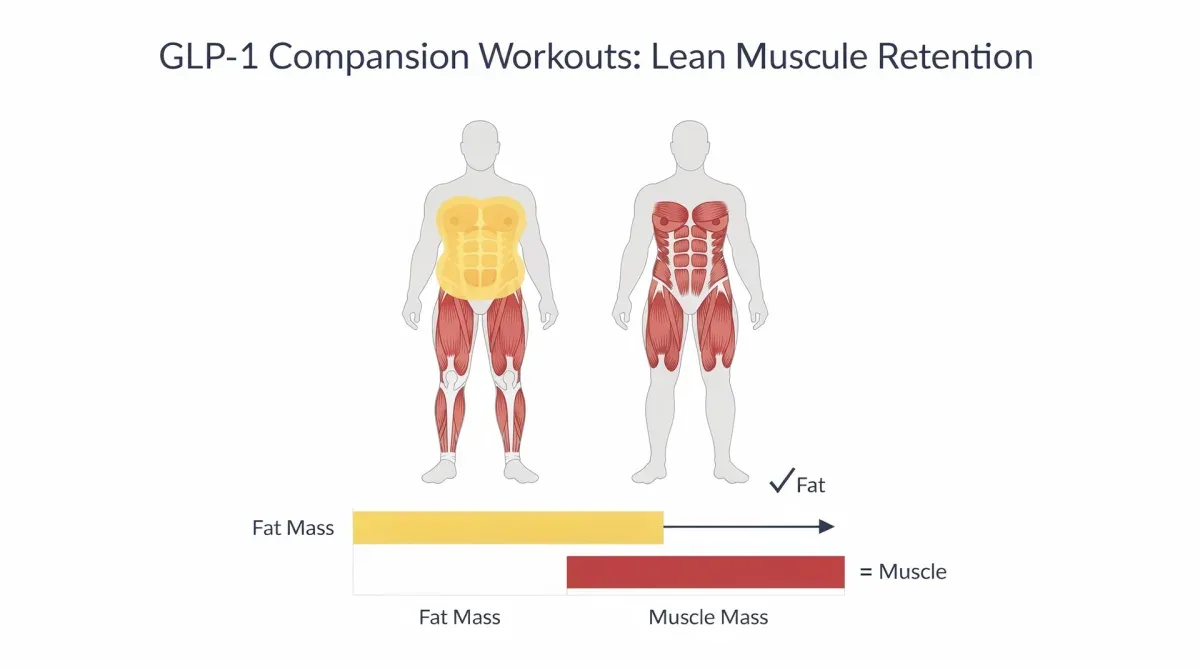
GLP-1 companion workouts are emerging as the 2026 strength training trend, specifically tailored to mitigate lean muscle loss often associated with GLP-1 medications, aiming to preserve up to 85% of muscle mass for healthier weight management.
The landscape of weight management is rapidly evolving, and with the increasing prevalence of GLP-1 medications, a new frontier in fitness is emerging. GLP-1 companion workouts represent the 2026 strength training trend poised to revolutionize how individuals on these medications approach exercise, specifically targeting the preservation of up to 85% of lean muscle mass. This innovative approach ensures that weight loss is not just about shedding pounds, but about fostering a healthier, stronger body.
The rise of GLP-1 medications and muscle loss challenges
The introduction of GLP-1 receptor agonists has marked a significant shift in the treatment of obesity and type 2 diabetes. These medications have proven highly effective in promoting substantial weight loss, often leading to improved metabolic health and reduced cardiovascular risks. However, as with any rapid weight loss, a common concern has surfaced: the simultaneous loss of lean muscle mass.
This unintended consequence can undermine long-term health goals, as muscle is crucial for metabolism, strength, and overall functional capacity. Understanding this challenge is the first step toward developing effective strategies to counteract it, ensuring that the benefits of GLP-1 therapy are maximized without compromising vital muscle tissue.
Understanding GLP-1's impact on body composition
GLP-1 medications work by mimicking natural hormones that regulate appetite and blood sugar. While highly beneficial for fat loss, the rapid caloric deficit they induce can inadvertently signal the body to catabolize muscle in addition to fat. This physiological response is a key area of focus for researchers and fitness professionals alike, as preserving muscle is paramount for sustained health and preventing a rebound in weight.
- GLP-1 agonists reduce appetite and slow gastric emptying, leading to lower caloric intake.
- Significant weight loss often includes both fat and lean mass reduction.
- Muscle loss can decrease resting metabolic rate, making weight maintenance harder.
- Preserving muscle supports strength, mobility, and overall quality of life.
The challenge lies in optimizing the weight loss process to favor fat reduction while minimizing the depletion of lean tissue. This requires a nuanced approach that integrates dietary adjustments with targeted physical activity, creating a synergistic effect that supports both weight management and muscle health. The goal is not just to lose weight, but to improve body composition fundamentally.

In conclusion, while GLP-1 medications offer powerful tools for weight loss, their impact on lean muscle mass necessitates a proactive strategy. Recognizing this critical aspect has paved the way for specialized workout protocols designed to safeguard muscle, ensuring a more holistic and sustainable path to health.
The science behind muscle preservation with GLP-1
Preserving lean muscle mass while undergoing significant weight loss, particularly with GLP-1 medications, is not merely an aesthetic goal; it's a physiological imperative. The science behind this involves understanding cellular responses, hormonal interactions, and the mechanics of muscle protein synthesis. When the body experiences a caloric deficit, it seeks energy from various sources, and without specific intervention, muscle tissue can become a primary target.
This is where strategic strength training comes into play. Resistance exercises stimulate muscle protein synthesis, signaling the body to retain and even build muscle, even in a hypocaloric state. This adaptive response is crucial for counteracting the catabolic effects that can accompany rapid weight loss.
Hormonal interplay and metabolic adaptation
The body's hormonal environment is profoundly influenced by weight loss and GLP-1 medications. Hormones like insulin, glucagon, and growth hormone all play roles in muscle metabolism. GLP-1s can influence these pathways indirectly, making a tailored exercise regimen even more important. Strength training, in turn, can positively modulate these hormonal responses, promoting an anabolic (muscle-building) state.
- Resistance training enhances insulin sensitivity, benefiting overall metabolic health.
- It can help regulate cortisol, a hormone that can promote muscle breakdown.
- Exercise-induced growth hormone release supports muscle repair and growth.
- Maintaining muscle mass helps sustain a higher resting metabolic rate.
Moreover, metabolic adaptation, where the body adjusts its energy expenditure in response to prolonged caloric restriction, can be mitigated by preserving muscle. A higher proportion of muscle mass helps to keep the metabolism more active, making long-term weight management more achievable and less prone to plateaus.
The intricate balance between caloric intake, hormonal signals, and physical activity dictates body composition outcomes. By leveraging the scientific principles of muscle physiology, GLP-1 companion workouts are designed to tip this balance in favor of lean mass retention, making the weight loss journey more effective and sustainable.
Ultimately, the scientific foundation of GLP-1 companion workouts underscores the importance of a well-rounded approach to weight management. It's about working with the body's natural processes, rather than against them, to achieve optimal health and body composition outcomes.

Key principles of GLP-1 companion workouts
Developing an effective GLP-1 companion workout program requires adherence to several core principles that prioritize muscle preservation and overall strength development. These principles go beyond general exercise recommendations, focusing specifically on the unique physiological context of individuals using GLP-1 medications for weight loss. The goal is to maximize the anabolic response to exercise while minimizing the risk of overtraining or injury.
The foundation of these workouts is progressive overload, ensuring that muscles are continually challenged to adapt and grow. This is coupled with strategic nutrient timing and adequate recovery, which are equally critical for muscle protein synthesis and repair.
Progressive resistance training for muscle growth
The cornerstone of any muscle-preserving workout is progressive resistance training. This involves gradually increasing the intensity, volume, or frequency of resistance exercises over time. For individuals on GLP-1s, this means carefully selecting exercises that target major muscle groups and consistently striving for improvements.
- Focus on compound movements like squats, deadlifts, presses, and rows.
- Aim for 2-3 full-body or split-body strength sessions per week.
- Use a rep range of 6-12 repetitions per set, focusing on proper form.
- Gradually increase weight, reps, or sets as strength improves.
The emphasis should be on lifting weights that are challenging but allow for proper technique. This ensures effective muscle stimulation without excessive fatigue that could hinder recovery, especially important when caloric intake might be lower due to GLP-1 effects.
Optimizing recovery and nutrition
Recovery is just as vital as the workout itself. Adequate rest allows muscles to repair and grow, preventing overtraining syndrome which can lead to muscle breakdown. Sleep quality, stress management, and active recovery techniques all contribute to this process. Similarly, nutrition plays a crucial role, particularly protein intake.
Even with reduced appetite from GLP-1s, ensuring sufficient protein is non-negotiable for muscle preservation. A target of 0.7-1.0 grams of protein per pound of body weight is often recommended, spread throughout the day to maximize muscle protein synthesis. Hydration and micronutrient intake also support overall physiological function.
These key principles form the backbone of effective GLP-1 companion workouts, creating a robust framework for individuals to navigate their weight loss journey while safeguarding their valuable muscle mass. It's a holistic approach that recognizes the interconnectedness of exercise, nutrition, and recovery.
Designing your GLP-1 strength training program
Crafting a personalized GLP-1 strength training program involves more than just picking up weights; it requires thoughtful consideration of individual fitness levels, medication effects, and lifestyle. The objective is to create a sustainable, effective routine that supports muscle preservation and strength gains while minimizing adverse effects. This means starting slow, listening to your body, and gradually increasing intensity.
A well-designed program will typically incorporate a mix of compound and isolation exercises, ensuring comprehensive muscle engagement. It also accounts for adequate warm-up and cool-down periods, which are essential for injury prevention and flexibility.
Structuring your weekly workout schedule
For most individuals on GLP-1 medications, a frequency of 2-4 strength training sessions per week is optimal. This allows for sufficient muscle stimulation and recovery. The schedule can be structured as full-body workouts or a split routine, depending on personal preference and time availability.
- Full-Body Workouts (2-3 times/week): Ideal for beginners or those with limited time, targeting all major muscle groups in each session.
- Upper/Lower Split (4 times/week): Divides the body into upper and lower days, allowing for more volume per muscle group.
- Push/Pull/Legs Split (3-6 times/week): A more advanced split, separating exercises based on pushing, pulling, and leg movements.
Regardless of the chosen split, consistency is paramount. Adhering to the schedule and gradually increasing the challenge over time will yield the best results in muscle preservation and strength development. It's about building a routine that fits into your life and can be maintained long-term.
Exercise selection and technique focus
Selecting the right exercises is critical. Prioritize compound movements that engage multiple joints and muscle groups, as these are most efficient for building overall strength and stimulating muscle growth. Examples include squats, deadlifts, bench presses, overhead presses, and rows.
Proper technique is non-negotiable. Incorrect form not only reduces the effectiveness of an exercise but also significantly increases the risk of injury. If unsure, consider working with a qualified personal trainer, especially when starting a new program or if you are new to strength training. Focus on controlled movements, ensuring the target muscles are doing the work.
By thoughtfully designing your GLP-1 strength training program, you create a powerful tool for preserving lean muscle mass, enhancing your metabolic health, and achieving a more robust and sustainable weight loss outcome. It's an investment in your long-term well-being.
Integrating cardio and flexibility for holistic health
While strength training is paramount for muscle preservation with GLP-1 medications, a holistic fitness approach demands the integration of cardiovascular exercise and flexibility. These components contribute significantly to overall health, improve recovery, and enhance functional capacity, creating a well-rounded fitness regimen that supports the body's adaptation to weight loss.
Cardio improves heart health, endurance, and can aid in fat loss, while flexibility work enhances range of motion, reduces injury risk, and supports muscle recovery. Together, they create a synergistic effect that optimizes the benefits of your GLP-1 companion workouts.
Cardiovascular training for metabolic efficiency
Incorporating cardiovascular exercise, commonly known as cardio, is essential for improving heart health, lung capacity, and metabolic efficiency. For individuals on GLP-1s, cardio can further enhance fat loss and improve insulin sensitivity, contributing to better overall health outcomes. The type and intensity of cardio can be varied to suit individual preferences and fitness levels.
- Low-intensity steady-state (LISS) cardio: Walking, cycling, or swimming for 30-60 minutes at a moderate pace, 2-3 times per week.
- High-intensity interval training (HIIT): Short bursts of intense exercise followed by brief recovery periods, 1-2 times per week (ensure adequate recovery between sessions).
- Choose enjoyable activities: This increases adherence and makes exercise a sustainable habit.
It's important to balance cardio with strength training to avoid excessive caloric expenditure that could hinder muscle preservation efforts. The goal is to complement, not detract from, the primary focus on resistance training.
Flexibility and mobility for injury prevention
Flexibility and mobility exercises are often overlooked but are crucial for maintaining joint health, improving range of motion, and preventing injuries. As muscles grow stronger, it's important to ensure they remain pliable and capable of moving through their full range of motion. This is particularly relevant for active individuals, as tight muscles can lead to imbalances and discomfort.
Incorporating dynamic stretches as part of a warm-up and static stretches during a cool-down can significantly improve flexibility. Yoga and Pilates are also excellent options for enhancing overall mobility and core strength, further supporting the body's resilience.
By thoughtfully integrating cardiovascular exercise and flexibility into your routine, you create a comprehensive fitness plan that supports not only muscle preservation but also overall well-being. This balanced approach ensures that your body is strong, resilient, and ready to meet the demands of an active life, especially during your GLP-1 journey.
Monitoring progress and making adjustments
The journey with GLP-1 companion workouts is dynamic, requiring continuous monitoring and periodic adjustments to ensure optimal results. What works perfectly at the beginning may need modifications as your body adapts, your weight changes, and your fitness goals evolve. Effective tracking of progress is key to staying motivated and making informed decisions about your training and nutrition.
This iterative process involves regularly assessing body composition, strength gains, and overall well-being. By paying close attention to these metrics, you can fine-tune your approach to maximize muscle preservation and achieve sustainable weight loss.
Tracking body composition and strength metrics
While the scale provides a number, it doesn't tell the whole story. For individuals on GLP-1s, focusing on body composition changes is far more insightful. This includes monitoring lean muscle mass, body fat percentage, and even circumference measurements. Tools like DEXA scans, bioelectrical impedance analysis (BIA), or even simple tape measures can provide valuable data.
- Regularly track changes in muscle mass to confirm preservation efforts are effective.
- Monitor strength gains in key exercises (e.g., how much weight you can lift for a certain number of reps).
- Keep a workout journal to record exercises, sets, reps, and weights used.
- Pay attention to how your clothes fit, which can be a good indicator of body composition changes.
These metrics offer a clearer picture of progress than weight alone, reinforcing the success of your GLP-1 companion workouts in preserving lean muscle.
Adapting your program over time
As you get stronger and your body adapts, your workout program will need adjustments. This is where the principle of progressive overload comes into play. You might need to increase the weight you lift, perform more repetitions, add sets, or even introduce more challenging exercises. Similarly, as your appetite changes with GLP-1s, your nutritional intake, particularly protein, may need to be re-evaluated.
If you experience plateaus in strength or muscle preservation, it might be time to switch up your routine, try new exercises, or consult with a fitness professional. Listening to your body, addressing fatigue, and ensuring adequate recovery are also critical for long-term adherence and success.
By diligently monitoring your progress and being willing to adapt your GLP-1 strength training program, you empower yourself to achieve sustained results. This proactive approach ensures that your fitness journey remains effective, engaging, and aligned with your health and body composition goals.
The future of GLP-1 companion workouts: 2026 and beyond
As we look to 2026 and beyond, the field of GLP-1 companion workouts is poised for significant evolution. The increasing adoption of GLP-1 medications and a deeper understanding of their physiological effects will drive further innovation in exercise science and personalized fitness. This future will likely see more sophisticated approaches, integrating advanced technology and a greater emphasis on individualized care.
The goal remains constant: to optimize the benefits of GLP-1 therapy by ensuring that weight loss is synonymous with improved health, functional strength, and robust lean muscle mass. This trend signifies a shift towards more intelligent and tailored fitness solutions.
Personalization and technology integration
The future of GLP-1 companion workouts will heavily rely on personalization. This includes AI-driven fitness apps that can dynamically adjust workout plans based on individual progress, biometric data, and even real-time feedback from wearables. Genetic profiling and advanced metabolic testing may also play a role in creating ultra-personalized exercise and nutrition recommendations.
- AI coaches providing tailored workout and nutrition plans.
- Wearable technology offering real-time feedback on performance and recovery.
- Integration with health platforms for seamless data tracking and analysis.
- Virtual reality and augmented reality experiences making workouts more engaging.
These technological advancements will make it easier for individuals to access expert-level guidance and maintain adherence to their programs, regardless of their location or prior fitness experience. The emphasis will be on making effective muscle preservation strategies accessible to everyone.
Research and specialized protocols
Ongoing research will continue to refine our understanding of how GLP-1s interact with exercise. This will lead to the development of even more specialized protocols, potentially differentiating recommendations based on specific GLP-1 medication types, dosage, and individual metabolic responses. Collaboration between endocrinologists, dietitians, and exercise physiologists will be crucial in this endeavor.
The focus will expand beyond just strength training to encompass specific types of cardio, flexibility, and recovery modalities that are most beneficial for this population. As the medical and fitness communities learn more, the recommendations will become increasingly precise and effective, further solidifying the role of GLP-1 companion workouts as a cornerstone of comprehensive weight management.
In conclusion, the future of GLP-1 companion workouts is bright and dynamic. With advancements in technology, deeper scientific understanding, and a commitment to personalized care, individuals on GLP-1 medications will have increasingly powerful tools to preserve lean muscle mass, enhance their health, and achieve lasting well-being.
| Key Aspect | Brief Description |
|---|---|
| Muscle Preservation Goal | Aims to preserve up to 85% of lean muscle mass during GLP-1 induced weight loss. |
| Workout Focus | Primarily strength training with progressive overload to stimulate muscle protein synthesis. |
| Nutritional Support | High protein intake (0.7-1.0g/lb body weight) is crucial to support muscle repair and growth. |
| Holistic Approach | Integrates cardio for metabolic health and flexibility for injury prevention alongside strength training. |
Frequently asked questions about GLP-1 companion workouts
What are GLP-1 companion workouts?▼GLP-1 companion workouts are specialized strength training programs designed for individuals using GLP-1 medications for weight loss. Their primary goal is to counteract the potential loss of lean muscle mass often associated with rapid weight reduction, aiming to preserve up to 85% of muscle while promoting fat loss for a healthier body composition.
Why is muscle preservation important with GLP-1 medications?▼Muscle preservation is crucial because lean muscle mass is vital for maintaining a healthy metabolism, strength, and overall functional capacity. Losing too much muscle can decrease your resting metabolic rate, making long-term weight maintenance more challenging and potentially compromising physical ability and quality of life.
How often should I do GLP-1 companion workouts?▼Most recommendations suggest 2-4 strength training sessions per week. This frequency allows for sufficient muscle stimulation and adequate recovery, which is essential for muscle growth and repair, especially when on GLP-1 medications where caloric intake might be reduced.
What kind of exercises are best for these workouts?▼Focus on progressive resistance training using compound movements that engage multiple muscle groups, such as squats, deadlifts, bench presses, rows, and overhead presses. These exercises are highly effective for stimulating overall strength and muscle growth, which is key for muscle preservation.
Do I need to adjust my diet while doing GLP-1 companion workouts?▼Yes, adequate protein intake is critical. Aim for 0.7-1.0 grams of protein per pound of body weight daily, distributed throughout the day. This helps support muscle protein synthesis and repair, counteracting muscle breakdown, even with the appetite-suppressing effects of GLP-1 medications.
Conclusion
The emergence of GLP-1 companion workouts signifies a pivotal advancement in personalized health and fitness, especially for individuals navigating weight loss with GLP-1 medications. By strategically integrating progressive strength training, optimal nutrition, and a holistic approach to well-being, these workouts offer a powerful solution to preserve vital lean muscle mass, ensuring that weight loss translates into genuine health and functional strength. As we move into 2026, this trend underscores a commitment to more intelligent, science-backed fitness strategies, empowering individuals to achieve sustainable health outcomes and a higher quality of life, transforming the weight loss journey into a path of holistic empowerment.
