Optimizing Heat and Cold Therapy: 57-Minute Protocol for Heart Health
The 57-minute weekly protocol for optimizing heat and cold therapy offers a structured, evidence-based approach to significantly enhance cardiovascular longevity and promote overall physiological resilience through strategic thermal exposure.
Embarking on a journey to enhance your cardiovascular health often involves looking beyond conventional methods. Today, we delve into the fascinating world of thermal conditioning, specifically exploring how optimizing heat and cold therapy: the 57-minute weekly protocol for cardiovascular longevity can profoundly impact your heart health and overall well-being. This isn't just about feeling good; it's about leveraging ancient practices with modern understanding to build a more resilient you.
The foundational science behind thermal conditioning
Understanding the physiological mechanisms that underpin the benefits of heat and cold therapy is crucial for appreciating their impact on cardiovascular health. These therapies are not merely anecdotal practices; they are rooted in well-documented biological responses that can be harnessed for longevity. When your body is exposed to extreme temperatures, a cascade of adaptive processes is triggered, influencing everything from cellular function to systemic circulation. This section explores these fundamental scientific principles.
Heat therapy and its cardiovascular benefits
Heat therapy, primarily through saunas or hot baths, induces a physiological response akin to moderate cardiovascular exercise. The elevation in core body temperature causes blood vessels to dilate, leading to increased blood flow and a temporary reduction in blood pressure. This vascular dilation, known as vasodilation, improves endothelial function—the health of the inner lining of your blood vessels—which is a critical marker for cardiovascular health.
- Improved circulation: The expansion of blood vessels facilitates better blood flow throughout the body, delivering more oxygen and nutrients to tissues.
- Reduced blood pressure: Regular heat exposure can help to lower resting blood pressure, reducing the strain on the heart.
- Enhanced endothelial function: Heat stimulates the production of nitric oxide, a molecule vital for maintaining flexible and healthy blood vessels.
- Stress reduction: The relaxation induced by heat therapy can lower cortisol levels, a stress hormone linked to cardiovascular disease risk.\
Beyond these immediate effects, consistent heat exposure has been linked to a reduction in cardiovascular mortality. Studies have shown that frequent sauna use can significantly decrease the risk of sudden cardiac death, fatal coronary heart disease, and other cardiovascular events. This long-term protective effect highlights the importance of incorporating heat therapy into a regular wellness routine.
Cold therapy and its cardiovascular benefits
Conversely, cold therapy, such as ice baths or cold showers, emits a different but equally beneficial set of physiological responses. The initial shock of cold exposure causes vasoconstriction, where blood vessels narrow, followed by vasodilation as the body works to rewarm itself. This "vascular exercise" strengthens blood vessel walls and improves their elasticity.
- Increased vagal tone: Cold exposure activates the vagus nerve, promoting a parasympathetic response that lowers heart rate and blood pressure, fostering relaxation.
- Reduced inflammation: Cold therapy is renowned for its anti-inflammatory properties, which can be beneficial in preventing and managing cardiovascular diseases.
- Improved metabolic health: Cold exposure can stimulate brown adipose tissue (BAT), increasing calorie expenditure and improving insulin sensitivity, both crucial for metabolic and cardiovascular health.
- Enhanced circulation: The cyclical constriction and dilation of blood vessels improve overall circulatory efficiency over time.
The acute stress response to cold also triggers the release of norepinephrine, a hormone that can enhance mood, focus, and energy levels. While the initial sensation can be challenging, the long-term adaptations to cold exposure contribute significantly to cardiovascular resilience and overall well-being. The combined effect of these thermal stressors prepares the body to better handle various forms of stress, both physical and psychological.
In essence, both heat and cold therapies, while seemingly opposite, work synergistically to optimize cardiovascular function. They train the vascular system, enhance cellular health, and reduce systemic inflammation, all of which are vital components of a robust and long-lasting heart. Understanding these mechanisms forms the bedrock upon which the 57-minute weekly protocol is built, providing a scientific rationale for its implementation.
Designing your 57-minute weekly protocol
The 57-minute weekly protocol is designed to maximize the cardiovascular benefits of heat and cold therapy without requiring excessive time commitments. This structured approach ensures consistency and allows the body to adapt progressively to thermal stressors. The key lies in strategic timing and duration, balancing intensity with recovery.
Breaking down the 57 minutes: heat therapy segment
For heat therapy, the protocol allocates 40 minutes per week. This can be achieved through various methods, with saunas being a popular and effective choice. The goal is to elevate your core body temperature and sustain it long enough to trigger the beneficial physiological responses discussed earlier. Consistency is more important than extreme duration in a single session.
Recommended heat therapy schedule
To integrate 40 minutes of heat therapy into your week, consider these options:
- Two 20-minute sauna sessions: This is a highly effective approach, allowing for two distinct periods of heat exposure. You could schedule these on non-consecutive days, for example, Tuesday and Friday.
- Four 10-minute sauna sessions: For those with less time per session, shorter, more frequent exposures can still yield significant benefits. This might be suitable for individuals who have access to a sauna daily or several times a week.
- One 40-minute session: While possible, breaking it into shorter sessions often provides a more manageable and consistent routine, especially for beginners.
During these sessions, focus on relaxation and mindful breathing. Ensure you are well-hydrated before and after to compensate for fluid loss through sweating. Listen to your body and adjust the duration if you feel any discomfort. The aim is to create a sustainable practice that you can adhere to long-term for optimal cardiovascular longevity.
Breaking down the 57 minutes: cold therapy segment
The remaining 17 minutes of the protocol are dedicated to cold therapy. While seemingly short, even brief exposures to cold can elicit powerful physiological responses. The intensity of the cold is a significant factor here, and gradual acclimatization is key to making this a sustainable practice.

Recommended cold therapy schedule
Integrating 17 minutes of cold therapy can be done through cold showers or ice baths. Here are some structured approaches:
- Five 3-minute cold showers + one 2-minute session: This is a practical daily method, where you finish your regular shower with a few minutes of cold water.
- Three 5-minute cold plunges + one 2-minute session: If you have access to an ice bath or cold plunge, longer durations at colder temperatures can be highly effective.
- Daily 2-3 minute cold showers: A consistent daily habit can build tolerance and deliver cumulative benefits over time.
Start with water that is cool but tolerable, gradually decreasing the temperature as your body adapts. The initial shock is normal, but with consistent practice, you will find yourself better able to manage the cold. The benefits—from improved circulation to enhanced mood—make the brief discomfort well worth it. This segment of the protocol specifically targets vascular strength and metabolic activation, complementing the heat therapy's effects.
The beauty of the 57-minute protocol lies in its flexibility and efficiency. It doesn't demand hours of your time but rather strategic, consistent engagement with thermal stressors. By adhering to this structure, you create a powerful stimulus for your cardiovascular system, promoting resilience and longevity with a manageable weekly commitment.
The synergy of heat and cold: maximizing cardiovascular benefits
While both heat and cold therapies offer distinct advantages, their true power for cardiovascular longevity is unleashed when they are used in conjunction. The practice of alternating between hot and cold exposure creates a powerful training regimen for your vascular system, often referred to as 'vascular exercise.' This section explores how the strategic combination enhances the benefits.
Vascular conditioning and endothelial health
The rapid transition from heat-induced vasodilation to cold-induced vasoconstriction, and vice versa, forces your blood vessels to expand and contract repeatedly. This dynamic process strengthens the elasticity of your arteries and veins, improving their ability to adapt to changes in blood pressure and flow. A more flexible and responsive vascular system is a hallmark of excellent cardiovascular health, reducing the risk of conditions like atherosclerosis and hypertension.
Moreover, this 'vascular workout' stimulates the production of nitric oxide (NO) even more effectively than individual therapies. Nitric oxide is a crucial signaling molecule that relaxes blood vessels, improves blood flow, and inhibits platelet aggregation, all of which are vital for maintaining healthy endothelial function. Healthy endothelium is the first line of defense against cardiovascular disease, making this synergistic approach particularly valuable.

Enhanced detoxification and recovery
Heat therapy, particularly in a sauna, promotes sweating, which is a natural detoxification process. When followed by cold exposure, the body's circulation is stimulated, helping to flush metabolic waste products more efficiently. This improved lymphatic drainage and waste removal contribute to overall cellular health and can reduce systemic inflammation, a known contributor to cardiovascular issues.
The contrast therapy also significantly aids in muscle recovery. Athletes have long utilized hot and cold plunges to reduce muscle soreness and accelerate healing. This benefit extends to the cardiovascular system by reducing inflammatory markers and improving nutrient delivery to tissues, ensuring the heart and surrounding musculature remain healthy and functional. The overall reduction in recovery time allows for more consistent physical activity, further supporting heart health.
Optimizing the nervous system response
Alternating between heat and cold provides a unique training for the autonomic nervous system, specifically balancing the sympathetic (fight-or-flight) and parasympathetic (rest-and-digest) branches. Heat therapy tends to activate the parasympathetic system, promoting relaxation, while cold therapy initially triggers the sympathetic response, followed by a strong parasympathetic rebound. This balancing act improves vagal tone and enhances the body's ability to regulate stress.
- Improved stress resilience: Regular exposure to controlled thermal stressors helps the body adapt to various forms of stress, both physical and psychological.
- Better mood regulation: The release of endorphins and norepinephrine during and after thermal contrast can significantly improve mood and reduce symptoms of anxiety and depression.
- Enhanced sleep quality: A balanced autonomic nervous system contributes to better sleep patterns, which are essential for cardiovascular repair and overall health.
The combined effect of heat and cold therapy, therefore, goes beyond mere physical benefits. It fosters a state of physiological and psychological resilience that directly translates to improved cardiovascular longevity. By strategically integrating both elements into the 57-minute protocol, you are not just treating symptoms but building a foundation for long-term health and vitality.
Practical tips for integrating the protocol into your routine
Adopting any new wellness protocol requires practical considerations to ensure it becomes a sustainable part of your lifestyle. The 57-minute weekly heat and cold therapy protocol is no exception. This section offers actionable advice to help you seamlessly integrate these practices into your daily or weekly routine, making them enjoyable and effective.
Starting slow and listening to your body
For beginners, the idea of intense heat or cold exposure can be daunting. It's crucial to start slowly and allow your body to adapt gradually. Don't feel pressured to dive into extreme temperatures immediately. Begin with milder heat sessions or cooler, rather than ice-cold, showers. Over time, as your tolerance improves, you can increase the intensity and duration.
Pay close attention to how your body responds. If you feel dizzy, excessively uncomfortable, or experience any adverse reactions, reduce the intensity or duration. The goal is to challenge your body in a beneficial way, not to push it to its breaking point. Consistency over intensity is paramount, especially in the initial stages of adopting the protocol.
Optimizing your environment and preparation
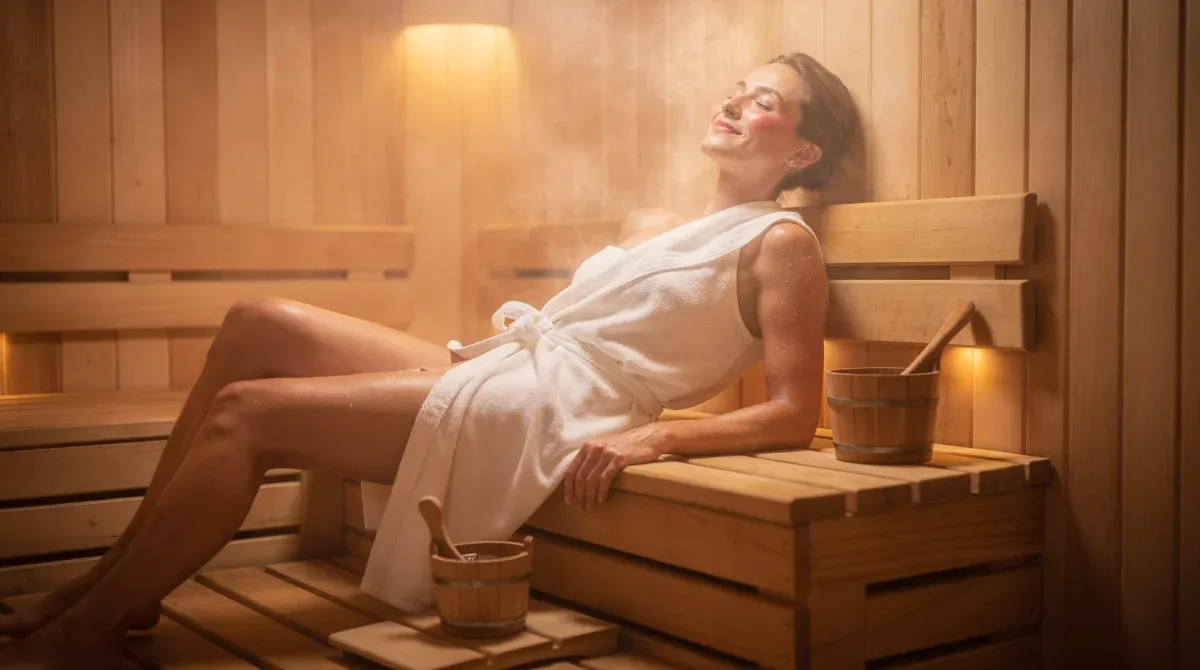
Creating an optimal environment for your thermal therapy sessions can significantly enhance the experience and benefits. For heat therapy, ensure the sauna or bath is at a comfortable but effective temperature. Bring a towel, water bottle, and perhaps a book or music to help you relax and enjoy the session. Hydration is key; drink plenty of water before and after to replenish fluids lost through sweating.
For cold therapy, having a designated space, whether it's a cold shower, an ice bath, or a cold plunge, makes the practice more accessible. Prepare mentally by focusing on your breath before entering the cold. Deep, diaphragmatic breathing can help manage the initial shock and promote relaxation. Consider having warm clothes or a cozy robe ready for immediate rewarming after your cold session.
Consistency and accountability
Like any health-promoting habit, consistency is the cornerstone of success with the 57-minute protocol. Try to schedule your heat and cold sessions into your weekly calendar and treat them as non-negotiable appointments. Finding an accountability partner or joining a community that practices thermal therapy can also provide motivation and support.
- Schedule your sessions: Block out specific times in your week for heat and cold therapy to ensure you stick to the protocol.
- Track your progress: Keep a simple log of your sessions, noting duration, temperature, and how you felt. This can help you identify patterns and stay motivated.
- Integrate into existing routines: Pair your thermal therapy with other habits, such as post-workout recovery or evening relaxation, to make it feel less like an added chore.
Remember, the benefits of optimizing heat and cold therapy for cardiovascular longevity accumulate over time. Don't get discouraged if you miss a session or two. Simply get back on track and continue to build this powerful wellness habit. The long-term rewards for your heart and overall health are well worth the effort.
Advanced considerations and potential enhancements
Once you've established a consistent routine with the 57-minute weekly protocol, you might consider advanced strategies and potential enhancements to further amplify the cardiovascular and overall health benefits. These considerations delve deeper into optimizing the thermal experience and integrating complementary practices.
Optimizing temperature and duration
As your body adapts, you might find that you can tolerate colder temperatures or longer durations in the heat. For saunas, aiming for temperatures between 175-195°F (79-91°C) for 15-20 minutes per session is often cited for optimal cardiovascular benefits. For cold therapy, water temperatures below 59°F (15°C) are typically effective, with durations ranging from 3-10 minutes, depending on individual tolerance and specific goals.
Experimentation, always with caution, can help you find your personal sweet spot. Some individuals may benefit from slightly longer cold exposures, while others might find greater benefit from more frequent, shorter heat sessions. The key is to remain attuned to your body's signals and progressively challenge yourself without overdoing it. Consulting with a healthcare professional before making significant changes, especially if you have pre-existing conditions, is always advisable.
Combining with breathwork and mindfulness
Integrating breathwork techniques, such as the Wim Hof Method or controlled diaphragmatic breathing, can significantly enhance the physiological and psychological benefits of both heat and cold therapy. Focused breathing during cold exposure can help manage the initial shock, activate the parasympathetic nervous system, and improve oxygen delivery to tissues. During heat therapy, mindful breathing can deepen relaxation and promote a more profound sense of calm.
Mindfulness practices, such as meditation or body scans, can also be incorporated into your thermal sessions. Using the time in the sauna or cold plunge to practice present-moment awareness can reduce stress, improve mental clarity, and amplify the overall therapeutic effect. This holistic approach leverages the physical stimulus to cultivate mental resilience, further contributing to cardiovascular health by mitigating stress-related impacts.
Nutritional support and lifestyle factors
The benefits of thermal conditioning are synergized when supported by a nutrient-dense diet and a healthy lifestyle. Ensuring adequate intake of antioxidants, electrolytes, and anti-inflammatory foods can help your body recover more efficiently from thermal stressors and support overall cardiovascular function. Foods rich in omega-3 fatty acids, fruits, vegetables, and whole grains are particularly beneficial.
- Hydration: Maintain excellent hydration levels, especially on days you engage in heat therapy, to support detoxification and electrolyte balance.
- Sleep: Prioritize quality sleep, as it is crucial for cellular repair, hormone regulation, and overall cardiovascular health.
- Physical activity: Combine thermal therapy with regular exercise to create a comprehensive cardiovascular wellness program.
- Stress management: Beyond thermal therapy, incorporate other stress-reducing practices like yoga, meditation, or spending time in nature.
By considering these advanced aspects, you can move beyond the basic protocol and truly personalize your thermal conditioning journey. The goal is to create a robust and interconnected set of habits that collectively contribute to superior cardiovascular longevity and a vibrant, healthy life. This continuous optimization ensures you are getting the most out of your commitment to thermal wellness.
Understanding the mechanisms of cardiovascular adaptation
The human body is an incredibly adaptive system, constantly striving for homeostasis. When subjected to controlled stressors like heat and cold, the cardiovascular system undergoes profound adaptations that enhance its resilience and efficiency. This section delves into the specific mechanisms by which repeated thermal exposure remodels the heart and blood vessels, leading to long-term cardiovascular longevity.
Cellular and molecular responses
At a cellular level, both heat and cold therapies induce the expression of heat shock proteins (HSPs). These molecular chaperones protect cells from damage, aid in protein folding, and enhance cellular repair mechanisms. In the cardiovascular system, HSPs play a crucial role in protecting heart muscle cells (cardiomyocytes) and endothelial cells from stress, reducing the risk of damage and improving their function.
Cold exposure, in particular, has been shown to activate brown adipose tissue (BAT) and increase mitochondrial biogenesis. BAT is a metabolically active tissue that burns calories to generate heat, improving metabolic health and reducing fat accumulation. Increased mitochondria in cells mean more efficient energy production, which is vital for the continuously working heart muscle. These cellular adaptations contribute to a more robust and energy-efficient cardiovascular system.
Hormonal and neurological adaptations
Thermal therapies significantly influence the endocrine and nervous systems. Heat exposure can lead to an increase in growth hormone, which plays a role in tissue repair and regeneration. It also triggers the release of endorphins, contributing to feelings of well-being and pain relief. Cold exposure, on the other hand, boosts levels of norepinephrine and dopamine, neurotransmitters that enhance mood, focus, and energy. These hormonal shifts contribute to an overall healthier physiological state, reducing chronic stress and inflammation, both of which are detrimental to cardiovascular health.
The training of the autonomic nervous system is another critical adaptation. Regular thermal cycling strengthens the vagal nerve, which is responsible for the parasympathetic 'rest and digest' response. A higher vagal tone indicates better heart rate variability (HRV), a key indicator of cardiovascular health and resilience. Improved HRV means the heart can adapt more effectively to various demands, from physical exertion to psychological stress, thereby promoting longevity.
Inflammation and oxidative stress reduction
Chronic low-grade inflammation and oxidative stress are major contributors to the development and progression of cardiovascular diseases. Both heat and cold therapies have potent anti-inflammatory and antioxidant effects. Heat therapy can reduce levels of C-reactive protein (CRP), a marker of systemic inflammation. Cold therapy, through its impact on metabolism and immune cells, also helps to dampen inflammatory responses.
Furthermore, thermal exposure can upregulate the body's endogenous antioxidant defense systems, protecting cells from damage caused by free radicals. By reducing inflammation and oxidative stress, these therapies create a more favorable environment for cardiovascular health, preventing cellular damage and promoting tissue repair. This dual action against key drivers of disease underscores the profound protective effects of the 57-minute protocol on the heart and blood vessels.
In summary, the cardiovascular adaptations to heat and cold therapy are multifaceted, spanning cellular, molecular, hormonal, and neurological levels. These changes collectively enhance the heart's function, improve vascular health, and bolster the body's defense mechanisms against disease, laying a strong foundation for a long and healthy life. The 57-minute protocol is a strategic activation of these powerful adaptive processes.
Long-term commitment to cardiovascular longevity
The 57-minute weekly protocol for optimizing heat and cold therapy is not merely a short-term fix but a sustainable lifestyle choice aimed at fostering long-term cardiovascular longevity. Integrating these practices consistently over months and years can lead to cumulative benefits that profoundly impact your health trajectory. This section emphasizes the importance of a long-term perspective and how to maintain commitment.
Building a sustainable habit
For any health intervention to be truly effective, it must be sustainable. The relatively short duration of the 57-minute protocol is intentionally designed to fit into busy modern lives, making it easier to maintain consistency. Think of thermal therapy not as an occasional treat, but as a non-negotiable component of your weekly wellness regimen, much like exercise or healthy eating.
To ensure long-term adherence, it's beneficial to find enjoyment in the process. Some individuals might find the invigoration of cold showers addictive, while others might cherish the meditative calm of a sauna. Focus on the positive feelings and benefits you experience, and let these reinforce your commitment. Over time, these practices will feel less like a chore and more like an essential part of your self-care routine.
Monitoring progress and adapting the protocol
While the 57-minute protocol provides a solid framework, it's not set in stone. As your body adapts and your understanding of thermal therapy deepens, you might find yourself naturally wanting to adjust durations or frequencies. Listen to your body and make informed modifications. For instance, if you're experiencing higher stress levels, you might lean more into the relaxing aspects of heat therapy. If you feel sluggish, a more invigorating cold session might be beneficial.
Consider monitoring key health markers over time. While not direct measures of thermal therapy's effects, improvements in blood pressure, heart rate variability (HRV), sleep quality, and overall energy levels can serve as indirect indicators of the protocol's positive impact. Regular check-ups with your healthcare provider are also essential to discuss your wellness practices and ensure they align with your health goals.
The broader context of a healthy lifestyle
It is crucial to remember that optimizing heat and cold therapy is one powerful tool within a broader strategy for cardiovascular longevity. It works best when integrated with other pillars of health: a balanced, nutrient-rich diet, regular physical activity, adequate sleep, and effective stress management. No single intervention is a magic bullet, but rather a synergistic combination of healthy habits creates the most robust defense against disease.
Engaging with the 57-minute protocol can also serve as a gateway to exploring other aspects of healthy living. The discipline and self-awareness cultivated through thermal conditioning can spill over into other areas, empowering you to make healthier choices across the board. The ultimate goal is not just to extend lifespan, but to enhance healthspan—the number of years lived in good health—allowing you to enjoy a vibrant and active life well into old age.
By committing to the 57-minute weekly protocol, you are investing in your cardiovascular future. This consistent, science-backed approach offers a tangible path to a stronger heart, a more resilient body, and a longer, healthier life. Embrace the journey, listen to your body, and enjoy the profound benefits that thermal conditioning can bring.
| Key Point | Brief Description |
|---|---|
| Heat Therapy (40 mins/week) | Enhances circulation, reduces blood pressure, improves endothelial function, and lowers stress. |
| Cold Therapy (17 mins/week) | Increases vagal tone, reduces inflammation, boosts metabolic health, and strengthens vessels. |
| Synergistic Benefits | Combined heat and cold optimize vascular conditioning, detoxification, and nervous system balance. |
| Long-Term Commitment | Consistency and integration into a healthy lifestyle are key for sustained cardiovascular longevity. |
Frequently asked questions
What is the ideal temperature for heat therapy sessions?▼For optimal cardiovascular benefits, saunas are typically recommended at temperatures between 175-195°F (79-91°C). However, beginners should start with lower temperatures and gradually increase as tolerance builds. Listen to your body and prioritize comfort and safety to ensure a beneficial experience.
How cold should the water be for cold therapy to be effective?▼Effective cold therapy generally involves water temperatures below 59°F (15°C). For ice baths, temperatures can be as low as 40-50°F (4-10°C). Start with cooler water and shorter durations, progressively decreasing the temperature and increasing exposure time as your body acclimatizes to the cold stimulus.
Can I combine heat and cold therapy in a single session?▼Yes, combining heat and cold therapy in a single session, often called contrast therapy, is highly beneficial. Alternating between hot and cold exposure strengthens blood vessels, improves circulation, and enhances recovery. Ensure adequate rest periods between transitions and always prioritize safety.
Who should avoid heat and cold therapy?▼Individuals with certain medical conditions, such as severe cardiovascular disease, uncontrolled high blood pressure, pregnancy, or Raynaud's phenomenon, should consult their doctor before starting. Always seek professional medical advice to ensure thermal therapies are safe and appropriate for your specific health situation.
What are the signs of overdoing heat or cold therapy?▼Signs of overdoing heat therapy include dizziness, extreme fatigue, nausea, or headache. For cold therapy, excessive shivering, numbness, or loss of coordination indicate you've been exposed too long or to too extreme temperatures. Always prioritize safety and listen to your body's signals to prevent adverse effects.
Conclusion
The 57-minute weekly protocol for optimizing heat and cold therapy offers a scientifically sound and practical approach to significantly enhance cardiovascular longevity. By strategically integrating controlled thermal stressors into your routine, you can fortify your vascular system, reduce inflammation, improve metabolic health, and cultivate greater resilience against stress. This commitment to thermal conditioning, when combined with a holistic approach to wellness, provides a powerful foundation for a healthier, longer, and more vibrant life. Embrace this journey and unlock the profound benefits for your heart and overall well-being.
