Real-Time Sweat Analysis Wearables: Hydration & Cramp Prevention
Real-time sweat analysis wearables are transforming personal hydration, offering precise data to prevent muscle cramps and enhance athletic performance, making personalized electrolyte management accessible for everyone.
The landscape of fitness technology is constantly evolving, bringing forth innovations that promise to redefine our understanding of the human body and its needs. Among these breakthroughs, real-time sweat analysis wearables are emerging as a pivotal tool, empowering athletes and fitness enthusiasts to optimize their hydration strategies and significantly reduce the incidence of debilitating muscle cramps. This cutting-edge technology is not just a passing trend; it represents a fundamental shift in how we approach personalized wellness and peak performance.
The Dawn of Personalized Hydration Monitoring
For years, hydration advice has largely been generic, often relying on subjective feelings of thirst or standardized guidelines that don't account for individual physiological differences. However, the advent of real-time sweat analysis wearables is ushering in an era of truly personalized hydration, allowing users to understand their unique sweat composition and electrolyte loss during physical activity. This precise data is crucial for preventing dehydration and electrolyte imbalances, which are common culprits behind muscle cramps and performance plateaus.
Understanding Your Unique Sweat Profile
Every individual sweats differently, not just in volume but also in the concentration of electrolytes like sodium, potassium, and chloride. Traditional methods fail to capture this nuance. Wearables equipped with advanced biosensors can measure these components as you exercise, providing immediate feedback. This means no more guessing games about how much or what to drink; instead, you get actionable insights tailored to your body's specific needs at that moment.
- Sodium Loss: The most significant electrolyte lost in sweat, crucial for fluid balance and nerve function.
- Potassium Levels: Important for muscle contraction and heart function, though lost in smaller amounts.
- Chloride Concentration: Works with sodium to maintain fluid balance and blood pressure.
The ability to monitor these factors in real-time allows for dynamic adjustments to fluid and electrolyte intake. This proactive approach helps maintain optimal physiological function, supporting sustained energy levels and reducing fatigue. The benefits extend beyond elite athletes, proving invaluable for anyone engaged in regular physical activity or exposed to environments that induce significant sweating. This personalized data ensures that hydration plans are as unique as the individuals following them, moving far beyond one-size-fits-all recommendations.
How Sweat Analysis Wearables Combat Muscle Cramps
Muscle cramps are a common, painful, and often performance-limiting issue for active individuals. While their exact causes can be multifactorial, dehydration and electrolyte imbalances, particularly sodium depletion, are consistently identified as major contributing factors. Real-time sweat analysis wearables directly address these issues by providing the necessary data to prevent them before they start.
By continuously monitoring electrolyte loss, these devices can alert users when their levels are dropping to critical thresholds. This immediate feedback allows for timely intervention, such as consuming an electrolyte-rich drink or supplement, thereby averting the onset of cramps. Research indicates that athletes utilizing these technologies have reported a significant reduction in cramp frequency, with some studies showing reductions of up to 40%.

The Science Behind Cramp Prevention
The mechanism is straightforward: when the body loses excessive sodium through sweat without adequate replenishment, it can disrupt the electrical signals essential for muscle function, leading to involuntary contractions. Wearables help maintain this delicate balance. They provide a quantitative measure of sweat rate and electrolyte concentration, allowing for precise replenishment strategies that were previously impossible to achieve outside of a lab setting.
- Early Warning System: Alerts users to impending electrolyte imbalances before symptoms appear.
- Targeted Replenishment: Guides the consumption of specific electrolytes based on individual loss.
- Improved Performance: Reduces performance interruptions caused by cramps, allowing for longer, more effective training.
This proactive management of electrolyte balance is a game-changer for endurance athletes, team sports players, and even individuals performing strenuous physical labor in hot environments. The ability to intervene with precision, rather than react to symptoms, not only prevents discomfort but also optimizes performance and recovery. It transforms hydration from a generalized habit into a data-driven science, making a tangible difference in physical outcomes.
Key Technologies and Innovations in Sweat Analysis
The rapid advancement of microfluidics, biosensors, and wireless communication has propelled sweat analysis wearables from niche laboratory tools to consumer-friendly devices. These innovations are making sophisticated physiological monitoring accessible to a wider audience, democratizing health data that was once exclusive to elite sports science.
Types of Sweat Analysis Wearables
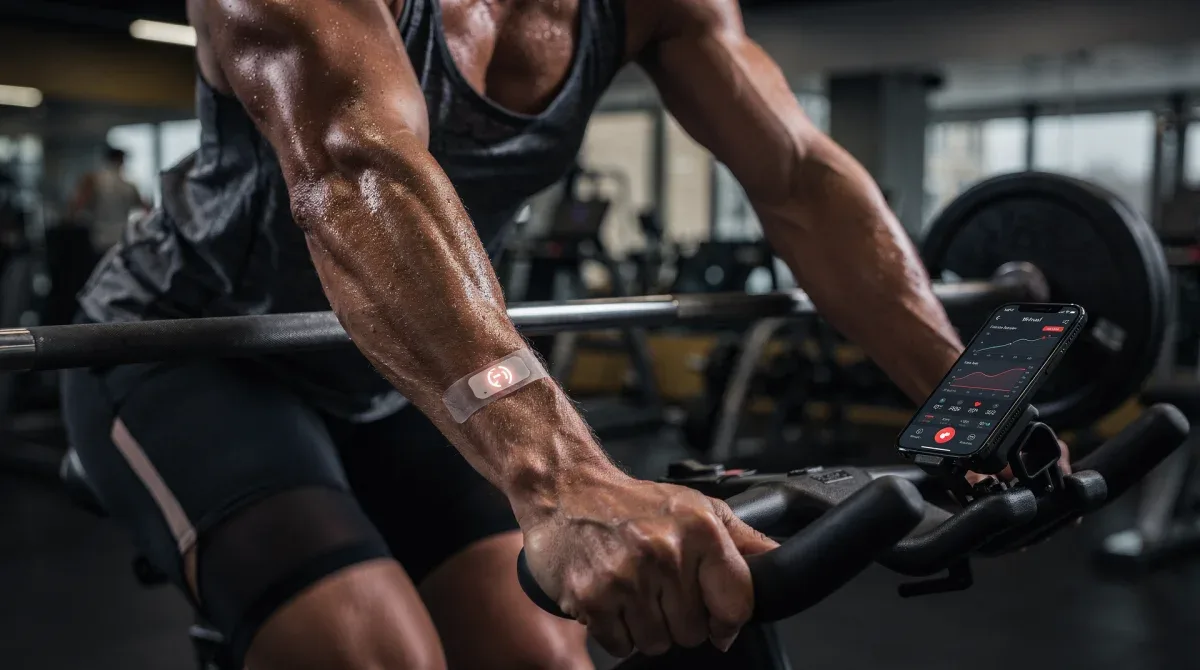
Various form factors are emerging, each with its own advantages. Some devices are discreet patches that adhere to the skin, collecting and analyzing sweat as it's produced. Others are integrated into wristbands, headbands, or even smart clothing, offering continuous monitoring without interfering with movement. These diverse designs cater to different preferences and activities, ensuring there's a suitable option for almost everyone.
- Skin Patches: Disposable or reusable, offering highly accurate, localized sweat analysis.
- Wrist-worn Devices: Often combined with heart rate and activity tracking for a holistic view.
- Smart Textiles: Seamlessly integrated sensors within apparel for comfortable, continuous monitoring.
The data collected by these sensors is then transmitted wirelessly, typically via Bluetooth, to a smartphone app or a smartwatch. The accompanying software processes this raw data into easily digestible insights, often displaying graphs of electrolyte loss over time, recommended fluid intake, and personalized alerts. This user-friendly interface is critical for widespread adoption, translating complex scientific measurements into practical advice for daily use.
Integrating Sweat Analysis into Your Fitness Routine
Adopting real-time sweat analysis wearables into an existing fitness routine is a straightforward process that offers profound benefits. It begins with understanding how to interpret the data and, more importantly, how to act upon it to optimize performance and well-being. The goal is to move from passive data collection to active, informed decision-making regarding hydration.
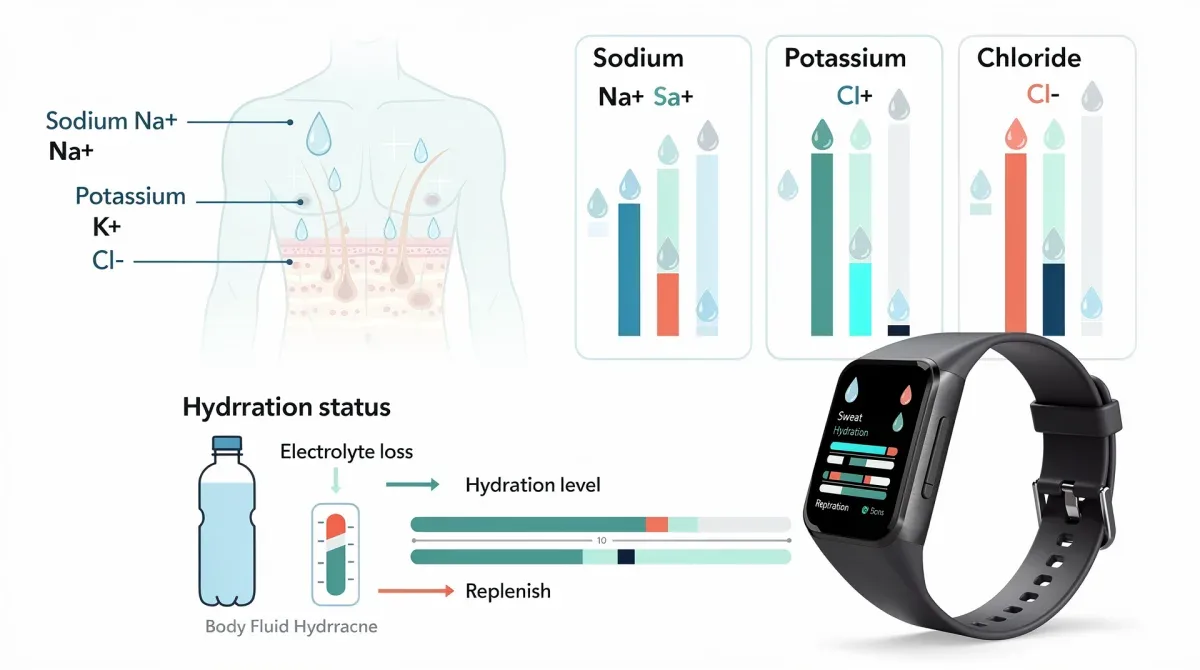
Initially, it might take a few sessions to establish a baseline sweat profile. This involves using the device during various types of workouts and in different environmental conditions to understand how factors like intensity, duration, and temperature affect your sweat rate and electrolyte loss. Once this baseline is established, the wearable becomes a personalized coach, guiding your hydration strategy.
Practical Application Tips
To maximize the benefits, users should pay close attention to the alerts and recommendations provided by their device's companion app. These might include prompts to drink water, consume an electrolyte solution, or adjust the concentration of their sports drink. Consistency in use is key to building a comprehensive understanding of your body's needs and fine-tuning your hydration plan over time.
- Pre-Hydration: Use data from previous workouts to inform your hydration strategy before starting.
- During Exercise: Respond promptly to real-time alerts for fluid and electrolyte replenishment.
- Post-Workout Recovery: Use data to guide rehydration efforts and accelerate recovery.
Beyond preventing cramps, optimized hydration supported by sweat analysis can lead to improvements in endurance, cognitive function, and overall energy levels. It empowers individuals to take a proactive role in their physiological management, transforming guesswork into a scientific approach to personal health and fitness. This integration not only enhances performance but also fosters a deeper connection to one's body and its unique requirements.
The Future Impact on Athletic Performance and General Well-being
The widespread adoption of real-time sweat analysis wearables promises to have a transformative impact, not only on elite athletic performance but also on the general well-being of active individuals. As these technologies become more sophisticated and accessible, they will redefine our expectations for personalized health management and preventative care.
Beyond the Track and Gym
While currently prominent in sports, the applications of sweat analysis extend far beyond athletic endeavors. Imagine construction workers in hot climates, firefighters, or even individuals with certain medical conditions benefiting from real-time hydration monitoring. The potential to prevent heat stress, fatigue, and related health issues in various demanding environments is immense. This technology could become a standard for occupational safety and public health initiatives.
Furthermore, continuous data collection will contribute to a vast repository of physiological information, enabling researchers to gain unprecedented insights into human hydration, electrolyte balance, and the mechanisms of muscle cramps. This could lead to even more advanced and personalized recommendations, pushing the boundaries of human performance and health.
- Enhanced Recovery: Tailored rehydration protocols based on exact fluid and electrolyte losses.
- Injury Prevention: Reduced risk of heat-related illnesses and muscle strains due to optimal hydration.
- Personalized Nutrition: Insights that could inform broader dietary choices for athletes.
The evolution of these wearables will likely include even more integrated sensors, providing a holistic view of physiological markers beyond just sweat. This will allow for a truly comprehensive approach to health and performance, where hydration is just one piece of a larger, interconnected puzzle. The future points towards a highly individualized and preventative model of health, largely driven by wearable biosensing technologies.
Addressing Common Concerns and Future Directions
As with any emerging technology, real-time sweat analysis wearables also come with questions regarding accuracy, cost, and user privacy. Addressing these concerns is crucial for their continued growth and widespread acceptance. The industry is actively working to refine these devices, making them more reliable, affordable, and secure.
Accuracy and Reliability
Early iterations of sweat sensors faced challenges with accuracy, particularly in varying environmental conditions or with different sweat rates. However, ongoing research and development are leading to significant improvements in sensor calibration and data processing algorithms, enhancing the reliability of the measurements. Standards for validation are also being developed to ensure consistency across different brands and models.
- Calibration: Advanced self-calibration features improving data precision.
- Environmental Factors: Better compensation for temperature and humidity variations.
- Algorithm Refinement: Smarter software to interpret complex physiological signals accurately.
Looking ahead, we can anticipate even more sophisticated wearables that integrate multiple biometric data points. Imagine devices that not only analyze sweat but also monitor core body temperature, heart rate variability, and even glucose levels, providing an even richer context for hydration and performance management. Miniaturization and enhanced battery life will also play a key role in making these devices more practical for everyday use.
Furthermore, the integration with AI and machine learning will enable these wearables to offer predictive insights, not just reactive alerts. They could learn individual patterns and anticipate hydration needs before they become critical, offering truly proactive guidance. This continuous feedback loop of data collection, analysis, and personalized recommendation will solidify the role of sweat analysis wearables as indispensable tools in the pursuit of optimal health and peak physical condition.
| Key Point | Brief Description |
|---|---|
| Personalized Hydration | Wearables analyze individual sweat composition for tailored fluid and electrolyte intake. |
| Cramp Prevention | Real-time electrolyte monitoring helps prevent muscle cramps by up to 40%. |
| Technological Advancements | Innovations in biosensors and microfluidics drive device accuracy and accessibility. |
| Future Impact | Expected to transform athletic performance, general well-being, and occupational safety. |
Frequently Asked Questions About Sweat Analysis Wearables
What exactly do sweat analysis wearables measure?▼Sweat analysis wearables primarily measure the concentration of key electrolytes like sodium, potassium, and chloride in your sweat, alongside your sweat rate. Some advanced models may also track other biomarkers, providing a comprehensive view of your body's hydration and physiological state during exercise and daily activities.
How accurate are these devices compared to lab tests?▼While lab tests remain the gold standard, modern sweat analysis wearables have significantly improved in accuracy. Many devices now offer clinical-grade precision, especially for primary electrolytes. Continuous advancements in sensor technology and calibration methods are closing the gap, making them reliable tools for personal use and even some professional applications.
Can sweat analysis wearables help prevent all types of muscle cramps?▼Sweat analysis wearables are highly effective in preventing muscle cramps caused by dehydration and electrolyte imbalances, particularly sodium loss. However, cramps can also stem from factors like muscle fatigue, nerve compression, or underlying medical conditions. While these wearables address a major cause, a holistic approach to cramp prevention is always recommended.
Are these devices only for professional athletes?▼Absolutely not. While professional athletes can greatly benefit, sweat analysis wearables are designed for anyone engaged in regular physical activity, from weekend warriors to fitness enthusiasts. They are also beneficial for individuals working in hot environments or those seeking to optimize their general well-being and hydration throughout the day.
What should I look for when choosing a sweat analysis wearable?▼When selecting a sweat analysis wearable, consider accuracy, ease of use, comfort, battery life, and compatibility with your smartphone. Look for devices that offer clear data interpretation and actionable insights. Reviews, independent validations, and your specific activity needs should guide your choice to ensure it meets your personal requirements effectively.
Conclusion
Real-time sweat analysis wearables represent a paradigm shift in personalized health and performance optimization. By offering unprecedented insights into individual hydration and electrolyte balance, these devices empower users to proactively manage their physiological needs, significantly reducing the risk of muscle cramps and enhancing overall athletic output. As technology continues to evolve, these wearables will become an indispensable tool for anyone committed to maximizing their physical potential and maintaining optimal well-being.
