Reduce Microplastic Exposure: Kitchen Swaps for a Healthier Home
Reducing daily household microplastic exposure by 60% is achievable through practical kitchen swaps, focusing on replacing plastic containers, utensils, and food packaging with safer, sustainable alternatives for a healthier home environment.
Are you concerned about the hidden plastics in your home? Learning how to reduce daily household microplastic exposure by 60% using practical kitchen swaps is more accessible than you might think. This guide will walk you through simple yet impactful changes you can make in your kitchen to significantly lower your family's interaction with these pervasive particles, leading to a healthier living space.
Understanding the Microplastic Problem in Your Home
Microplastics, tiny plastic particles less than five millimeters in length, have become ubiquitous in our environment, from the deepest oceans to the air we breathe. While much attention is given to their presence in natural ecosystems, it's crucial to acknowledge their significant presence within our own homes, particularly in the kitchen. These minuscule fragments originate from the breakdown of larger plastic items, shedding from textiles, personal care products, and, most notably, food packaging and kitchenware.
The kitchen, often considered the heart of the home, paradoxically serves as a primary source of indoor microplastic exposure. Everyday items like plastic cutting boards, food storage containers, plastic-lined coffee cups, and even synthetic sponges can release microplastics into our food and air. When plastic containers are heated, scratched, or repeatedly washed, they degrade, releasing these particles. Understanding this pervasive issue is the first step toward mitigating its impact on our health and the environment.
Scientific studies have increasingly highlighted the potential health implications of microplastic ingestion and inhalation. While research is ongoing, concerns range from inflammation and oxidative stress to hormone disruption due to chemicals leached from plastics. Reducing exposure, therefore, isn't just an environmental act; it's a proactive measure for personal and family well-being. By focusing on the kitchen, we can target a major point of entry for these particles into our daily lives.
The goal of reducing exposure by 60% is ambitious but attainable with conscious effort and informed choices. It requires a shift in mindset from convenience-driven plastic use to a more sustainable, health-conscious approach. This section lays the groundwork by emphasizing the reality of microplastic contamination in our kitchens and setting the stage for actionable solutions.
Ultimately, recognizing the problem is empowering. It transforms an abstract environmental issue into a tangible challenge we can address directly in our homes. By understanding how microplastics enter our kitchen environment, we are better equipped to implement the practical swaps that will make a significant difference.
The Immediate Impact of Kitchen Swaps on Microplastic Reduction
Implementing strategic kitchen swaps offers one of the most direct and effective ways to significantly cut down on microplastic exposure. The kitchen is a high-traffic area for plastic use, from food preparation to storage and consumption. By replacing common plastic items with healthier alternatives, you can drastically reduce the number of microplastics shedding into your food and air.
Consider the cumulative effect of daily choices. A single plastic cutting board, over its lifetime, can release millions of microplastic particles. Similarly, plastic food containers, especially when microwaved, are known to leach chemicals and shed particles. These small, consistent exposures add up. Therefore, even minor changes can lead to a substantial reduction in your overall microplastic footprint.
Key Areas for Plastic Replacement
- Food Storage: Transition from plastic containers to glass, stainless steel, or ceramic options. These materials are inert, durable, and do not leach chemicals or shed microplastics.
- Cooking Utensils: Swap plastic spatulas and spoons for wood, bamboo, or stainless steel. Plastic utensils can degrade over time, especially when exposed to heat, releasing particles into your meals.
- Cutting Boards: Replace plastic cutting boards with those made from wood or bamboo. These natural materials are less likely to shed microplastics into your food during chopping.
- Beverage Containers: Opt for reusable glass or stainless steel water bottles and coffee cups instead of plastic ones. This reduces both single-use plastic waste and potential microplastic ingestion.
The immediate impact of these swaps is multi-faceted. Not only do they reduce direct microplastic contamination, but they also contribute to a healthier indoor air quality by minimizing the shedding of plastic dust. Furthermore, choosing durable, reusable alternatives promotes a more sustainable lifestyle, reducing overall plastic consumption and waste.
By focusing on these practical changes, households can achieve a measurable reduction in microplastic exposure. This proactive approach not only safeguards health but also fosters a greater awareness of environmental stewardship. The kitchen becomes a healthier space, and daily routines are transformed into more conscious, eco-friendly practices.
Smart Food Storage Solutions: Beyond Plastic Containers
One of the most impactful areas for reducing microplastic exposure in the kitchen is through smart food storage solutions. Plastic containers, while convenient, are notorious for degrading over time, especially when subjected to heat, cold, and repeated washing, leading to the release of microplastic particles and potentially harmful chemicals into your food. Shifting away from these is a cornerstone of a plastic-reduced kitchen.
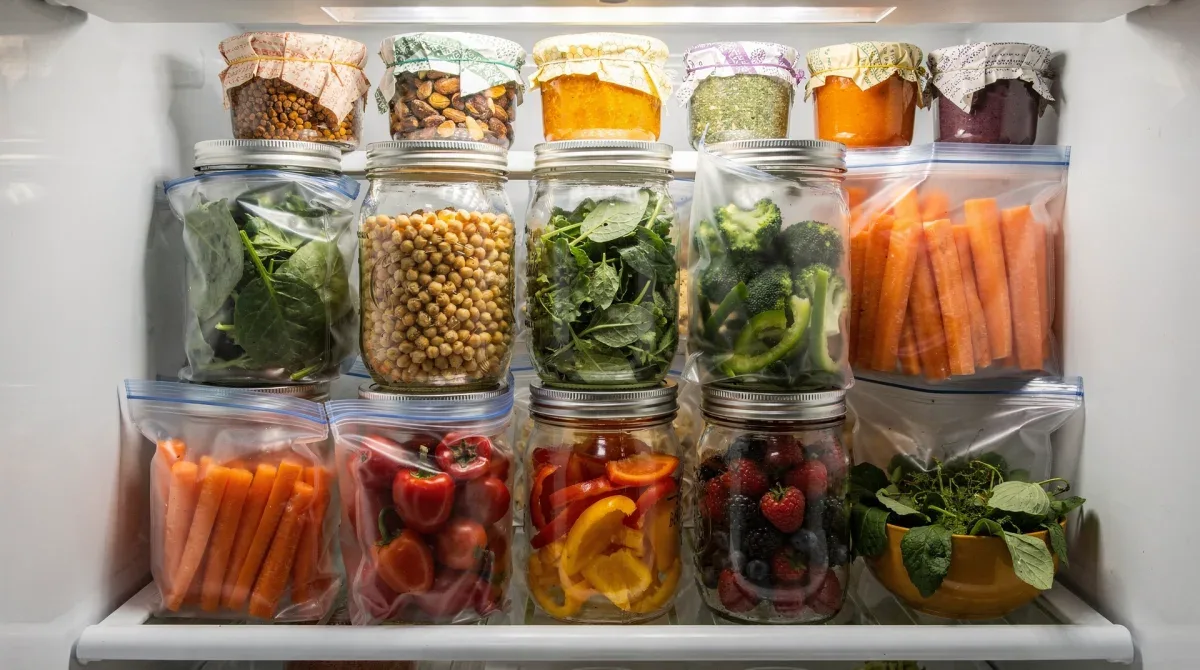
Glass containers are an excellent alternative. They are non-porous, do not leach chemicals, and can withstand high temperatures, making them safe for oven, microwave, and dishwasher use. Their transparency also makes it easy to identify contents, reducing food waste. Stainless steel containers are another robust option, perfect for packed lunches and dry goods, offering durability and a lightweight design.
Innovative Alternatives for Freshness
- Silicone Bags: Reusable silicone bags are a flexible and durable alternative to single-use plastic bags. They are heat-resistant, freezer-safe, for storing snacks, marinating food, or even cooking sous-vide.
- Beeswax Wraps: For covering bowls or wrapping fruits and vegetables, beeswax wraps offer a natural, breathable, and reusable solution. They are made from cotton infused with beeswax, jojoba oil, and tree resin, providing an effective seal without plastic.
- Ceramic or Enameled Dishes: These options are perfect for storing leftovers in the refrigerator or for meal prep. They are non-reactive and add a touch of elegance to your kitchen.
Beyond the materials themselves, consider how you store food. Opt for bulk purchases of dry goods like grains, pasta, and nuts, and store them in large glass jars. This reduces reliance on plastic packaging from the grocery store. When shopping, bring your own reusable produce bags made from cotton or mesh to avoid the thin plastic bags commonly offered.
The investment in these alternative storage solutions pays off over time, not just in reduced microplastic exposure but also in durability and aesthetic appeal. They are designed for longevity, reducing the need for constant replacement and thus contributing to less waste overall. Making these changes ensures your food remains fresh and free from unwanted plastic contamination.
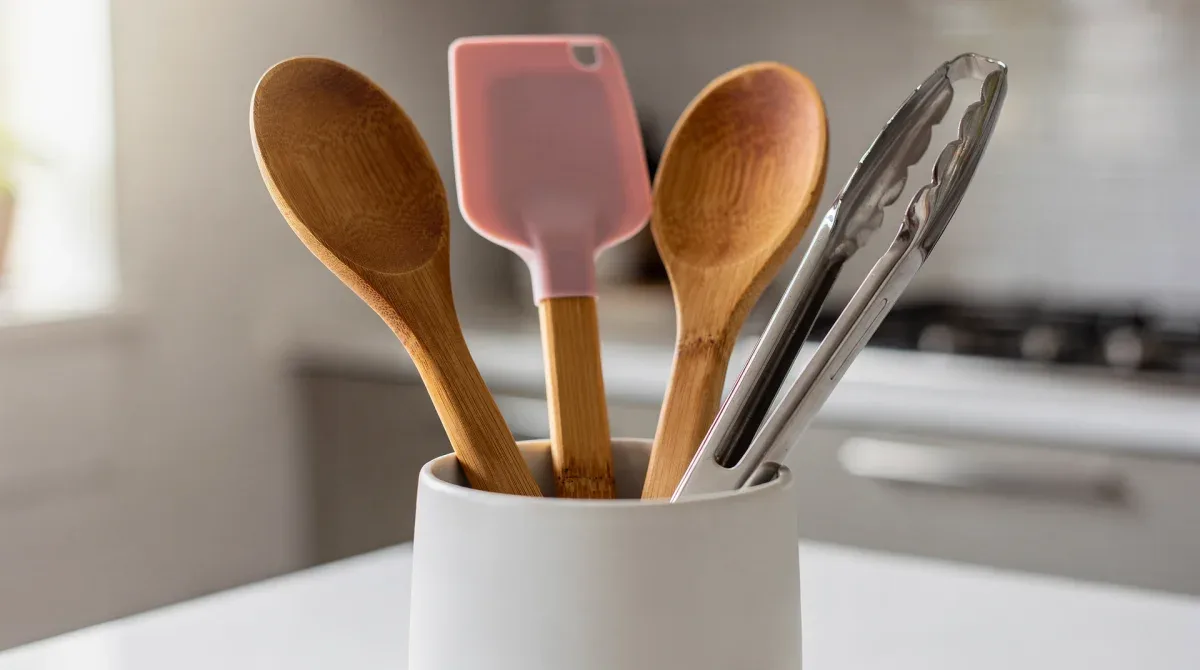
Upgrading Your Cooking Utensils and Bakeware
The tools we use for cooking are just as important as the containers we use for storage when it comes to reducing microplastic exposure. Many common kitchen utensils and bakeware items are made from plastic or have non-stick coatings that can degrade and release harmful particles into our food, especially under high heat or with abrasive use. A conscious upgrade in this area can make a substantial difference.
Traditional plastic spatulas, spoons, and whisks are often exposed to high temperatures, which can accelerate their breakdown and lead to microplastic shedding. Even seemingly innocuous plastic cutting boards can release tiny plastic fibers into your food as you chop. Replacing these items with safer, more durable materials is a practical step towards a healthier kitchen.
Preferred Materials for Utensils and Bakeware
- Wood and Bamboo: Excellent for spatulas, spoons, and cutting boards. These natural materials are gentle on cookware, durable, and do not leach chemicals. They are also biodegradable at the end of their life cycle.
- Stainless Steel: Ideal for whisks, tongs, measuring cups, and bakeware. Stainless steel is highly durable, non-reactive, and easy to clean, making it a safe choice for all types of cooking.
- Silicone (Food-Grade): While a synthetic material, high-quality, food-grade silicone is generally considered stable and safe for kitchen use. It's great for spatulas, baking mats, and molds, offering flexibility and heat resistance without the concerns associated with other plastics. Ensure it's certified food-grade.
- Cast Iron and Ceramic: For bakeware and cookware, cast iron and ceramic offer superior heat retention and distribution. They are durable, non-toxic, and can last a lifetime with proper care, eliminating the need for plastic or chemical-laden non-stick surfaces.
When selecting new items, prioritize quality and longevity. Investing in well-made wooden spoons or stainless steel bakeware means you won't need to replace them frequently, further reducing waste. Be mindful of non-stick coatings; while convenient, some can contain PFAS chemicals. Opt for ceramic or cast iron alternatives that offer natural non-stick properties once seasoned.
By thoughtfully upgrading your cooking utensils and bakeware, you create a safer environment for food preparation. This simple shift not only minimizes your exposure to microplastics and other chemicals but also enhances your cooking experience with tools that are built to last and perform better.
Rethinking Hydration and Beverage Habits
Our daily hydration habits often contribute significantly to microplastic exposure, largely through the pervasive use of plastic water bottles and single-use coffee cups. These items, while convenient, are a major source of microplastics that can leach into our drinks, especially when exposed to heat or repeated use. Rethinking how we hydrate and consume beverages is a crucial step in reducing this exposure.
Single-use plastic water bottles are not only an environmental burden but also a direct pathway for microplastics into our bodies. Studies have shown that bottled water can contain hundreds of microplastic particles per liter. Similarly, many disposable coffee cups are lined with polyethylene, a type of plastic that can shed particles when hot liquids are poured into them.
Sustainable Beverage Choices
- Reusable Water Bottles: Invest in high-quality wearables or glass water bottles. These are durable, non-leaching, and keep your drinks at the desired temperature without contributing to microplastic contamination.
- Reusable Coffee Cups: Carry your own reusable coffee mug made from ceramic, stainless steel, or glass. Many coffee shops offer discounts for bringing your own cup, making it both an eco-friendly and economical choice.
- Filtered Tap Water: Instead of buying bottled water, invest in a good quality water filter for your tap. This provides clean, safe drinking water at home, eliminating the need for plastic bottles and reducing waste.
- Brew Your Own: Consider brewing your coffee or tea at home and carrying it in your reusable mug. This gives you control over the ingredients and avoids the plastic components of many store-bought beverages and disposable cups.
Beyond the containers, consider the source of your beverages. Opt for loose-leaf tea over tea bags, as some tea bags are made with plastic fibers that can release microplastics when steeped in hot water. Similarly, when buying milk or juices, choose options in glass bottles or cartons without plastic linings if available.

Making these conscious changes to your hydration and beverage habits is a powerful way to reduce your daily microplastic intake. It's a simple yet effective shift that benefits both your health and the planet, demonstrating that small personal actions can have a significant collective impact.
Cleaning Your Kitchen the Microplastic-Free Way
While often overlooked, our kitchen cleaning routines can also be a hidden source of microplastic exposure. Many common cleaning tools and products contain plastic fibers or microplastic beads that are released into our water systems and indoor air during use. Adopting microplastic-free cleaning practices is an essential part of creating a healthier, less contaminated kitchen environment.
Traditional sponges, dishcloths made from synthetic fibers, and even some cleaning solutions with exfoliating beads contribute to the microplastic problem. When these items are used and washed, they shed tiny plastic particles that can end up in our drains, eventually reaching waterways, or become airborne in our homes. Switching to natural and durable alternatives is key.
Eco-Friendly Cleaning Swaps
- Natural Sponges and Brushes: Replace synthetic sponges with natural loofahs, cellulose sponges, or wooden dish brushes with natural bristles. These are biodegradable and do not shed plastic fibers.
- Cotton and Linen Dishcloths: Opt for dishcloths and cleaning rags made from natural fibers like cotton, linen, or bamboo. These are washable, reusable, and avoid the microplastic shedding associated with synthetic materials.
- Microfiber Alternatives: While microfiber cloths are excellent for cleaning, they are made from plastic and shed microfibers. Consider using natural fiber cloths or specialized microfiber alternatives designed to minimize shedding, or simply use them less frequently.
- Homemade Cleaning Solutions: Reduce reliance on store-bought cleaners that might contain microplastic beads or come in plastic bottles. Simple ingredients like vinegar, baking soda, lemon juice, and essential oils can create effective and natural cleaning solutions.
When doing laundry for your kitchen cloths, consider using a laundry bag designed to capture microfibers or a washing machine filter. This helps prevent synthetic fibers from entering the wastewater system. Also, be mindful of the cleaning products you choose; look for brands that are committed to plastic-free packaging and natural ingredients.
By making these thoughtful adjustments to your kitchen cleaning routine, you not only reduce your household's microplastic footprint but also create a safer environment free from harsh chemicals. It's a holistic approach to a healthier home, ensuring that even the act of cleaning contributes to well-being.
Sustaining a Low-Microplastic Lifestyle Beyond the Kitchen
While the kitchen is a critical starting point for reducing microplastic exposure, sustaining a low-microplastic lifestyle extends beyond this single space. The principles of conscious consumption, material awareness, and opting for durable, natural alternatives can be applied throughout your entire home. This holistic approach ensures a more comprehensive reduction in microplastic presence in your daily life.
Think about other areas where plastics are prevalent. Your bathroom likely contains plastic toothbrushes, shampoo bottles, and synthetic shower curtains. Your laundry room uses detergents in plastic containers and your clothes themselves, if made from synthetic fabrics, shed microfibers with every wash. Expanding your focus ensures long-term success in reducing exposure.
Extending Plastic Reduction Efforts
- Personal Care Products: Switch to solid shampoo and conditioner bars, bamboo toothbrushes, and plastic-free dental floss. Choose products in glass jars or metal tins.
- Laundry Practices: Opt for natural fiber clothing (cotton, linen, wool) over synthetics. Use a laundry bag designed to catch microfibers or a washing machine filter to prevent microplastic release from existing synthetic garments.
- Home Furnishings: When purchasing new furniture or textiles, prioritize natural materials like wood, cotton, linen, and wool over synthetic fabrics and plastic components.
- Shopping Habits: Carry reusable shopping bags, buy in bulk when possible, and choose products with minimal or plastic-free packaging. Support brands committed to sustainable practices.
Educating yourself and your family about the impacts of microplastics fosters a collective commitment to a healthier lifestyle. It's not about perfection but about continuous improvement and making informed choices. Each small step taken outside the kitchen reinforces the positive changes initiated within it.
By integrating these practices into your daily life, you create a ripple effect that benefits not only your household but also the broader environment. A sustained low-microplastic lifestyle is a powerful statement for health, sustainability, and responsible consumption, solidifying the gains made through practical kitchen swaps.
| Key Action Area | Practical Swap & Benefit |
|---|---|
| Food Storage | Replace plastic with glass or stainless steel containers; eliminates leaching and microplastic shedding. |
| Cooking Utensils | Switch to wood, bamboo, or stainless steel; prevents plastic particles from entering food during cooking. |
| Hydration & Beverages | Use reusable glass or stainless steel bottles/cups; reduces ingestion from single-use plastics. |
| Kitchen Cleaning | Choose natural sponges and cloths; avoids shedding microfibers into water systems. |
Frequently Asked Questions About Reducing Microplastics
Why is it important to reduce microplastic exposure at home?▼Reducing microplastic exposure at home is crucial because these tiny particles can enter our bodies through food, water, and air. While research is ongoing, potential health concerns include inflammation, oxidative stress, and endocrine disruption. Limiting exposure, especially in the kitchen, helps safeguard family health.
What are the easiest kitchen swaps to start with?▼The easiest swaps include replacing plastic food storage containers with glass or stainless steel. Also, switching from plastic water bottles to reusable glass or stainless steel options is a simple yet highly effective first step. These changes immediately reduce common sources of microplastic contamination.
Are all silicone products safe for a microplastic-free kitchen?▼High-quality, food-grade silicone is generally considered stable and safer than many plastics. It's heat-resistant and doesn't typically leach chemicals or shed microplastics. However, ensure products are certified food-grade and avoid low-quality silicone that might contain fillers, which could degrade over time.
How can I reduce microplastics from my cleaning routine?▼To reduce microplastics from cleaning, swap synthetic sponges and cloths for natural alternatives like loofahs, cellulose sponges, or cotton rags. Also, consider using homemade cleaning solutions with ingredients like vinegar and baking soda to avoid plastic packaging and chemical exposure.
What other areas beyond the kitchen contribute to microplastic exposure?▼Beyond the kitchen, significant sources include synthetic clothing (shedding microfibers in laundry), personal care products (microbeads, plastic packaging), and home furnishings made from synthetic materials. Expanding plastic reduction efforts to these areas creates a more comprehensively microplastic-free living environment.
Conclusion
Successfully learning how to reduce daily household microplastic exposure by 60% using practical kitchen swaps is a powerful step towards fostering a healthier home and a more sustainable lifestyle. By consciously choosing glass, stainless steel, wood, and other natural alternatives for food storage, cooking, hydration, and cleaning, you significantly minimize your family's interaction with these ubiquitous particles. This journey is about making informed decisions, prioritizing long-term well-being over fleeting convenience, and contributing to a healthier planet, one kitchen swap at a time. The cumulative effect of these small, deliberate changes creates a profound impact, proving that a healthier, less plastic-dependent life is not only achievable but also deeply rewarding.
