Rucking Takes Over US Fitness: The Outdoor Trend Burning 3 Times More Calories Than Walking
Rucking, the practice of walking with a weighted backpack, is rapidly gaining popularity across the United States as an efficient outdoor fitness trend, burning significantly more calories than traditional walking while offering numerous health benefits.
In a world constantly seeking innovative and effective ways to stay fit, a seemingly simple yet profoundly impactful activity is taking the United States by storm: rucking. This outdoor trend, involving walking with a weighted backpack, is not just another fleeting fitness fad; it's a powerful exercise burning up to three times more calories than conventional walking, redefining how Americans approach their health and well-being.
The rise of rucking: a historical perspective meets modern fitness
Rucking, at its core, is a timeless practice. Soldiers have rucked for centuries, carrying essential gear over long distances. What's new is its emergence as a mainstream fitness activity, championed for its simplicity, effectiveness, and accessibility. It taps into our innate human need to move and explore, adding a challenging dimension to a fundamental action.
This resurgence isn't accidental. As people seek alternatives to crowded gyms and repetitive routines, rucking offers a refreshing blend of physical challenge and mental engagement. It’s an exercise that naturally integrates with an outdoor lifestyle, encouraging participants to explore parks, trails, and even urban landscapes, transforming mundane walks into purposeful workouts.
Why now? The appeal of back-to-basics fitness
The current fitness landscape is saturated with high-tech gadgets and complex methodologies. Rucking cuts through this noise by offering a back-to-basics approach that resonates with many. It requires minimal equipment and can be adapted to various fitness levels, making it incredibly inclusive.
- Simplicity: No complex movements or expensive memberships. Just a backpack and some weight.
- Accessibility: Can be done almost anywhere, from city sidewalks to rugged trails.
- Effectiveness: Delivers a full-body workout with significant calorie expenditure.
- Community: Many rucking groups are forming, fostering social connection and motivation.
The beauty of rucking lies in its understated power. It's not about flash or extreme feats, but about consistent, challenging effort that builds endurance, strength, and resilience. This quiet revolution is changing how many Americans view their daily exercise, proving that sometimes, the simplest methods yield the greatest results.
Understanding the calorie burn: why rucking outperforms walking
The claim that rucking burns three times more calories than walking is a significant draw, and it's rooted in basic physiological principles. When you add weight to your body, your muscles have to work harder to move that weight against gravity. This increased effort translates directly into a higher energy expenditure.

Walking with a weighted pack elevates your heart rate, engages more muscle groups, and increases your metabolic demand. It transforms a casual stroll into a dynamic, strength-building cardiovascular activity. The body isn't just propelling your own mass; it's also carrying an external load, which intensifies every step.
The science behind increased energy expenditure
Several factors contribute to rucking's superior calorie burn. The added weight increases the load on your core, legs, and back, demanding greater muscular activation. This sustained muscular effort requires more oxygen and fuel, leading to a higher calorie burn per minute compared to unweighted walking.
- Increased Muscular Work: Legs, core, and back muscles work harder to stabilize and move the added weight.
- Elevated Heart Rate: Cardiovascular system is challenged more intensely, boosting aerobic benefits.
- Enhanced Metabolic Demand: Body requires more energy to sustain the activity, burning more calories.
- Improved Posture: Carrying weight correctly can strengthen postural muscles, benefiting overall alignment.
Furthermore, rucking often involves varied terrain, which further amplifies the workout. Navigating inclines, declines, and uneven surfaces with a weighted pack engages stabilizing muscles and compounds the calorie expenditure. It's a holistic workout that leverages fundamental movements to create a powerful physiological response.
Beyond calories: the holistic benefits of rucking
While the impressive calorie burn is a major attraction, rucking offers a spectrum of benefits that extend far beyond weight management. It's a comprehensive fitness activity that enhances strength, endurance, and mental well-being, fostering a more resilient body and mind.
The physical demands of carrying weight over distance build functional strength, particularly in the legs, core, and back. This type of strength is highly transferable to daily life, improving posture, reducing injury risk, and making everyday tasks feel easier. It’s not just about looking good; it's about moving better and feeling stronger.
Mental fortitude and stress reduction
Rucking is as much a mental exercise as it is a physical one. The sustained effort and endurance required build mental toughness and discipline. It teaches resilience and perseverance, qualities that benefit all aspects of life. The rhythmic nature of walking combined with the challenge of carrying weight can also be incredibly meditative.
- Mental Toughness: Overcoming physical challenges builds resilience and discipline.
- Stress Relief: Outdoor exercise combined with rhythmic movement can reduce anxiety.
- Improved Focus: The task-oriented nature of rucking enhances concentration.
- Connection with Nature: Spending time outdoors boosts mood and overall well-being.
The simple act of stepping outside and engaging with the natural world, even in an urban park, provides a powerful antidote to modern stress. Rucking encourages us to disconnect from screens and reconnect with our surroundings, offering a valuable mental break while simultaneously improving physical health.
Getting started with rucking: essential gear and safety tips
Embarking on your rucking journey doesn't require a significant investment, but having the right gear and understanding basic safety principles are crucial for a positive and injury-free experience. The beauty of rucking is its simplicity, but a few key considerations can make a big difference.
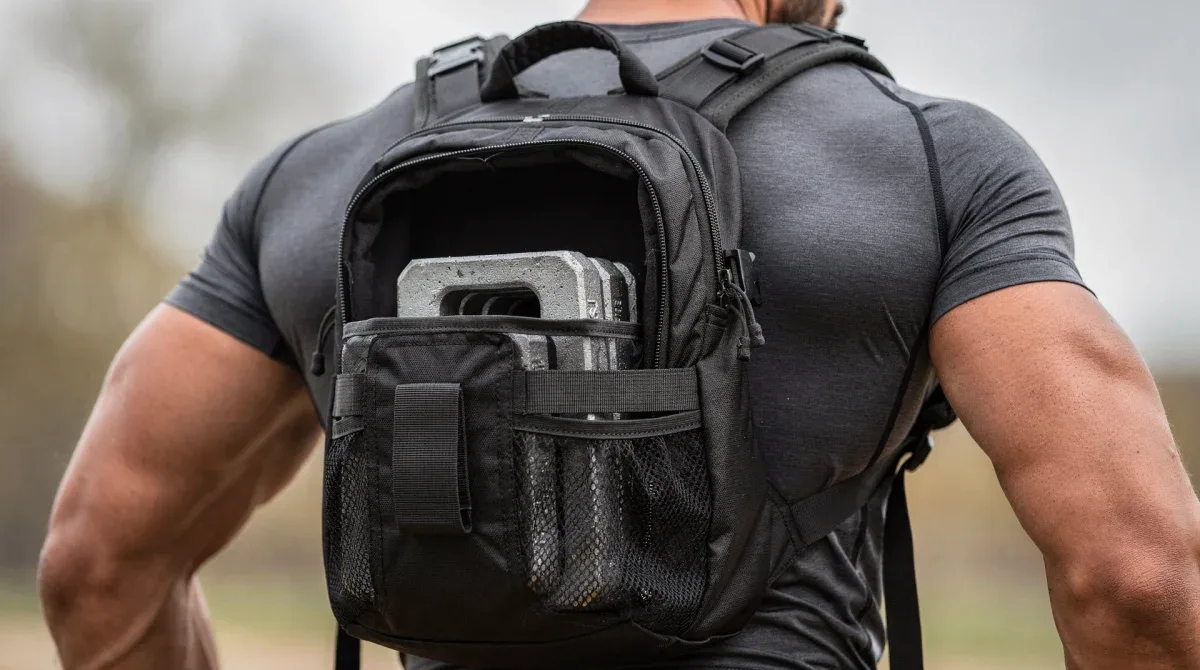
The most important piece of equipment is a comfortable and durable backpack. While any backpack can work for light loads, a dedicated rucksack designed to carry weight comfortably is ideal, especially as you increase your load. Look for packs with padded shoulder straps, a sternum strap, and a hip belt to distribute weight effectively.
Choosing your weight and proper form
Starting light is paramount. Begin with a weight that feels challenging but manageable, typically 10-20% of your body weight. You can use various items for weight, such as bricks, sandbags, water bottles, or specialized rucking plates. Always secure the weight so it doesn't shift during your walk, which can throw off your balance and cause discomfort.
- Backpack: A sturdy backpack with good support (padded straps, sternum, hip belt).
- Weight: Start with 10-20% of your body weight, secured tightly within the pack.
- Footwear: Comfortable, supportive shoes suitable for walking or hiking.
- Hydration: Carry water, especially for longer rucks.
- Appropriate Clothing: Dress in layers suitable for the weather conditions.
Proper form is essential to prevent injury. Maintain an upright posture, engage your core, and let your arms swing naturally. Avoid leaning too far forward or backward. Listen to your body and don't hesitate to take breaks or reduce weight if you experience pain. Gradual progression is key to building strength and endurance safely.
Rucking in the US: community, events, and future outlook
The growth of rucking in the United States is fueled not only by its individual benefits but also by a burgeoning community. Rucking groups are popping up in cities and towns nationwide, offering opportunities for shared experiences, motivation, and camaraderie. These groups often organize regular rucks, fostering a strong sense of belonging among participants.
From casual weekend meetups to organized events and challenges, the rucking community is diverse and welcoming. Events like 'GORUCK Challenges' have played a significant role in popularizing rucking, introducing participants to the military-inspired ethos of teamwork, resilience, and pushing personal limits.
The evolving landscape of outdoor fitness
Rucking represents a significant shift in the fitness paradigm, moving away from solely gym-based workouts towards more functional, outdoor-oriented activities. This trend aligns with a broader societal interest in nature, mindfulness, and holistic well-being. As awareness grows, more people are discovering the joy and effectiveness of simply putting one foot in front of the other with a weighted pack.
- Local Rucking Groups: Easy to find or start, offering social support and motivation.
- Organized Events: Challenges and races cater to different levels of experience.
- Online Resources: Forums, websites, and social media groups provide tips and community.
- Accessibility: Can be done anywhere, making it easy to integrate into daily life.
The future of rucking in the US looks bright, with its core principles of simplicity, effectiveness, and community resonating deeply with a population eager for meaningful and sustainable ways to stay active. It's more than just an exercise; it's a lifestyle that encourages exploration, resilience, and connection.
Integrating rucking into your routine: tips for consistent progress
Making rucking a regular part of your fitness regimen requires consistency and a smart approach to progression. Like any exercise, sustained effort yields the best results. The key is to start gradually and systematically increase the challenge, ensuring your body adapts without becoming overwhelmed.
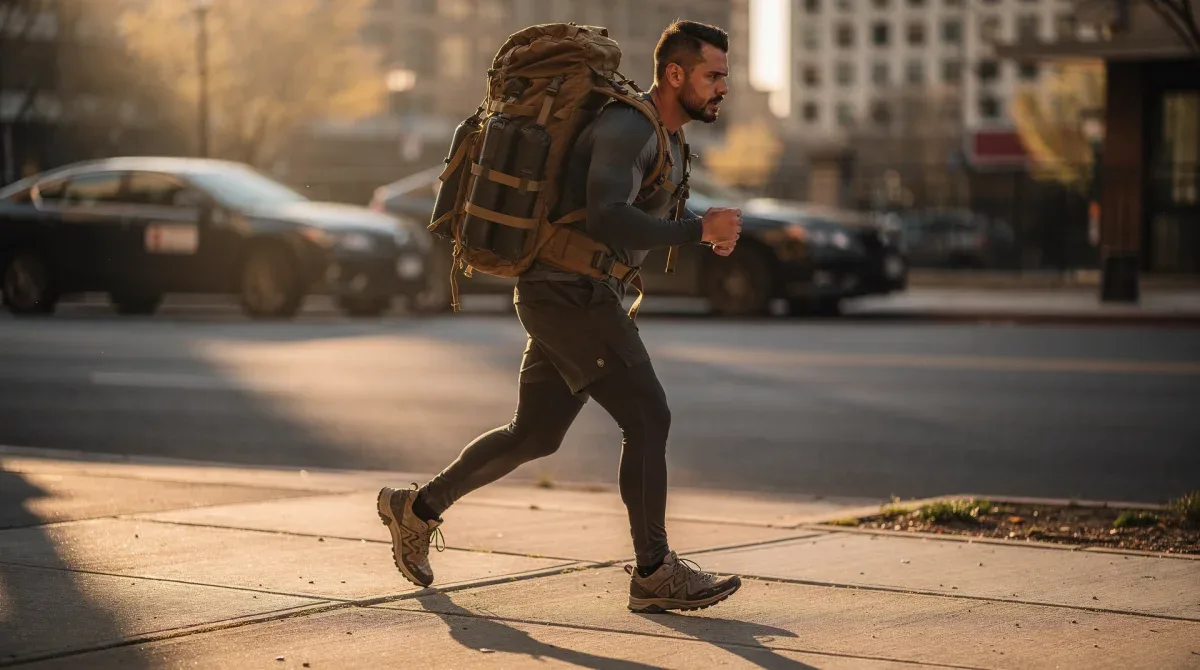
Begin with shorter rucks and lighter weights, perhaps 20-30 minutes, two to three times a week. As your strength and endurance improve, you can incrementally increase the duration, the weight, or the frequency of your rucks. Listen to your body and allow for adequate rest and recovery, which are just as crucial as the workout itself.
Varying your rucks for continuous improvement
To keep your routine engaging and to continuously challenge your body, consider varying your rucks. Explore different terrains – from flat pavements to hilly trails. Experiment with different speeds, incorporating periods of faster walking or even a light jog (if comfortable) with your pack. You can also integrate other exercises, such as squats or push-ups, during your ruck breaks.
- Start Small: Begin with light weight and shorter distances.
- Gradual Progression: Slowly increase weight, duration, or frequency.
- Listen to Your Body: Prioritize rest and recovery to prevent injury.
- Vary Terrain: Explore different environments to keep it interesting and challenging.
- Incorporate Intervals: Mix up speeds or add bodyweight exercises during breaks.
Consistency is the cornerstone of progress in rucking. By setting realistic goals, gradually increasing the challenge, and enjoying the process of exploring the outdoors, you can successfully integrate rucking into a sustainable and rewarding fitness routine. It’s an investment in your physical and mental health that pays dividends over time, making every step count.
| Key Point | Brief Description |
|---|---|
| Calorie Burn | Rucking burns up to 3x more calories than walking due to added weight and increased muscular effort. |
| Holistic Benefits | Builds strength, endurance, mental toughness, and reduces stress through outdoor activity. |
| Accessibility | Requires minimal gear and can be done almost anywhere, making it highly inclusive. |
| Community Growth | Thriving rucking communities and events foster motivation and social connection across the US. |
Frequently asked questions about rucking
What is the ideal weight to start rucking with?▼For beginners, it's generally recommended to start with a weight equivalent to 10-20% of your body weight. This allows your body to adapt to the added load gradually, minimizing the risk of injury while still providing a significant workout. You can increase the weight as your strength and endurance improve.
Is rucking suitable for all fitness levels?▼Yes, rucking is highly adaptable for various fitness levels. By adjusting the weight in your backpack and the distance or intensity of your walk, individuals from beginners to seasoned athletes can tailor the exercise to their capabilities. Starting light and progressing slowly is key for everyone.
What kind of backpack is best for rucking?▼While a regular sturdy backpack can work for light loads, a dedicated rucksack with padded shoulder straps, a sternum strap, and a hip belt is ideal for heavier weights. These features help distribute the load evenly and prevent strain, making your rucks more comfortable and effective.
How often should I ruck to see results?▼To see noticeable results in strength, endurance, and calorie burn, aim to ruck 2-4 times per week. Consistency is more important than extreme intensity initially. Gradually increase your ruck duration or weight over time to continue challenging your body and making progress towards your fitness goals.
Can rucking help with weight loss?▼Absolutely. Because rucking burns significantly more calories than regular walking and builds muscle, it is an excellent tool for weight loss. The increased metabolic demand, coupled with the potential for long, sustained workouts, makes it highly effective for creating a calorie deficit and improving body composition.
Conclusion
Rucking is more than just a fitness trend; it's a powerful, accessible, and highly effective way to transform your health. By embracing this simple act of walking with weight, you not only unlock an impressive calorie burn—up to three times more than unweighted walking—but also cultivate strength, endurance, and mental resilience. As it continues to gain traction across the United States, rucking offers a compelling blend of physical challenge, outdoor exploration, and community connection, proving that sometimes, the most basic movements can yield the most profound results for a more active and balanced life.
