CDC 2026 Activity Benchmark: Micro-Workouts Bridge Gap?
The CDC's 2026 physical activity benchmark aims to significantly boost national fitness levels, making 10-minute micro-workouts a crucial strategy for individuals to meet these new guidelines and improve overall health.
The Centers for Disease Control and Prevention (CDC) has announced its ambitious 2026 physical activity benchmarks, setting a new standard for public health. This critical update prompts a timely question: can CDC Issues 2026 Physical Activity Benchmark: Can 10-Minute Micro-Workouts Bridge the Activity Gap? The answer may lie in how we redefine our approach to daily movement.
Understanding the CDC's New 2026 Physical Activity Benchmarks
The CDC's latest guidelines for 2026 represent a significant shift in public health strategy, emphasizing more consistent and varied physical activity across all age groups. These benchmarks aim to combat the rising tide of sedentary lifestyles and related health issues, providing a clearer roadmap for Americans to achieve optimal well-being. The updated recommendations move beyond simply accumulating minutes, focusing instead on the integration of diverse movement patterns throughout the day.
Historically, physical activity guidelines have often focused on continuous, moderate-to-vigorous exercise sessions. While effective, these long-form workouts can be a barrier for many individuals facing time constraints or motivational challenges. The 2026 benchmarks acknowledge these realities, advocating for a more flexible and adaptable approach to daily movement. This includes not only structured exercise but also incorporating physical activity into everyday routines, recognizing that every bit of movement contributes to overall health.
The Shift Towards Holistic Movement
The new guidelines are not just about reaching a certain number of minutes; they encourage a more holistic view of physical activity. This means considering:
- Variety in Activity: Incorporating different types of exercise, from aerobic to strength training.
- Consistency Over Intensity: Prioritizing regular movement, even in short bursts, over sporadic high-intensity workouts.
- Accessibility: Designing recommendations that are achievable for people with varying fitness levels and lifestyles.
This shift reflects a growing understanding that health benefits are derived not just from intense, sustained effort, but also from breaking up prolonged periods of inactivity. The CDC aims to make physical activity feel less like a chore and more like an integral, enjoyable part of daily life.
In conclusion, the 2026 CDC benchmarks are a progressive step towards a healthier nation. By broadening the definition of physical activity and acknowledging the practical challenges many face, these new guidelines lay the groundwork for more inclusive and effective health promotion strategies. The focus on integrating movement throughout the day opens doors for innovative solutions, such as micro-workouts, to play a pivotal role in meeting these ambitious goals.
The Rising Popularity of 10-Minute Micro-Workouts
In an increasingly fast-paced world, the concept of fitting a full 60-minute gym session into a busy day can feel daunting, if not impossible. This reality has fueled the rapid ascent of 10-minute micro-workouts as a viable, and often preferred, alternative. These short, focused bursts of exercise offer a compelling solution for individuals looking to maintain or improve their fitness without dedicating large blocks of time.
Micro-workouts are precisely what they sound like: brief, concentrated periods of physical activity designed to elevate heart rate, engage muscles, and boost energy levels. They can range from a quick set of push-ups and squats to a brisk walk or a short yoga flow. The appeal lies in their flexibility and the minimal commitment required, making them accessible to almost anyone, anywhere, at any time.
Why Micro-Workouts Resonate with Modern Lifestyles
Several factors contribute to the growing embrace of micro-workouts:
- Time Efficiency: They fit seamlessly into tight schedules, lunch breaks, or even commercial breaks.
- Reduced Intimidation: The short duration makes exercise less daunting for beginners or those returning to fitness.
- Improved Consistency: Easier to commit to daily, leading to more regular physical activity habits.
- Mental Boost: Quick bursts of exercise can provide an immediate uplift in mood and focus.
These benefits highlight why micro-workouts are not just a trend but a practical approach to fitness that aligns with the demands of modern living. They empower individuals to take control of their health in manageable increments, fostering a sense of accomplishment and sustained motivation.
The rise of micro-workouts also coincides with a broader cultural shift towards valuing efficiency and immediate gratification. People want results and benefits without feeling like they are sacrificing huge chunks of their day. This form of exercise delivers on that promise, offering tangible health improvements without the significant time investment traditionally associated with fitness regimens.
Ultimately, the popularity of 10-minute micro-workouts underscores a fundamental human need: to stay active and healthy despite life's many pressures. As the CDC introduces new benchmarks, the adaptability and effectiveness of these short sessions position them as a powerful tool in the collective effort to meet national health goals.
Bridging the Activity Gap: Micro-Workouts Meet CDC Goals
The central question facing the nation in light of the CDC's 2026 physical activity benchmarks is how to effectively bridge the existing activity gap. This gap, characterized by a significant portion of the population not meeting recommended activity levels, presents a formidable public health challenge. However, the rise of 10-minute micro-workouts offers a promising and practical solution that aligns remarkably well with the spirit and objectives of the new guidelines.

Micro-workouts are uniquely positioned to help individuals accumulate the necessary minutes of moderate-to-vigorous physical activity throughout their day. Instead of viewing exercise as an all-or-nothing endeavor, these short bursts allow for a cumulative approach. For instance, three 10-minute sessions spread across a workday can easily contribute 30 minutes to the weekly goal, making it far more achievable than trying to squeeze in a single, longer workout.
The Cumulative Power of Short Bursts
The scientific community increasingly supports the idea that the total volume of physical activity, regardless of how it's accumulated, is what truly matters for health outcomes. This means that several short exercise sessions can be as beneficial as one longer session, particularly for cardiovascular health and metabolic function. Micro-workouts capitalize on this principle, transforming what might seem like insignificant efforts into meaningful health gains.
Consider the typical daily routine: commutes, work, errands, and family responsibilities. Finding a dedicated block for exercise can be tough. Micro-workouts integrate seamlessly into these moments:
- A quick brisk walk during a lunch break.
- A set of bodyweight exercises between meetings.
- Stretching and light cardio while waiting for dinner to cook.
These small, consistent efforts add up, making the CDC's 2026 benchmarks feel less intimidating and more attainable. They encourage a mindset where every opportunity for movement is seized, transforming sedentary moments into active ones.
Furthermore, micro-workouts can serve as an entry point for those new to exercise, building confidence and habit without overwhelming them. For seasoned fitness enthusiasts, they offer a way to supplement existing routines or stay active on rest days or during travel. This versatility makes them a powerful tool for a diverse population.
Ultimately, by breaking down the larger goal of physical activity into manageable, bite-sized pieces, micro-workouts provide a realistic and effective pathway to meet the CDC's ambitious 2026 benchmarks. They empower individuals to weave movement into the fabric of their daily lives, turning a daunting challenge into an achievable reality for improved public health.
Practical Strategies for Integrating Micro-Workouts into Your Day
Successfully integrating 10-minute micro-workouts into a busy schedule requires more than just good intentions; it demands practical strategies and a shift in mindset. The key is to identify natural breaks in your day and consciously repurpose them for movement. This proactive approach can transform otherwise sedentary periods into opportunities for physical activity, helping you meet the CDC's 2026 benchmarks without feeling overwhelmed.
One effective strategy is to schedule your micro-workouts just like any other important appointment. Even if it's only for 10 minutes, blocking it out in your calendar can increase adherence. Think of these short bursts as non-negotiable health appointments that contribute directly to your long-term well-being. Establishing a routine around these small windows of opportunity can turn sporadic efforts into consistent habits.
Identifying Micro-Workout Opportunities
Look for moments in your day that are often wasted or spent passively. These are prime candidates for micro-workouts:
- Morning Boost: Before breakfast, a quick set of jumping jacks, planks, and stretches can kickstart your metabolism.
- Workday Breaks: Instead of scrolling through social media, use a 10-minute break for a brisk walk around the office or a series of bodyweight exercises.
- Waiting Times: While waiting for coffee to brew, dinner to cook, or kids to finish an activity, engage in squats, lunges, or calf raises.
- Evening Wind-Down: A short session of gentle yoga or stretching can help relieve tension and improve sleep quality.
Another powerful tactic is to pair micro-workouts with existing habits. For example, every time you take a phone call, stand up and pace. During commercial breaks while watching TV, do a quick circuit of push-ups, sit-ups, and squats. This technique, known as 'habit stacking,' makes it easier to remember and execute your micro-workouts.
Also, prepare in advance. Lay out your workout clothes the night before, or keep a pair of comfortable shoes at your desk. Having equipment readily available reduces friction and makes it easier to jump into a session when the opportunity arises. Small barriers can often derail even the best intentions, so minimizing them is crucial.
In conclusion, integrating micro-workouts into your daily life is entirely achievable with a bit of planning and intentionality. By identifying natural breaks, scheduling your sessions, habit stacking, and preparing in advance, you can consistently meet the CDC's physical activity benchmarks and reap the numerous health benefits that come with regular movement. It's about making smart choices with the time you have.
The Health Benefits of Consistent Short Bursts of Activity
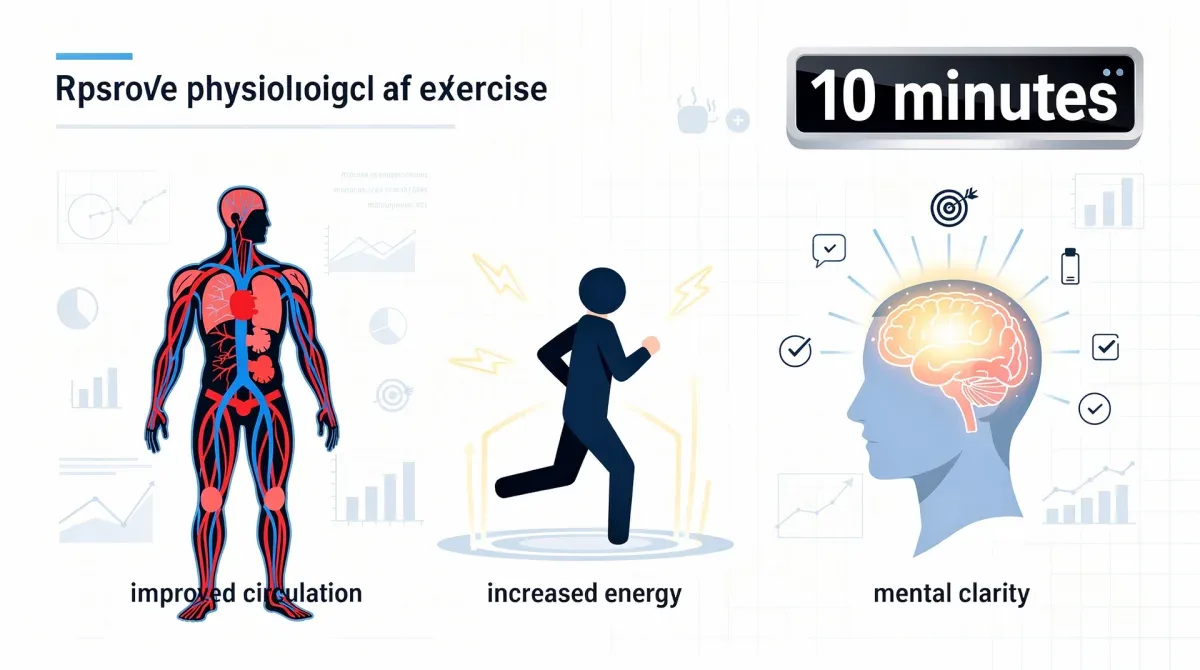
While the idea of short, intense workouts might seem less impactful than longer sessions, the cumulative health benefits of consistent 10-minute micro-workouts are profound and well-supported by scientific evidence. These brief bursts of activity, when performed regularly, contribute significantly to overall well-being, addressing various aspects of physical and mental health. The CDC's emphasis on consistent activity implicitly endorses the power of these smaller, more frequent movements.
One of the most immediate benefits is improved cardiovascular health. Even short periods of elevated heart rate can strengthen the heart muscle, improve blood circulation, and lower blood pressure over time. This consistent engagement helps reduce the risk of heart disease, a leading cause of mortality in the United States. Furthermore, regular micro-workouts can enhance metabolic health by improving insulin sensitivity, which is crucial for managing blood sugar levels and reducing the risk of type 2 diabetes.
Beyond the Physical: Mental and Emotional Gains
- Enhanced Mood: Exercise releases endorphins, natural mood elevators, providing a quick boost and reducing stress.
- Increased Focus and Productivity: Short breaks for physical activity can sharpen concentration and improve cognitive function, making you more efficient.
- Better Sleep Quality: Regular physical activity, even in short durations, contributes to more restful and restorative sleep.
- Stress Reduction: Movement is an excellent way to dissipate stress and tension, offering a much-needed mental break.
These mental and emotional benefits are particularly relevant in today's high-stress environment. Micro-workouts offer an accessible coping mechanism, allowing individuals to reset and recharge throughout their day without needing to commit to a full-blown exercise session. The psychological boost from consistently engaging in physical activity, even in small doses, reinforces positive habits and fosters a greater sense of self-efficacy.
Moreover, consistent micro-workouts contribute to better weight management. While a single 10-minute session may not burn a massive amount of calories, the cumulative effect of daily or multiple daily sessions, combined with an active lifestyle, can significantly impact energy expenditure. This makes it easier to maintain a healthy weight or support weight loss efforts.
In summary, the consistent application of 10-minute micro-workouts yields a wide array of health benefits, from bolstering cardiovascular and metabolic health to significantly improving mental well-being. These small, manageable efforts collectively play a crucial role in helping individuals meet and exceed the CDC's 2026 physical activity benchmarks, proving that when it comes to exercise, every minute truly counts.
Overcoming Common Barriers to Consistent Activity
Despite the clear benefits of physical activity and the flexibility offered by micro-workouts, many individuals still face significant barriers to consistent movement. Identifying and strategically addressing these common obstacles is paramount to successfully meeting the CDC's 2026 physical activity benchmarks. Understanding that these challenges are often universal can help individuals develop more effective coping mechanisms and sustainable habits.
One of the most frequently cited barriers is a lack of time. Even with the introduction of micro-workouts, the perception that 'there's no time' persists. This often stems from a misconception that exercise must be a large, uninterrupted block. Re-framing exercise as short, integrated bursts can help overcome this. Another significant barrier is a lack of motivation or feeling too tired. This can be a vicious cycle, as inactivity often leads to lower energy levels, making it harder to start moving.
Strategies for Sustained Engagement
To foster sustained engagement with physical activity, consider these proactive approaches:
- Start Small: Begin with just 5 minutes if 10 feels too much, gradually increasing duration as comfort and stamina grow.
- Find Your 'Why': Connect physical activity to personal values, such as improved health for family, stress reduction, or increased energy for hobbies.
- Buddy System: Partner with a friend or colleague for micro-workout accountability and shared motivation.
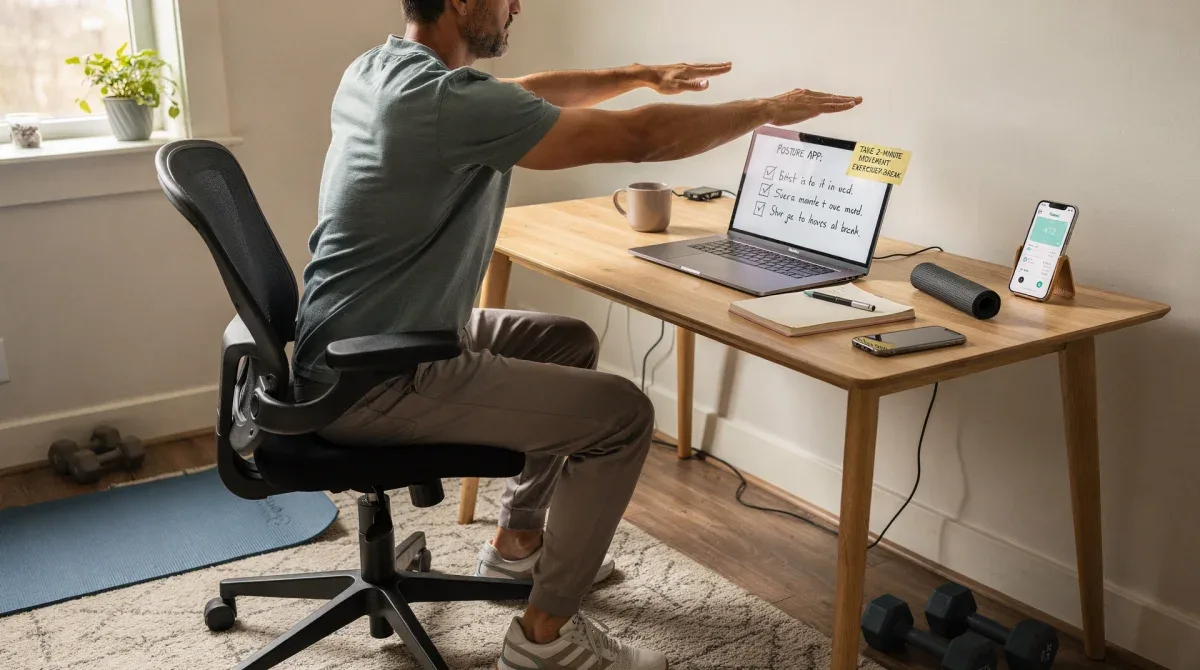
- Track Progress: Use apps or a journal to record sessions, celebrating small victories to build momentum.
Environmental factors also play a role. A lack of safe or accessible places to exercise, or a work environment that discourages movement, can be significant deterrents. Advocating for walkable communities, standing desks, or designated movement breaks in workplaces can help mitigate these issues on a broader scale. Personalizing your immediate environment, such as setting up a small home workout area, can also make a difference.
Furthermore, managing expectations is crucial. Not every micro-workout will feel exhilarating, and some days motivation will be low. Recognizing that consistency is more important than perfection helps in pushing through those less enthusiastic moments. The goal is progress, not instant transformation.
In conclusion, overcoming barriers to consistent activity requires a combination of personal commitment, strategic planning, and environmental support. By acknowledging common challenges and implementing practical solutions, individuals can successfully integrate micro-workouts into their lives, moving closer to meeting the CDC's 2026 physical activity benchmarks and fostering a healthier, more active lifestyle.
The Future of Fitness: Personalization and Public Health Initiatives
As the CDC issues its 2026 physical activity benchmarks, the future of fitness is clearly pointing towards greater personalization and robust public health initiatives. The era of one-size-fits-all exercise prescriptions is fading, replaced by approaches that recognize individual needs, preferences, and limitations. This evolution is critical for making physical activity truly accessible and sustainable for a diverse population, ultimately driving significant improvements in national health outcomes.
Personalization in fitness means leveraging technology and data to create tailored recommendations. Wearable devices, fitness apps, and AI-powered platforms are already providing real-time feedback and customized workout plans. These tools can track progress, suggest appropriate micro-workouts based on energy levels, and even adapt recommendations to specific health conditions or goals. This level of individualization makes exercise more engaging and effective, turning abstract guidelines into concrete, actionable steps.
Public Health's Role in a More Active Future
While individual efforts are vital, public health initiatives play an indispensable role in shaping an environment that supports widespread physical activity. These initiatives include:
- Community Planning: Creating more walkable cities, bike paths, and accessible green spaces.
- Educational Campaigns: Raising awareness about the benefits of physical activity and practical ways to integrate it into daily life.
- Workplace Wellness Programs: Encouraging employers to promote active breaks, offer fitness incentives, and provide on-site facilities.
- Healthcare Integration: Doctors prescribing physical activity as a vital component of treatment and prevention.
These systemic changes are essential for creating a culture where physical activity is not just encouraged but actively facilitated. Public health efforts can reduce socio-economic barriers to exercise, ensuring that everyone, regardless of their background, has the opportunity to lead an active life. This collaborative approach, combining individual agency with supportive environments, is the most powerful catalyst for change.
The integration of micro-workouts into public health messaging is also key. By promoting these short, accessible bursts of activity, health organizations can demystify exercise and make it feel less intimidating. This shift in messaging can inspire more people to start moving, gradually building a foundation for more consistent and varied physical activity.
In conclusion, the future of fitness, guided by the CDC's 2026 benchmarks, will be characterized by a dynamic interplay between personalized approaches and broad public health initiatives. By embracing technology for individualized support and fostering environments that encourage movement, we can collectively bridge the activity gap, creating a healthier, more active society for generations to come. The emphasis on micro-workouts represents a crucial piece of this evolving puzzle, making fitness achievable for all.
| Key Point | Brief Description |
|---|---|
| CDC 2026 Benchmarks | Updated guidelines emphasize diverse, consistent physical activity for all ages to combat sedentary lifestyles. |
| Micro-Workouts | Short, focused 10-minute bursts of exercise gaining popularity due to time efficiency and accessibility. |
| Bridging the Gap | Micro-workouts offer a practical way to accumulate activity minutes, making CDC goals more attainable. |
| Health Benefits | Consistent micro-workouts improve cardiovascular health, metabolism, mood, focus, and sleep quality. |
Frequently Asked Questions About CDC Activity Benchmarks and Micro-Workouts
What are the key changes in the CDC's 2026 physical activity benchmarks?▼The 2026 benchmarks emphasize a more holistic and consistent approach to physical activity, moving beyond just continuous exercise. They advocate for integrating diverse movement patterns throughout the day, recognizing that even short bursts of activity contribute significantly to overall health and well-being, making fitness more accessible for everyone.
How do 10-minute micro-workouts contribute to meeting the new CDC guidelines?▼Micro-workouts allow individuals to accumulate the recommended weekly physical activity minutes in manageable segments. Three 10-minute sessions daily, for example, can easily meet daily targets, making the overall CDC benchmark less daunting and more achievable for those with busy schedules. This cumulative effect is crucial for consistent activity.
What are the main health benefits of regular micro-workouts?▼Consistent micro-workouts offer numerous benefits, including improved cardiovascular health, enhanced metabolic function, better mood, increased energy levels, and reduced stress. They also contribute to better sleep quality and can aid in weight management, proving that small efforts lead to significant, long-term health gains.
Can micro-workouts replace longer, traditional exercise sessions?▼While micro-workouts are highly beneficial for accumulating activity and improving health, they serve as an excellent complement to, rather than a complete replacement for, longer traditional exercise sessions. For optimal health and fitness, a combination of both short bursts and longer, more intense workouts is often recommended, depending on individual goals.
What are some easy ways to integrate micro-workouts into a typical workday?▼Easy integration strategies include taking brisk walks during lunch breaks, doing bodyweight exercises between meetings, performing stretches while waiting for coffee, or using commercial breaks for quick circuits. Scheduling these short sessions and 'habit stacking' by pairing them with existing routines can also significantly boost consistency and adherence.
Conclusion
The CDC's 2026 physical activity benchmarks present both a challenge and an opportunity for public health. By emphasizing diverse, consistent movement, these new guidelines pave the way for innovative solutions like 10-minute micro-workouts. These accessible and efficient bursts of activity are not just a fleeting trend; they are a practical and powerful tool to help individuals bridge the activity gap, fostering improved cardiovascular health, metabolic function, and mental well-being. As we move forward, a combination of personalized fitness approaches and supportive public health initiatives will be crucial in creating a healthier, more active nation, demonstrating that even small, consistent efforts can lead to monumental health transformations.
