Combatting Sedentary Work: 30-Minute Movement Rule
Implementing a 30-minute movement rule is crucial for individuals in sedentary occupations, demonstrably reducing lumbar strain by an impressive 45% and fostering a healthier, more active work-life balance.
In today’s increasingly digital world, many professionals find themselves glued to their desks for hours on end. This sedentary lifestyle, while seemingly harmless, contributes significantly to various health issues, particularly concerning musculoskeletal health. Understanding the critical importance of combatting sedentary work: the 30-minute movement rule to cut lumbar strain by 45% is not just a recommendation, but a necessity for long-term well-being and productivity.
The silent epidemic of sedentary work
Sedentary work, characterized by prolonged sitting with minimal physical activity, has become a pervasive aspect of modern professional life. This lifestyle, often driven by office jobs and remote work, carries significant health risks that extend far beyond simple discomfort. It's a silent epidemic, subtly eroding our physical health and mental well-being over time.
The human body is designed for movement, not for static postures for extended periods. When we remain seated for too long, our muscles become inactive, circulation slows, and the spine bears undue pressure. This can lead to a cascade of negative effects, impacting everything from metabolic health to cardiovascular function. The insidious nature of sedentary work means that its consequences often manifest gradually, making it easy to overlook until symptoms become pronounced.
Understanding the health risks
The health risks associated with sedentary work are well-documented and far-reaching. Beyond the immediate discomfort of back pain, prolonged sitting contributes to a range of serious conditions. It's not just about feeling stiff; it's about fundamental physiological changes that can have long-term implications.
- Increased risk of chronic diseases: Sedentary behavior is linked to a higher incidence of type 2 diabetes, heart disease, and certain cancers.
- Musculoskeletal disorders: Lumbar strain, neck pain, and shoulder issues are common due to poor posture and lack of movement.
- Weight gain and obesity: Reduced physical activity naturally leads to fewer calories burned, contributing to weight gain.
- Mental health impact: Prolonged sitting can negatively affect mood, increase stress levels, and contribute to symptoms of anxiety and depression.
Ignoring these risks is akin to ignoring a slow leak in a tire; eventually, it will lead to a complete breakdown. Proactive measures are essential to mitigate these dangers and foster a healthier work environment.
In conclusion, sedentary work is more than just a convenience; it's a lifestyle choice with profound health implications. Recognizing the scope of this silent epidemic is the first step towards implementing effective strategies to counteract its detrimental effects and promote a culture of active living within the workplace.
The 30-minute movement rule: A game changer
Introducing the 30-minute movement rule isn't just a suggestion; it's a paradigm shift in how we approach our workday. This simple yet profound strategy involves taking a short break from sitting every 30 minutes to engage in some form of physical activity. The goal is to interrupt prolonged periods of inactivity, thereby revitalizing the body and mind.
The effectiveness of this rule lies in its consistency and ease of implementation. It doesn't require a dedicated gym session or a complete overhaul of your daily schedule. Rather, it integrates small, manageable bursts of activity into your routine, making it sustainable and highly impactful. This frequent movement prevents the body from settling into harmful static postures and keeps circulation flowing, which is vital for overall health.
Scientific backing for movement breaks
The concept of regular movement breaks is not merely anecdotal; it is strongly supported by scientific research. Studies have consistently shown that breaking up prolonged sitting with short bouts of activity can lead to significant health improvements. One of the most compelling findings is the remarkable reduction in lumbar strain, which can be as high as 45% for those who adhere to this rule.

Beyond back pain, research indicates that these breaks can:
- Improve cardiovascular health: Regular movement helps maintain healthy blood pressure and cholesterol levels.
- Boost metabolic function: Short walks or stretches can improve glucose metabolism and insulin sensitivity.
- Enhance cognitive function: Physical activity increases blood flow to the brain, leading to better focus and concentration.
- Reduce fatigue: Movement can alleviate feelings of sluggishness and increase overall energy levels.
These benefits highlight that the 30-minute movement rule is a holistic approach to health, addressing both physical and mental well-being simultaneously. It's a small investment of time that yields substantial returns in terms of health and productivity.
The 30-minute movement rule represents a practical and scientifically validated strategy for mitigating the risks associated with sedentary work. By integrating these short breaks into our daily routines, we can significantly improve our health outcomes and foster a more dynamic and energetic work environment.
Practical strategies for integrating movement
Implementing the 30-minute movement rule into a busy workday might seem challenging at first, but with a few practical strategies, it can become a seamless and beneficial part of your routine. The key is to make movement a habit, something you do almost automatically without much conscious effort.
Start by setting reminders. Use your phone, a desktop app, or even a simple alarm to prompt you every 30 minutes. Initially, these reminders will be crucial, but over time, your body will begin to anticipate and even crave these short breaks. The goal is to make these movements second nature, just like taking a sip of water or checking an email.
Simple exercises for desk workers
You don't need a gym or special equipment to incorporate effective movement into your day. Many simple exercises can be performed right at or near your desk, requiring minimal space and time. These movements are designed to activate different muscle groups, improve circulation, and relieve tension.
Consider these quick activities:
- Stretching: Neck rolls, shoulder shrugs, arm circles, and gentle back twists can release tension.
- Walking: Take a short walk around your office, to the water cooler, or even just to another room.
- Standing: Simply standing up and stretching your legs for a minute or two can make a big difference.
- Desk exercises: Calf raises, chair squats, or even just wiggling your toes can be beneficial.
The important thing is to move your body in any way that feels comfortable and energizing. Even a few minutes of light activity can significantly counteract the negative effects of prolonged sitting. Consistency is far more important than intensity when it comes to these regular breaks.
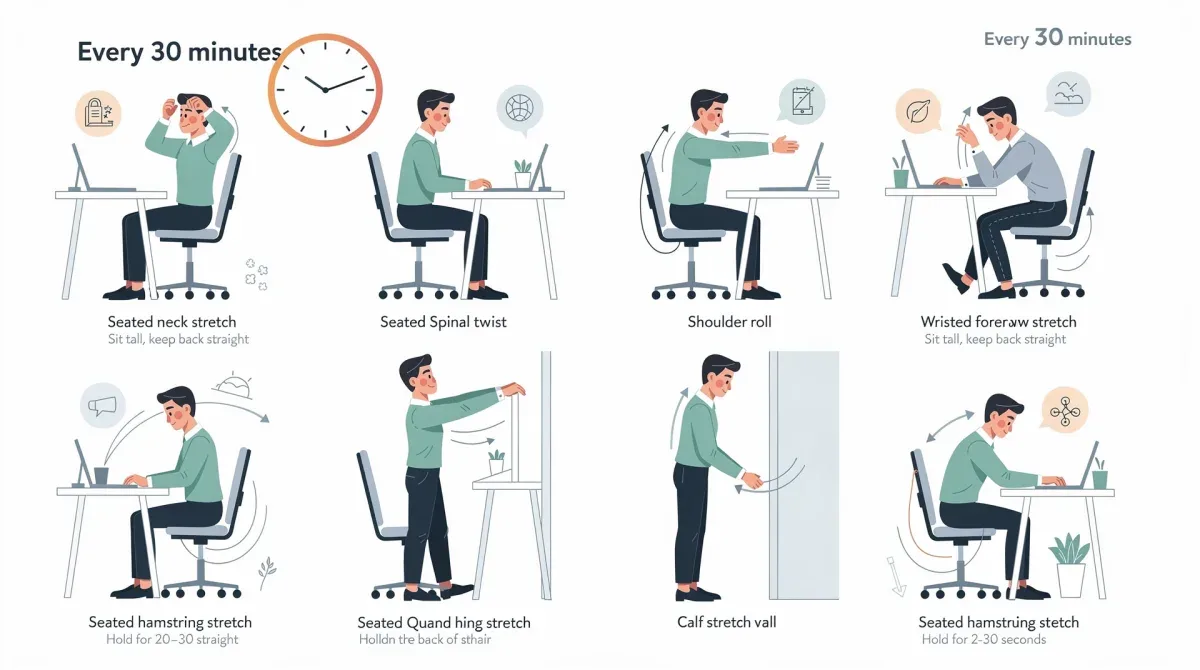
Another effective strategy is to integrate movement into existing routines. For example, if you need to make a phone call, try doing it while standing or walking. If you're waiting for a document to print, do a few stretches. These small shifts in behavior can add up to significant improvements in your overall activity level.
By adopting these practical strategies, integrating the 30-minute movement rule becomes an achievable goal. It transforms your workday from a static experience into a dynamic one, promoting better health and sustained energy levels throughout the day.
Ergonomics and workplace setup
While movement is paramount, a well-designed ergonomic workstation complements the 30-minute rule by providing a supportive and healthy foundation for your work. Ergonomics is the science of designing the workplace to fit the worker, aiming to reduce discomfort and prevent injuries. A properly set up workstation can significantly reduce physical strain and improve overall comfort, making it easier to maintain good posture and take effective movement breaks.
Investing in ergonomic equipment and understanding how to adjust your workspace is not a luxury but a necessity for anyone spending long hours at a desk. It's about creating an environment that supports your body's natural alignment and encourages healthy habits.
Key ergonomic considerations
Several elements contribute to an ergonomic workstation. Paying attention to these details can make a substantial difference in preventing strain and promoting well-being. Each component plays a role in supporting your body and minimizing stress.
- Chair: Choose an ergonomic chair with adjustable height, lumbar support, armrests, and a breathable backrest. Adjust it so your feet are flat on the floor or a footrest, and your knees are at a 90-degree angle.
- Desk: Ensure your desk height allows your arms to be at a 90-degree angle when typing, with your wrists straight. Consider a standing desk to easily alternate between sitting and standing.
- Monitor: Position your monitor at arm's length, with the top of the screen at or slightly below eye level. This prevents neck strain and encourages good head posture.
- Keyboard and mouse: Keep your keyboard and mouse close to your body to avoid overreaching. Use ergonomic models if possible to reduce strain on your wrists and hands.
These adjustments, while seemingly minor, collectively create a more supportive and less strenuous work environment. They reduce the static load on your muscles and joints, making it easier for your body to recover during movement breaks.

Furthermore, regular assessment of your workstation is crucial. What feels comfortable today might need minor adjustments tomorrow. Pay attention to any discomfort or pain you experience and make changes accordingly. An ergonomic setup is a dynamic process, not a one-time fix.
In essence, combining a well-configured ergonomic workstation with the 30-minute movement rule creates a powerful synergy. The ergonomic setup minimizes strain during work periods, while movement breaks actively rejuvenate your body, leading to a healthier and more productive workday.
Beyond the office: A holistic approach to movement
While integrating movement into your workday is crucial, a truly holistic approach to combatting sedentary living extends beyond office hours. Our bodies need consistent activity, and relying solely on work breaks might not be enough to counter the overall effects of a sedentary lifestyle. Embracing a broader perspective on movement can significantly enhance your health and well-being.
Think about your entire day, from waking up to going to bed. Are there opportunities to incorporate more activity? This might involve making conscious choices about transportation, leisure activities, and even household chores. The goal is to weave movement into the fabric of your daily life, making it an integral and enjoyable part of who you are.
Active living outside of work
Making conscious choices to be more active in your personal life can amplify the benefits gained from your work breaks. It's about creating a lifestyle where movement is prioritized and enjoyed, rather than viewed as a chore. Small changes can lead to significant improvements in energy levels, mood, and overall physical health.
- Commute actively: If possible, walk, bike, or use public transport that involves some walking for your commute.
- Weekend activities: Plan active outings like hiking, cycling, swimming, or playing sports with friends and family.
- Household chores: Approach cleaning, gardening, or home improvement projects as opportunities for physical activity.
- Hobbies: Engage in hobbies that involve movement, such as dancing, yoga, or martial arts.
These activities not only contribute to your physical health but also provide mental and emotional benefits. They can reduce stress, improve sleep quality, and foster a greater sense of well-being. The cumulative effect of these choices creates a robust defense against the negative impacts of a sedentary existence.
It's important to remember that consistency and enjoyment are key. Find activities you genuinely love, and you'll be more likely to stick with them. This holistic approach ensures that your body receives the movement it needs throughout the day, not just during designated breaks.
By extending your commitment to movement beyond the confines of your workday, you build a stronger, healthier, and more resilient body and mind. This comprehensive strategy is essential for truly combatting sedentary living and achieving optimal health.
Measuring impact and sustaining habits
Understanding the impact of the 30-minute movement rule and actively working to sustain these new habits are crucial for long-term success. It's not enough to simply start; you need to monitor your progress and reinforce the positive changes you're making. This involves a combination of self-awareness, feedback, and continuous motivation.
Initially, you might notice immediate relief from discomfort or an increase in energy. Over time, these benefits become more subtle but are no less important. Tracking your activity, even informally, can provide valuable insights and keep you motivated to continue.
Tools for tracking and motivation
Several tools and strategies can help you measure the impact of your movement habits and stay motivated. These resources provide objective data and encouragement, making it easier to maintain consistency.
- Wearable devices: Fitness trackers can monitor your steps, activity levels, and even remind you to move.
- Mobile apps: Many apps offer guided stretches, movement reminders, and progress tracking.
- Journals: A simple journal can help you record how you feel before and after movement breaks, highlighting the benefits.
- Buddy system: Partnering with a colleague or friend can provide accountability and shared motivation.
Beyond tracking, celebrating small victories can be a powerful motivator. Acknowledge when you successfully complete your movement breaks for the day or week. These small rewards reinforce the positive behavior and make it more likely to stick.
It's also important to be patient with yourself. There will be days when you miss a break or feel less motivated. The key is not to give up, but to get back on track the next day. Consistency over time is what truly matters, not perfection.
By actively measuring your impact and employing strategies to sustain your habits, the 30-minute movement rule becomes a lasting change rather than a temporary fix. This commitment to continuous improvement ensures long-term health benefits and a more active, fulfilling life.
| Key Point | Brief Description |
|---|---|
| Sedentary Work Risks | Prolonged sitting increases risk of chronic diseases, musculoskeletal pain, and mental health issues. |
| 30-Minute Movement Rule | Regular short breaks every 30 minutes significantly reduce lumbar strain by 45% and boost overall health. |
| Ergonomic Setup | Optimize your workstation with an adjustable chair, desk, and monitor to support good posture and minimize strain. |
| Holistic Movement | Integrate physical activity into daily life beyond work, including commutes, hobbies, and household tasks. |
Frequently asked questions
Why is sedentary work so harmful?▼Sedentary work is harmful because prolonged sitting reduces circulation, weakens muscles, and places undue stress on the spine. This contributes to chronic conditions like heart disease, diabetes, and musculoskeletal disorders, significantly impacting long-term health and productivity.
What specific movements can I do in 30 seconds?▼In 30 seconds, you can perform quick stretches like neck rotations, shoulder rolls, or wrist circles. Standing up and doing a few calf raises, a quick walk to the water cooler, or even just wiggling your toes can effectively break up prolonged sitting.
How does the 30-minute rule reduce lumbar strain?▼The 30-minute rule reduces lumbar strain by preventing the spine from remaining in a static, compressed position for too long. Regular movement helps decompress spinal discs, strengthens supporting muscles, and improves blood flow, thereby significantly alleviating pressure and discomfort in the lower back.
Can standing desks replace movement breaks?▼Standing desks are a valuable ergonomic tool that can reduce prolonged sitting, but they do not fully replace movement breaks. While standing is better than sitting, static standing can still lead to discomfort. It's best to combine a standing desk with regular movement breaks to maximize benefits and avoid static postures.
How can I motivate myself to stick to the rule?▼To stick to the rule, set consistent reminders using apps or alarms. Find activities you enjoy, track your progress, and celebrate small victories. Partnering with a colleague for accountability can also provide motivation, turning the rule into a shared, positive habit.
Conclusion
The imperative to combat sedentary work has never been clearer, especially with the growing understanding of its profound impact on health. The 30-minute movement rule offers a powerful, scientifically backed solution, capable of cutting lumbar strain by an impressive 45% and fostering a healthier, more dynamic work environment. By integrating regular movement breaks, optimizing ergonomic setups, and embracing a holistic approach to physical activity both within and outside the workplace, individuals can significantly mitigate the risks associated with prolonged sitting. This commitment to continuous movement is not just about preventing pain; it's about investing in long-term well-being, enhanced productivity, and a more vibrant, active life.
