Contrast Therapy Protocols: 3-to-1 Hot-Cold Ratios for Recovery
Nationwide gyms are increasingly mandating 3-to-1 hot-cold contrast therapy protocols to accelerate muscle recovery, reduce inflammation, and optimize athletic performance, establishing a new standard in post-workout care for enhanced well-being.
The fitness landscape is constantly evolving, with new trends emerging to enhance athletic performance and recovery. Among these, contrast therapy protocols, specifically the 3-to-1 hot-cold ratio, are rapidly gaining traction, becoming a mandated practice in many nationwide gyms for rapid recovery. This isn't just a fleeting fad; it's a scientifically backed approach that promises significant benefits for anyone looking to optimize their post-workout regimen.
Understanding contrast therapy and its physiological impact
Contrast therapy involves alternating between hot and cold water immersions, a practice rooted in ancient healing traditions that has found renewed scientific validation. The core principle lies in the body's physiological response to extreme temperature changes, which can profoundly impact circulation, inflammation, and muscle repair. This dynamic approach stimulates the vascular system, creating a 'pump' effect that is crucial for effective recovery.
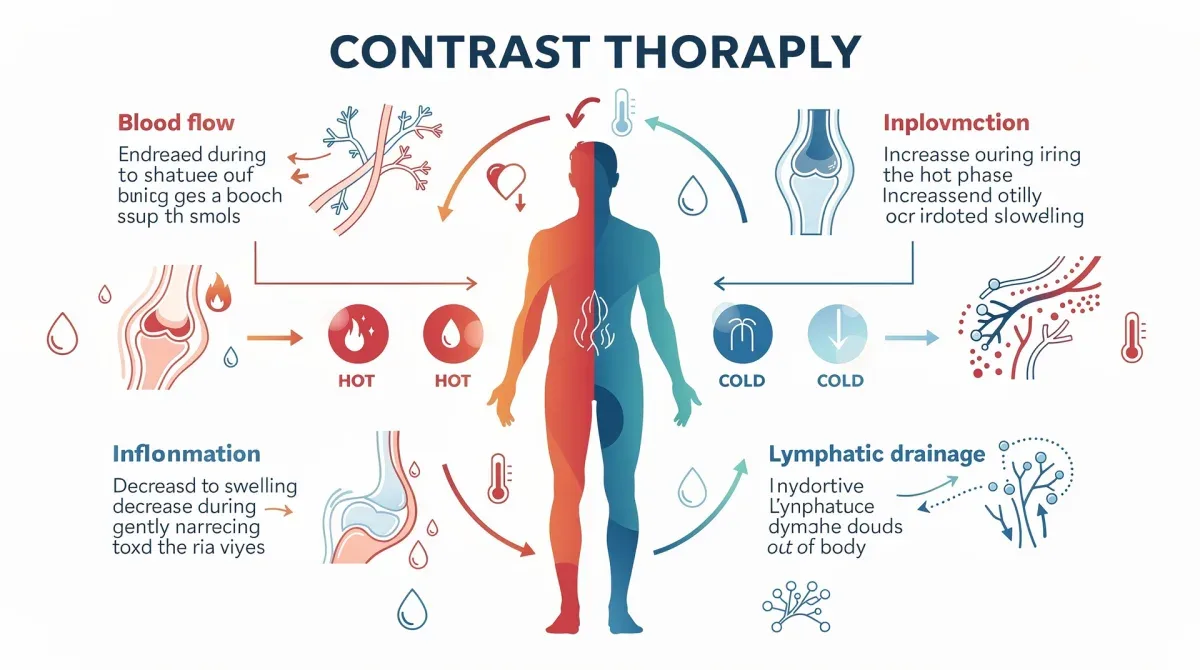
When you immerse yourself in hot water, your blood vessels dilate, increasing blood flow to the muscles and tissues. This brings essential nutrients and oxygen while helping to relax tight muscles. Conversely, cold water immersion causes vasoconstriction, reducing blood flow and inflammation. The subsequent return to hot water then creates a surge of freshly oxygenated blood, flushing out metabolic waste products like lactic acid. This cyclical action is what makes contrast therapy so effective for recovery.
The science behind vascular pumping
The rapid constriction and dilation of blood vessels during contrast therapy create a powerful pumping action. This mechanism, often referred to as a 'vascular pump,' is thought to enhance lymphatic drainage, reducing swelling and the accumulation of waste products in fatigued muscles. This improved circulation is vital for expediting the repair process and alleviating delayed onset muscle soreness (DOMS).
- Vasodilation: Hot water expands blood vessels, increasing nutrient delivery.
- Vasoconstriction: Cold water constricts vessels, reducing inflammation and swelling.
- Lymphatic drainage: The pumping action helps remove metabolic waste.
- Pain modulation: Temperature changes can desensitize pain receptors.
The physiological benefits extend beyond just muscle recovery. Many users report improved mental clarity and a sense of invigoration after a session. The shock of the cold water, in particular, can stimulate the central nervous system, leading to increased alertness and a mood boost. This holistic impact is one of the reasons why nationwide gyms are embracing these protocols.
In essence, contrast therapy is not merely about feeling good; it's about actively facilitating the body's natural healing processes. By understanding and harnessing these physiological responses, individuals can significantly shorten their recovery times and return to training stronger and more resilient.
The rise of 3-to-1 hot-cold ratios in modern gyms
The specific 3-to-1 hot-cold ratio has emerged as a favored protocol due to its optimal balance between therapeutic effect and user comfort. This ratio typically involves three minutes in hot water followed by one minute in cold water, repeated several times. This particular sequence is believed to maximize the vascular pumping effect while making the cold exposure tolerable, especially for those new to contrast therapy.
Gyms across the nation are investing in dedicated contrast therapy zones, equipped with hot tubs, saunas, and cold plunge pools, sometimes even cryotherapy chambers. This commitment reflects a growing understanding among fitness professionals of the critical role recovery plays in overall athletic development and injury prevention. The 3-to-1 ratio strikes a balance, providing enough hot exposure to induce vasodilation and muscle relaxation, followed by a sharp, but brief, cold shock to constrict vessels and reduce inflammation.
Why the 3-to-1 ratio is preferred
While various ratios exist, the 3-to-1 approach is gaining prominence for several practical and scientific reasons. It allows for sufficient time in the heat to elevate core body temperature and promote muscle relaxation without causing excessive discomfort during the cold phase. The shorter cold exposure is intense enough to elicit the desired physiological response without being overly punitive, which can be a barrier for many individuals.

- Optimal vascular response: Balances vasodilation and vasoconstriction.
- Enhanced tolerability: Shorter cold exposure is easier to endure.
- Muscle relaxation: Longer hot phases promote deeper muscle relaxation.
- Practical implementation: Easier for gyms to standardize and guide users.
This standardized approach ensures that gym members receive consistent, effective treatment, regardless of their individual experience with contrast therapy. The clear guidelines provided by the 3-to-1 protocol remove guesswork, making it accessible to a broader audience, from elite athletes to weekend warriors. It's a testament to the fitness industry's dedication to providing evidence-based recovery methods.
The integration of these specific contrast therapy protocols into gym memberships highlights a shift from solely focusing on workout intensity to a more holistic view of physical fitness that equally prioritizes recovery and well-being. This trend is set to redefine how individuals approach their fitness journeys.
Benefits for rapid muscle recovery and performance enhancement
The primary driver behind the widespread adoption of 3-to-1 contrast therapy protocols is their undeniable impact on rapid muscle recovery. Intense training sessions lead to micro-tears in muscle fibers and an accumulation of metabolic byproducts, both of which contribute to muscle soreness and fatigue. Contrast therapy directly addresses these issues, accelerating the body's natural healing processes.
Beyond reducing DOMS, these protocols also contribute to enhanced athletic performance. By promoting faster recovery, athletes can maintain a higher training volume and intensity, leading to quicker adaptation and improved physical capabilities. This is particularly crucial for individuals engaged in high-frequency or high-impact sports where quick turnaround times between training sessions or competitions are essential.
Key recovery advantages
The immediate effects of contrast therapy on recovery are multifaceted. The rapid temperature shifts help to reduce swelling and inflammation, which are common after strenuous exercise. This reduction in inflammation not only alleviates pain but also allows for quicker tissue repair. Furthermore, the improved circulation ensures that damaged tissues receive a fresh supply of oxygen and nutrients, vital for regeneration.
- Reduced DOMS: Less muscle soreness post-exercise.
- Decreased inflammation: Helps in faster tissue healing.
- Improved circulation: Delivers nutrients and removes waste products efficiently.
- Faster tissue repair: Supports the body's natural healing mechanisms.
For athletes, this means not only a quicker return to peak performance but also a reduced risk of overuse injuries. When muscles are properly recovered, they are more resilient and less susceptible to strain. This preventative aspect is as important as the immediate recovery benefits, contributing to long-term athletic health and career longevity.
The psychological benefits should also not be underestimated. Feeling recovered and less sore can significantly boost an athlete's morale and motivation, making them more eager to return to training. This positive feedback loop between physical recovery and mental well-being reinforces the value of contrast therapy as a comprehensive recovery tool.
Implementing contrast therapy: practical considerations for gyms
Implementing effective contrast therapy protocols in nationwide gyms requires careful planning and investment. It's not just about installing hot and cold facilities; it's about creating a safe, accessible, and user-friendly environment that encourages consistent adoption. This involves considering space requirements, water sanitation, user guidance, and staff training to ensure optimal member experience.
Gyms must also consider the logistics of maintaining water temperatures consistently and hygienically. Cold plunge pools, for instance, need to be kept at specific low temperatures, often requiring specialized cooling units. Hot tubs and saunas also demand rigorous cleaning and maintenance schedules to prevent bacterial growth and ensure member safety. These operational details are paramount for the successful integration of contrast therapy.
Designing dedicated recovery zones
Creating a dedicated recovery zone within a gym can significantly enhance the appeal and effectiveness of contrast therapy. These zones should be designed to offer a seamless transition between hot and cold elements, with clear signage and instructions. Privacy, comfortable seating, and access to towels and hydration are also important considerations that contribute to a premium recovery experience.
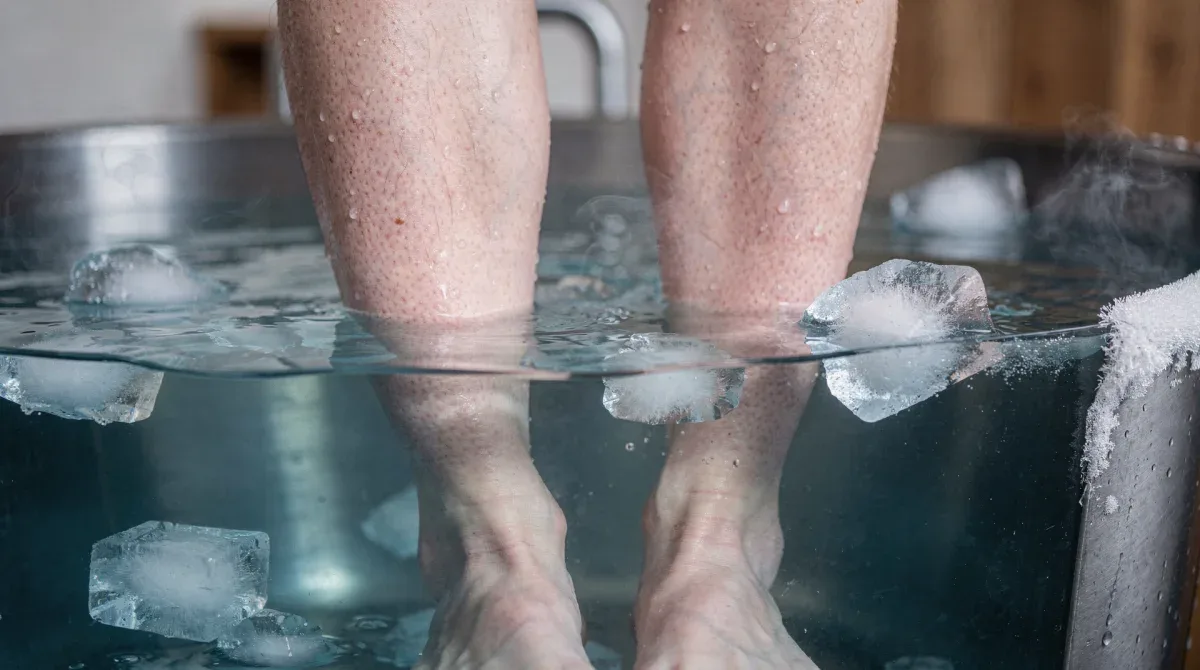
- Adequate space: Sufficient room for hot tubs, cold plunges, and transition areas.
- Temperature control: Reliable systems for maintaining optimal hot and cold temperatures.
- Water hygiene: Robust filtration and sanitation protocols.
- User education: Clear instructions and benefits displayed prominently.
Staff training is another critical component. Gym personnel should be knowledgeable about the benefits of contrast therapy, the proper use of the facilities, and the recommended 3-to-1 protocols. They should be able to answer member questions, provide guidance on session duration, and ensure that all safety guidelines are followed. This expertise builds member confidence and encourages regular participation.
Ultimately, the successful implementation of contrast therapy protocols is about providing a value-added service that distinguishes a gym and supports its members' holistic health and fitness goals. It's an investment that pays dividends in member satisfaction and loyalty.
The scientific backing: evidence supporting 3-to-1 ratios
While anecdotal evidence for contrast therapy has existed for centuries, modern sports science is providing robust data to support its efficacy, particularly for specific protocols like the 3-to-1 hot-cold ratio. Research studies have explored various aspects of contrast therapy, from its effects on muscle soreness and recovery markers to its impact on athletic performance and physiological responses.
Many studies highlight the significant reduction in perceived muscle soreness and improvements in muscle function following contrast therapy compared to passive recovery or single-modality treatments. The unique vascular pumping action induced by alternating temperatures is often cited as the primary mechanism behind these benefits, facilitating faster removal of metabolic waste and better nutrient delivery.
Research findings and mechanisms
A growing body of literature supports the use of contrast therapy for post-exercise recovery. Studies have shown that it can effectively reduce levels of creatine kinase (CK), a marker of muscle damage, and improve range of motion after strenuous exercise. The 3-to-1 ratio, in particular, is often optimized to leverage these physiological responses effectively.
- Reduced muscle damage markers: Lower levels of creatine kinase and lactate dehydrogenase.
- Enhanced blood flow: Improved microcirculation to muscle tissues.
- Decreased edema: Reduction in swelling and fluid accumulation.
- Improved subjective recovery: Athletes report feeling less fatigued and more recovered.
The brief but intense cold exposure followed by a longer warm phase is thought to create a powerful circulatory stimulus that is more effective than either hot or cold therapy alone. This sequential stimulation helps to minimize the inflammatory response while simultaneously promoting the repair and regeneration of muscle tissue. The scientific consensus is leaning towards contrast therapy as a superior recovery modality for many athletes.
Furthermore, the psychological benefits observed by users are also being increasingly recognized in research. The invigorating effect of cold water and the relaxing warmth of hot water contribute to a sense of well-being that can positively influence an athlete's mental state and readiness for subsequent training.
Future outlook: contrast therapy as a standard recovery practice
The trajectory of contrast therapy protocols, especially the 3-to-1 hot-cold ratio, suggests that it is poised to become a standard and indispensable component of athletic recovery. As scientific understanding deepens and gym infrastructure evolves, we can expect to see these protocols integrated even more seamlessly into daily fitness routines, moving beyond being a niche offering to a fundamental expectation.
The emphasis on holistic well-being, injury prevention, and sustained performance is driving this shift. As more individuals recognize the direct link between effective recovery and long-term fitness success, the demand for sophisticated recovery tools like contrast therapy will only grow. Gyms that proactively adopt and optimize these protocols will likely gain a competitive edge in the evolving fitness market.
Innovations and accessibility
Future innovations in contrast therapy might include more personalized protocols based on individual physiological data, wearable technology that monitors recovery metrics, and even more compact and energy-efficient hot and cold immersion units. Making these therapies more accessible, both in terms of cost and convenience, will be key to their widespread adoption.
- Personalized protocols: Tailoring ratios and durations to individual needs.
- Integrated technology: Wearables providing real-time recovery data.
- Home solutions: More affordable and compact units for personal use.
- Education and awareness: Increased understanding among general public.
The role of education will also be crucial. As more gyms implement these systems, there will be an increased need to educate members on the correct usage, the scientific benefits, and how to integrate contrast therapy into their overall training and recovery plans. Workshops, informational sessions, and online resources will play a vital role in empowering users to maximize the benefits.
In conclusion, the future of recovery in the fitness industry looks bright, with contrast therapy protocols, particularly the 3-to-1 hot-cold ratio, leading the charge. This trend signifies a mature approach to fitness that values recovery as much as the workout itself, paving the way for healthier, more resilient athletes and fitness enthusiasts.
| Key Aspect | Brief Description |
|---|---|
| 3-to-1 Ratio | Three minutes hot, one minute cold for optimal vascular pump. |
| Muscle Recovery | Reduces DOMS, inflammation, and accelerates tissue repair. |
| Performance Boost | Allows for higher training volume and intensity. |
| Gym Implementation | Requires dedicated zones, precise temperature control, and staff training. |
Frequently asked questions about contrast therapy
What is the ideal temperature range for hot and cold immersions?▼For hot immersions, temperatures typically range from 100-104°F (38-40°C), while cold immersions are usually between 45-55°F (7-13°C). These ranges are considered effective for eliciting the desired physiological responses for muscle recovery and inflammation reduction, aligning with common gym protocols.
How many cycles of the 3-to-1 hot-cold ratio are recommended?▼Typically, 3-to-1 hot-cold contrast therapy protocols involve 3-5 cycles. A full session might last between 15-20 minutes in total, ensuring sufficient exposure to both temperatures to maximize the vascular pumping effect and facilitate effective recovery post-exercise.
Is contrast therapy suitable for everyone?▼While beneficial for many, contrast therapy is not suitable for everyone. Individuals with certain medical conditions, such as cardiovascular issues, hypertension, or Raynaud's disease, should consult a healthcare professional before trying it. Pregnant women should also seek medical advice to ensure safety.
What are the main benefits of contrast therapy over just cold immersion?▼Contrast therapy offers a distinct advantage over single-modality treatments by creating a 'vascular pump' effect. This alternating constriction and dilation of blood vessels enhances lymphatic drainage and blood flow, which is more effective for removing metabolic waste and delivering nutrients than cold immersion alone.
Can contrast therapy help with injury prevention?▼Yes, by accelerating muscle recovery and reducing inflammation, contrast therapy can play a significant role in injury prevention. Properly recovered muscles are more resilient to stress and less prone to micro-traumas, allowing athletes to maintain consistent training and reduce the risk of overuse injuries over time.
Conclusion
The integration of contrast therapy protocols, particularly the 3-to-1 hot-cold ratio, into nationwide gyms marks a pivotal moment in the fitness industry's approach to recovery. This scientifically supported method offers a powerful tool for accelerating muscle repair, reducing inflammation, and enhancing overall athletic performance. As gyms continue to prioritize holistic well-being, contrast therapy is set to become an indispensable part of every fitness enthusiast's regimen, fostering a culture where recovery is as crucial as the workout itself for achieving sustained health and peak physical condition.
