2026 Wearable Tech: Continuous Lactate Monitoring for 15% Performance Boost
By 2026, wearable technology will pivot towards continuous lactate threshold monitoring, enabling athletes to precisely optimize training zones and unlock a projected 15% performance improvement through real-time physiological insights.
The fitness and athletic world is on the cusp of a significant transformation, with continuous lactate monitoring emerging as the next frontier in wearable technology. This innovative shift promises to redefine how athletes train, offering unprecedented insights into performance optimization and potentially boosting athletic capabilities by as much as 15%.
The lactate threshold revolution in 2026 wearables
In 2026, the convergence of advanced sensor technology and sophisticated data analytics is setting the stage for a revolution in personal fitness. Wearable devices are no longer just tracking steps or heart rate; they are delving into the very biochemical processes that dictate athletic performance, with a particular focus on the lactate threshold.
This paradigm shift is driven by a deeper understanding of human physiology and the limitations of traditional training methods. Athletes have long sought to push their boundaries, but without precise, real-time data on their lactate levels, optimizing training intensity has always been a blend of science and guesswork. The new generation of wearables aims to eliminate that guesswork entirely.
Understanding the lactate threshold
The lactate threshold represents a critical physiological marker for endurance athletes. It's the point at which lactate begins to accumulate in the blood faster than it can be cleared, leading to fatigue and a decrease in performance. Training effectively around this threshold is key to improving endurance and overall athletic capacity.
- Aerobic Zone: Below the lactate threshold, the body primarily uses oxygen to produce energy, allowing for sustained activity.
- Threshold Zone: At the lactate threshold, the body shifts to a higher reliance on anaerobic metabolism, indicating increased intensity.
- Anaerobic Zone: Beyond the threshold, lactate accumulates rapidly, leading to muscle fatigue and eventually requiring a reduction in intensity.
Continuous monitoring provides dynamic feedback, allowing athletes to stay within optimal training zones for longer, thus enhancing their physiological adaptations without overtraining. This precision is what promises the significant performance gains.
The embrace of continuous lactate monitoring in 2026 wearable tech signifies a move towards truly personalized and scientifically-backed training protocols. This advancement allows for a more nuanced approach to conditioning, moving beyond generic recommendations to tailored, real-time adjustments based on individual physiological responses.
From lab to wrist: The technological leap
Historically, measuring lactate levels required invasive blood tests, typically performed in a laboratory setting or during controlled field tests. This made frequent monitoring impractical for the average athlete and even cumbersome for professionals. The breakthrough in 2026 lies in making this sophisticated measurement accessible and non-invasive.
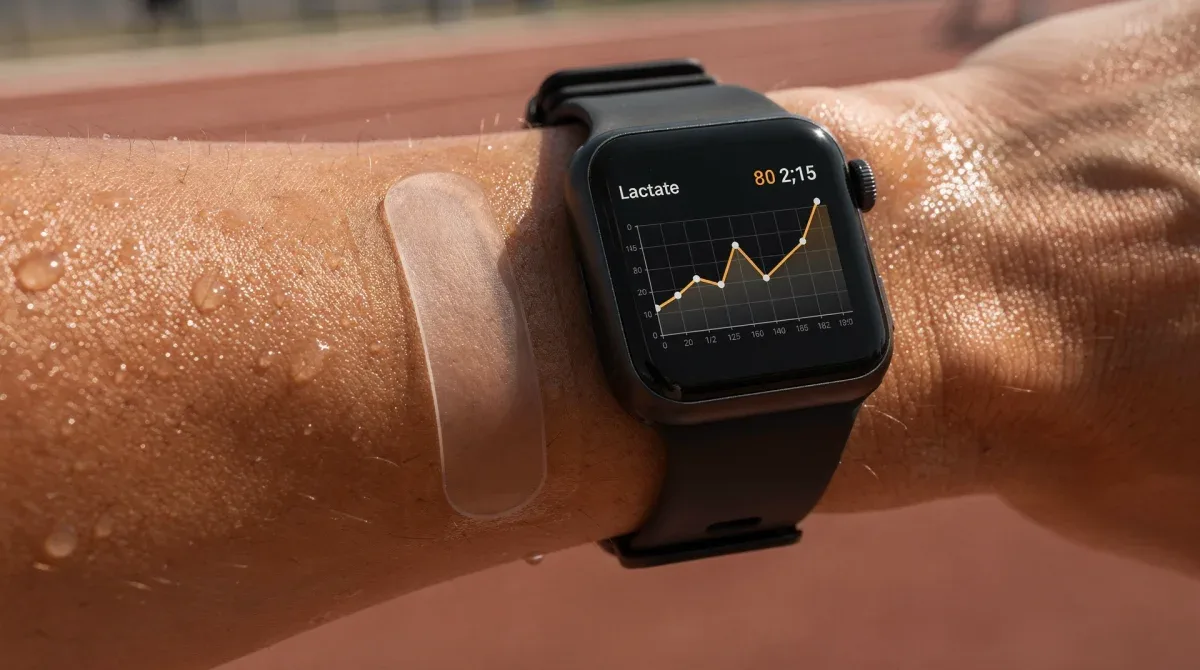
New sensor technologies, often integrated into smartwatches, armbands, or even smart patches, can now detect biochemical markers indicative of lactate accumulation through sweat or interstitial fluid. These sensors are not only accurate but also robust enough to withstand the rigors of intense athletic activity.
Key technological advancements
Several innovations underpin this leap from laboratory to wrist, making continuous lactate monitoring a reality for the masses.
- Biosensor Miniaturization: Sensors have become incredibly small and efficient, allowing for seamless integration into compact wearable devices.
- Advanced Algorithms: Sophisticated AI and machine learning algorithms process raw sensor data, translating it into meaningful and actionable lactate readings.
- Non-Invasive Sampling: The ability to accurately measure lactate via sweat or interstitial fluid eliminates the need for blood draws, making it user-friendly.
- Power Efficiency: These devices are designed to operate for extended periods on minimal power, crucial for continuous monitoring during long training sessions.
These advancements collectively ensure that the data collected is not only precise but also consistently available, providing a true real-time picture of an athlete's physiological state. The ease of access to this data fundamentally changes the dynamic between effort and insight.
The transition of lactate measurement from a clinical procedure to a consumer-grade feature represents a monumental step forward in sports science. It democratizes access to high-level performance insights, making elite training strategies available to a wider audience, from professional athletes to dedicated fitness enthusiasts.

Optimizing training zones for a 15% performance boost
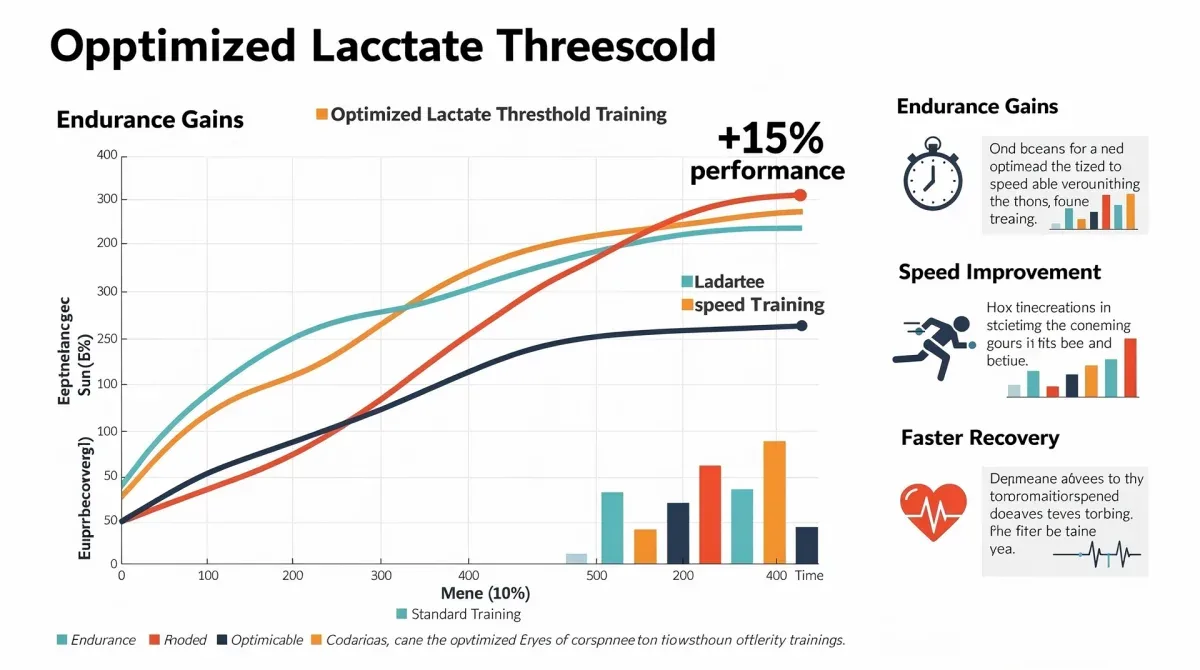
The promise of a 15% performance boost is not an arbitrary figure; it stems from the ability to precisely tailor training intensity based on real-time lactate data. When athletes can consistently train in their optimal zones, avoiding both undertraining and overtraining, their bodies adapt more efficiently and effectively.
Continuous lactate monitoring allows for dynamic adjustment of workouts. If an athlete is pushing too hard, the device can signal to reduce intensity to prevent premature fatigue and excessive lactate buildup. Conversely, if they are not pushing hard enough, it can suggest increasing effort to maximize physiological adaptation.
How precision training works
This level of precision training leverages the body's natural adaptive mechanisms to their fullest potential. Instead of relying on perceived exertion or generalized heart rate zones, athletes receive objective, personalized feedback.
- Real-time Feedback: Devices provide immediate alerts or visual cues when an athlete enters or exits their optimal lactate threshold zone.
- Personalized Programs: Training plans can be dynamically adjusted day-to-day based on the body's actual physiological response, rather than static schedules.
- Improved Recovery: By preventing excessive lactate accumulation, athletes can recover faster, allowing for more consistent high-quality training sessions.
- Enhanced Endurance: Training consistently at or slightly above the lactate threshold helps the body improve its ability to clear lactate, delaying fatigue.
This continuous feedback loop creates a highly responsive training environment, transforming each workout into a finely tuned instrument for performance enhancement. The 15% improvement is a realistic target for athletes who fully embrace and integrate this technology into their routines.
The meticulous optimization of training zones via continuous lactate monitoring elevates athletic preparation from an art to a precise science. This nuanced approach ensures that every minute of training is maximally effective, directly contributing to superior endurance, speed, and overall athletic capability.
Beyond endurance: Applications across sports
While often associated with endurance sports like running, cycling, and swimming, the benefits of continuous lactate monitoring extend far beyond these disciplines. Its applications are surprisingly broad, impacting various sports and even general fitness and health monitoring.
In team sports such as soccer, basketball, or hockey, understanding an athlete's lactate response can inform substitutions, optimize interval training, and prevent fatigue-related injuries. For strength training, it can help identify the optimal number of repetitions and sets before significant lactate accumulation impairs performance or recovery.
Diverse applications of lactate data
The versatility of lactate data makes it invaluable across a spectrum of physical activities.
- Team Sports: Managing player load and ensuring peak performance during critical game moments.
- Strength Training: Optimizing work-to-rest ratios and preventing overtraining in resistance exercises.
- Rehabilitation: Monitoring physiological response during recovery to ensure safe and effective progression.
- General Fitness: Helping individuals understand their body's response to exercise, leading to more effective and sustainable workout routines.
The expansion into these diverse fields underscores the fundamental importance of lactate as a universal marker of metabolic stress and fatigue. Its continuous measurement provides a powerful tool for anyone looking to optimize their physical efforts, regardless of their specific activity.
The widespread utility of continuous lactate monitoring transcends traditional athletic boundaries, offering profound insights for optimizing performance and preventing injury across virtually every physical endeavor. This broad applicability solidifies its status as a cornerstone technology for the future of fitness and sports.
Challenges and the road ahead for lactate monitoring
Despite the immense promise, the widespread adoption of continuous lactate monitoring still faces certain challenges. Accuracy, user comfort, battery life, and data interpretation remain key areas for ongoing development and refinement. Ensuring that these devices are not only precise but also practical for everyday use is paramount.
The industry is actively working on improving sensor stability and calibration, especially in varying environmental conditions. User education is also crucial; athletes need to understand not just how to wear the device, but how to effectively interpret and act upon the data it provides to truly reap the benefits.
Addressing future considerations
Several factors are being addressed to ensure the seamless integration and optimal performance of these advanced wearables.
- Sensor Accuracy: Ongoing research aims to enhance the precision and reliability of non-invasive lactate measurements.
- User Experience: Designing devices that are comfortable, unobtrusive, and easy to integrate into daily routines.
- Battery Life: Extending battery performance to support continuous monitoring over prolonged periods without frequent recharging.
- Data Integration: Developing intuitive platforms that integrate lactate data with other physiological metrics for a holistic performance view.
Overcoming these hurdles will pave the way for continuous lactate monitoring to become a standard feature in high-performance wearables, making its benefits accessible to an even broader audience. The iterative process of technological refinement is essential for long-term success.
While challenges persist, the trajectory for continuous lactate monitoring is clear: continuous innovation will address current limitations, driving widespread adoption and cementing its role as an indispensable tool for performance optimization. The future promises even more refined and user-friendly solutions.
The future impact on athletic development and health
The long-term impact of continuous lactate monitoring on athletic development and general health cannot be overstated. By providing unprecedented insights into individual physiological responses, this technology will enable a new era of highly personalized training and preventive health strategies.
Athletes will be able to train smarter, not just harder, reducing the risk of overtraining, injuries, and burnout. For the general population, it offers a powerful tool for understanding their body's limits and optimizing their exercise routines for better health outcomes and sustained well-being. This creates a proactive approach to fitness.
Transformative benefits for all
The implications of this technology extend beyond competitive sports, offering significant advantages for anyone engaged in physical activity.
- Injury Prevention: Real-time data helps identify fatigue before it leads to injury, allowing for timely intervention.
- Personalized Wellness: Tailored exercise recommendations based on individual metabolic responses promote sustained health.
- Enhanced Longevity: Optimized training contributes to a healthier, more active lifestyle well into old age.
- Faster Progression: Efficient training leads to quicker attainment of fitness goals, fostering motivation and consistency.
Ultimately, continuous lactate monitoring represents a fundamental shift in our relationship with exercise and our bodies. It empowers individuals with the knowledge to make informed decisions about their physical activity, leading to improved performance, better health, and a greater overall quality of life.
The profound impact of continuous lactate monitoring will reshape athletic development and public health by fostering highly personalized, data-driven approaches to exercise. This will lead to superior performance, reduced injury rates, and a more informed, proactive approach to lifelong well-being.
| Key Aspect | Brief Description |
|---|---|
| Core Trend 2026 | Wearable tech shifts focus to continuous lactate threshold monitoring for performance. |
| Performance Boost | Expected 15% improvement in athletic performance through optimized training. |
| Technological Leap | Non-invasive biosensors and AI algorithms enable real-time lactate measurement. |
| Broad Applications | Benefits extend to endurance, team sports, strength training, and general fitness. |
Frequently asked questions about continuous lactate monitoring
What is continuous lactate monitoring?▼Continuous lactate monitoring refers to the real-time tracking of lactate levels in an athlete's body using non-invasive wearable technology. This allows for dynamic adjustments to training intensity, helping athletes stay within optimal physiological zones to maximize performance gains and prevent fatigue or overtraining.
How can continuous lactate monitoring improve performance by 15%?▼The 15% performance boost comes from precisely optimizing training zones. By continuously monitoring lactate, athletes can avoid undertraining or overtraining, ensuring every workout is maximally effective. This leads to more efficient physiological adaptations, enhanced endurance, faster recovery, and ultimately, superior athletic output.
What kind of wearable tech will feature this technology in 2026?▼In 2026, continuous lactate monitoring will be integrated into advanced smartwatches, specialized armbands, and smart patches. These devices will utilize miniaturized biosensors and sophisticated AI algorithms to accurately measure lactate through sweat or interstitial fluid, making the technology accessible and practical for everyday use by athletes.
Is continuous lactate monitoring only for elite athletes?▼While highly beneficial for elite athletes, continuous lactate monitoring is becoming increasingly accessible to a broader audience. Fitness enthusiasts, individuals in rehabilitation, and participants in various team sports can all leverage this technology to optimize their training, prevent injuries, and improve their general health and well-being.
What are the main challenges for this technology's widespread adoption?▼Key challenges include ensuring sensor accuracy and stability across diverse conditions, enhancing user comfort and battery life, and developing intuitive ways for users to interpret complex data. Ongoing research and development are focused on overcoming these hurdles to make continuous lactate monitoring a seamless and indispensable tool for fitness.
Conclusion
The evolution of wearable technology towards continuous lactate threshold monitoring in 2026 marks a pivotal moment in athletic training and personal fitness. This innovation promises not just incremental gains, but a substantial 15% performance boost by providing athletes with unprecedented, real-time physiological insights. As these devices become more sophisticated and accessible, they will empower individuals to train smarter, recover faster, and unlock their full athletic potential, fundamentally reshaping how we approach physical activity and well-being. The future of fitness is data-driven, personalized, and continuously optimized.
