FDA Clears First Continuous Lactate & Hydration Wearables
The FDA's groundbreaking clearance of continuous lactate and hydration wearables in 2026 is set to revolutionize commercial fitness tracking, enabling real-time physiological insights for unparalleled athletic performance and well-being optimization.
The landscape of personal fitness is on the cusp of a monumental transformation with the recent announcement that the FDA Clears First Continuous Lactate and Hydration Wearables for Commercial Fitness Tracking in 2026. This landmark decision opens new frontiers for athletes, fitness enthusiasts, and everyday individuals seeking to optimize their health and performance with unprecedented precision and real-time data.
The dawn of real-time physiological insights
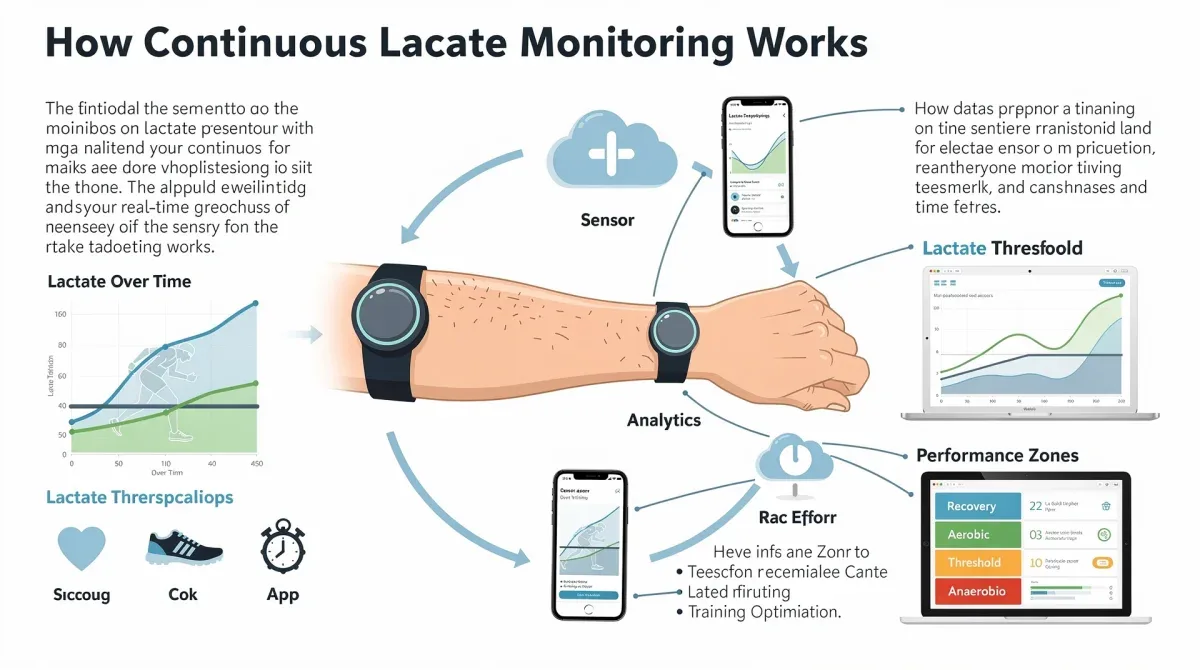
The approval of continuous lactate and hydration wearables marks a significant leap forward from traditional fitness trackers. No longer will individuals rely on generalized metrics or post-exercise blood tests for critical physiological data. These new devices promise to deliver real-time, actionable insights directly to the user.
This advancement means a paradigm shift in how we approach training, recovery, and overall wellness. Imagine knowing your precise lactate threshold during a run or your hydration status throughout a strenuous workout, all without interruption. This level of detail empowers users to make immediate, informed decisions about their physical activity.
Understanding lactate and its importance
- Lactate Threshold: This is the point during exercise where lactate begins to accumulate in the bloodstream faster than it can be removed. Knowing this is crucial for optimizing endurance training.
- Performance Indicator: Lactate levels are a direct indicator of metabolic stress and fatigue, providing valuable feedback for pacing and intensity.
- Training Zones: Continuous monitoring allows athletes to train more effectively within specific lactate zones, maximizing gains and minimizing overtraining.
The ability to continuously monitor lactate offers a dynamic view of an individual's metabolic state, allowing for personalized training adjustments that were once only available in high-performance labs. This continuous feedback loop ensures that every workout is as efficient and effective as possible, pushing boundaries safely.
In essence, the real-time feedback from these wearables transforms abstract physiological concepts into tangible, actionable data points. This makes elite-level training insights accessible to a broader audience, democratizing performance optimization.
Hydration: The overlooked pillar of performance
While lactate often takes center stage in performance discussions, hydration is equally, if not more, critical for optimal physical and cognitive function. These new wearables are set to revolutionize how we understand and manage our fluid intake, moving beyond simple water bottle reminders.
Dehydration, even in mild forms, can significantly impair physical performance, reduce cognitive function, and increase the risk of injury. Traditional methods of tracking hydration, such as urine color charts or subjective thirst, are often reactive and imprecise. Continuous hydration monitoring offers a proactive solution.
How continuous hydration monitoring works
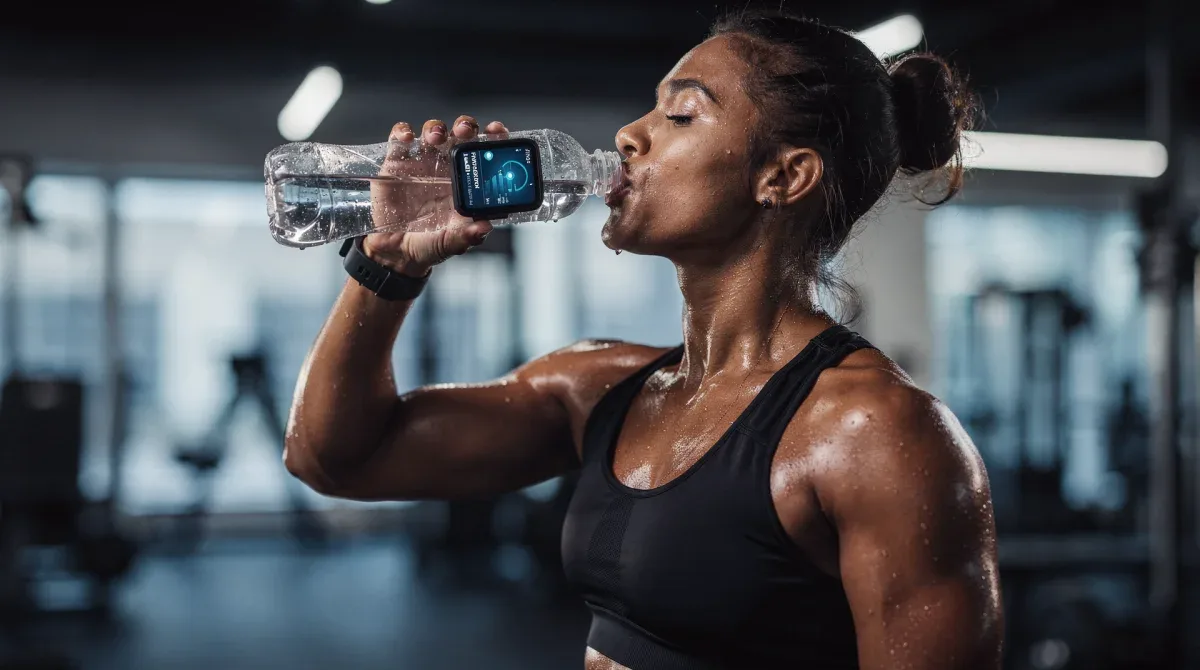
These devices typically utilize advanced sensor technology to non-invasively measure key biomarkers related to fluid balance. This could involve skin conductance, sweat analysis, or other bioimpedance methods, providing a constant stream of data about the body's hydration levels.
- Personalized Alerts: Users receive real-time alerts when their hydration levels drop below an optimal threshold, prompting immediate fluid intake.
- Sweat Rate Analysis: Some wearables can estimate individual sweat rates, allowing for tailored rehydration strategies during and after exercise.
- Electrolyte Balance: Advanced sensors may even provide insights into electrolyte loss, crucial for preventing cramping and optimizing recovery.
The implications for athletes are profound. Imagine a marathon runner receiving a notification to drink more water before symptoms of dehydration even begin to manifest. This proactive approach can be the difference between hitting a personal best and hitting the wall.

Beyond athletes, anyone engaging in physical activity, working in hot environments, or simply striving for better overall health can benefit immensely from this technology. It transforms hydration from a passive habit into an actively managed physiological process, ensuring the body operates at its peak.
FDA clearance: A stamp of reliability and safety
The FDA's clearance of these wearables is not merely a formality; it signifies a rigorous evaluation process confirming their accuracy, safety, and efficacy for commercial fitness tracking. This regulatory approval provides a crucial layer of trust and credibility for consumers.
Before this clearance, many fitness wearables operated outside strict medical device regulations, leading to varying degrees of accuracy and reliability. The FDA's involvement ensures that these new devices meet high standards, distinguishing them from less validated alternatives.
What FDA clearance means for consumers and industry
- Increased Trust: Consumers can have greater confidence in the data provided by these devices, knowing they have met stringent regulatory requirements.
- Market Expansion: The clearance opens doors for broader adoption in clinical settings, sports medicine, and corporate wellness programs, beyond just individual fitness.
- Innovation Catalyst: This regulatory certainty will likely spur further investment and innovation in the wearable technology space, leading to even more advanced physiological monitoring solutions.
The FDA's role in this process is to protect public health by ensuring the safety and effectiveness of medical devices. While these wearables are cleared for 'commercial fitness tracking' rather than medical diagnostics, the rigorous review sets a high bar for performance data accuracy.
This clearance also provides a clear framework for manufacturers, guiding them in developing future iterations of these technologies. It fosters a competitive yet regulated environment, ultimately benefiting the end-user with more reliable and impactful products.
Impact on commercial fitness tracking in 2026 and beyond
The introduction of continuous lactate and hydration wearables is poised to fundamentally alter the commercial fitness landscape. From personal training to group fitness classes and corporate wellness programs, the applications are vast and transformative.
Personal trainers will be able to offer hyper-personalized training programs based on real-time physiological responses, moving beyond generic workout plans. This data-driven approach allows for immediate adjustments, ensuring clients are always training optimally and safely.
Revolutionizing personal training and coaching
Coaches can now move from reactive adjustments to proactive interventions. If a client's lactate levels are consistently too high too early in a session, the trainer can immediately modify the intensity or suggest a different exercise to prevent overtraining and promote better adaptation.
- Tailored Workouts: Programs can be dynamically adjusted based on individual physiological responses, maximizing effectiveness.
- Injury Prevention: By monitoring stress markers like lactate, trainers can identify early signs of overexertion, reducing injury risk.
- Enhanced Client Engagement: Real-time data provides tangible proof of progress and areas for improvement, keeping clients motivated and informed.
In group fitness settings, instructors can utilize aggregated, anonymized data to gauge the overall intensity and hydration status of the class, making real-time adjustments to the workout or prompting group hydration breaks. This creates a more responsive and effective group experience.
Corporate wellness programs will also see immense benefits. By integrating these wearables, companies can promote healthier habits, reduce health-related costs, and boost productivity by empowering employees with tools for better self-management of their physical well-being.
Bridging the gap: From elite sports to everyday fitness
Historically, continuous lactate and advanced hydration monitoring have been the exclusive domain of elite athletes, supported by sports scientists and expensive lab equipment. The FDA's clearance democratizes access to these powerful insights, making them available to the general public.
This accessibility means that an amateur runner preparing for a local 10K can now train with the same physiological precision as a professional athlete. This levels the playing field, empowering individuals to reach their full potential regardless of their athletic background.
Empowering individual health and performance
The technology goes beyond just athletic performance. For individuals managing chronic conditions or simply aiming for a healthier lifestyle, these wearables offer invaluable data for understanding their body's responses to daily activities, diet, and stress.
- Personalized Health Management: Individuals can gain deeper insights into how their body responds to various stressors and activities.
- Motivation and Adherence: Real-time data and actionable feedback can significantly boost motivation and adherence to fitness routines.
- Proactive Wellness: Moving from reactive health management to proactive wellness, preventing issues before they arise.
The implications for preventive health are significant. By continuously monitoring key physiological markers, individuals can identify patterns and make lifestyle adjustments that contribute to long-term well-being and disease prevention. This represents a proactive shift in personal health management.
This widespread availability of sophisticated physiological data will undoubtedly foster a more informed and engaged population regarding their health. It shifts the focus from external metrics to internal physiological understanding, leading to more sustainable and effective health practices.
Challenges and future outlook for wearable technology
While the FDA's clearance is a monumental step, the journey for these wearables is not without its challenges. Ensuring widespread adoption, addressing data privacy concerns, and continuously improving accuracy and user experience will be critical for their long-term success.
One significant challenge will be educating the general public on how to interpret and effectively utilize the complex physiological data these devices provide. User-friendly interfaces and clear, actionable recommendations will be paramount to prevent information overload.
Key considerations for widespread adoption
- Data Interpretation: Developing intuitive apps and platforms that translate complex data into easily understandable insights.
- Privacy and Security: Ensuring robust data protection measures to safeguard sensitive personal health information.
- Cost and Accessibility: Making these advanced technologies affordable and accessible to a broad demographic.
- Integration with Ecosystems: Seamless integration with existing health and fitness platforms and smart devices.
The future outlook, however, is incredibly promising. As technology advances, we can expect these wearables to become even smaller, more comfortable, and capable of monitoring an even wider array of physiological parameters. Imagine devices that can predict illness, optimize sleep, or even monitor mental stress in real-time.
The continuous innovation in sensor technology, artificial intelligence, and data analytics will undoubtedly lead to devices that are not just fitness trackers but comprehensive personal health guardians. The FDA's clearance is merely the opening chapter in this exciting technological evolution, promising a healthier, more optimized future for all.
| Key Aspect | Brief Description |
|---|---|
| FDA Clearance | First regulatory approval for continuous lactate and hydration wearables, ensuring reliability. |
| Lactate Monitoring | Real-time tracking of lactate levels for optimized endurance training and performance. |
| Hydration Tracking | Continuous monitoring of fluid balance to prevent dehydration and enhance recovery. |
| Commercial Impact | Revolutionizes personal training, corporate wellness, and general fitness tracking. |
Frequently asked questions about continuous wearables
What does FDA clearance mean for these new wearables?▼FDA clearance signifies that these continuous lactate and hydration wearables have undergone rigorous review and are deemed safe and effective for their intended use in commercial fitness tracking, providing a benchmark for reliability and accuracy for consumers.
How will continuous lactate monitoring improve my workouts?▼Continuous lactate monitoring allows you to track your lactate threshold in real-time, enabling precise adjustments to your workout intensity. This helps optimize training zones, prevent overtraining, and improve endurance, leading to more efficient and effective performance gains.
Why is continuous hydration tracking important?▼Continuous hydration tracking provides real-time alerts and insights into your fluid balance, helping to prevent dehydration. Optimal hydration is crucial for physical performance, cognitive function, and injury prevention, ensuring your body operates at its peak during exercise and daily activities.
Are these wearables suitable for non-athletes?▼Absolutely. While beneficial for athletes, these wearables offer valuable insights for anyone seeking to improve their general health, manage energy levels, and enhance overall well-being. They provide personalized data to make informed decisions about daily activity and lifestyle.
What is the expected availability of these devices?▼Following the FDA's clearance, these continuous lactate and hydration wearables are expected to become commercially available for fitness tracking in 2026. This timeline allows manufacturers to scale production and integrate the technology into consumer-ready products.
Conclusion
The FDA's clearance of the first continuous lactate and hydration wearables for commercial fitness tracking in 2026 marks a pivotal moment in the evolution of personal health technology. This groundbreaking development promises to democratize access to sophisticated physiological data, empowering individuals from elite athletes to everyday fitness enthusiasts with unprecedented insights into their bodies' performance and needs. By providing real-time, accurate information on lactate levels and hydration status, these devices will enable highly personalized training, proactive wellness management, and a new era of informed decision-making in fitness. As we move into 2026 and beyond, these wearables are poised to transform how we understand, optimize, and engage with our physical well-being, fostering a healthier and more performance-driven society.
