Is Intermittent Fasting Still Effective? 2026 Metabolic Research
Intermittent fasting, particularly the 16:8 method, remains a relevant health strategy, with 2026 metabolic research affirming its potential benefits for weight management, metabolic health, and cellular repair, provided it's practiced safely and sustainably.
The question of whether intermittent fasting effectiveness holds up in the face of new scientific scrutiny is a common one. As we look to 2026, metabolic research continues to shed light on the enduring benefits and evolving understanding of practices like the 16:8 eating window. This article delves into the latest findings, separating fact from fiction and offering a comprehensive perspective on its role in modern health.
Unpacking the 16:8 Intermittent Fasting Protocol in 2026
The 16:8 intermittent fasting protocol, where individuals fast for 16 hours and consume all their meals within an 8-hour eating window, has been a cornerstone of many health and wellness routines for years. In 2026, its popularity persists, driven by ongoing research that refines our understanding of its mechanisms and practical applications. This section explores what makes 16:8 a continuously relevant strategy.
New studies are emphasizing the importance of consistency and individual response to the 16:8 method. While the general principle remains constant, the optimal timing of the eating window can vary significantly from person to person, influenced by circadian rhythms, lifestyle, and specific health goals. This personalized approach is a growing theme in metabolic health research.
The Science Behind the 16:8 Window
At its core, the 16:8 protocol leverages the body's natural metabolic shifts. During the fasting period, the body transitions from burning glucose for energy to burning stored fat, a state known as ketosis. This metabolic flexibility is thought to be a key driver of many observed health benefits.
- Glycogen Depletion: The 16-hour fast typically depletes liver glycogen stores, prompting the body to tap into fat reserves.
- Insulin Sensitivity: Extended fasting periods can improve insulin sensitivity, which is crucial for blood sugar regulation and preventing type 2 diabetes.
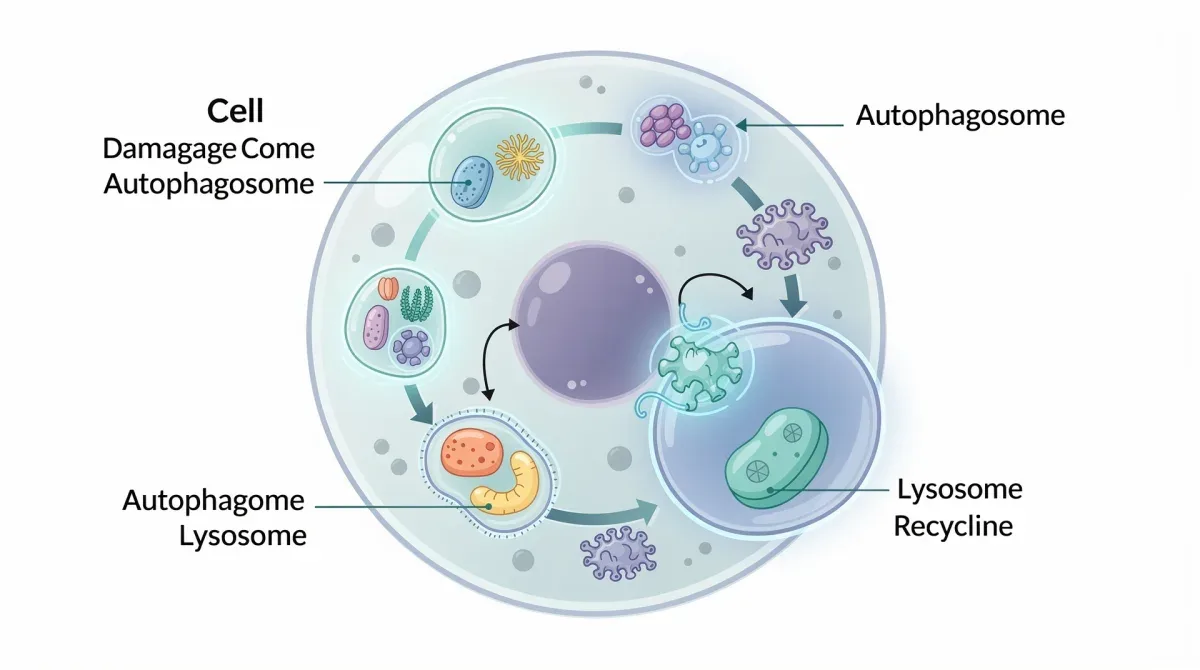
- Cellular Repair: Autophagy, a process where cells clean out damaged components, is enhanced during fasting, contributing to cellular rejuvenation and potentially longevity.
The 8-hour eating window allows for adequate nutrient intake without the constant influx of food that can keep insulin levels elevated. This balance is critical for maximizing the benefits of the fasting period while ensuring the body receives necessary macro and micronutrients.
In conclusion, the 16:8 protocol continues to be a robust framework for intermittent fasting. Its enduring appeal is supported by a growing body of research that not only confirms its foundational principles but also highlights the nuances of individual responses and the importance of a tailored approach to maximize its metabolic advantages.
Metabolic Adaptations: What 2026 Research Reveals
Understanding the intricate metabolic adaptations that occur during intermittent fasting is crucial to appreciating its effectiveness. Recent 2026 research has provided deeper insights into how the body responds to periods of caloric restriction, particularly concerning energy substrate utilization, hormone regulation, and cellular processes. These findings help to solidify the scientific basis for intermittent fasting.
One of the most significant areas of focus in 2026 metabolic research is the impact of intermittent fasting on mitochondrial function. Mitochondria, often referred to as the powerhouses of the cell, play a critical role in energy production. Studies are now showing that fasting can enhance mitochondrial biogenesis and efficiency, leading to improved cellular energy dynamics and overall metabolic health.
Hormonal Responses and Their Implications
Intermittent fasting profoundly influences several key hormones that regulate metabolism, appetite, and stress response. The interplay of these hormones is a major determinant of how effective fasting is for various health outcomes.
- Insulin: Fasting significantly lowers insulin levels, allowing the body to access stored fat for energy and improving insulin sensitivity.
- Growth Hormone: Levels of human growth hormone (HGH) can increase during fasting, which is beneficial for fat loss and muscle preservation.
- Norepinephrine: This hormone, also known as noradrenaline, is elevated during fasting, increasing metabolic rate and promoting fat burning.
Beyond these, newer research is exploring the impact of fasting on ghrelin (the hunger hormone) and leptin (the satiety hormone), finding that with consistent practice, individuals often experience a normalization of these signals, leading to reduced cravings and better appetite control. This hormonal rebalancing is a critical aspect of sustained weight management and metabolic health.
In summary, 2026 metabolic research continues to unravel the complex and beneficial adaptations the body undergoes during intermittent fasting. From enhanced mitochondrial function to optimized hormonal regulation, these insights underscore why intermittent fasting, particularly the 16:8 window, remains a powerful tool for improving metabolic health and overall well-being.
Weight Management: Beyond Calorie Restriction
While calorie restriction is often cited as the primary mechanism for weight loss with intermittent fasting, 2026 research suggests a more nuanced picture. The effectiveness of intermittent fasting for weight management extends beyond simply eating less; it involves complex metabolic shifts that optimize fat burning and improve body composition. This section explores these deeper mechanisms.
Emerging data indicates that the timing of meals within the 8-hour window can significantly impact weight loss outcomes. Consuming meals earlier in the day, aligning with the body's natural circadian rhythm, appears to offer greater benefits for fat loss and metabolic flexibility compared to later eating windows. This highlights the importance of not just when you eat, but also when your body is biologically primed to process food most efficiently.
Enhanced Fat Oxidation and Body Composition
One of the key advantages of intermittent fasting for weight management is its ability to promote fat oxidation. During the fasting period, as glycogen stores are depleted, the body switches to burning fat for fuel. This sustained period of fat burning can lead to reductions in body fat percentage and improvements in body composition.
Furthermore, the increase in growth hormone levels during fasting, coupled with improved insulin sensitivity, helps to preserve lean muscle mass while promoting fat loss. This is a crucial distinction from traditional continuous calorie restriction, which can sometimes lead to a loss of muscle along with fat.
- Metabolic Switching: The body's ability to seamlessly switch between burning glucose and fat is enhanced, leading to more efficient energy utilization.
- Reduced Fat Storage: Lower insulin levels during fasting minimize the body's tendency to store fat, especially in the abdominal region.
- Appetite Regulation: Over time, intermittent fasting can help regulate hunger hormones, leading to a natural reduction in overall calorie intake without conscious effort.
The combination of these factors — enhanced fat oxidation, muscle preservation, and improved appetite control — positions intermittent fasting as a potent strategy for sustainable weight management that goes beyond simple caloric deficit. The 2026 research reinforces that its effectiveness lies in these intricate metabolic adjustments.
In conclusion, intermittent fasting's role in weight management is multifaceted, extending far beyond the basic concept of eating less. The metabolic adaptations it induces, including enhanced fat oxidation, muscle preservation, and improved appetite regulation, are key drivers of its success. This deeper understanding, supported by 2026 research, allows for more targeted and effective application of fasting protocols for achieving and maintaining a healthy weight.
Beyond Weight Loss: Broader Health Benefits
While weight loss is a commonly sought-after benefit of intermittent fasting, 2026 metabolic research continues to uncover a wider array of health advantages that extend far beyond shedding pounds. These benefits encompass improved cardiovascular health, enhanced brain function, and potential anti-aging effects, solidifying intermittent fasting's place as a holistic wellness strategy.
A significant area of interest in recent studies is the impact of intermittent fasting on the gut microbiome. Emerging evidence suggests that fasting can positively modulate gut bacteria composition, leading to improved digestive health, reduced inflammation, and potentially influencing mood and immunity. This connection between fasting and gut health adds another layer to its comprehensive benefits.
Cardiovascular and Brain Health Enhancements
Intermittent fasting has shown promising results in improving various markers of cardiovascular health. By reducing inflammation, improving blood pressure, and lowering levels of 'bad' LDL cholesterol and triglycerides, fasting contributes to a healthier heart and reduced risk of chronic diseases.
For brain health, the benefits are equally compelling. Fasting can stimulate the production of brain-derived neurotrophic factor (BDNF), a protein that promotes the growth of new neurons and protects existing ones. This neuroprotective effect may enhance cognitive function, improve memory, and potentially reduce the risk of neurodegenerative diseases like Alzheimer's and Parkinson's.
- Reduced Oxidative Stress: Fasting helps to combat oxidative stress, a key contributor to aging and chronic diseases, by enhancing the body's antioxidant defenses.
- Inflammation Reduction: Chronic inflammation is linked to numerous health issues. Intermittent fasting has been shown to reduce systemic inflammation markers.
- Longevity Pathways: Activation of cellular pathways like mTOR and AMPK during fasting is associated with increased lifespan and improved cellular resilience.
The cumulative effect of these benefits underscores that intermittent fasting is not merely a diet but a metabolic intervention with far-reaching positive impacts on various physiological systems. The 2026 research continues to strengthen the evidence for its broader health-promoting properties.
In conclusion, the health benefits of intermittent fasting extend significantly beyond weight loss. From enhancing cardiovascular and brain health to positively influencing the gut microbiome and activating longevity pathways, the practice offers a holistic approach to well-being. This multifaceted impact, increasingly supported by 2026 metabolic research, highlights its potential as a powerful tool for improving overall health and quality of life.
Optimizing Your 16:8 Window: Practical Considerations
Implementing the 16:8 intermittent fasting protocol effectively requires more than just adhering to the fasting and eating windows; it involves practical considerations that optimize results and ensure sustainability. In 2026, personalized approaches and attention to dietary quality within the eating window are paramount for maximizing the benefits of intermittent fasting.
One crucial aspect that 2026 research emphasizes is the importance of nutrient density during the 8-hour eating window. Simply restricting food to a specific timeframe without paying attention to what is consumed can undermine the metabolic advantages. Focusing on whole, unprocessed foods rich in protein, healthy fats, and complex carbohydrates is essential for supporting energy levels, satiety, and overall health.
Meal Timing and Exercise Integration
The timing of your meals within the 8-hour window can significantly influence your energy levels and adherence. Many individuals find success by skipping breakfast and having their first meal around noon, concluding their eating by 8 PM. However, others prefer an earlier eating window, such as 9 AM to 5 PM, particularly if they engage in evening workouts.
Integrating exercise with intermittent fasting also requires careful planning. While some prefer to work out in a fasted state, others find it more beneficial to exercise closer to their eating window. Listening to your body and experimenting with different timings is key to finding what works best for your individual energy needs and fitness goals.
- Hydration: Maintaining adequate hydration during the fasting window is crucial. Water, black coffee, and plain tea are acceptable and can help manage hunger.
- Electrolytes: Especially during longer fasting periods or intense exercise, monitoring and replenishing electrolytes can prevent symptoms like headaches and fatigue.
- Sleep Quality: Ensuring sufficient, high-quality sleep is vital, as it impacts hormone regulation, appetite, and overall metabolic health, complementing the benefits of fasting.
The goal is to create a sustainable routine that aligns with your lifestyle and health objectives. This includes being flexible when necessary and avoiding an overly rigid approach that could lead to burnout or nutrient deficiencies. The practical application of intermittent fasting is as important as the scientific principles behind it.
In conclusion, optimizing your 16:8 intermittent fasting window involves more than just timing your meals. It requires a thoughtful approach to nutrient intake, strategic integration with exercise, and careful attention to hydration, electrolytes, and sleep. By considering these practical aspects, individuals can enhance the effectiveness of their fasting protocol and achieve sustainable health benefits, as highlighted by current research.
Potential Challenges and Who Should Be Cautious
While intermittent fasting offers numerous health benefits, it is not suitable for everyone, and certain individuals should approach it with caution or avoid it altogether. 2026 research continues to refine our understanding of contraindications and potential challenges, emphasizing the importance of individualized assessment and professional guidance. Recognizing these limitations is crucial for safe and effective implementation.
One significant challenge for some individuals is managing initial hunger pangs and potential fatigue during the adaptation phase. While these symptoms often subside as the body becomes more metabolically flexible, they can be a deterrent for newcomers. Patience and gradual adaptation are key, rather than immediately jumping into a strict 16:8 regimen.
Groups Who Should Exercise Caution
Certain populations are at higher risk of adverse effects from intermittent fasting. It is imperative for these individuals to consult with a healthcare professional before attempting any fasting protocol.
- Pregnant or Breastfeeding Women: The nutritional demands during pregnancy and lactation are high, making fasting potentially detrimental to both mother and baby.
- Individuals with a History of Eating Disorders: Intermittent fasting can trigger or exacerbate disordered eating patterns in vulnerable individuals.
- People with Diabetes (especially Type 1) or on Blood Sugar-Lowering Medications: Fasting can lead to dangerous fluctuations in blood sugar levels, requiring strict medical supervision.
- Children and Adolescents: Growing bodies have unique nutritional needs that may not be met with restricted eating windows.
- Individuals with Certain Medical Conditions: Those with adrenal fatigue, thyroid dysfunction, or other chronic conditions should seek medical advice.
Moreover, individuals experiencing high levels of chronic stress may find that fasting exacerbates their stress response, leading to elevated cortisol levels. For these individuals, focusing on stress reduction and consistent meal patterns might be more beneficial initially.
Understanding these potential challenges and contraindications is vital for ensuring that intermittent fasting is a safe and beneficial practice. While its effectiveness is well-documented for many, it is not a universal solution, and a personalized approach under professional guidance is always recommended for at-risk groups.
In conclusion, despite its widespread benefits, intermittent fasting presents potential challenges and is not universally suitable. Individuals who are pregnant or breastfeeding, have a history of eating disorders, suffer from diabetes, or have certain medical conditions should exercise extreme caution and seek professional medical advice. Recognizing these limitations ensures that intermittent fasting is applied safely and effectively, avoiding potential adverse health outcomes.
The Future of Intermittent Fasting: Trends for 2026 and Beyond
The landscape of health and nutrition is constantly evolving, and intermittent fasting is no exception. As we move further into 2026 and beyond, research trends suggest a more personalized, technologically integrated, and nuanced approach to fasting. The focus is shifting from a one-size-fits-all model to highly tailored protocols that consider individual genetics, lifestyle, and health goals.
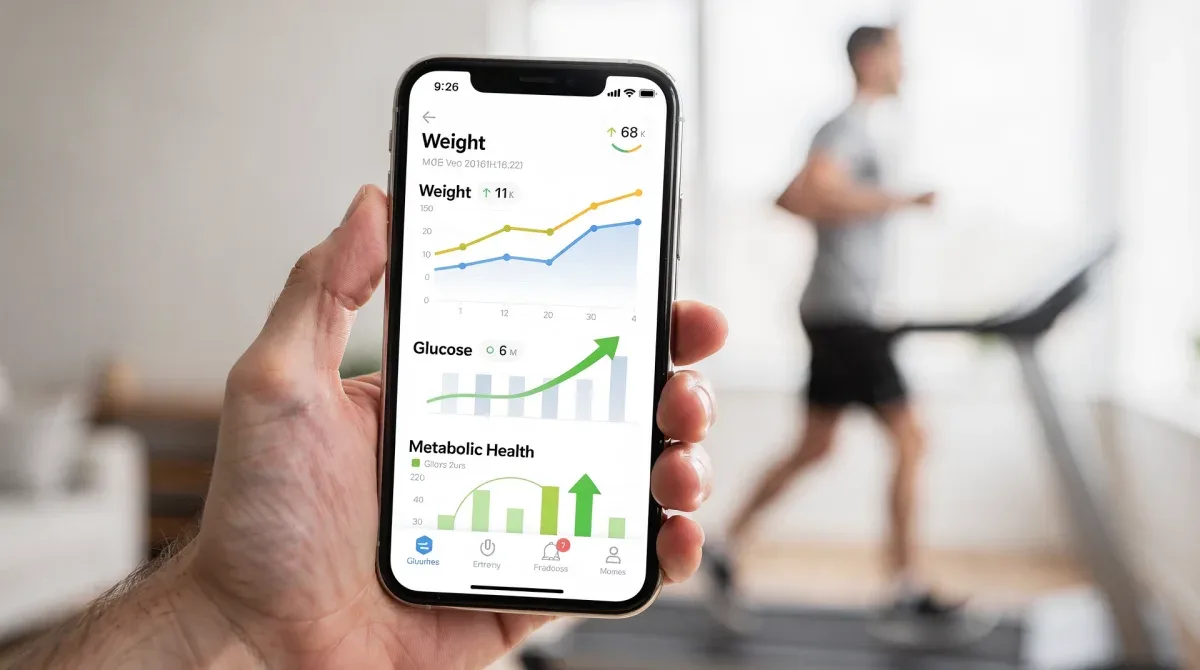
One of the most exciting trends is the integration of AI and wearable technology to optimize fasting protocols. Smart devices that monitor glucose levels, sleep patterns, and activity can provide real-time feedback, allowing individuals to adjust their fasting windows and eating patterns for maximum metabolic benefit. This data-driven approach promises to make intermittent fasting even more effective and accessible.
Personalized Fasting and Circadian Rhythms
The future of intermittent fasting will increasingly emphasize personalized nutrition. Genetic testing and microbiome analysis may soon provide insights into an individual's optimal fasting duration and eating window, taking into account their unique metabolic profile. This level of customization will move beyond generic protocols to highly specific recommendations.
Furthermore, the interplay between intermittent fasting and circadian rhythms is gaining significant attention. Aligning eating windows with the body's natural sleep-wake cycle is proving to enhance metabolic health, improve sleep quality, and boost overall well-being. This chrononutrition approach will likely become a standard recommendation in future fasting guidelines.
- Microbiome Research: Ongoing studies will deepen our understanding of how fasting impacts gut health and its implications for immunity, mood, and chronic disease prevention.
- Anti-Aging Focus: Research into fasting's role in cellular repair, autophagy, and telomere maintenance will continue to explore its potential for healthy aging and longevity.
- Therapeutic Applications: Intermittent fasting is being explored as an adjunctive therapy for various conditions, including metabolic syndrome, certain cancers, and neurological disorders, with more clinical trials expected.
The future promises a more sophisticated and integrated approach to intermittent fasting, moving beyond simple time-restricted eating to a comprehensive health strategy informed by cutting-edge science and personalized data. This evolution will undoubtedly enhance the intermittent fasting effectiveness for a broader population.
In conclusion, the future of intermittent fasting is poised for significant advancements, driven by personalized approaches, technological integration, and a deeper understanding of its interaction with circadian rhythms. As research continues to unravel its complex mechanisms and broader applications, intermittent fasting is set to become an even more powerful and precise tool for optimizing health and well-being in 2026 and beyond.
| Key Point | Brief Description |
|---|---|
| 16:8 Protocol Efficacy | 2026 research confirms the 16:8 window's metabolic benefits for weight and health. |
| Metabolic Adaptations | Fasting enhances fat oxidation, insulin sensitivity, and cellular repair (autophagy). |
| Beyond Weight Loss | Benefits include improved cardiovascular and brain health, and reduced inflammation. |
| Cautionary Groups | Not suitable for pregnant women, those with eating disorders, or certain medical conditions without medical advice. |
Frequently Asked Questions About Intermittent Fasting
Is intermittent fasting still considered safe in 2026?▼Yes, for most healthy individuals, intermittent fasting, particularly the 16:8 method, is considered safe in 2026. However, it's crucial to consult a healthcare professional before starting, especially if you have underlying health conditions or are on medication. Safety is paramount, and personalized guidance ensures optimal outcomes.
How has 2026 metabolic research changed our understanding of the 16:8 window?▼2026 research has deepened our understanding by emphasizing the nuances of individual metabolic responses and the importance of nutrient quality within the eating window. It also highlights the role of circadian rhythms in optimizing benefits, moving towards more personalized and data-driven fasting approaches.
Can intermittent fasting help with conditions other than weight loss?▼Absolutely. Beyond weight loss, intermittent fasting shows promise in improving insulin sensitivity, reducing inflammation, enhancing cardiovascular health, boosting brain function, and promoting cellular repair processes like autophagy. These broader health benefits are increasingly supported by scientific findings.
What should I eat during my 8-hour eating window to maximize benefits?▼To maximize benefits, focus on nutrient-dense, whole foods. Prioritize lean proteins, healthy fats, fiber-rich vegetables, and complex carbohydrates. Avoid processed foods, sugary drinks, and excessive refined grains. A balanced diet within your eating window is crucial for sustained energy and overall health.
Are there any new considerations for integrating exercise with intermittent fasting?▼New considerations in 2026 suggest that aligning exercise timing with personal energy levels and goals is key. Some thrive on fasted workouts, while others perform better closer to their eating window. Listening to your body, ensuring proper hydration, and considering electrolyte balance are critical for effective integration.
Conclusion
As we navigate the evolving landscape of health and wellness, the question, 'Is intermittent fasting still effective?' is met with a resounding yes from 2026 metabolic research. The 16:8 eating window continues to demonstrate significant benefits for weight management, metabolic health, and broader physiological well-being. While not a universal solution, its mechanisms are increasingly understood, allowing for more personalized and effective application. By focusing on nutrient quality, understanding individual responses, and seeking professional guidance when necessary, intermittent fasting remains a powerful tool for those seeking a healthier, more balanced life.
