Mycelium Protein Revolution: Replacing Whey by 2026
The mycelium protein revolution is poised to transform the protein market, with fermented alternatives projected to replace a significant 25% of traditional whey consumption by 2026, driven by sustainability and nutritional advantages.
The landscape of protein consumption is on the cusp of a dramatic shift. By 2026, the mycelium protein revolution is expected to see fermented alternatives replacing a quarter of traditional whey consumption, marking a significant milestone in sustainable nutrition.
Understanding Mycelium: The Fungal Network of the Future
Mycelium, the root-like structure of fungi, represents a groundbreaking frontier in sustainable protein production. This intricate network grows beneath the soil, playing a vital role in ecosystems, and now, it's emerging as a powerhouse ingredient for human consumption. Its ability to grow rapidly and efficiently with minimal resources makes it an attractive alternative to conventional protein sources.
What is Mycelium Protein?
Mycelium protein is derived from the filamentous structures of fungi, often through fermentation processes. This method allows for controlled, efficient production, yielding a protein-rich biomass that is both versatile and environmentally friendly. Unlike plant-based proteins that often require extensive processing to achieve a complete amino acid profile, mycelium naturally offers a comprehensive nutritional package.
- Sustainable Production: Requires significantly less land and water compared to animal agriculture.
- Rapid Growth: Mycelium can be grown quickly in bioreactors, offering a scalable solution.
- Nutrient Density: Rich in complete proteins, fiber, vitamins, and minerals.
- Versatility: Can be processed into various textures and forms, from powders to meat-like structures.
The appeal of mycelium protein extends beyond its environmental credentials. Its neutral flavor profile and adaptable texture make it an ideal candidate for integration into a wide range of food products, from protein shakes to savory meat alternatives. This adaptability is crucial for widespread consumer adoption and its projected impact on the protein market.
In essence, mycelium protein offers a compelling blend of ecological responsibility and nutritional efficacy, positioning it as a key player in the future of food. Its unique biological properties allow for a production cycle that is both resource-efficient and capable of meeting increasing global protein demands without the heavy environmental footprint of traditional sources.
The Rise of Fermented Alternatives: A Game Changer
Fermentation is not a new concept, but its application in creating protein alternatives, particularly with mycelium, is truly revolutionary. This ancient biological process harnesses microorganisms to convert raw materials into nutrient-dense, palatable foods. For mycelium, fermentation allows for precise control over growth conditions, optimizing protein content and functional properties.

Advantages of Fermentation for Protein Production
Fermentation offers several distinct advantages over other protein extraction methods. It can enhance the bioavailability of nutrients, reduce anti-nutritional factors, and improve the sensory characteristics of the final product. This makes fermented mycelium protein not only sustainable but also highly digestible and enjoyable for consumers.
- Enhanced Digestibility: Fermentation breaks down complex compounds, making nutrients more accessible.
- Improved Flavor Profile: Can create desirable umami notes and reduce off-flavors.
- Reduced Allergenicity: May lower the allergenic potential of some raw ingredients.
- Scalability: Bioreactor-based fermentation allows for large-scale, consistent production.
The controlled environment of bioreactors ensures a high degree of purity and consistency in the mycelium protein produced. This is a critical factor for food manufacturers seeking reliable, high-quality ingredients. Furthermore, the ability to fine-tune the fermentation process allows for the development of mycelium proteins with specific functional attributes, such as emulsification or gelling properties, expanding their potential applications.
This innovative approach to protein production is what truly sets mycelium apart. By leveraging the power of fermentation, we are not just creating another alternative protein; we are unlocking a new category of food that is superior in many respects, promising a future where nutrition and sustainability go hand in hand without compromise.
Why Whey is on the Decline: Environmental and Ethical Concerns
Whey protein, long a staple in the fitness and nutrition industries, faces increasing scrutiny due to its environmental impact and ethical considerations associated with dairy farming. While undeniably effective for muscle building, its production footprint is becoming unsustainable in a world grappling with climate change and resource scarcity.
The Environmental Cost of Dairy
Dairy production is a significant contributor to greenhouse gas emissions, land degradation, and water pollution. The sheer scale required to meet global demand for dairy products, including whey, places immense pressure on natural resources. Consumers are increasingly aware of these impacts and are actively seeking more sustainable alternatives.
- High Water Footprint: Dairy farming requires substantial amounts of water for feed production and animal hydration.
- Greenhouse Gas Emissions: Methane from cattle contributes significantly to global warming.
- Land Use: Extensive land is needed for grazing and cultivating feed crops.
- Waste Management: Dairy operations generate considerable waste, impacting local ecosystems.
Beyond environmental concerns, ethical considerations regarding animal welfare in industrial dairy farming are also influencing consumer choices. There is a growing movement towards plant-based and alternative protein sources that do not involve animal exploitation. This shift in consumer values is a powerful catalyst for the adoption of mycelium protein.
The combined weight of environmental and ethical arguments against traditional whey production creates a strong imperative for change. As consumers become more educated and conscientious, the market will continue to pivot towards solutions that align with a more sustainable and ethical future, making the decline of whey an almost inevitable outcome.
Nutritional Superiority: Mycelium vs. Whey
While whey protein is renowned for its complete amino acid profile and high bioavailability, mycelium protein is emerging as a formidable competitor, often matching or even surpassing whey in key nutritional aspects, particularly for a broader demographic seeking holistic health benefits beyond muscle synthesis.
Comparing Protein Quality and Micronutrients
Mycelium protein typically contains all nine essential amino acids, making it a complete protein, much like whey. However, where mycelium truly shines is in its additional nutritional components. It is often rich in dietary fiber, B vitamins, and essential minerals like zinc and iron, which are less prevalent in isolated whey protein.

- Complete Amino Acid Profile: Provides all essential amino acids necessary for human health.
- Rich in Fiber: Supports digestive health and contributes to satiety.
- Vitamin B Complex: Important for energy metabolism and nervous system function.
- Mineral Content: Offers vital minerals often lacking in modern diets.
Furthermore, mycelium protein is naturally low in fat and cholesterol-free, making it an excellent choice for individuals managing cardiovascular health or aiming for leaner protein sources. Its fiber content not only aids digestion but also helps regulate blood sugar levels, offering a sustained energy release that differs from the rapid absorption of some whey isolates.
This comprehensive nutritional package positions mycelium protein not just as a replacement for whey but as an upgrade for many consumers. It caters to a growing demand for functional foods that offer multiple health benefits, moving beyond simple protein supplementation to provide a more holistic approach to well-being.
Market Projections: 25% Whey Replacement by 2026
The projection that fermented mycelium alternatives will replace 25% of whey consumption by 2026 is not merely aspirational; it is grounded in evolving consumer preferences, technological advancements, and a growing recognition of mycelium's unique advantages. This shift represents a significant redistribution of market share within the protein industry.
Factors Driving Market Adoption
Several key factors are converging to accelerate the adoption of mycelium protein. Consumer demand for sustainable, ethical, and healthy food options is at an all-time high. Innovations in fermentation technology are making mycelium production more efficient and cost-effective. Additionally, strategic investments from food tech companies are fueling research and development, bringing novel mycelium-based products to market.
- Consumer Demand: Strong preference for sustainable and ethical protein sources.
- Technological Innovation: Advances in fermentation improve efficiency and scalability.
- Investment Capital: Significant funding flowing into alternative protein startups.
- Product Diversification: Mycelium being integrated into a wider array of food products.
The versatility of mycelium protein allows for its incorporation into a broad spectrum of products, from sports nutrition supplements and meal replacements to plant-based meats and dairy alternatives. This broad application potential ensures that mycelium protein can capture market share across multiple segments, directly impacting whey's dominance.
The regulatory environment is also becoming more favorable towards novel food ingredients, streamlining the approval process for innovative proteins like mycelium. This combination of factors creates a powerful momentum that supports the ambitious projection of a 25% whey replacement, signaling a new era for protein consumption.
The Broader Impact: Sustainability and Food Security
The rise of mycelium protein extends far beyond individual dietary choices; it represents a pivotal moment for global sustainability and food security. By offering a highly efficient and environmentally benign protein source, mycelium can play a crucial role in addressing some of the most pressing challenges facing our planet and its growing population.
Addressing Global Challenges with Mycelium
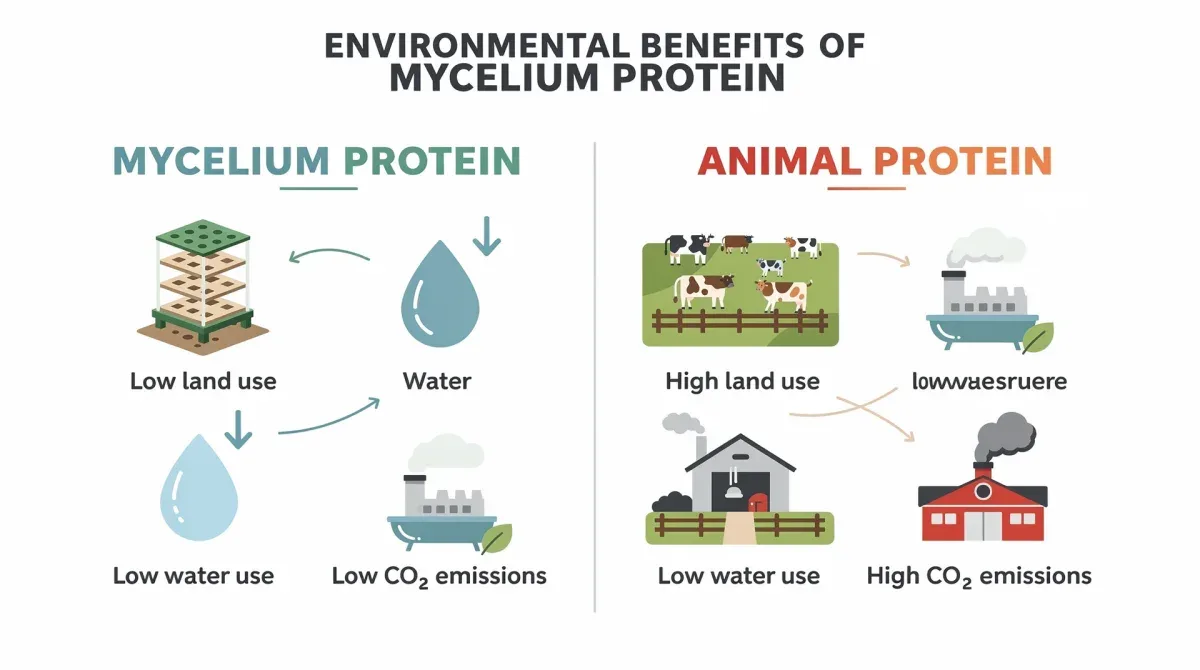
The traditional food system, particularly animal agriculture, is a major contributor to climate change, deforestation, and water scarcity. Mycelium protein, with its minimal land, water, and energy footprint, offers a viable pathway to decouple protein production from these environmental harms. Its ability to grow in various conditions, including vertical farms and bioreactors, also enhances food security by reducing reliance on arable land and unpredictable weather patterns.
- Reduced Ecological Footprint: Significantly lower emissions and resource consumption.
- Enhanced Resource Efficiency: Converts inputs into protein more effectively than animal agriculture.
- Climate Resilience: Production is less vulnerable to climate change impacts.
- Global Accessibility: Can be produced locally, reducing transportation costs and food miles.
Furthermore, the scalability of mycelium production means it can contribute to feeding a growing global population without escalating environmental degradation. This is particularly important in regions where traditional protein sources are scarce or environmentally taxing. The localized production potential of mycelium also strengthens regional food systems, fostering greater resilience against supply chain disruptions.
Ultimately, the mycelium protein revolution is more than just a trend; it's a strategic imperative. It offers a tangible solution to critical global issues, proving that delicious, nutritious food can also be produced in harmony with our planet. Its widespread adoption will undoubtedly pave the way for a more sustainable and secure food future for all.
| Key Aspect | Brief Description |
|---|---|
| Mycelium Definition | The root-like structure of fungi, cultivated for sustainable protein. |
| Fermentation Process | Enhances nutrient bioavailability and sensory qualities of mycelium protein. |
| Whey's Decline | Driven by environmental impact and ethical concerns of dairy farming. |
| Market Projection | Mycelium alternatives to replace 25% of whey consumption by 2026. |
Frequently Asked Questions About Mycelium Protein
What exactly is mycelium protein?▼Mycelium protein is a sustainable, complete protein derived from the root-like structures of fungi through a fermentation process. It offers all essential amino acids, along with fiber, B vitamins, and minerals, making it a nutritionally dense alternative to traditional proteins like whey.
How does mycelium protein compare to whey nutritionally?▼Mycelium protein provides a complete amino acid profile similar to whey, but often includes additional benefits like dietary fiber, B vitamins, and essential minerals. It is also cholesterol-free and lower in fat, offering a more holistic nutritional package for diverse dietary needs.
What are the environmental benefits of choosing mycelium protein?▼Mycelium protein production boasts a significantly lower environmental footprint than dairy farming. It requires substantially less land, water, and energy, and generates fewer greenhouse gas emissions, contributing to a more sustainable and climate-resilient food system globally.
Will mycelium protein actually replace a significant portion of whey?▼Industry projections suggest that fermented mycelium alternatives are set to replace 25% of whey consumption by 2026. This is driven by increasing consumer demand for sustainable options, technological advancements in production, and strategic investments in alternative protein development.
What kind of products will use mycelium protein?▼Mycelium protein's versatility allows its integration into a wide array of products. Expect to see it in sports nutrition supplements, protein bars, meal replacements, plant-based meat alternatives, and even dairy-free products, catering to a broad spectrum of consumer preferences and dietary needs.
Conclusion
The mycelium protein revolution represents a profound shift in how we approach nutrition and sustainability. As fermented alternatives increasingly prove their nutritional superiority and environmental advantages, the projected replacement of 25% of whey consumption by 2026 seems not just feasible, but inevitable. This transition underscores a global imperative for more responsible food systems, offering a promising future where human health and planetary well-being are intrinsically linked through innovative, sustainable protein solutions. The journey towards a mycelium-rich diet is well underway, signaling a new era for conscious consumption and robust health.
