Pilates-Strength Hybrids: 50% Growth in US Boutique Fitness
Low-impact Pilates-strength hybrids are rapidly transforming American boutique fitness, experiencing a significant 50% growth surge by combining the core principles of Pilates with the muscle-building benefits of strength training for a holistic, effective workout experience.
The fitness landscape in the United States is witnessing a remarkable transformation, with low-impact Pilates-strength hybrids emerging as a dominant force in boutique fitness. This innovative fusion, blending the controlled movements of Pilates with the muscle-building efficacy of strength training, has seen an impressive 50% growth surge, captivating a diverse audience seeking effective yet gentle workout regimens.
The rise of low-impact fitness: understanding the appeal
The increasing popularity of low-impact fitness modalities is not a mere trend; it reflects a deeper shift in how Americans approach their health and well-being. People are actively seeking exercise routines that deliver significant results without placing undue stress on their joints or bodies. This growing awareness of long-term joint health and injury prevention has propelled Pilates-strength hybrids to the forefront of the fitness industry.
Traditional high-impact workouts, while effective for some, often come with a higher risk of injury, especially for those with pre-existing conditions or individuals new to exercise. Low-impact options, like these hybrids, offer a compelling alternative, providing a challenging workout that is accessible to a broader demographic, from seasoned athletes looking for recovery options to beginners building foundational strength.
Why low-impact resonates with modern lifestyles
- Injury prevention: Minimizes stress on joints, reducing the risk of common exercise-related injuries.
- Accessibility: Suitable for a wide range of ages and fitness levels, including those with physical limitations.
- Sustainable fitness: Promotes consistent, long-term engagement due to reduced wear and tear on the body.
- Mind-body connection: Encourages greater body awareness and control, enhancing overall well-being.
This focus on sustainability and holistic health aligns perfectly with contemporary wellness philosophies. Individuals are no longer just chasing aesthetic goals but are increasingly prioritizing functional strength, mobility, and mental clarity. The low-impact nature of these hybrid classes allows for consistent participation, fostering a sustainable fitness journey that supports overall health without the burnout often associated with more intense regimens.
Ultimately, the appeal of low-impact fitness, and particularly Pilates-strength hybrids, lies in its ability to offer a comprehensive workout that is both effective and gentle. It represents a mature evolution in the fitness industry, acknowledging the diverse needs and aspirations of a health-conscious population. This shift emphasizes longevity and well-being over short-term, high-intensity bursts, paving the way for a more inclusive and sustainable approach to physical activity.
Deconstructing the Pilates-strength hybrid: what makes it work?
The success of the Pilates-strength hybrid model stems from its intelligent integration of two distinct yet complementary disciplines. Pilates, with its emphasis on core strength, flexibility, balance, and controlled movements, provides an exceptional foundation for body awareness and stability. Strength training, conversely, focuses on building muscle mass, increasing bone density, and boosting metabolism.
When combined, these elements create a synergistic effect, addressing multiple facets of physical fitness simultaneously. The Pilates component ensures that movements are executed with precision and proper alignment, reducing the risk of injury during strength exercises. It also activates deeper, stabilizing muscles that are often neglected in traditional weightlifting, leading to more functional strength and improved posture.

Key components of a hybrid session
- Core engagement: Every exercise emphasizes engaging the core, a hallmark of Pilates, which supports spinal health and power transfer.
- Controlled resistance: Utilizes light to moderate weights, resistance bands, and bodyweight, focusing on eccentric and concentric movements.
- Dynamic sequencing: Workouts are often structured in flowing sequences that challenge endurance and coordination.
- Mindful movement: Encourages participants to focus on breath and body sensation, enhancing the mind-muscle connection.
The strength training aspect then layers on resistance, challenging muscles to adapt and grow. This isn't about lifting maximal weight; rather, it's about controlled repetitions with appropriate resistance to build lean muscle and increase overall strength. The combination ensures that participants develop not just bigger muscles, but smarter, more resilient ones.
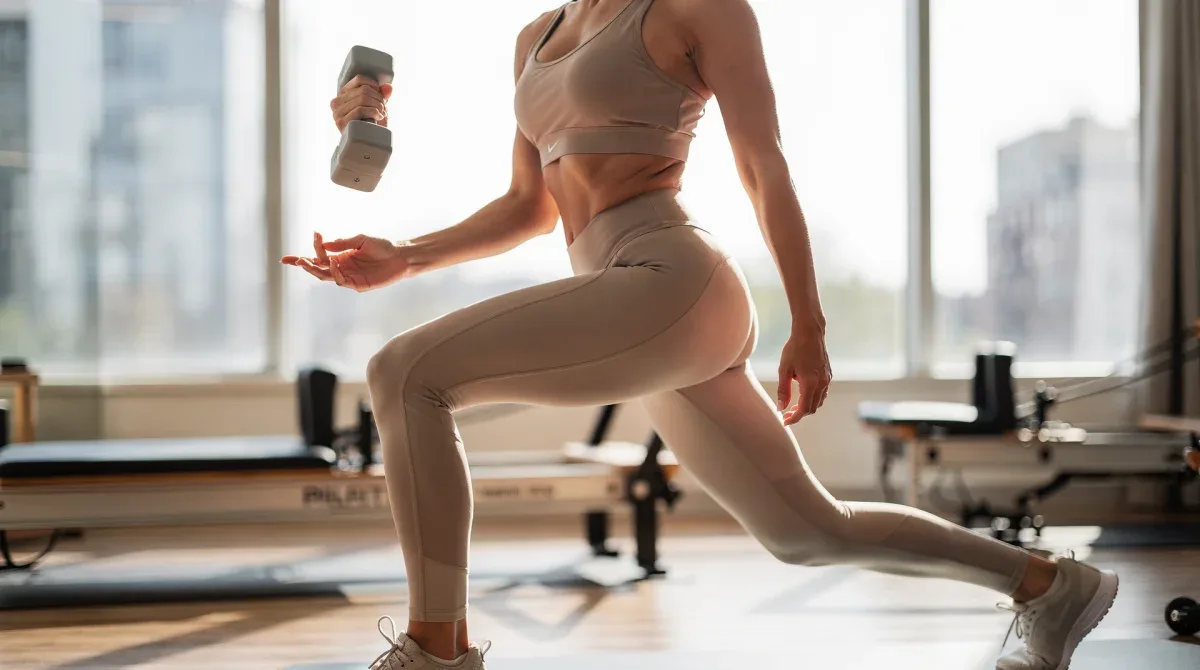
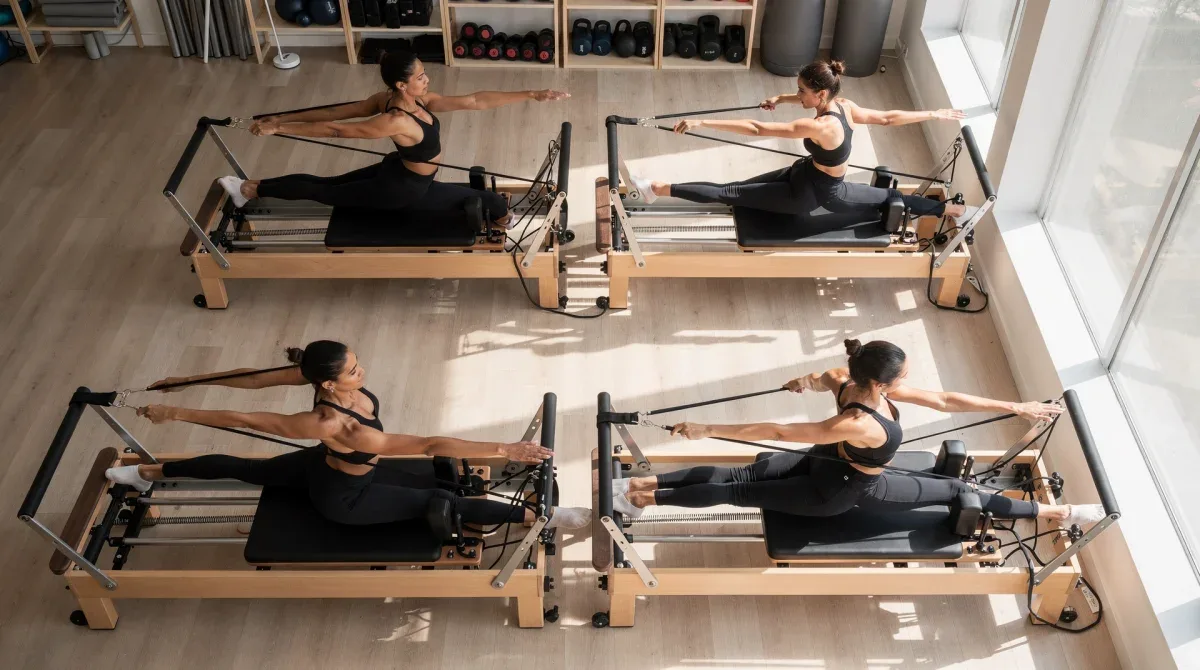
This fusion also offers variety, keeping workouts engaging and preventing plateaus. Instructors often creatively weave in elements like reformer Pilates exercises with dumbbell work, or mat Pilates with resistance band strength drills. The versatility of the hybrid model allows for endless variations, ensuring that each session feels fresh and challenging, catering to both physical and mental stimulation.
Ultimately, the Pilates-strength hybrid works because it’s a thoughtfully designed approach that respects the body's mechanics while pushing its capabilities. It's not just about doing two types of exercise; it's about making them work together to achieve superior, holistic fitness outcomes.
The 50% growth surge: factors driving expansion in the US
The reported 50% growth surge in Pilates-strength hybrid classes within American boutique fitness is a testament to several converging factors. Firstly, there's a heightened consumer demand for personalized, high-quality fitness experiences that boutique studios excel at delivering. Unlike large, impersonal gyms, boutique studios offer specialized classes, expert instruction, and a strong sense of community.
Secondly, the pandemic significantly shifted consumer priorities towards health and well-being, with a particular emphasis on exercise that supports both physical and mental health. People emerged from lockdowns seeking effective ways to rebuild strength and fitness, but often with a renewed appreciation for low-impact options after extended periods of inactivity or stress.
Technological integration and instructor expertise
The integration of technology, from online booking systems to virtual class offerings, has also played a crucial role in expanding reach. Many studios quickly adapted during the pandemic to offer hybrid models, allowing clients to participate from home, which broadened their appeal and accessibility. This flexibility continues to be a draw for busy individuals.
Moreover, the expertise of instructors is paramount. High-quality Pilates-strength hybrid programs require instructors who are not only certified in both disciplines but also skilled in seamlessly blending them. These instructors often have a deep understanding of anatomy and movement mechanics, ensuring that clients perform exercises safely and effectively, which builds trust and loyalty.
- Specialized instruction: Highly trained instructors provide personalized attention and guidance, enhancing safety and effectiveness.
- Community building: Boutique settings foster strong client relationships and a supportive environment.
- Adaptability: Studios quickly adopted virtual and hybrid models, expanding their reach and convenience.
- Holistic wellness trend: Aligns with a broader societal shift towards comprehensive health and self-care.
Finally, word-of-mouth and social media influence cannot be underestimated. As more individuals experience the tangible benefits—improved posture, increased strength, reduced pain, and enhanced body confidence—they become advocates, driving further interest and enrollment. The aesthetic appeal of boutique studios and the visual nature of these dynamic workouts also lend themselves well to social sharing, amplifying their presence.
These combined elements create a powerful growth engine, positioning Pilates-strength hybrids as a cornerstone of the modern American boutique fitness landscape. The blend of specialized instruction, community, accessibility, and tangible results makes these studios highly attractive to a discerning clientele.
Benefits beyond the burn: long-term health advantages
While the immediate 'burn' of a workout is often a marker of effort, the true value of Pilates-strength hybrids lies in their profound long-term health advantages. These benefits extend far beyond aesthetic improvements, contributing significantly to overall well-being and functional longevity. One of the most critical aspects is the improvement in core strength, which is fundamental to almost every physical activity and crucial for preventing back pain.
By consistently engaging the deep abdominal and back muscles, these workouts stabilize the spine, leading to better posture and reduced strain on other parts of the body. This foundational strength translates into improved performance in daily tasks, from lifting groceries to sitting at a desk, and enhances athletic performance in other sports or activities.
Enhancing mobility and preventing age-related decline
Another significant benefit is enhanced flexibility and mobility. Pilates is renowned for lengthening muscles and increasing range of motion, which, when combined with strength training, creates strong, pliable muscles. This combination helps to counteract the stiffness and reduced mobility that often come with aging or sedentary lifestyles, keeping individuals agile and independent.
The low-impact nature also means these workouts are gentle on joints, making them ideal for individuals recovering from injuries or managing chronic conditions like arthritis. Rather than exacerbating joint issues, the controlled movements and focus on alignment can actually help to strengthen the supporting muscles around joints, providing greater stability and reducing discomfort over time.
- Reduced back pain: Stronger core muscles provide better spinal support.
- Improved posture: Corrects imbalances and promotes proper alignment.
- Increased bone density: Weight-bearing strength exercises help combat osteoporosis.
- Enhanced balance and coordination: Reduces fall risk, especially important for older adults.
- Stress reduction: Mindful movement and breathwork contribute to mental well-being.
Furthermore, the strength component helps in building and maintaining muscle mass, which is vital for metabolic health and preventing sarcopenia, the age-related loss of muscle. Increased muscle mass boosts metabolism, aiding in weight management and improving overall body composition. The mental benefits, including improved focus and stress reduction through mindful movement, also contribute to a holistic sense of wellness.
In essence, Pilates-strength hybrids offer a comprehensive package of health benefits that support a vibrant, active lifestyle at any age. They are an investment in long-term physical resilience and mental clarity, providing a sustainable path to better health.
Who is embracing the hybrid trend? Demographics and appeal
The appeal of low-impact Pilates-strength hybrids is remarkably broad, attracting a diverse demographic that transcends traditional fitness stereotypes. While initially, Pilates might have been associated with dancers or a specific niche, the hybrid model has successfully broken down these barriers, appealing to a much wider audience seeking effective and sustainable fitness solutions.
One significant segment embracing this trend comprises professionals and individuals with demanding schedules. The efficiency of these workouts, which often deliver a full-body challenge in 45-60 minutes, makes them highly attractive. They offer a potent combination of strength, flexibility, and core work, negating the need for multiple, longer sessions.
From athletes to active aging individuals
Athletes, from runners to cyclists, are also increasingly incorporating Pilates-strength hybrids into their training regimes. The focus on core stability, flexibility, and injury prevention complements their sport-specific training, helping to improve performance and extend their athletic careers. It provides a balanced approach to conditioning that addresses muscular imbalances.
Moreover, the active aging population finds these classes particularly beneficial. As bodies naturally change with age, the emphasis on low-impact movements, balance, and functional strength becomes paramount. These workouts help maintain mobility, improve bone density, and reduce the risk of falls, empowering older adults to remain active and independent. Parents, too, appreciate the efficiency and effectiveness, often seeking classes that can be integrated into busy family lives.
- Busy professionals: Appreciate efficient, comprehensive workouts that fit tight schedules.
- Athletes: Utilize hybrids for cross-training, injury prevention, and performance enhancement.
- Active aging community: Benefit from improved balance, bone density, and joint-friendly exercise.
- Post-rehabilitation clients: Find a safe and effective way to rebuild strength and mobility.
The inclusivity of the hybrid model is a major draw. Instructors are often adept at offering modifications, making classes accessible to individuals at various fitness levels, from beginners to advanced practitioners. This adaptability ensures that everyone can find a challenging yet safe workout, fostering a welcoming environment that encourages consistent participation.
In essence, the Pilates-strength hybrid trend appeals to anyone looking for a smart, sustainable, and effective way to improve their physical health without the high impact or intensity of some traditional workouts. It's a testament to a shift towards more mindful and body-respecting exercise practices.
The future of boutique fitness: innovation and evolution
The remarkable growth of low-impact Pilates-strength hybrids signals a clear direction for the future of boutique fitness: continued innovation and a deeper commitment to holistic well-being. This trend is not an isolated phenomenon but part of a larger evolution where fitness is increasingly viewed as a personalized journey, rather than a one-size-fits-all solution. Studios that can effectively blend scientific principles with an engaging, community-focused experience will thrive.
Expect to see further advancements in how these hybrids are taught and delivered. This could include more specialized classes tailored to specific needs, such as prenatal/postnatal hybrids, athletic performance hybrids, or programs specifically designed for chronic pain management. The demand for highly qualified instructors who can adapt classes to individual client needs will also continue to rise.
Personalization and technology integration
The role of technology in enhancing the boutique fitness experience will also grow. This doesn't just mean virtual classes, but also sophisticated tracking tools that monitor progress, provide personalized feedback, and help clients stay motivated. Wearable technology seamlessly integrating with studio apps could offer a more comprehensive view of one's fitness journey, both inside and outside the studio.
Furthermore, expect to see an increased emphasis on the integration of recovery and mindfulness practices within hybrid programs. This could manifest as dedicated cool-down sessions incorporating foam rolling or stretching, or even partnerships with wellness professionals like physical therapists or nutritionists to offer a more complete wellness ecosystem. The focus will be on optimizing not just the workout, but the entire lifestyle surrounding it.
- Niche specialization: Development of hybrid classes for specific demographics or goals (e.g., seniors, athletes).
- Advanced tech integration: Use of wearables and personalized tracking for enhanced client experience.
- Holistic wellness hubs: Studios offering integrated services like nutrition, recovery, and physical therapy.
- Instructor development: Continued demand for highly skilled, dually certified instructors.
The boutique fitness sector will continue to push boundaries, moving beyond mere physical exertion to encompass mental resilience, emotional balance, and sustainable health practices. The success of Pilates-strength hybrids demonstrates that clients are willing to invest in programs that offer tangible results, a supportive environment, and a pathway to long-term health. This ongoing evolution will ensure that boutique fitness remains at the forefront of the wellness industry, continually adapting to meet the dynamic needs of its clientele.
| Key Trend | Brief Description |
|---|---|
| Pilates-Strength Fusion | Combines core stability of Pilates with muscle-building of strength training. |
| Low-Impact Focus | Minimizes joint stress, making workouts accessible and sustainable for diverse groups. |
| Boutique Fitness Growth | Specialized studios offering expert instruction and community drive 50% surge. |
| Holistic Health Appeal | Attracts those seeking functional strength, injury prevention, and mental well-being. |
Frequently asked questions about Pilates-strength hybrids
What exactly is a Pilates-strength hybrid class?▼A Pilates-strength hybrid class combines the core-strengthening and flexibility principles of Pilates with resistance exercises from traditional strength training. It typically uses light weights, resistance bands, and bodyweight to build muscle, improve posture, and enhance overall body control in a low-impact format.
Why are these low-impact workouts gaining so much popularity?▼Their popularity stems from offering effective results without high impact on joints, making them accessible to a wider demographic. They reduce injury risk, provide sustainable fitness, and align with a growing demand for holistic wellness that prioritizes long-term health and functional strength over intense, high-impact routines.
Who benefits most from Pilates-strength hybrid classes?▼These classes benefit a broad audience, including individuals seeking injury prevention, those recovering from physical therapy, athletes looking for cross-training, and anyone desiring improved posture, core strength, and overall functional fitness. They are particularly good for active aging populations and busy professionals.
Do I need prior experience in Pilates or strength training to join?▼No, most boutique studios offering hybrid classes are welcoming to all levels. Instructors are typically skilled in providing modifications for beginners and progressions for more experienced participants. It's always advisable to communicate any prior injuries or concerns to your instructor before class.
What kind of equipment is typically used in a hybrid class?▼Equipment varies but commonly includes Pilates reformers, mats, light hand weights (1-5 lbs), resistance bands, and sometimes stability balls or magic circles. The focus is on controlled movements with appropriate resistance, rather than heavy lifting, making the workouts effective and safe for joint health.
Conclusion
The remarkable 50% growth surge of low-impact Pilates-strength hybrids in American boutique fitness underscores a significant evolution in how individuals approach their health and exercise. This innovative fusion offers a compelling blend of core stability, flexibility, and muscle development, all within a joint-friendly framework. It caters to a diverse demographic, from athletes seeking complementary training to individuals prioritizing sustainable, long-term well-being. As the fitness industry continues to innovate, these hybrids are poised to remain a cornerstone, reflecting a broader societal shift towards mindful, effective, and accessible paths to holistic health.
