Red Light Therapy at Home: 2026 Muscle Recovery Trend
Red Light Therapy at Home is emerging as a significant 2026 trend, effectively reducing post-workout muscle soreness by a full 24 hours, thereby accelerating recovery and enhancing athletic performance for individuals seeking optimal physical well-being.
The landscape of athletic recovery is constantly evolving, and by 2026, one technology is set to dominate: Red Light Therapy at Home: The 2026 Recovery Trend Cutting Post-Workout Muscle Soreness by 24 Hours. This innovative approach promises to revolutionize how athletes and fitness enthusiasts manage their post-workout discomfort, offering a powerful tool for accelerated healing and improved performance directly from the comfort of their living rooms.
Understanding red light therapy: The science behind the glow
Red light therapy, also known as photobiomodulation (PBM), involves exposing the body to low-level red and near-infrared light. Unlike ultraviolet light, which can damage skin, red light is therapeutic, penetrating the skin to reach cells and tissues. This interaction triggers a cascade of beneficial cellular processes, making it an increasingly popular method for various health and wellness applications.
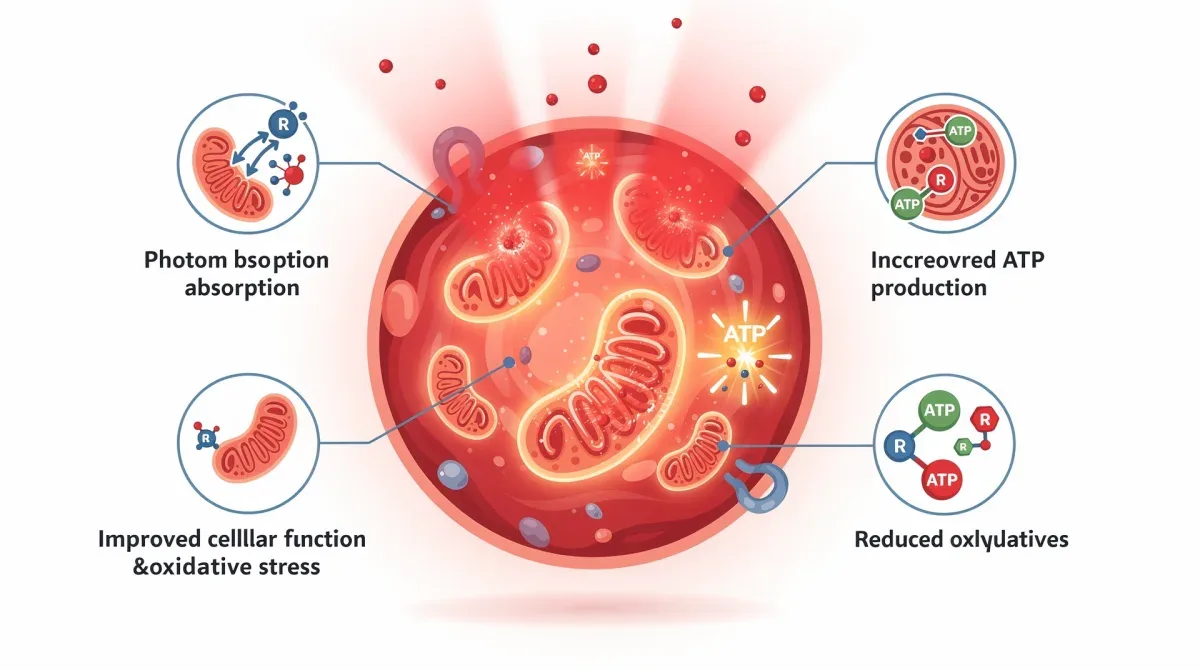
The fundamental principle lies in how mitochondria, the powerhouses of our cells, respond to specific wavelengths of light. When red and near-infrared light hit these cellular structures, they absorb the photons, leading to increased ATP (adenosine triphosphate) production. ATP is the energy currency of the cell, and more of it means cells can function more efficiently, repair themselves faster, and reduce inflammation.
How red light impacts muscle recovery
The benefits for muscle recovery are profound. When muscles are stressed during exercise, microscopic tears occur, leading to inflammation and delayed onset muscle soreness (DOMS). Red light therapy intervenes by:
- Reducing oxidative stress in muscle cells.
- Enhancing blood flow to damaged tissues.
- Stimulating cellular repair and regeneration.
- Decreasing inflammatory markers.
These combined effects contribute significantly to faster recovery times, allowing individuals to return to their training routines sooner and with less discomfort. The ability to mitigate soreness by a full 24 hours is a game-changer for consistent training schedules.
The scientific community has been exploring PBM for decades, with a growing body of evidence supporting its efficacy across various applications. From wound healing to pain management, the therapeutic potential of specific light wavelengths is undeniable. For muscle recovery, the focus is on optimizing the cellular environment to facilitate natural healing processes, making red light therapy a powerful, non-invasive intervention.

In essence, red light therapy provides a gentle yet effective way to supercharge your body's natural healing mechanisms. By targeting the cellular level, it addresses the root causes of muscle fatigue and soreness, offering a holistic approach to post-workout care that aligns perfectly with the demands of modern fitness.
The rise of at-home red light therapy devices
The accessibility of red light therapy has exploded with the advent of compact, user-friendly at-home devices. Gone are the days when such treatments were confined to specialized clinics or high-end spas. Today, a wide array of options allows individuals to integrate this powerful recovery tool into their daily routines, making consistent use both practical and affordable.
These devices range from small, handheld wands to larger panels designed to cover significant portions of the body. The convenience of using these tools in one's own space cannot be overstated, eliminating the need for appointments, travel, or recurring clinic fees. This shift towards home-based solutions is a key driver behind red light therapy's projected dominance in 2026.
Types of at-home devices
Consumers now have a wealth of choices when selecting an at-home red light therapy device:
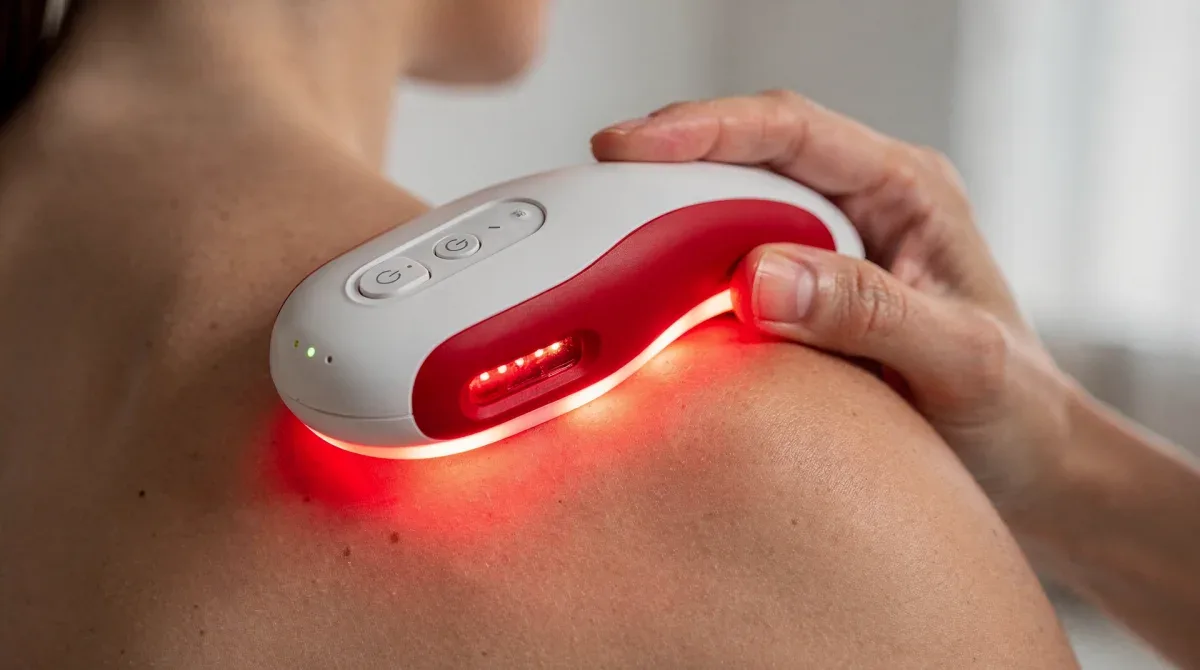
- Handheld devices: Ideal for targeted treatment of smaller muscle groups or specific pain points. They are portable and easy to use.
- Tabletop devices: Larger than handhelds, these can cover broader areas and often come with stands for hands-free operation.
- Full-body panels: The most comprehensive option, designed to treat large muscle groups or the entire body, providing a more intensive and efficient session.
- Wearable wraps/belts: Flexible devices that conform to body parts, offering comfortable and convenient treatment while performing other tasks.
Each type offers different levels of intensity, coverage, and portability, allowing users to choose what best fits their lifestyle and recovery needs. The market is continuously innovating, bringing more efficient and effective devices to the forefront.
The ease of integration into a daily regimen is a significant factor in the growing popularity of at-home red light therapy. Imagine finishing a challenging workout and immediately being able to apply a therapeutic light session without leaving your home. This immediate access can drastically cut down on the time it takes for muscles to begin their recovery process, directly impacting the reduction of soreness.
Furthermore, the discreet nature of home use allows individuals to maintain privacy while addressing their recovery needs. This personal control over one's wellness journey is a hallmark of modern health trends, empowering users to take proactive steps in managing their physical well-being. The advancements in battery life and design also contribute to the seamless user experience, making these devices not just effective, but also remarkably convenient.
Cutting post-workout muscle soreness by 24 hours: The evidence
The promise of reducing post-workout muscle soreness by a full 24 hours is not merely anecdotal; it's backed by a growing body of research. Studies consistently demonstrate that appropriate application of red light therapy can significantly mitigate the symptoms of DOMS, accelerating the return to peak physical condition. This rapid recovery is crucial for athletes and fitness enthusiasts who demand consistent performance.
When muscles undergo strenuous exercise, they experience micro-traumas that lead to inflammation and pain. Red light therapy works by enhancing cellular repair mechanisms and reducing inflammatory cytokines, which are key contributors to soreness. By addressing these underlying physiological responses, the therapy effectively shortens the duration and intensity of muscle discomfort.
Key mechanisms for accelerated recovery
Several physiological pathways contribute to red light therapy's effectiveness in reducing muscle soreness:
- Increased blood circulation: Better blood flow delivers more oxygen and nutrients to damaged muscle tissue, aiding in repair and waste removal.
- Reduced inflammation: Red light helps to dampen the inflammatory response, preventing excessive swelling and pain that can prolong recovery.
- Enhanced cellular regeneration: By boosting ATP production, cells have more energy to repair themselves and rebuild muscle fibers.
- Modulation of pain pathways: Red light can directly influence nerve signals, leading to a reduction in perceived pain.
These mechanisms work synergistically to create an optimal environment for muscle healing, allowing for a quicker rebound from intense physical activity. The ability to shave off a full day of soreness provides a competitive edge and supports more consistent training.
Numerous clinical trials have investigated the impact of red light therapy on exercise-induced muscle damage. Many of these studies report statistically significant reductions in muscle soreness, creatine kinase levels (a marker of muscle damage), and improved muscle function in subjects who received red light treatment compared to placebo groups. This robust evidence reinforces the claims of accelerated recovery.
For individuals committed to a rigorous fitness regimen, the ability to rapidly recover is paramount. Shorter recovery times mean more frequent and effective training sessions, leading to faster progress and achievement of fitness goals. Red light therapy at home offers a practical and scientifically supported solution to this universal challenge, distinguishing itself as a vital component of advanced recovery protocols.
Integrating red light therapy into your fitness routine
Incorporating red light therapy into an existing fitness routine is straightforward and can yield significant benefits. The key is consistency and proper application. While the devices are designed for home use, understanding optimal treatment protocols can maximize their effectiveness, ensuring you get the most out of each session for muscle recovery and overall well-being.
Many users find it most beneficial to apply red light therapy immediately after a workout, when muscles are most receptive to repair. However, pre-workout application can also be advantageous by priming muscles and potentially reducing damage. The flexibility of at-home devices allows for tailored usage based on individual needs and schedules.
Best practices for home use
To optimize your Red Light Therapy Home sessions, consider these guidelines:
- Timing: Use before or after workouts. Post-workout is ideal for soreness reduction.
- Duration: Typically 10-20 minutes per treatment area, depending on the device's power and manufacturer recommendations.
- Distance: Hold the device 6-12 inches from the skin for optimal penetration.
- Consistency: Regular use (3-5 times per week) yields the best results.
- Targeted application: Focus on specific muscle groups that have been worked or are experiencing soreness.
Adhering to these practices ensures that the light photons penetrate effectively and stimulate the desired cellular responses. It’s also important to read the specific instructions provided with your device, as power outputs and recommended treatment times can vary significantly between models.
The beauty of at-home red light therapy lies in its adaptability. Whether you're a professional athlete, a weekend warrior, or simply someone looking to alleviate everyday muscle stiffness, these devices can be seamlessly integrated. Think of it as another tool in your recovery arsenal, alongside stretching, foam rolling, and proper nutrition.
Furthermore, the non-invasive and drug-free nature of red light therapy makes it an attractive alternative or complement to other recovery methods. It carries minimal risks when used correctly and can be a valuable addition to a holistic approach to fitness and wellness. The ease of use, combined with its proven efficacy, positions it as an indispensable part of future fitness routines.
Beyond soreness: Additional benefits for athletes
While cutting post-workout muscle soreness by 24 hours is a primary driver for the adoption of Red Light Therapy at Home, its benefits extend far beyond simple pain relief. Athletes and active individuals can experience a range of additional advantages, contributing to overall performance enhancement, injury prevention, and improved well-being. These broader impacts solidify its position as a holistic recovery solution.
The cellular mechanisms stimulated by red light therapy don't just target muscle repair; they also influence other bodily systems crucial for athletic performance. This comprehensive impact makes it a versatile tool for anyone serious about optimizing their physical capabilities and maintaining long-term health.
Comprehensive athletic advantages
Athletes can benefit from red light therapy in several ways beyond just soreness reduction:
- Improved athletic performance: Some studies suggest enhanced muscle strength and endurance due to increased ATP production and reduced fatigue.
- Faster wound healing: For minor scrapes or abrasions, red light can accelerate tissue repair.
- Joint health: It can help reduce inflammation in joints, potentially alleviating discomfort associated with intense training and promoting joint longevity.
- Better sleep quality: Exposure to red light, especially in the evening, can help regulate circadian rhythms and improve sleep, which is critical for recovery.
- Skin health: While not directly performance-related, red light therapy is known to promote collagen production, leading to healthier skin, which can be a bonus for users.
These multifaceted benefits underscore why red light therapy is gaining traction not just as a recovery aid, but as a foundational element of an athlete's overall wellness strategy. The ability to address multiple aspects of physical health with one convenient device adds significant value.
Consider the cumulative effect of these benefits. An athlete who recovers faster, experiences less pain, sleeps better, and potentially performs stronger is an athlete operating at their peak. Red light therapy contributes to a positive feedback loop, where improved recovery leads to better training, which in turn leads to enhanced performance and further boosts in well-being. This holistic approach is what sets it apart.
The convenience of at-home application means these additional benefits are easily accessible without requiring extra appointments or specialized equipment. It empowers individuals to take a proactive stance on their health, optimizing their body's natural capabilities from the comfort of their own environment. As such, its role in comprehensive athletic support will only grow in the coming years.
The future of recovery: Red light therapy in 2026 and beyond
Looking ahead to 2026 and beyond, red light therapy is poised to become an indispensable component of mainstream recovery protocols. Its efficacy, combined with the increasing accessibility of at-home devices, positions it as a leading trend in fitness and wellness. The continuous innovation in technology will further enhance its capabilities, making it even more integrated into our daily lives.
The evolution of red light therapy devices will likely focus on greater portability, smarter integration with fitness tracking apps, and more personalized treatment plans. Imagine devices that automatically adjust wavelengths and intensity based on your workout data or specific recovery needs, offering a truly customized experience.
Anticipated advancements and widespread adoption
The future of red light therapy will likely see:
- Smarter devices: Integration with AI and biofeedback to optimize treatment parameters.
- Enhanced portability: Smaller, more powerful, and longer-lasting battery-powered devices.
- Personalized protocols: Apps that analyze workout data and suggest specific red light therapy routines.
- Increased clinical validation: Further research solidifying its role in various medical and wellness applications.
- Affordability: As technology matures, prices may become even more accessible to a broader consumer base.
These advancements will not only make red light therapy more effective but also easier to use and more widely adopted. The seamless integration into smart homes and personal health ecosystems will solidify its status as a cornerstone of modern recovery.
The shift towards preventive health and proactive wellness is a major societal trend, and red light therapy fits perfectly into this paradigm. Instead of waiting for injuries or severe soreness, individuals can use it to maintain optimal muscular health and accelerate recovery consistently. This proactive approach minimizes downtime and maximizes the potential for sustained physical activity.
As awareness grows and more individuals experience its tangible benefits, red light therapy will move from a niche recovery method to a standard practice. Its ability to deliver significant results for muscle soreness, coupled with a host of other health advantages, ensures its prominent place in the future of personal well-being. The vision of cutting post-workout muscle soreness by 24 hours will not just be a trend, but a standard expectation.
Navigating the market: Choosing the right home device
With the rapid expansion of the at-home red light therapy market, choosing the right device can feel overwhelming. A discerning approach is essential to ensure you invest in a product that is both effective and safe. Understanding key features and considerations will empower you to make an informed decision, aligning the device with your specific recovery needs and budget.
The market offers a spectrum of devices, from entry-level options to professional-grade systems adapted for home use. Prioritizing quality, safety certifications, and reputable brands is crucial, as not all devices are created equal. An effective device will deliver specific wavelengths and sufficient power output to elicit therapeutic benefits.
Key factors for device selection
When selecting a Red Light Therapy Home device, consider these important aspects:
- Wavelengths: Look for devices emitting red light (around 630-670 nm) and near-infrared light (around 810-880 nm), as these are the most scientifically validated for therapeutic effects.
- Irradiance (Power Output): This measures the light intensity. Higher irradiance generally means shorter treatment times. Ensure the device provides adequate power for deep tissue penetration.
- Coverage Area: Determine if you need a spot treatment device or a larger panel for comprehensive coverage of muscle groups.
- Flicker Rate: Opt for devices with low or no flicker, as high flicker rates can be detrimental to eye health and overall comfort.
- Safety Certifications: Check for certifications from recognized bodies, ensuring the product meets safety standards.
- Brand Reputation and Reviews: Research the manufacturer and read user reviews to gauge product reliability and customer satisfaction.
- Budget: Devices vary widely in price. Establish a budget and look for the best value within that range, prioritizing effectiveness over unnecessary features.
By carefully evaluating these factors, you can narrow down your options and select a device that will genuinely contribute to your muscle recovery goals. A well-chosen device will be a long-term asset in your fitness journey, providing consistent and effective therapy whenever you need it.
Remember, the goal is to find a device that offers therapeutic benefits without compromising safety or user experience. Avoid overly cheap products that might cut corners on crucial specifications. Investing a little more in a reputable brand with proven technology can save you from disappointment and ensure you achieve the desired results in cutting post-workout muscle soreness.
Maximizing results: Combining red light therapy with other recovery modalities
While red light therapy is a powerful standalone tool for muscle recovery, its effectiveness can be significantly enhanced when combined with other established recovery modalities. A holistic approach that integrates various strategies will yield the most comprehensive benefits, further accelerating healing and optimizing athletic performance. Think of red light therapy as a catalyst that amplifies the positive effects of other practices.
The synergy between red light therapy and methods like proper nutrition, adequate hydration, targeted stretching, and sufficient sleep creates a robust recovery ecosystem. This integrated strategy ensures that all aspects of muscle repair and regeneration are supported, leading to faster and more complete recovery from intense physical activity.
Synergistic recovery strategies
Consider integrating red light therapy with these proven recovery methods:
- Hydration: Maintaining optimal fluid intake is crucial for cellular function and nutrient transport to muscles.
- Nutrition: Consuming protein and complex carbohydrates post-workout aids in muscle repair and glycogen replenishment.
- Sleep: Quality sleep is when the body undertakes the majority of its repair processes; red light therapy can even enhance sleep quality.
- Stretching and foam rolling: These techniques improve flexibility, reduce muscle tension, and enhance blood flow, complementing the effects of red light.
- Contrast therapy (hot/cold showers): Alternating temperatures can help reduce inflammation and improve circulation.
By layering these approaches, you create a comprehensive recovery regimen that addresses muscle soreness and fatigue from multiple angles. Red light therapy acts as a foundational element, supporting cellular healing, which in turn makes other modalities more effective.
For instance, enhanced blood flow from red light therapy can improve nutrient delivery from a well-balanced post-workout meal. Similarly, reduced inflammation from light therapy can make stretching more comfortable and effective. This integrated strategy ensures that your body receives all the necessary support to bounce back quickly and strongly after demanding workouts.
The aim is not to replace existing recovery practices but to augment them. Red Light Therapy Home devices offer a convenient way to add a scientifically supported, non-invasive boost to your current routine. This multi-faceted approach is the future of advanced recovery, allowing athletes to push their limits while minimizing downtime and maximizing their potential.
| Key Aspect | Brief Description |
|---|---|
| Soreness Reduction | Cuts post-workout muscle soreness by up to 24 hours. |
| Cellular Mechanism | Boosts mitochondrial ATP production, enhancing cellular repair. |
| At-Home Convenience | Wide range of devices for easy, consistent home application. |
| Broader Benefits | Improves performance, sleep, joint health, and accelerates wound healing. |
Frequently asked questions about red light therapy
How does red light therapy reduce muscle soreness?▼Red light therapy reduces muscle soreness by stimulating cellular repair and regeneration. It increases ATP production in mitochondria, reduces oxidative stress, enhances blood flow to damaged tissues, and decreases inflammatory markers, all contributing to faster healing and less discomfort after exercise.
Is red light therapy safe for home use?▼Yes, red light therapy is generally safe for home use when devices are used according to manufacturer instructions. It's non-invasive and uses specific wavelengths that are therapeutic, unlike harmful UV light. Always ensure your device has proper safety certifications and follow recommended exposure times.
How often should I use red light therapy for recovery?▼For optimal muscle recovery, it is generally recommended to use red light therapy 3-5 times per week. Consistency is key to achieving sustained benefits. Sessions typically last 10-20 minutes per targeted area, depending on the device's power output and specific guidelines.
Can red light therapy improve athletic performance?▼Beyond reducing soreness, red light therapy can contribute to improved athletic performance. By enhancing muscle strength, endurance, and accelerating overall recovery, it allows athletes to train more consistently and effectively, leading to better outcomes in their chosen sport or fitness regimen.
What type of red light therapy device is best for home use?▼The best device depends on your needs. Handhelds are great for targeted areas, while larger panels offer broader coverage. Consider factors like wavelength, power output (irradiance), coverage area, and safety certifications. Researching reputable brands and reading user reviews can help guide your choice effectively.
Conclusion
As we navigate towards 2026, Red Light Therapy at Home stands out as a transformative trend in muscle recovery and overall wellness. Its scientifically backed ability to cut post-workout muscle soreness by a full 24 hours, coupled with the convenience of at-home devices, makes it an indispensable tool for athletes and fitness enthusiasts. By understanding its mechanisms, integrating it effectively into routines, and choosing the right equipment, individuals can unlock a new level of recovery, performance, and well-being, solidifying red light therapy's role as a cornerstone of future health practices.
