Somatic Workouts Surge 2026: Nervous-System Fitness Explodes
Somatic workouts are experiencing a significant surge in 2026, with studios nationwide observing a 35% increase in nervous-system focused classes, highlighting a growing interest in holistic well-being and stress reduction.
The fitness landscape is continually evolving, and in 2026, a groundbreaking shift is undeniable: somatic workouts surge across the nation, with studios reporting a remarkable 35% rise in classes specifically designed to engage and regulate the nervous system. This isn't just another fleeting trend; it represents a profound reorientation in how we approach physical and mental well-being, moving beyond traditional exercise paradigms to embrace a deeper, more integrated understanding of the human body and mind.
The rise of nervous-system focused fitness
In recent years, the conversation around health and fitness has broadened considerably, extending beyond mere aesthetics or brute strength to encompass mental clarity, emotional resilience, and overall vitality. This evolving understanding has paved the way for the significant growth of nervous-system focused fitness, which is now at the forefront of wellness trends. People are increasingly seeking modalities that offer more than just a physical workout; they desire practices that address the underlying mechanisms of stress, anxiety, and chronic tension.
The concept of somatic workouts, at its core, revolves around the idea of reconnecting the mind and body through intentional, mindful movement. Unlike high-intensity training or repetitive cardio, somatic practices encourage individuals to pay close attention to internal sensations, fostering a deeper awareness of how their bodies move and respond. This introspective approach helps individuals identify and release habitual patterns of tension, often stored deep within the nervous system, leading to profound and lasting benefits.
Understanding the somatic shift
The term 'somatic' originates from the Greek word 'soma,' meaning 'body as perceived from within.' This internal perspective is crucial to understanding why these workouts are gaining such traction. It's not about external performance metrics but about internal experience and self-regulation. This shift is particularly relevant in our fast-paced, high-stress society, where chronic nervous system activation is a common issue.
- Mind-body integration: Somatic practices emphasize the inseparable connection between mental states and physical sensations, promoting a holistic approach to well-being.
- Nervous system regulation: Techniques are designed to calm the sympathetic (fight-or-flight) nervous system and activate the parasympathetic (rest-and-digest) system, enhancing resilience.
- Trauma-informed movement: Many somatic approaches are informed by trauma research, offering gentle ways to release stored tension and emotional imprints in the body.
- Improved proprioception: Participants develop a heightened sense of body awareness, leading to better posture, coordination, and reduced pain.
The embrace of somatic workouts reflects a broader cultural movement towards self-care and holistic health. As individuals become more attuned to the subtle signals of their bodies, they are discovering that true well-being goes beyond superficial fixes, requiring a deeper engagement with their internal landscape. This understanding is driving the demand for specialized classes that cater to these nuanced needs, making nervous-system focused fitness a cornerstone of modern wellness.
What defines a nervous-system focused class?
Distinguishing a nervous-system focused class from a conventional exercise session lies in its fundamental intent and methodology. These classes are not about pushing physical limits or achieving peak performance in the traditional sense. Instead, they prioritize gentle, slow, and intentional movements, often accompanied by guided introspection and breathwork, to foster a profound connection between the mind and body. The primary goal is to help individuals regulate their autonomic nervous system, promoting a state of calm and balance.
Key elements of these classes often include practices derived from various somatic modalities such as Hanna Somatics, Feldenkrais Method, Continuum Movement, and even certain forms of mindful yoga or Pilates that have been adapted to emphasize internal sensation over external form. Instructors guide participants to explore subtle movements, noticing how their bodies feel, where tension might be held, and how movement can release it. This internal focus helps to interrupt chronic stress responses and cultivate a greater sense of ease and fluidity.
Core principles and techniques
Several core principles underpin the effectiveness of nervous-system focused classes. These principles are not merely theoretical; they are actively integrated into the practical application of each session, guiding participants toward deeper self-awareness and regulation.
- Gentle, slow movements: Rapid or forceful movements are avoided to allow the nervous system to process sensations without feeling overwhelmed or threatened.
- Interoception: A strong emphasis is placed on developing interoception, the ability to sense internal states of the body, such as hunger, thirst, and tension.
- Pendulation: Many practices involve pendulation, a rhythmic movement between states of activation and relaxation, helping the nervous system to gently process and release stress.
- Breath awareness: Conscious breathing techniques are integral, serving as a powerful tool to calm the nervous system and anchor attention in the present moment.

These classes often incorporate elements like self-touch, guided imagery, and vocalizations to further enhance the mind-body connection. The environment is typically serene, with soft lighting and minimal distractions, creating a safe space for exploration and healing. Instructors are highly trained to recognize signs of nervous system dysregulation in participants and to offer modifications or alternative approaches to ensure a supportive and beneficial experience for everyone. The focus is always on empowering individuals to become their own best guides in their wellness journey, fostering self-reliance and internal wisdom.
The science behind somatic practices and the nervous system
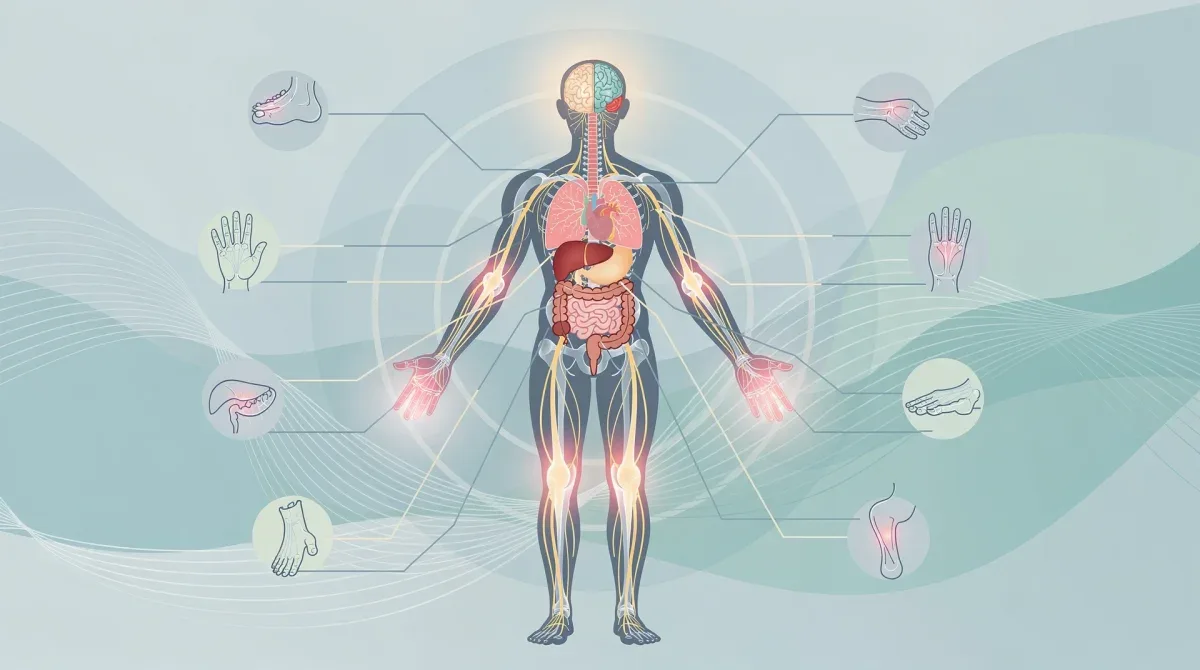
The efficacy of somatic practices in regulating the nervous system is not merely anecdotal; it is increasingly supported by a growing body of scientific research. Modern neuroscience has illuminated the intricate pathways through which our thoughts, emotions, and physical sensations are interconnected, largely mediated by the autonomic nervous system. This system, comprising the sympathetic (fight-or-flight) and parasympathetic (rest-and-digest) branches, plays a crucial role in managing our body's response to stress and promoting overall homeostasis.
Somatic workouts actively engage the vagus nerve, a key component of the parasympathetic nervous system. By stimulating the vagal tone through slow, mindful movements, deep breathing, and self-regulation techniques, these practices help to shift the body from a state of chronic stress to one of calm and relaxation. This shift has profound implications for various aspects of health, including improved digestion, better sleep, reduced inflammation, and enhanced emotional regulation. The ability to consciously influence these physiological responses is a cornerstone of somatic healing.
Neuroplasticity and embodied awareness
One of the most exciting scientific underpinnings of somatic work is its connection to neuroplasticity. The brain's capacity to reorganize itself by forming new neural connections throughout life means that through intentional somatic practices, individuals can literally rewire their nervous systems. This allows for the release of old, ingrained patterns of tension and trauma, replacing them with healthier, more adaptive responses.
- Proprioceptive feedback: Enhanced awareness of body position and movement through somatic exercises provides rich proprioceptive feedback to the brain, improving motor control and body schema.
- Interoceptive insights: Cultivating interoception helps individuals better understand their internal physiological signals, leading to more informed self-care decisions.
- Emotional regulation: By addressing physical manifestations of emotion, somatic practices offer a bottom-up approach to emotional regulation, complementing cognitive therapies.
- Stress hormone reduction: Regular engagement in somatic practices has been shown to reduce levels of stress hormones like cortisol, mitigating their detrimental effects on the body.
Moreover, research in fields like psychoneuroimmunology continues to reveal how the nervous system directly influences the immune system. By fostering a balanced nervous system, somatic practices can indirectly support immune function, making the body more resilient to illness. This holistic perspective, where physical movement is seen as a direct pathway to neurological and psychological well-being, is why the somatic workouts surge is more than just a passing fad; it's a testament to a deeper scientific understanding of human health.
Why 2026 is seeing a 35% rise in studios
The substantial 35% increase in nervous-system focused classes reported by nationwide studios in 2026 is not an isolated phenomenon but the culmination of several converging societal and health trends. Post-pandemic, there has been a heightened collective awareness regarding mental health, stress management, and the profound impact of chronic stress on physical well-being. People are actively seeking proactive and sustainable ways to cope with the demands of modern life, moving away from purely symptomatic treatments towards root-cause solutions.
Furthermore, the accessibility of information through digital platforms has played a significant role. As more individuals learn about the benefits of nervous system regulation and the mind-body connection, the demand for specialized classes naturally grows. Social media influencers, wellness advocates, and even medical professionals are increasingly endorsing these practices, lending credibility and visibility to somatic approaches. This widespread endorsement helps to demystify these practices, making them more approachable for a general audience.
Factors fueling the growth
Several key factors are contributing to this remarkable growth, creating a fertile ground for somatic workouts to thrive and expand their reach across the United States. These factors reflect both individual needs and broader cultural shifts.
- Increased stress and anxiety: The modern world presents numerous stressors, leading more people to seek effective tools for managing anxiety and chronic stress.
- Dissatisfaction with conventional fitness: Many individuals find traditional workouts insufficient for addressing their holistic well-being needs, prompting a search for deeper engagement.
- Focus on preventative health: There's a growing understanding that nervous system health is crucial for long-term preventative care, attracting those interested in proactive wellness.
- Community and expert guidance: Studios offer structured environments with certified instructors, providing guidance and support that is often difficult to achieve through self-study alone.

The wellness industry itself has also evolved, becoming more inclusive and responsive to diverse needs. Studios are recognizing the demand for specialized offerings that cater to a clientele interested in deeper healing and self-discovery. This has led to an expansion of training programs for somatic practitioners, ensuring a supply of qualified instructors to meet the rising demand. The combination of heightened awareness, scientific validation, and a responsive wellness industry has created the perfect storm for the somatic workouts surge observed in 2026, solidifying its place as a transformative force in health and fitness.
Integrating somatic practices into daily life
While dedicated studio classes provide an invaluable foundation, the true power of somatic practices lies in their integration into daily life. The principles learned in a nervous-system focused class are not meant to be confined to a single session; rather, they are tools that can be applied moment-to-moment to enhance awareness, regulate stress, and cultivate a greater sense of presence. This seamless integration allows individuals to maintain a balanced nervous system even amidst the challenges of everyday routines.
Simple practices, such as mindful breathing during stressful moments, taking short breaks to stretch and tune into bodily sensations, or consciously softening areas of tension, can make a significant difference. The goal is to develop a continuous dialogue with the body, listening to its signals and responding with kindness and awareness. This ongoing self-observation helps to prevent the accumulation of stress and promotes a more resilient, adaptable nervous system.
Practical tips for daily integration
Incorporating somatic principles doesn't require complex routines or extensive time commitments. Even small, consistent efforts can yield substantial benefits, transforming how you navigate your day and interact with the world.
- Mindful transitions: Take a few deep breaths and notice your body when moving between tasks or environments.
- Body scans: Periodically check in with your body throughout the day, noticing any areas of tension and gently inviting them to release.
- Sensory awareness: Pay attention to simple sensory experiences, like the feeling of your feet on the ground or the taste of your food, to anchor yourself in the present.
- Movement breaks: Instead of sitting rigidly, incorporate gentle stretches or movements during long periods of sitting or standing.
Moreover, understanding your personal stress triggers and developing a repertoire of somatic responses can be incredibly empowering. For example, if you notice yourself tensing your shoulders when stressed, a simple somatic release exercise, like shrugging and then gently dropping them, can interrupt the pattern. By consistently applying these micro-practices, individuals can gradually reshape their nervous system responses, fostering a greater sense of calm, control, and overall well-being. The sustained impact of the somatic workouts surge will ultimately be measured by how well these practices empower individuals to live more mindfully and harmoniously.
The future outlook for nervous-system focused wellness
The impressive growth of somatic workouts in 2026, marked by a 35% rise in nervous-system focused classes, signals a profound and lasting shift in the wellness paradigm. This is not merely a passing trend but rather an indicator of a maturing understanding of health that transcends superficial metrics. As individuals continue to prioritize holistic well-being, the demand for practices that address the intricate connection between mind, body, and nervous system will only continue to expand.
Looking ahead, we can anticipate further innovation within the somatic wellness space. This might include the integration of advanced biofeedback technologies to provide real-time nervous system data during sessions, personalized somatic programs tailored to individual stress profiles, and an increased presence of somatic principles in corporate wellness initiatives. The emphasis will remain on empowering individuals with tools for self-regulation, resilience, and embodied awareness, making these practices accessible to a broader demographic.
Anticipated developments and expansions
The trajectory of nervous-system focused wellness suggests several exciting avenues for future development, promising even greater accessibility and impact for those seeking deeper health solutions.
- Digital integration: Expect more sophisticated apps and online platforms offering guided somatic practices, personalized feedback, and community support.
- Specialized programs: Development of highly specialized somatic programs for specific conditions, such as chronic pain, anxiety disorders, or post-traumatic stress.
- Healthcare collaboration: Increased collaboration between somatic practitioners and traditional healthcare providers, integrating these practices into comprehensive treatment plans.
- Workplace wellness: Somatic techniques becoming a staple in corporate wellness programs to enhance employee well-being, reduce burnout, and improve productivity.
The long-term impact of this movement extends beyond individual health. A society where more people are attuned to their nervous systems and equipped with tools for self-regulation is likely to be a more compassionate, resilient, and peaceful society. The somatic workouts surge represents a collective step towards a more embodied and integrated approach to human flourishing, promising a future where wellness is not just about physical appearance but about profound internal harmony and adaptability. This evolution in fitness is truly transformative, redefining what it means to be healthy in the 21st century.
Choosing the right somatic practice for you
With the expanding landscape of somatic workouts, finding the right practice can feel overwhelming, but it's an essential step towards maximizing personal benefits. The key is to approach this choice with curiosity and an understanding that what works for one person may not be ideal for another. Each somatic modality offers a unique pathway to nervous system regulation and embodied awareness, so exploring different options is highly encouraged to find a resonance that truly fits your individual needs and preferences.
Consider your personal goals: Are you primarily seeking stress reduction, pain relief, improved flexibility, or deeper emotional processing? Some practices, like Hanna Somatics, might focus more on re-educating movement patterns to alleviate chronic pain, while others, like Continuum Movement, might emphasize fluid, exploratory movements for creative expression and energetic release. It's also important to consider the instructor's approach and qualifications, as their guidance is paramount in these nuanced practices.
Navigating your options
To make an informed decision, it's helpful to consider various aspects of the practice and your own comfort levels. Don't be afraid to try introductory classes or workshops before committing to a specific modality or studio.
- Research modalities: Learn about different somatic practices (e.g., Feldenkrais, Alexander Technique, Body-Mind Centering) to understand their core philosophies.
- Read reviews and testimonials: Gain insights from others' experiences with specific studios or instructors.
- Attend introductory sessions: Many studios offer trial classes or introductory workshops, providing a low-commitment way to experience a practice firsthand.
- Consider instructor compatibility: A good rapport with your instructor is crucial, as their guidance and presence significantly impact your learning experience.
Ultimately, the most effective somatic practice is one that you can consistently engage with and that genuinely helps you feel more connected, balanced, and at ease within your own body. Trust your intuition and listen to your body's responses as you explore. The somatic workouts surge provides a rich array of choices, ensuring that there's a path for everyone to cultivate a healthier, more regulated nervous system and embrace a deeper sense of well-being. This journey of self-discovery through movement is deeply personal and incredibly rewarding.
| Key Trend | Brief Description |
|---|---|
| Somatic Workouts Surge | Nationwide studios report a 35% rise in nervous-system focused classes by 2026. |
| Nervous System Focus | Emphasis on practices that regulate the autonomic nervous system for stress reduction and balance. |
| Mind-Body Connection | Holistic approach integrating physical movement with mental and emotional well-being. |
| Scientific Validation | Growing research supports somatic practices for neuroplasticity and stress hormone reduction. |
Frequently asked questions about somatic workouts
What exactly is a somatic workout?▼A somatic workout focuses on internal bodily sensations and mindful movements to improve the mind-body connection. Unlike traditional exercises, it emphasizes self-awareness, nervous system regulation, and releasing chronic tension rather than external performance or strenuous physical exertion. It helps individuals learn to control their physiological responses.
Why are somatic workouts gaining popularity in 2026?▼Somatic workouts are surging in 2026 due to increased awareness of mental health, chronic stress, and the desire for holistic well-being. People are seeking effective ways to regulate their nervous systems, reduce anxiety, and address the root causes of physical and emotional tension, moving beyond conventional fitness approaches.
How do somatic workouts affect the nervous system?▼Somatic workouts help regulate the nervous system by activating the parasympathetic (rest-and-digest) branch and calming the sympathetic (fight-or-flight) response. Through slow, intentional movements and breathwork, they stimulate the vagus nerve, reduce stress hormones, and promote a state of calm, balance, and resilience.
Are somatic practices suitable for everyone?▼Generally, yes. Somatic practices are gentle and adaptable, making them suitable for most individuals, regardless of age or fitness level. They can be particularly beneficial for those experiencing chronic pain, stress, anxiety, or recovering from injury. It's always advisable to consult a healthcare professional, especially with pre-existing conditions.
What are some common types of somatic workouts?▼Common types include Hanna Somatics, the Feldenkrais Method, Continuum Movement, and certain mindful variations of yoga or Pilates. Each modality offers unique approaches to movement and self-exploration, but all share the core principle of fostering internal awareness and nervous system regulation to enhance overall well-being and bodily intelligence.
Conclusion
The remarkable somatic workouts surge in 2026, evidenced by the 35% rise in nervous-system focused classes nationwide, underscores a pivotal evolution in how society approaches health and wellness. This trend signifies a collective shift towards a more integrated, mindful, and scientifically informed understanding of the body and mind. As individuals increasingly seek practices that offer genuine self-regulation, stress reduction, and embodied healing, somatic approaches are proving to be not just a fleeting trend, but a fundamental component of sustainable well-being. The future of fitness is undoubtedly moving towards a deeper connection with our internal landscapes, promising a more balanced and resilient existence for all.
