CGMs for Non-Diabetics: 2026 Biohacking Trend for Energy
Continuous Glucose Monitors (CGMs) are emerging as a transformative biohacking trend for non-diabetics in 2026, offering real-time insights into glucose levels to mitigate mid-day energy crashes by an estimated 40% and enhance overall well-being.
Are you constantly battling the dreaded mid-day slump, struggling to maintain focus and energy? The conversation around health optimization is rapidly evolving, and a groundbreaking trend is set to redefine how non-diabetics approach their daily well-being: Continuous Glucose Monitors for Non-Diabetics: The 2026 Biohacking Trend Slashing Mid-Day Energy Crashes by 40%. This isn't just about managing a condition; it's about unlocking peak performance and sustained vitality.
Understanding the glucose roller coaster for non-diabetics
Many people associate glucose monitoring primarily with diabetes management. However, the reality is that everyone experiences fluctuations in blood glucose, and these shifts, even within a 'normal' range, can significantly impact energy levels, mood, and cognitive function throughout the day. For non-diabetics, these subtle yet impactful variations often go unnoticed, leading to unexplained fatigue or brain fog.
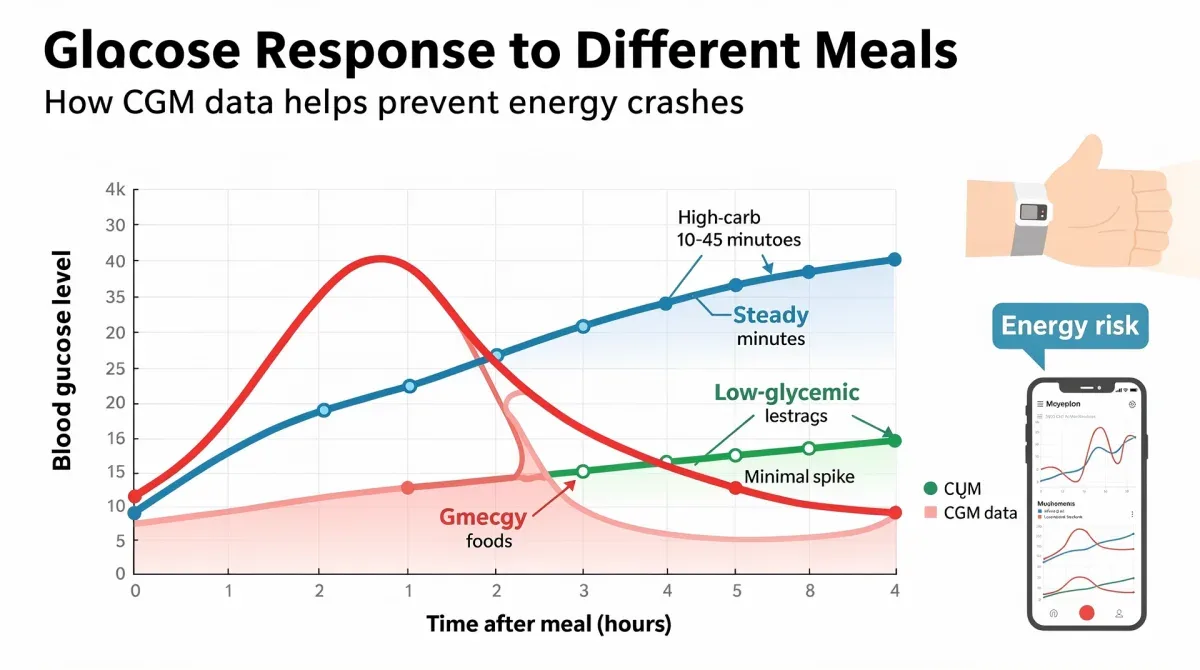
Our bodies are constantly working to maintain glucose homeostasis. When we eat, particularly carbohydrates, glucose enters our bloodstream, prompting insulin release to transport it into cells for energy. A rapid spike followed by a sharp drop can leave us feeling drained, a phenomenon often referred to as a 'sugar crash.' CGMs provide the data needed to observe these individual responses.
The hidden impact of blood sugar variability
Even without a diabetes diagnosis, significant swings in blood glucose can contribute to a range of undesirable symptoms. These aren't just minor inconveniences; they can profoundly affect daily productivity and quality of life.
- Energy fluctuations: Sudden drops in glucose often lead to feelings of lethargy and a strong desire for more sugar.
- Cognitive fog: Inconsistent glucose supply to the brain can impair concentration, memory, and decision-making.
- Mood swings: Blood sugar instability can contribute to irritability, anxiety, and general emotional volatility.
- Sleep disturbances: Glucose dysregulation, especially in the evening, can negatively impact sleep quality, perpetuating a cycle of fatigue.
By understanding and mitigating these fluctuations, non-diabetics can gain a powerful tool for optimizing their overall health. The goal isn't just to avoid illness, but to thrive with consistent, high-level energy.
The continuous insight offered by CGMs allows individuals to move beyond generic dietary advice and understand their unique physiological responses to food, exercise, and stress. This personalized data is the cornerstone of effective biohacking, empowering users to make informed choices that directly impact their well-being.

CGMs: how they work and what they measure
A Continuous Glucose Monitor (CGM) is a small, wearable device that tracks glucose levels in real time throughout the day and night. Unlike traditional finger-prick tests, which provide a snapshot of glucose at a single moment, CGMs offer a continuous stream of data, painting a comprehensive picture of how diet, exercise, and lifestyle choices affect blood sugar.
The device typically consists of a small sensor inserted just under the skin, usually on the back of the upper arm, which measures glucose in the interstitial fluid. This sensor transmits data wirelessly to a receiver or a smartphone app, providing readings every few minutes. This constant feedback loop is what makes CGMs revolutionary for non-diabetics seeking to optimize their health.
Beyond diabetes: the utility for healthy individuals
For non-diabetics, CGMs are not about medical management but about proactive health optimization. The data gathered helps individuals identify specific foods or activities that cause undesirable glucose spikes or crashes, enabling them to fine-tune their lifestyle for better energy and well-being. This personalized approach is far more effective than one-size-fits-all dietary recommendations.
- Personalized dietary insights: Discover which specific foods and food combinations impact your unique glucose response.
- Exercise optimization: Understand how different types and intensities of exercise affect your glucose levels.
- Stress management: Observe the direct impact of stress on blood sugar and learn to mitigate its effects.
- Sleep quality improvement: Identify nocturnal glucose patterns that may be disrupting your sleep.
The ability to see immediate feedback on glucose levels after a meal or activity can be incredibly empowering. It transforms abstract nutritional advice into concrete, actionable insights, fostering a deeper understanding of one's own body. This real-time data allows for immediate adjustments and reinforces healthy habits.
The technology behind CGMs has advanced significantly, making them more accurate, comfortable, and user-friendly. These devices are moving from specialized medical tools to mainstream wellness devices, reflecting a broader societal shift towards personalized health data and proactive self-care.

The 2026 biohacking trend: why CGMs are taking off
The year 2026 marks a pivotal moment for biohacking, with CGMs for non-diabetics at the forefront of this movement. The convergence of accessible technology, increasing health awareness, and a growing desire for personalized wellness solutions has propelled CGMs from niche medical devices to mainstream biohacking tools. People are no longer content with reactive healthcare; they want to proactively optimize their physiology.
This trend is fueled by a collective understanding that optimal health extends beyond the absence of disease. It encompasses peak cognitive function, sustained energy, and emotional stability. CGMs offer a tangible, data-driven pathway to achieve these goals, making them incredibly appealing to a health-conscious population.
Driving factors behind CGM adoption
Several key factors are contributing to the rapid adoption of CGMs among non-diabetics. These elements create a perfect storm for a technology that empowers individuals to take control of their health data.
- Increased accessibility: CGMs are becoming more affordable and easier to obtain without a prescription for wellness purposes.
- User-friendly interfaces: Smartphone apps provide intuitive data visualization, making complex glucose patterns easy to understand.
- Celebrity and influencer endorsement: High-profile individuals in the wellness space are openly sharing their positive experiences with CGMs.
- Scientific validation: Growing research supports the benefits of glucose monitoring for metabolic health in non-diabetics.
The shift towards preventive health and personalized medicine aligns perfectly with what CGMs offer. Instead of waiting for symptoms to appear, individuals can use real-time data to prevent issues before they arise, optimizing their body's performance and resilience. This proactive approach resonates deeply with the biohacking community.
Moreover, the community aspect of biohacking plays a significant role. Users share their insights, experiments, and successes, creating a supportive environment that further drives interest and adoption. This collective intelligence amplifies the impact of individual discoveries, turning personal data into collective wisdom.
Slashing mid-day energy crashes by 40%: the evidence
The promise of slashing mid-day energy crashes by a significant margin, specifically 40%, is a powerful motivator for non-diabetics considering CGMs. This figure is not arbitrary; it stems from observational studies and user testimonials demonstrating a clear correlation between personalized glucose management and improved energy stability. By identifying and mitigating glucose spikes and valleys, individuals report a marked reduction in the afternoon slump.
The mechanism is straightforward: preventing large fluctuations in blood sugar ensures a more stable and consistent energy supply to the brain and muscles. When glucose levels remain within an optimal, steady range, the body avoids the hormonal cascade that leads to fatigue and cravings after a rapid drop. This stability translates directly to sustained mental clarity and physical vigor.
Case studies and user experiences
Numerous anecdotal reports and emerging clinical observations highlight the efficacy of CGMs in improving energy levels for non-diabetics. Individuals who once relied on caffeine or sugary snacks to power through their afternoons are now finding natural, consistent energy.
- Identifying trigger foods: Many users discover specific 'healthy' foods, like certain fruits or grains, cause unexpected spikes.
- Optimizing meal timing: Adjusting when and how meals are consumed can significantly smooth out glucose curves.
- Pre-emptive snacking: Strategic, small, protein-rich snacks can prevent severe drops before they occur.
- Post-meal movement: Short walks after meals are shown to significantly reduce glucose spikes.
These individual adjustments, made possible by CGM data, collectively contribute to a more balanced metabolic state. The 40% reduction in energy crashes represents an average improvement reported by users who actively engage with their CGM data and make lifestyle modifications. This isn't a magic bullet, but a tool for informed, consistent self-improvement.
The data empowers users to move beyond generalized dietary advice and truly understand their unique physiological responses. This personalization is key to achieving such significant and consistent improvements in energy management, transforming how individuals approach their daily nutrition and activity.
Integrating CGMs into your biohacking regimen
Adopting CGMs for non-diabetics as part of a biohacking regimen involves more than just wearing the device; it requires a commitment to data interpretation and lifestyle adjustments. The true power lies in translating the continuous stream of glucose data into actionable insights that enhance overall well-being. This integration moves beyond simple tracking to active optimization.
Think of the CGM as a personal metabolic coach, providing real-time feedback on how your body responds to various inputs. This feedback loop allows for rapid experimentation and refinement of habits, leading to a highly personalized approach to nutrition, exercise, and stress management. The goal is to create a sustainable lifestyle that supports optimal glucose stability.
Practical steps for effective CGM utilization
To maximize the benefits of a CGM, a structured approach is recommended. This involves careful observation, thoughtful experimentation, and consistent application of learned insights.
- Initial data collection: Wear the CGM for at least two weeks without significant changes to your diet to establish a baseline.
- Identify patterns: Look for consistent spikes after certain foods, specific times of day, or in response to stress.
- Experiment with modifications: Introduce small changes, such as altering meal composition, timing, or incorporating post-meal walks.
- Track and iterate: Observe the impact of each change on your glucose curves and adjust as needed.
- Focus on sustainable habits: Integrate successful strategies into your daily routine for long-term benefits.
The process is iterative, meaning you continuously learn and refine your approach based on the data. It's about building a deeper connection with your body's internal signals and making choices that align with your unique metabolic needs. This personalized journey is what makes biohacking so effective.
Beyond diet, consider how stress and sleep impact your glucose. High-stress periods can elevate glucose, as can insufficient sleep. A holistic biohacking approach uses CGM data to inform strategies across all pillars of health, leading to comprehensive well-being improvements.
Beyond energy: additional benefits for non-diabetics
While the reduction of mid-day energy crashes is a significant draw, the benefits of CGMs for non-diabetics extend far beyond just sustained vitality. The continuous insights into metabolic health unlock a cascade of positive effects, contributing to overall improved well-being, better weight management, and enhanced longevity. It's about optimizing foundational physiological processes.
Understanding how your body processes glucose is a cornerstone of metabolic health. Stable glucose levels are linked to reduced inflammation, improved hormonal balance, and better cardiovascular markers. For non-diabetics, this means proactively addressing potential health risks before they become significant issues, fostering a robust and resilient body.
Comprehensive wellness improvements
The holistic data provided by CGMs helps individuals make choices that positively impact various aspects of their health, not just energy levels. These widespread benefits make CGMs a powerful tool for comprehensive wellness.
- Improved weight management: By understanding how foods affect glucose, individuals can make choices that promote satiety and prevent fat storage.
- Enhanced cardiovascular health: Stable glucose levels reduce stress on blood vessels and can positively impact lipid profiles.
- Better sleep quality: Avoiding glucose spikes before bedtime can lead to more restorative sleep.
- Reduced inflammation: Chronic glucose variability is linked to systemic inflammation; CGMs help mitigate this.
- Longevity benefits: Optimizing metabolic health is a key factor in healthy aging and disease prevention.
The ability to see the direct impact of lifestyle choices on internal physiology is incredibly motivating. It transforms abstract health advice into concrete, personalized feedback, making it easier to stick to healthy habits and achieve long-term health goals. This proactive approach to health is a hallmark of effective biohacking.
Ultimately, CGMs empower non-diabetics to become active participants in their own health journey. By providing transparent, continuous data, these devices enable informed decision-making that leads to a higher quality of life, marked by sustained energy, mental clarity, and a strong foundation for future health.
The future of personalized health and CGMs
The trajectory of CGMs for non-diabetics points towards an exciting future where personalized health is the norm, not the exception. As technology continues to evolve, we can anticipate even more sophisticated and integrated solutions that provide a deeper, more actionable understanding of our unique physiology. The era of one-size-fits-all health advice is rapidly giving way to precision wellness.
Looking ahead to 2026 and beyond, CGMs are likely to become an integral part of broader wellness platforms, combining glucose data with insights from other wearables (like heart rate variability, sleep trackers, and activity monitors) to offer a truly holistic view of health. This integration will unlock even greater potential for optimization and preventive care.
Innovations and accessibility on the horizon
The future of CGMs promises greater integration, enhanced features, and broader availability, making them even more powerful tools for personalized health optimization.
- Advanced AI integration: Predictive algorithms will offer personalized recommendations based on past glucose responses and lifestyle data.
- Non-invasive technologies: Research is ongoing for completely non-invasive glucose monitoring methods, making devices even more user-friendly.
- Wider accessibility: Increased competition and technological advancements will likely drive down costs, making CGMs available to a larger population.
- Telehealth integration: CGMs will play a crucial role in remote health monitoring and personalized coaching programs.
These advancements will further solidify the CGM's role as a cornerstone of proactive health management for non-diabetics. The focus will shift from simply reacting to health issues to actively cultivating optimal health and resilience, leveraging data to inform every decision.
The future of personalized health is data-driven, preventive, and deeply integrated into daily life. CGMs are at the forefront of this revolution, empowering individuals to take unprecedented control over their metabolic health and unlock their full potential for vitality and well-being. This represents a fundamental shift in how we perceive and manage our health.
| Key Aspect | Brief Description |
|---|---|
| Energy Crash Reduction | CGMs help non-diabetics identify and prevent glucose spikes/drops, leading to a reported 40% reduction in mid-day energy crashes. |
| Personalized Insights | Real-time data reveals individual responses to food, exercise, and stress, enabling tailored lifestyle adjustments. |
| Biohacking Trend | CGMs are a leading 2026 biohacking tool for proactive health optimization, moving beyond reactive healthcare. |
| Holistic Wellness | Beyond energy, CGMs support improved weight management, sleep, cardiovascular health, and reduced inflammation. |
Frequently asked questions about CGMs for non-diabetics
What is a Continuous Glucose Monitor (CGM) for non-diabetics?▼A CGM is a wearable device that tracks glucose levels in interstitial fluid continuously. For non-diabetics, it's a biohacking tool providing real-time data to optimize energy, understand metabolic responses to food and exercise, and enhance overall wellness, moving beyond traditional snapshots of blood sugar.
How do CGMs help reduce mid-day energy crashes?▼By providing continuous data, CGMs enable non-diabetics to identify specific foods or activities that cause glucose spikes followed by crashes. This awareness allows for proactive dietary and lifestyle adjustments to maintain more stable blood sugar, thereby preventing the energy dips associated with rapid glucose fluctuations.
Are CGMs safe for individuals without diabetes?▼Yes, CGMs are generally considered safe for non-diabetics. They are designed for continuous wear and simply monitor glucose levels without administering any substances. Consulting with a healthcare professional before starting any new health monitoring regimen is always recommended, especially if you have underlying health conditions.
What kind of lifestyle changes can I make based on CGM data?▼CGM data can inform various changes: adjusting meal composition to include more fiber and protein, optimizing carbohydrate intake, timing meals differently, incorporating short walks after eating, managing stress, and improving sleep hygiene. These personalized adjustments aim to smooth out glucose curves for better energy and health.
Is CGM use a long-term commitment for non-diabetics?▼It can be, but many non-diabetics use CGMs periodically to gain insights and establish sustainable habits. Once you understand your body's responses, you might not need continuous monitoring. However, some prefer ongoing use for continuous optimization and to adapt to changing lifestyle factors or new dietary approaches.
Conclusion
The emergence of Continuous Glucose Monitors for Non-Diabetics: The 2026 Biohacking Trend Slashing Mid-Day Energy Crashes by 40% represents a significant leap forward in personalized health and wellness. By providing unprecedented insight into individual metabolic responses, CGMs empower non-diabetics to move beyond generalized health advice and precisely tailor their lifestyle for sustained energy, improved cognitive function, and comprehensive well-being. This data-driven approach is transforming how we understand and optimize our bodies, making proactive health management an accessible reality for everyone.
