Zone 2 Cardio Boom: Redefining American Endurance Training
The Zone 2 Cardio Boom is redefining American endurance training by emphasizing low-intensity, long-duration workouts, shifting 80% of weekly runs to a sustainable pace for improved aerobic capacity and long-term health benefits.
The Zone 2 Cardio Boom: How Shifting 80% of Weekly Runs to Low Intensity Is Redefining American Endurance Training is not just a passing trend, but a fundamental paradigm shift in how athletes and fitness enthusiasts approach endurance. This methodology, centered on sustained, low-intensity efforts, is proving to be a game-changer for enhancing aerobic capacity, improving fat utilization, and ensuring long-term athletic longevity.
Understanding Zone 2 Cardio: The Physiological Foundation
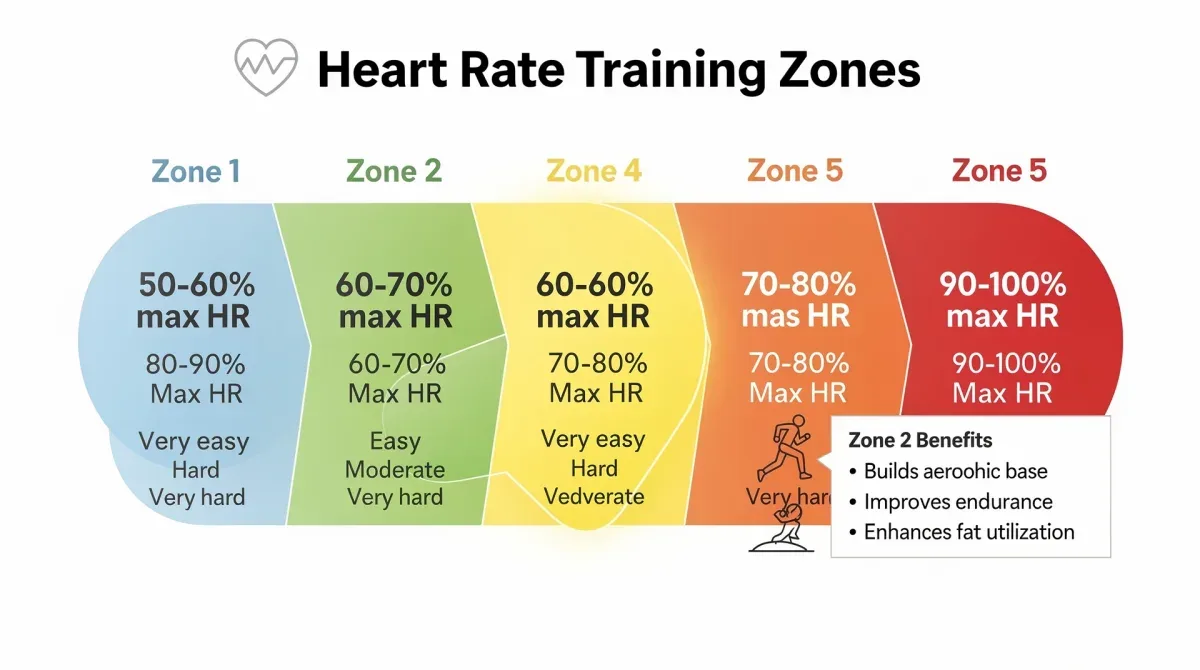
Zone 2 cardio represents a specific heart rate intensity where your body primarily uses fat for fuel, rather than carbohydrates. This zone typically falls between 60-70% of your maximum heart rate, though individual variations exist. The physiological benefits derived from consistent Zone 2 training are extensive, impacting everything from mitochondrial function to overall endurance capacity.
For decades, many endurance athletes adhered to a "no pain, no gain" philosophy, believing that higher intensity always equated to better results. However, modern sports science, bolstered by research and practical application, has unveiled the profound advantages of a polarized training approach, where the vast majority of training volume is performed at low intensity, with only a small percentage dedicated to high-intensity work.
The Role of Mitochondria in Zone 2 Training
Mitochondria are often referred to as the powerhouses of the cell, responsible for generating adenosine triphosphate (ATP, the energy currency of the body. Zone 2 training is particularly effective at stimulating mitochondrial biogenesis – the creation of new mitochondria – and improving the efficiency of existing ones. This translates directly to a greater capacity for aerobic energy production.
- Increased mitochondrial density enhances the body's ability to produce energy aerobically.
- Improved mitochondrial function allows for more efficient fat oxidation, sparing glycogen stores.
- Better mitochondrial health contributes to reduced fatigue and improved recovery.

By consistently training in Zone 2, athletes can build a robust aerobic base that supports higher-intensity efforts when needed, without over-stressing the system. This foundational work is crucial for sustained performance and injury prevention, making it a cornerstone of effective endurance programming.
The physiological adaptations in Zone 2 extend beyond mitochondria. It also improves capillary density, enhancing oxygen delivery to working muscles, and strengthens the heart muscle, leading to a higher stroke volume. These combined effects contribute to a more efficient cardiovascular system, capable of sustaining effort for longer periods.
The 80/20 Rule: A Training Revolution
The 80/20 rule, popularized by coach and author Matt Fitzgerald, suggests that endurance athletes should spend approximately 80% of their training time at low intensity (Zone 1 and 2) and 20% at moderate to high intensity (Zone 3, 4, and 5). This principle, initially observed in elite athletes, is now being widely adopted by amateur runners and triathletes across America, leading to significant improvements in performance and a reduction in overtraining.
Shifting the majority of weekly runs to low intensity might feel counterintuitive for those accustomed to pushing hard every session. However, the science behind the 80/20 rule is compelling. High-intensity training, while necessary for speed and power, places considerable stress on the body, requiring adequate recovery. Too much high-intensity work without sufficient recovery can lead to burnout, injury, and plateaus in performance.
Benefits of the Polarized Approach
Adopting an 80/20 polarized training model offers a multitude of advantages that go beyond simply avoiding overtraining. It systematically builds a stronger, more resilient aerobic engine, allowing athletes to perform better for longer periods.
- Enhanced aerobic capacity without excessive fatigue, leading to faster race times.
- Improved fat metabolism, making the body more efficient at using fat as fuel during long events.
- Reduced risk of injury and burnout by minimizing cumulative stress on the body.
- Greater enjoyment of running, as many runs become more conversational and less taxing.
The careful balance of low and high intensity allows the body to adapt optimally. The low-intensity sessions build the endurance base, while the high-intensity sessions provide the specific stimulus for speed and power, but are strategically placed to maximize their effect while minimizing recovery debt. This synergy is what makes the 80/20 rule so powerful in endurance training.
Embracing the 80/20 rule requires discipline and a shift in mindset. It means resisting the urge to push the pace on every run and trusting the long-term benefits of consistent, easy efforts. This approach has proven successful for athletes across various disciplines, from marathoners to ultra-runners, demonstrating its universal applicability in endurance sports.
Practical Application: Integrating Zone 2 into Your Running Schedule
Successfully integrating Zone 2 cardio into a weekly running schedule involves more than just slowing down. It requires a thoughtful approach to monitoring intensity, understanding your body's signals, and structuring your training week effectively. For many, this means recalibrating what an "easy run" truly feels like.
The first step is to accurately determine your Zone 2 heart rate. While formulas like 220 minus your age can provide a rough estimate of maximum heart rate, a more precise method involves a field test or laboratory assessment. Once you have a reliable heart rate range, using a heart rate monitor becomes invaluable for staying within the desired zone during your runs.
Monitoring Intensity and Perceived Effort
Heart rate monitors are excellent tools, but they aren't the only way to gauge Zone 2. The talk test is a simple yet effective method: you should be able to carry on a conversation comfortably while running. If you're gasping for air or can only utter a few words, you're likely out of Zone 2.
- Use a heart rate monitor to stay within 60-70% of your maximum heart rate.
- Employ the talk test: you should be able to hold a full conversation.
- Pay attention to perceived exertion: it should feel easy to moderately easy.
- Adjust pace based on external factors like heat, humidity, and fatigue.
It's important to remember that Zone 2 pace is relative and can vary day by day. Factors such as sleep quality, stress levels, and environmental conditions can influence your heart rate and perceived effort. The key is to listen to your body and adjust accordingly, prioritizing staying within the zone over hitting a specific pace.
Structuring your week typically involves several Zone 2 runs, often longer in duration, interspersed with one or two higher-intensity sessions. For example, a marathon runner might do three easy Zone 2 runs, a long Zone 2 run, and one workout with intervals or tempo efforts. This allows for sufficient recovery and adaptation from the harder sessions while consistently building the aerobic base.
Beyond Running: Zone 2 Across Endurance Disciplines
While the discussion often centers on running, the principles of Zone 2 cardio extend far beyond. Cyclists, swimmers, rowers, and other endurance athletes are also embracing this low-intensity approach to build their aerobic engines. The physiological adaptations are universal, making Zone 2 a critical component of training across various sports.
For cyclists, long rides at a conversational pace are the equivalent of Zone 2 runs. Swimmers can focus on maintaining a steady, consistent effort, perhaps using a snorkel to aid breathing and focus on technique without excessive intensity. The core idea remains the same: sustained effort at an intensity where fat is the primary fuel source.
Adapting Zone 2 for Different Sports
Each sport presents unique challenges and opportunities for Zone 2 training. Understanding these nuances helps athletes optimize their approach and maximize benefits.
- Cycling: Focus on steady power output or heart rate, often on flatter terrain or indoors.
- Swimming: Emphasize consistent stroke rate and breathing patterns, avoiding all-out sprints.
- Rowing: Maintain a steady stroke rate and power, ensuring breath control and conversational ability.
The beauty of Zone 2 training is its versatility. It can be performed individually or in groups, indoors or outdoors, making it accessible to a wide range of athletes. The focus on perceived effort and conversation makes it a social activity for many, fostering community while building fitness.
Moreover, Zone 2 training can be an excellent way to cross-train. A runner might incorporate Zone 2 cycling or swimming to add training volume without the impact of running, thus reducing injury risk while still enhancing aerobic fitness. This multi-sport approach can lead to a more well-rounded and resilient athlete, capable of performing at their best in their primary discipline.
The Long-Term Benefits: Health and Longevity
The appeal of Zone 2 cardio isn't solely about performance; it's also deeply intertwined with long-term health and longevity. Regular, low-intensity exercise has profound positive impacts on cardiovascular health, metabolic function, and overall well-being, making it a sustainable practice for a lifetime.
Unlike high-intensity interval training (HIIT) which, while effective for specific adaptations, can be taxing on the body if overdone, Zone 2 provides a gentle yet powerful stimulus. It helps regulate blood sugar, improve insulin sensitivity, and reduce systemic inflammation, all crucial factors in preventing chronic diseases.
Zone 2 and Metabolic Health
Metabolic health is a cornerstone of overall well-being, and Zone 2 training plays a significant role in maintaining and improving it. By enhancing fat oxidation, it helps the body become more efficient at burning stored fat, which can contribute to healthy weight management and improved body composition.
- Improved insulin sensitivity, reducing the risk of type 2 diabetes.
- Better blood pressure regulation, supporting cardiovascular health.
- Enhanced fat burning capacity, aiding in weight management.
- Reduced chronic inflammation, a key factor in many age-related diseases.
The sustained, moderate effort of Zone 2 training also promotes mental well-being. It can be a meditative practice, providing an opportunity for stress reduction and improved mood. The lower intensity means less stress on the central nervous system, allowing for consistent training without the mental fatigue often associated with high-intensity workouts.
Embracing Zone 2 cardio is an investment in both athletic performance and long-term health. It represents a holistic approach to fitness that prioritizes sustainability, enjoyment, and a robust physiological foundation, ensuring that athletes can continue to pursue their passions well into the future.
Addressing Common Misconceptions and Challenges
Despite the growing evidence supporting Zone 2 cardio, several misconceptions and challenges often arise when athletes attempt to implement this training philosophy. Overcoming these hurdles is crucial for successful integration and maximizing the benefits.
One of the most common misconceptions is that "easy runs" don't provide sufficient stimulus for improvement. Many athletes, driven by a desire for quick results, mistakenly believe that pushing harder on every run is the only path to progress. However, this often leads to a cycle of fatigue, injury, and suboptimal performance.
Navigating the Psychological Hurdles
The psychological aspect of slowing down can be a significant barrier. Athletes may feel that they are not working hard enough or that their pace is too slow compared to others. This can lead to the "gray zone" phenomenon, where runs are too hard to be truly easy but not hard enough to provide high-intensity adaptations.
- Resist the urge to compare your pace with others; focus on your individual heart rate zone.
- Trust the process and understand that adaptations take time.
- Embrace the feeling of an easy run; it should be comfortable and sustainable.
- Educate yourself on the science behind Zone 2 to reinforce commitment.
Another challenge is accurately determining and staying within Zone 2. As mentioned, heart rate monitors are helpful, but their readings can be affected by various factors. Learning to interpret perceived exertion and the talk test alongside technology provides a more robust approach to intensity management.
Furthermore, some athletes may find the slower pace monotonous. To combat this, varying routes, running with friends (who also adhere to Zone 2), or listening to podcasts can help make Zone 2 runs more engaging. The key is to find strategies that make the process enjoyable and sustainable, ensuring long-term adherence to this highly effective training method.

The Future of American Endurance Training
The Zone 2 Cardio Boom is more than a fleeting trend; it represents a fundamental shift in how American endurance athletes are approaching their training. By prioritizing a strong aerobic foundation through low-intensity work, athletes are discovering new levels of performance, resilience, and enjoyment in their chosen sports. This emphasis on sustainable, physiologically sound training is poised to redefine endurance sports for years to come.
As more coaches, sports scientists, and athletes embrace the 80/20 rule and the profound benefits of Zone 2, we can expect to see a continued evolution in training methodologies. The focus will likely shift further towards individualized approaches, leveraging wearable technology and advanced physiological testing to fine-tune Zone 2 parameters for optimal results.
Evolving Training Paradigms
The future of endurance training will likely integrate Zone 2 principles with other emerging technologies and insights. This holistic approach will empower athletes to train smarter, not just harder.
- Increased use of continuous glucose monitors to optimize fuel utilization during Zone 2.
- Personalized heart rate zone calculations based on lactate threshold testing.
- Integration with AI-driven coaching platforms that adapt training plans in real-time.
- Greater emphasis on recovery protocols, recognizing their integral role in adaptation.
The cultural aspect of endurance sports is also changing. There's a growing appreciation for the process, the journey, and the long-term health benefits, rather than just chasing personal bests. Zone 2 training aligns perfectly with this ethos, promoting a more balanced and sustainable relationship with sport.
Ultimately, the Zone 2 Cardio Boom is about empowering athletes to unlock their full potential while safeguarding their health and passion for movement. It's a testament to the power of scientific inquiry and thoughtful application, promising a brighter, more enduring future for American endurance training.
| Key Point | Brief Description |
|---|---|
| Zone 2 Definition | Training at 60-70% of max heart rate, primarily burning fat for fuel. |
| 80/20 Rule | 80% of training at low intensity (Zone 2), 20% at high intensity. |
| Physiological Benefits | Increases mitochondrial density, improves fat oxidation, enhances cardiovascular health. |
| Long-Term Impact | Supports sustainable performance, reduces injury risk, improves metabolic health and longevity. |
Frequently Asked Questions About Zone 2 Cardio
What is the ideal heart rate for Zone 2 training?▼The ideal heart rate for Zone 2 training typically falls between 60-70% of your maximum heart rate. It's best determined through a field test or by using the talk test, where you can comfortably hold a conversation without gasping for breath. This range helps ensure your body primarily uses fat for fuel, optimizing aerobic development.
How does Zone 2 training improve endurance?▼Zone 2 training improves endurance by enhancing mitochondrial function and density, increasing capillary networks for better oxygen delivery, and improving the body's ability to efficiently burn fat for fuel. These adaptations build a robust aerobic base, allowing you to sustain effort for longer periods and recover more effectively from intense workouts.
Can I do Zone 2 training every day?▼Yes, Zone 2 training is gentle enough to be performed almost daily, especially when following the 80/20 rule. Its low-intensity nature places minimal stress on the body, allowing for consistent training volume without excessive fatigue or injury risk. It's an excellent way to accumulate aerobic hours and support overall fitness.
Is Zone 2 only for runners?▼No, Zone 2 principles apply to all endurance sports, including cycling, swimming, rowing, and hiking. The physiological benefits of low-intensity aerobic work, such as improved fat oxidation and cardiovascular efficiency, are universal across disciplines. Athletes in any endurance sport can significantly benefit from incorporating Zone 2 training.
What are the long-term health benefits of Zone 2?▼Beyond performance, Zone 2 training offers substantial long-term health benefits. It improves metabolic health by enhancing insulin sensitivity and fat utilization, reduces chronic inflammation, supports cardiovascular health by strengthening the heart, and contributes to better stress management and mental well-being, promoting overall longevity.
Conclusion
The Zone 2 Cardio Boom represents a transformative shift in American endurance training, moving away from a solely high-intensity focus towards a more balanced and sustainable approach. By dedicating 80% of weekly runs and other endurance activities to low-intensity Zone 2 efforts, athletes are building stronger aerobic foundations, enhancing fat metabolism, and significantly reducing the risk of injury and burnout. This methodology not only optimizes performance but also fosters long-term health and a more enjoyable relationship with physical activity. As sports science continues to evolve, the principles of Zone 2 training will undoubtedly remain a cornerstone for athletes seeking to unlock their full potential and sustain their passion for movement for years to come.
