Infrared vs. Traditional Saunas: 2026 Detox Protocols
Infrared vs. traditional saunas are at the forefront of the 2026 wellness evolution, with emerging data highlighting the efficacy of 140-degree detox protocols for deep cellular cleansing and enhanced physiological benefits.
The world of wellness is constantly evolving, and by 2026, the discussion around heat therapy has sharpened its focus considerably. We are witnessing a significant shift in understanding and application, particularly concerning infrared vs. traditional saunas, and the burgeoning trend of 140-degree detox protocols. This isn't just about sweating; it's about optimizing cellular health, boosting recovery, and enhancing overall well-being through precisely controlled thermal environments.
Understanding the core differences: infrared vs. traditional saunas
To truly grasp the 2026 landscape of detox protocols, it's essential to first differentiate between the two dominant forms of saunas: infrared and traditional. While both aim to induce sweating and promote relaxation, their methodologies and physiological impacts vary significantly, influencing their suitability for specific health goals.
Traditional saunas, often associated with Finnish culture, rely on heating the air around you, typically to very high temperatures, sometimes exceeding 180°F (82°C). This is achieved by heating rocks, over which water is often poured to create steam, increasing humidity. The heat transfer is primarily convective and conductive, enveloping the body in hot air.
How traditional saunas operate
Traditional saunas utilize a simple yet effective principle: hot air. The air temperature is the primary driver of the experience, leading to profuse sweating as the body works to cool itself down. This intense heat can be invigorating for many, but it also means a higher cardiovascular load and a potentially shorter session duration for some individuals.
- Convective Heat: Air is heated, then transfers heat to the body.
- High Temperatures: Typically 160-200°F (71-93°C).
- Humidity Control: Water poured on hot rocks creates steam (löyly).
- Intense Experience: Rapid, often overwhelming heat sensation.
Infrared saunas, on the other hand, operate differently. Instead of heating the air, they use infrared heaters to emit radiant heat, which directly penetrates the body. This allows for lower ambient air temperatures, typically ranging from 110-140°F (43-60°C), while still achieving a deep, therapeutic sweat. The direct heating of the body's core is what sets infrared saunas apart, promising a more comfortable yet equally effective detox experience.
The mechanism of infrared heat
Infrared saunas leverage a portion of the electromagnetic spectrum to deliver heat directly to the body. This direct heating means the body's core temperature rises more efficiently, promoting a deeper sweat at a lower air temperature. This often translates to longer, more comfortable sessions, allowing for extended periods of therapeutic heat exposure.
- Radiant Heat: Infrared waves penetrate the body directly.
- Lower Temperatures: Typically 110-140°F (43-60°C).
- Deep Penetration: Heat reaches deeper into tissues and muscles.
- Comfortable Experience: Less oppressive heat, allowing for longer sessions.
In conclusion, while both sauna types offer health benefits, their distinct heating mechanisms dictate different user experiences and physiological responses. Understanding these fundamental differences is crucial for appreciating why the 2026 shift is leaning towards specific protocols.
The 2026 shift: why 140-degree detox protocols are gaining traction
The year 2026 marks a pivotal moment in the evolution of wellness practices, particularly regarding heat therapy. The focus is increasingly shifting towards specific, scientifically-backed protocols, with 140-degree sessions emerging as a key trend in detoxification. This isn't arbitrary; it's driven by a deeper understanding of cellular physiology and the optimal conditions for promoting toxin release and overall well-being.
Traditional sauna users often seek intense heat, believing higher temperatures equate to better detoxification. However, recent research and clinical observations suggest that sustained exposure to moderate, penetrating heat, such as that achieved around 140°F (60°C) in an infrared sauna, may offer superior detox benefits with fewer adverse effects. This temperature range is proving to be a sweet spot for many.
One of the primary reasons for this shift lies in the ability to maintain a comfortable yet effective thermal environment. At 140°F, individuals can typically tolerate longer sessions, which is crucial for maximizing the body's natural detoxification processes. Shorter, more intense sessions in traditional saunas might induce immediate sweating, but the sustained heat of an infrared sauna at a moderate temperature allows for a more profound and prolonged physiological response.
Optimal temperature for cellular response
The human body responds to heat in complex ways, and there's a delicate balance between therapeutic benefit and physiological stress. Temperatures around 140°F appear to stimulate heat shock proteins effectively, enhance circulation, and encourage lymphatic flow without overwhelming the cardiovascular system. This gentler yet potent approach is a significant factor in its growing popularity.
- Sustained Heat Exposure: Longer sessions for deeper detox.
- Reduced Cardiovascular Strain: Easier on the heart compared to very high temperatures.
- Enhanced Cellular Detox: Optimal for mobilizing toxins from fat cells.
- Improved Comfort: Allows for a more relaxing and enjoyable experience.
Moreover, the direct penetration of infrared heat at 140°F means that the body's core temperature is elevated more efficiently. This internal heating is believed to be more effective at mobilizing heavy metals and other toxins stored in fat cells, which are then excreted through sweat. This targeted approach is a significant upgrade from simply heating the ambient air.
The 2026 trend towards 140-degree protocols reflects a more nuanced understanding of thermal therapy. It moves beyond the 'hotter is better' mentality to embrace a more strategic, scientifically informed approach that prioritizes sustained, comfortable, and effective detoxification.

Health benefits of 140-degree infrared detox protocols
The adoption of 140-degree infrared detox protocols isn't merely a trend; it's a movement driven by a growing body of evidence supporting its diverse health benefits. This specific temperature range within infrared saunas appears to unlock a unique combination of physiological responses, making it a powerful tool for enhancing overall well-being and targeted detoxification.
One of the most celebrated benefits is its profound impact on detoxification. The penetrating infrared heat at 140°F helps to elevate the body's core temperature, which in turn stimulates sweat glands to release toxins more effectively. This includes heavy metals like mercury and lead, as well as environmental pollutants and even drug residues. The deep sweat induced by infrared saunas at this temperature is often cited as being richer in toxins compared to traditional sauna sweat.
Enhanced cardiovascular health
Regular sessions at 140°F can also significantly contribute to cardiovascular health. The gentle elevation of heart rate and increased circulation mimic a mild cardiovascular workout, without the associated stress on joints. This can lead to improved blood flow, lower blood pressure, and better endothelial function over time. It's a passive yet effective way to support heart health.
- Improved Circulation: Increased blood flow throughout the body.
- Lower Blood Pressure: Relaxation and vasodilation contribute to reduced pressure.
- Heart Rate Elevation: Mimics light exercise, strengthening the cardiovascular system.
- Endothelial Function: Supports the health of blood vessel linings.
Beyond detoxification and cardiovascular benefits, 140-degree infrared sessions are gaining recognition for their role in pain relief and muscle recovery. The deep heat penetrates muscles and joints, helping to alleviate soreness, reduce inflammation, and accelerate the healing process after physical exertion. This makes it an invaluable tool for athletes and individuals dealing with chronic pain conditions.

Furthermore, the soothing warmth promotes deep relaxation, helping to reduce stress and improve sleep quality. The release of endorphins during a sauna session contributes to a sense of well-being, making it an excellent practice for mental health support. The combination of physical and mental benefits at this specific temperature makes it a holistic approach to health.
In essence, the 140-degree infrared detox protocol offers a multi-faceted approach to health, addressing everything from cellular detoxification to cardiovascular well-being, pain management, and stress reduction. Its effectiveness and comfortable nature are key drivers of its increasing adoption.
Traditional sauna protocols: enduring appeal and modern adaptations
Despite the growing prominence of infrared saunas and 140-degree protocols, traditional saunas continue to hold a significant place in the wellness world. Their enduring appeal stems from a rich cultural history and a distinct, intense heat experience that many find deeply invigorating. However, even traditional sauna practices are seeing modern adaptations to align with contemporary health insights.
The classic traditional sauna experience, characterized by high air temperatures and the occasional burst of steam from water poured over hot rocks, offers a unique set of benefits. The intense heat promotes profuse sweating, which is a powerful detoxifier, and the social aspect of communal saunas fosters connection and well-being. For many, the ritual itself is as important as the physical benefits.
Modern adaptations often involve integrating traditional saunas into more comprehensive wellness centers, where they are used in conjunction with other therapies. There's also a growing awareness of optimal session durations and hydration strategies to maximize benefits and minimize risks, moving beyond simply enduring extreme heat for as long as possible.
Benefits of high-heat traditional saunas
While the air temperature in a traditional sauna can be much higher than in an infrared one, the heat doesn't penetrate the body in the same way. However, this doesn't diminish its benefits. The intense heat causes rapid vasodilation, increasing blood flow to the skin and muscles, and eliciting a strong cardiovascular response. This can be particularly beneficial for those seeking an immediate, intense heat experience.
- Robust Cardiovascular Workout: Significant heart rate elevation and blood flow increase.
- Immediate Sweating: Rapid induction of perspiration for quick detoxification.
- Respiratory Benefits: Steam can help clear airways and ease breathing.
- Cultural and Social Aspect: A communal experience deeply rooted in tradition.
Furthermore, the high heat of traditional saunas is excellent for muscle relaxation and can provide significant relief from tension and stress. The direct heat on the skin and the hot, humid air can be very comforting, especially in colder climates. The feeling of being enveloped in intense heat is a core part of its therapeutic appeal.
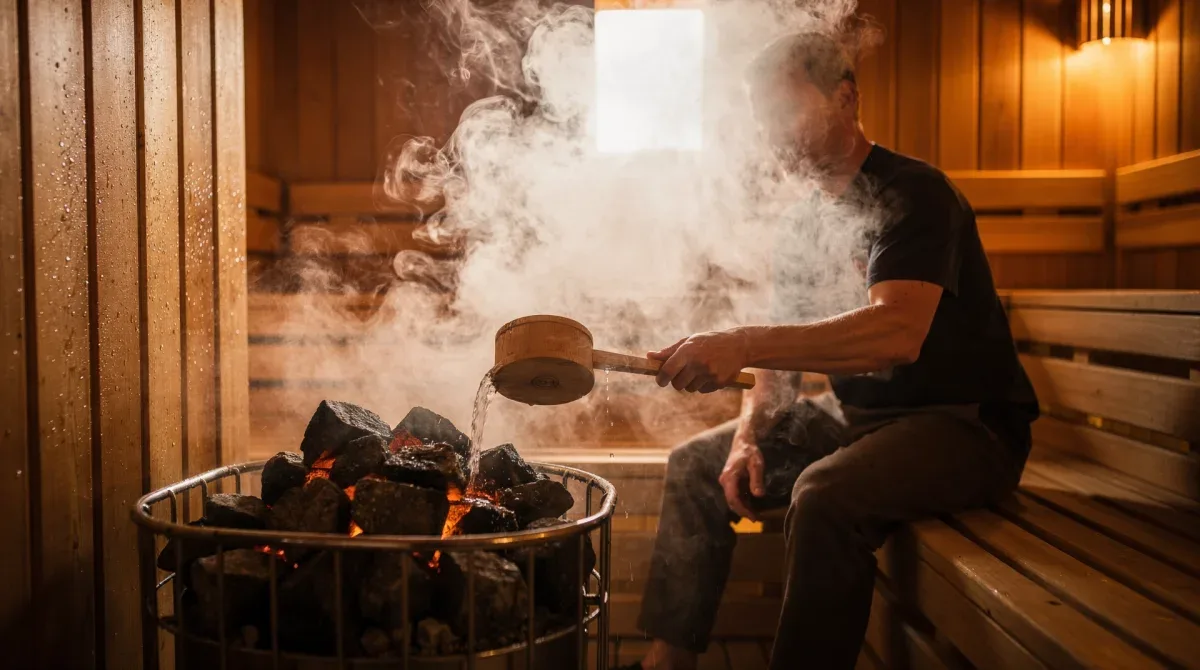
Despite the shift towards precise temperature protocols, traditional saunas are not becoming obsolete. Instead, they are evolving, with practitioners and users alike seeking to optimize their use through informed practices and integration into broader wellness routines. The choice between infrared and traditional often comes down to personal preference and specific health goals, but both continue to offer valuable contributions to health.
Integrating 140-degree sessions into your wellness routine
For those looking to embrace the benefits of the 2026 detox protocols, integrating 140-degree infrared sauna sessions into a regular wellness routine is a practical and effective strategy. The key lies in consistency, proper preparation, and understanding how to maximize the therapeutic potential of these sessions.
Starting with sessions of 20-30 minutes, 2-3 times per week, is a common recommendation for beginners. As your body adapts, you can gradually increase the duration to 45-60 minutes per session. The lower temperature of infrared saunas at 140°F makes longer sessions more tolerable and, importantly, more effective for deep detoxification.
Hydration is paramount before, during, and after a sauna session. Sweating profusely means losing essential electrolytes, so replenishing with water and electrolyte-rich beverages is crucial. This not only prevents dehydration but also aids in the detoxification process by ensuring proper fluid balance for toxin excretion.
Preparing for an optimal session
To get the most out of your 140-degree infrared sauna experience, a few preparatory steps can make a significant difference. These focus on enhancing comfort and maximizing the body's ability to detoxify and relax. Simple adjustments can elevate the entire experience.
- Pre-Hydration: Drink plenty of water before entering the sauna.
- Clean Skin: Shower beforehand to remove lotions or oils that can hinder sweating.
- Comfortable Attire: Light clothing or a towel is usually sufficient.
- Mindset: Approach the session with an intention for relaxation and detoxification.
During the session, listening to your body is critical. While 140°F is generally well-tolerated, if you feel lightheaded or excessively uncomfortable, it's always best to exit the sauna. Many individuals find that incorporating mindfulness or meditation during their sessions enhances the mental and physical benefits, transforming it into a holistic wellness ritual.
Post-sauna care is equally important. A cool shower after a session can help close pores, remove residual toxins from the skin, and invigorate the body. Following up with more hydration and a nutrient-rich meal supports the body's recovery and continued detoxification processes. Consistency and a holistic approach ensure the long-term benefits of these protocols.
Debunking myths and clarifying misconceptions about sauna detox
The world of health and wellness is often rife with misinformation, and sauna detoxification is no exception. As infrared vs. traditional saunas and 140-degree protocols gain prominence in 2026, it's crucial to debunk common myths and clarify misconceptions to ensure informed and safe practices.
One prevalent myth is that the more you sweat, the more toxins you're eliminating. While sweating is a primary mechanism for detoxification, the volume of sweat isn't the sole indicator of efficacy. The type of sweat, which is influenced by the heating mechanism (infrared vs. traditional), and the duration of exposure play a more significant role in mobilizing specific toxins from deeper tissues. Infrared saunas, even at lower temperatures, are often cited for producing sweat with higher concentrations of heavy metals.
Another misconception is that saunas are a standalone cure for all ailments. While they offer significant health benefits, saunas are a complementary therapy. They work best as part of a holistic wellness strategy that includes a balanced diet, regular exercise, adequate sleep, and stress management. Relying solely on saunas for health issues can be misleading and potentially ineffective.
Common sauna myths addressed
Understanding the science behind sauna use helps dispel many unfounded beliefs. For instance, the idea that saunas can instantly cure hangovers or cause significant weight loss through fat burning is often exaggerated. While temporary weight loss from water excretion is common, saunas do not directly burn fat in the same way exercise does.
- Myth: Saunas cure hangovers instantly. (Reality: They can help alleviate symptoms but don't cure.)
- Myth: All sweat is the same for detox. (Reality: Infrared sweat may have higher toxin concentrations.)
- Myth: Saunas are a magic weight loss solution. (Reality: Water loss is temporary; fat loss requires diet and exercise.)
- Myth: Higher temperatures always mean better detox. (Reality: Moderate, sustained heat can be more effective for deep detox.)
Furthermore, some believe that anyone can use a sauna without precautions. This is incorrect. Individuals with certain health conditions, such as severe cardiovascular disease, very low blood pressure, or those who are pregnant, should consult a healthcare professional before using a sauna. Safety and individual health considerations are paramount.
By clarifying these misconceptions, we can foster a more accurate understanding of sauna therapy. The focus should be on informed practice, leveraging the specific benefits of infrared and traditional saunas at appropriate temperatures, like the 140-degree protocols, as part of a well-rounded approach to health and detoxification.
The future of heat therapy: predictions beyond 2026
As we delve deeper into the 2026 wellness landscape, it's natural to look ahead and consider the future trajectory of heat therapy. The innovations in infrared vs. traditional saunas, particularly around precise detox protocols like 140-degree sessions, suggest an exciting evolution for health and well-being practices in the years to come.
One significant prediction is the increased personalization of sauna experiences. Beyond general temperature recommendations, we can expect advanced biometric feedback systems that monitor individual physiological responses in real-time. This will allow saunas to dynamically adjust heat output, spectral range (for infrared), and even humidity to optimize benefits for each user, based on their health goals, current state, and tolerance levels.
Further integration with smart home technology and wearable devices will also become commonplace. Imagine your fitness tracker recommending a specific sauna protocol based on your workout recovery needs or sleep patterns, then automatically initiating the session when you arrive home. This seamless integration will make heat therapy an even more accessible and integral part of daily life.
Emerging technologies and research areas
Beyond personalization, research into the specific wavelengths of infrared light and their targeted therapeutic effects is expected to expand. Different infrared spectra (near, mid, far) have distinct penetration depths and biological impacts. Future saunas might offer tunable infrared light, allowing users to select specific wavelengths for particular benefits, such as skin rejuvenation, deep tissue repair, or enhanced detoxification.
- Biometric Feedback: Real-time monitoring for personalized sessions.
- AI-Driven Protocols: Algorithms suggesting optimal heat therapy based on health data.
- Targeted Wavelengths: Customizable infrared spectra for specific benefits.
- Sustainable Sauna Design: Eco-friendly materials and energy-efficient heating systems.
The convergence of heat therapy with other modalities, such as chromotherapy (light therapy) and sound therapy, will also likely become more sophisticated. Multi-sensory sauna environments designed to enhance mental relaxation, mood regulation, and even cognitive function could become standard offerings in premium wellness centers.
Finally, there will be a continued emphasis on sustainability in sauna design and operation. As environmental consciousness grows, manufacturers will likely focus on energy-efficient heating elements, responsibly sourced materials, and designs that minimize ecological impact. The future of heat therapy is not just about personal health but also planetary well-being, ensuring these beneficial practices are accessible and sustainable for generations to come.
| Key Aspect | Brief Description |
|---|---|
| Infrared Saunas | Use radiant heat to directly penetrate the body, operating at lower ambient temperatures (110-140°F) for deep, comfortable detoxification. |
| Traditional Saunas | Heat the air to high temperatures (160-200°F), inducing profuse sweating through convective heat, often with steam. |
| 140-Degree Protocols | Optimal temperature for infrared saunas, promoting sustained, deep detoxification, enhanced circulation, and muscle recovery with reduced cardiovascular strain. |
| Detoxification Focus | Both types promote sweating for toxin release, but infrared at 140°F is increasingly favored for its ability to mobilize specific toxins from deeper tissues more effectively. |
Frequently asked questions about sauna detox
What is the main difference between infrared and traditional saunas?▼Infrared saunas use light to directly heat your body at lower temperatures (110-140°F), while traditional saunas heat the air around you to much higher temperatures (160-200°F). Infrared heat penetrates deeper, often leading to a more profound sweat at a more comfortable temperature.
Why are 140-degree detox protocols gaining popularity in 2026?▼The 140-degree temperature in infrared saunas is considered optimal for sustained, deep detoxification without excessive cardiovascular strain. This allows for longer sessions, enhancing the release of toxins and promoting cellular health more effectively than very high temperatures.
Can traditional saunas also be used for effective detoxification?▼Yes, traditional saunas are highly effective for detoxification, primarily through profuse sweating induced by high ambient temperatures. While the heat mechanism differs, they still promote circulation, muscle relaxation, and toxin excretion. The choice often depends on personal preference and heat tolerance.
How often should one use a sauna for detox benefits?▼For optimal detox benefits, regular sauna use is recommended. Many experts suggest 2-3 sessions per week, with each session lasting 20-45 minutes, depending on individual tolerance and the type of sauna. Consistency is key for long-term health improvements.
Are there any risks associated with sauna use for detoxification?▼While generally safe, risks include dehydration, overheating, and potential interactions with certain medical conditions or medications. It's crucial to stay hydrated, listen to your body, and consult a healthcare professional before starting sauna therapy, especially if you have pre-existing health concerns.
Conclusion
The evolving landscape of wellness in 2026 clearly highlights a refined approach to heat therapy, with the debate between infrared vs. traditional saunas taking center stage alongside the emergence of specific 140-degree detox protocols. This shift is not just about preference but about optimizing physiological benefits through targeted, comfortable, and effective thermal exposure. Whether embracing the deep, penetrating warmth of an infrared sauna or the intense heat of a traditional one, informed choices, guided by modern research, are empowering individuals to achieve profound detoxification, enhanced recovery, and a greater sense of well-being. The future promises even more personalized and integrated heat therapy experiences, cementing saunas as an indispensable tool in our pursuit of a healthier, more balanced life.
