Zone 2 Cardio Studios: The Rise of Sustainable Fitness
The national fitness industry report reveals a significant 45% membership spike in Zone 2 cardio studios, reflecting a growing consumer preference for sustainable, lower-intensity workouts over traditional high-intensity training, driven by increasing fatigue from relentless, strenuous regimens.
The latest National Fitness Industry Report: Zone 2 Cardio Studios See 45% Membership Spike as High-Intensity Fatigue Rises indicates a profound shift in how Americans approach their fitness journeys. This surge suggests a collective reevaluation of what truly constitutes effective and sustainable exercise, moving away from the relentless pursuit of peak performance towards a more balanced, health-oriented methodology.
Understanding the shift to Zone 2 cardio
The dramatic increase in membership at Zone 2 cardio studios isn't just a fleeting trend; it represents a significant reorientation within the fitness landscape. For years, the industry championed high-intensity interval training (HIIT) and similar strenuous workouts, promising rapid results and maximum calorie burn. While effective for some, this approach has inadvertently led to widespread fatigue, burnout, and an increased risk of injury for many.
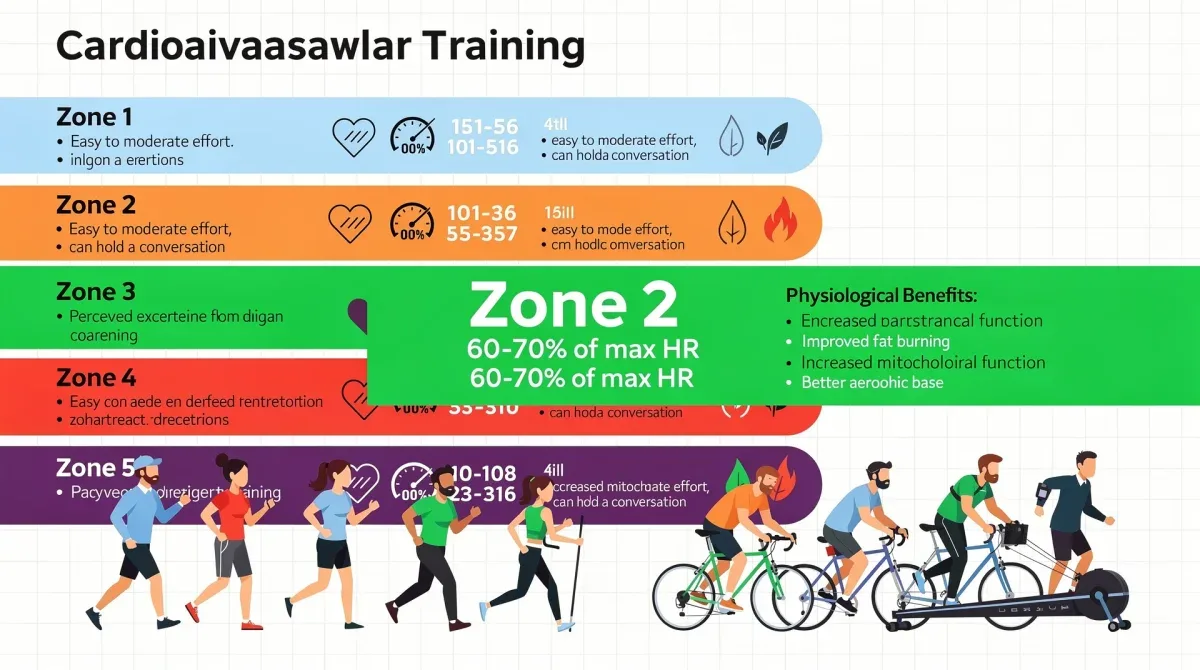
Zone 2 cardio, on the other hand, emphasizes sustained, moderate-intensity exercise where your heart rate remains between 60-70% of your maximum heart rate. This intensity allows for comfortable conversation while exercising, making it accessible and enjoyable for a broader demographic. The benefits extend beyond mere physical exertion, tapping into deeper physiological adaptations that high-intensity workouts often overlook.
The physiological advantages of moderate intensity
Engaging in Zone 2 training is not about pushing your limits to exhaustion; it’s about optimizing your body's energy systems. This heart rate zone specifically targets and improves mitochondrial function, which are the powerhouses within your cells responsible for energy production. Enhanced mitochondrial efficiency means your body becomes better at burning fat for fuel, preserving glycogen stores, and improving overall metabolic health.
- Improved fat oxidation: Your body becomes more efficient at using fat as a primary fuel source, crucial for endurance and weight management.
- Enhanced mitochondrial density: More mitochondria mean better energy production and cellular health.
- Increased aerobic capacity: Your heart and lungs become more efficient at delivering oxygen to working muscles.
- Reduced risk of injury: Lower intensity minimizes stress on joints and muscles, making it sustainable long-term.
Furthermore, Zone 2 training contributes significantly to cardiovascular health by strengthening the heart muscle and improving blood flow. This systematic approach to fitness provides a solid foundation for all other forms of exercise, allowing individuals to recover faster and perform better in their chosen activities without the constant threat of overtraining.
The allure of Zone 2 training lies in its promise of sustainable progress and holistic well-being. It’s a stark contrast to the boom-and-bust cycle often associated with extreme workout regimens. By focusing on longevity and foundational health, Zone 2 cardio offers a path to fitness that is both effective and enjoyable, fostering a positive relationship with exercise that can last a lifetime.

The downside of high-intensity fatigue
For a significant period, the fitness industry was dominated by the mantra of 'go hard or go home.' High-intensity workouts were presented as the ultimate solution for rapid weight loss, muscle gain, and improved athletic performance. While these methods can yield impressive results in the short term, the long-term consequences of relentless high-intensity training are becoming increasingly apparent, leading to what many are calling 'high-intensity fatigue.'
This fatigue manifests not just physically, but mentally and emotionally. Individuals find themselves perpetually sore, struggling with recovery, experiencing sleep disturbances, and even losing motivation for exercise altogether. The constant demand on the body's stress response system can lead to elevated cortisol levels, impacting overall health and making sustainable fitness an elusive goal.
Signs and symptoms of overtraining
Recognizing the signs of overtraining is crucial for anyone engaging in regular physical activity. High-intensity fatigue isn't just about feeling tired after a tough workout; it's a chronic state that can undermine your health and fitness goals. It's a clear indication that the body is not adequately recovering between sessions, leading to a cascade of negative effects.
- Persistent muscle soreness and fatigue that doesn't resolve with rest.
- Decreased performance in workouts, despite increased effort.
- Increased susceptibility to illness and injury due to a compromised immune system.
- Sleep disturbances, including insomnia or restless sleep.
- Mood disturbances such as irritability, anxiety, or depression.
These symptoms are not isolated incidents but rather indicators of a systemic imbalance. The body's inability to adapt to the constant stress of high-intensity workouts can lead to hormonal imbalances, adrenal fatigue, and a general sense of malaise. This makes it incredibly difficult to maintain consistency, which is arguably the most important factor for long-term fitness success.
The rise of Zone 2 cardio studios directly addresses this issue by offering an alternative that prioritizes recovery and sustainable progression. It acknowledges that not every workout needs to be an all-out effort to be effective. By embracing a more balanced approach, individuals can avoid the pitfalls of high-intensity fatigue, fostering a healthier and more enjoyable relationship with exercise.
Health benefits beyond the gym
The advantages of incorporating Zone 2 cardio into a regular fitness routine extend far beyond the immediate physical improvements seen in the gym. This form of exercise plays a crucial role in enhancing overall health and well-being, contributing to longevity and a higher quality of life. It’s a testament to the idea that sometimes, less intensity can lead to greater, more sustainable health outcomes.
One of the most significant benefits is its profound impact on metabolic health. Regular Zone 2 training improves insulin sensitivity, which is vital for preventing and managing type 2 diabetes. By making the body more efficient at utilizing glucose, it helps stabilize blood sugar levels and reduces the risk of metabolic syndrome, a cluster of conditions that increase the risk of heart disease, stroke, and diabetes.
Impact on mental well-being and stress reduction
Beyond the physical, Zone 2 cardio offers substantial benefits for mental health. Unlike high-intensity workouts that can sometimes add to stress if recovery is insufficient, moderate-intensity exercise is known to be a powerful stress reducer. It promotes the release of endorphins, natural mood elevators, and helps to clear the mind, making it an excellent tool for managing anxiety and depression.
- Reduced stress and anxiety: The rhythmic, sustained nature of Zone 2 exercise calms the nervous system.
- Improved mood: Endorphin release contributes to a sense of well-being and happiness.
- Enhanced cognitive function: Increased blood flow to the brain can improve focus, memory, and overall brain health.
- Better sleep quality: Regular moderate exercise helps regulate sleep patterns, leading to more restful nights.
The accessibility of Zone 2 training also plays a role in its mental health benefits. Because it's less physically demanding, it can be maintained consistently, providing a stable routine that many find comforting and empowering. This consistency fosters a sense of accomplishment and self-efficacy, further boosting mental resilience.
In essence, Zone 2 cardio is not just about physical fitness; it's about nurturing a healthier, more balanced lifestyle. Its widespread adoption indicates a growing awareness that true health encompasses both body and mind, and that sustainable practices are key to achieving long-term well-being. The benefits truly extend far beyond the confines of the gym, impacting daily life in profoundly positive ways.
Designing effective Zone 2 workouts
Successfully integrating Zone 2 cardio into your fitness regimen requires a clear understanding of its principles and how to apply them effectively. It's not simply about moving slowly; it's about maintaining a specific heart rate range for an extended period, which optimizes the physiological adaptations we've discussed. Proper planning ensures you reap the full benefits without drifting into higher, less sustainable zones.
The first step is to accurately determine your Zone 2 heart rate. A common formula for estimating maximum heart rate (MHR) is 220 minus your age. Your Zone 2 range would then be 60-70% of that MHR. For example, a 40-year-old would have an estimated MHR of 180 bpm, making their Zone 2 range approximately 108-126 bpm. Using a heart rate monitor is highly recommended for precision, as perceived exertion can be subjective.
Practical application and duration
Once you know your target heart rate, the next step is to choose appropriate activities and durations. Zone 2 workouts are typically longer than high-intensity sessions, lasting anywhere from 30 to 60 minutes, or even longer for those training for endurance events. The key is consistency and sustained effort within the target zone.
- Long, steady-state cardio: Activities like brisk walking, cycling, swimming, or using an elliptical machine are ideal.
- Maintain conversational pace: You should be able to hold a conversation without gasping for breath.
- Focus on consistency: Aim for 3-5 sessions per week to build a strong aerobic base.
- Listen to your body: While aiming for the target zone, adjust intensity if you feel overly strained or too comfortable.
It's important to remember that Zone 2 training is not about pushing to your absolute limit. It’s about finding a comfortable, sustainable pace that you can maintain for the entire duration of your workout. This approach allows your body to adapt efficiently, improving its ability to utilize fat for fuel and enhancing overall endurance without the excessive strain associated with high-intensity training.
By thoughtfully designing your Zone 2 workouts, you can create a fitness routine that is both effective and enjoyable. This structured approach helps prevent overtraining, promotes consistent progress, and fosters a healthier relationship with exercise, ensuring that you can maintain an active lifestyle for years to come. The emphasis on sustainability is what makes Zone 2 so powerful.
The business of sustainable fitness studios
The remarkable 45% spike in membership at Zone 2 cardio studios isn't just a win for individual health; it signals a significant shift in the fitness industry's business model. Entrepreneurs and gym owners are recognizing that the market is hungry for sustainable, health-oriented solutions rather than just high-octane performance promises. This shift is reshaping how fitness spaces are designed, marketed, and operated.
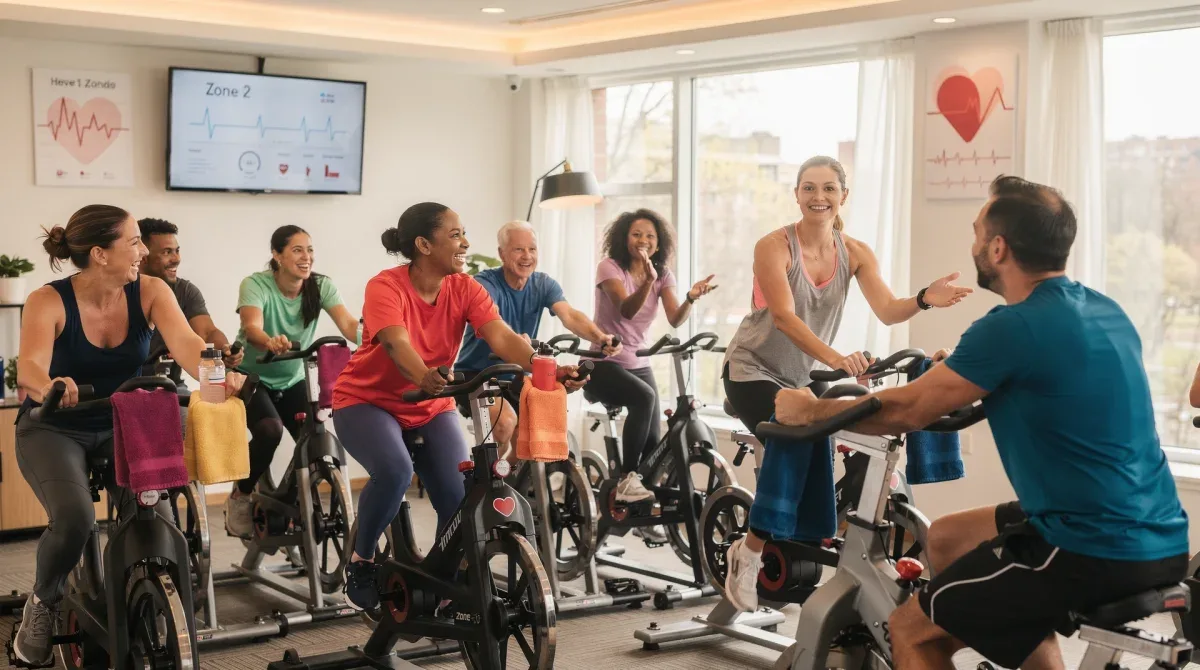
These studios often differentiate themselves by creating environments that prioritize comfort, community, and education. They move away from the aggressive, competitive atmosphere sometimes found in high-intensity gyms, opting instead for a supportive and inclusive space where members feel encouraged to pursue long-term health goals. This focus on a holistic member experience is a key driver of their success and retention rates.
Marketing and member retention strategies
Successful Zone 2 cardio studios employ marketing strategies that highlight the long-term benefits of their approach, such as improved metabolic health, reduced stress, and sustainable energy. They often feature testimonials from members who have experienced significant health improvements without the burnout associated with other fitness regimes. This authentic storytelling resonates deeply with an audience tired of fleeting trends.
- Emphasizing health and longevity over extreme performance.
- Building a strong sense of community and support among members.
- Offering educational workshops on the science behind Zone 2 training.
- Providing personalized coaching to help members find their optimal Zone 2.
Member retention is also significantly boosted by the inherent sustainability of Zone 2 training. Because the workouts are less taxing, members are more likely to stick with their routines, leading to consistent engagement and a stronger sense of loyalty to the studio. The focus on measurable health markers, rather than just aesthetic goals, also provides a compelling reason for members to stay committed.
The business of sustainable fitness is booming because it aligns with a fundamental human need for well-being and balance. Zone 2 cardio studios are at the forefront of this movement, demonstrating that a focus on health, rather than just intensity, can create a thriving and impactful business model. This paradigm shift benefits both the consumers seeking healthier lives and the businesses committed to providing them.
The future of fitness: Balance and longevity
The significant rise of Zone 2 cardio studios signals a clear direction for the future of the fitness industry: a move towards balance, sustainability, and longevity. The era of 'no pain, no gain' is gradually giving way to a more intelligent, science-backed approach that prioritizes overall health and consistent, long-term engagement. This evolution reflects a deeper understanding of human physiology and psychology.
Consumers are becoming more educated and discerning, seeking fitness solutions that integrate seamlessly into their lives without causing burnout or injury. The focus is shifting from achieving extreme, often unsustainable, physical feats to cultivating a robust foundation of health that supports an active and fulfilling life well into old age. This trend emphasizes quality of movement and systemic well-being.
Integrating diverse training modalities
While Zone 2 cardio is gaining prominence, it's important to recognize that a truly balanced fitness regimen often incorporates diverse training modalities. The future of fitness isn't about exclusive adherence to one type of exercise but rather intelligently combining different approaches to achieve comprehensive health benefits. Zone 2 provides an excellent foundation, allowing for more effective integration of other types of training.
- Strength training: Essential for maintaining muscle mass, bone density, and metabolic health.
- Flexibility and mobility work: Crucial for preventing injury and improving range of motion.
- High-intensity intervals (in moderation): Can still be beneficial for certain adaptations, when properly integrated and recovered from.
- Mind-body practices: Yoga, Pilates, and meditation contribute to mental well-being and body awareness.
The key lies in smart programming and periodization, where different types of training are strategically placed within a weekly or monthly schedule to optimize adaptation and minimize overtraining. Zone 2 provides the aerobic base that enhances recovery from higher-intensity efforts and improves overall energy efficiency, making other forms of exercise more effective and safer.
Ultimately, the future of fitness is personalized and holistic. It's about empowering individuals to understand their bodies, listen to their needs, and choose activities that support their long-term health goals. The success of Zone 2 cardio studios is a powerful indicator that the industry is evolving to meet this demand, fostering a culture where fitness is about sustained well-being, not just fleeting performance peaks.
| Key Trend | Brief Description |
|---|---|
| Zone 2 Cardio Spike | 45% membership increase in studios focusing on moderate-intensity, sustainable cardio workouts. |
| High-Intensity Fatigue | Growing burnout and injury rates from excessive high-intensity interval training. |
| Metabolic Health Focus | Zone 2 training improves mitochondrial function, insulin sensitivity, and fat burning efficiency. |
| Sustainable Business Model | Fitness studios are adapting to offer long-term, health-oriented solutions and community. |
Frequently asked questions about Zone 2 cardio
What exactly is Zone 2 cardio?▼Zone 2 cardio refers to exercise performed at 60-70% of your maximum heart rate. At this intensity, you can comfortably hold a conversation, and your body primarily uses fat for fuel, enhancing mitochondrial function and aerobic capacity for sustainable energy.
Why are Zone 2 studios seeing a membership spike?▼The spike is attributed to rising fatigue and injury rates from high-intensity training. People are seeking more sustainable, health-focused workouts that offer long-term benefits like improved metabolic health, reduced stress, and consistent progress without burnout.
What are the main benefits of Zone 2 training?▼Key benefits include enhanced fat burning, improved mitochondrial density, better cardiovascular health, increased insulin sensitivity, and reduced risk of chronic diseases. It also contributes to better mental well-being and faster recovery from other strenuous activities.
How do I determine my Zone 2 heart rate?▼You can estimate your maximum heart rate by subtracting your age from 220. Then, calculate 60-70% of that number. For instance, a 30-year-old's Zone 2 would be approximately 114-133 bpm. Using a heart rate monitor ensures accuracy.
Can Zone 2 cardio be combined with other workouts?▼Absolutely. Zone 2 training provides an excellent aerobic base that complements strength training, flexibility exercises, and even occasional high-intensity sessions. It aids recovery and improves overall fitness, making other forms of exercise more effective and safer in a balanced routine.
Conclusion
The latest national fitness industry report unequivocally highlights a significant shift in consumer preferences, with Zone 2 cardio studios experiencing a remarkable 45% membership spike. This trend underscores a broader movement away from the relentless pursuit of high-intensity performance and towards a more sustainable, health-centric approach to fitness. As individuals increasingly recognize the pitfalls of high-intensity fatigue, the appeal of workouts that foster longevity, metabolic health, and mental well-being becomes paramount. Zone 2 training offers a powerful, accessible, and enjoyable pathway to achieving these goals, reshaping the fitness landscape for a healthier, more balanced future. The industry's adaptation to this demand signals a positive evolution, prioritizing long-term health over fleeting trends.
